BK 117
BK 117
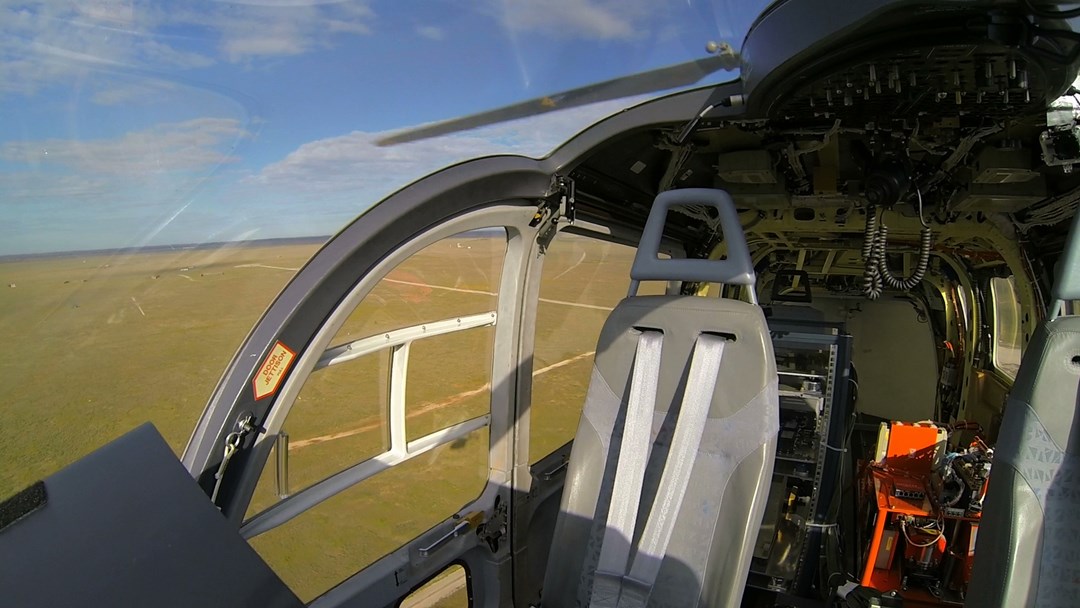
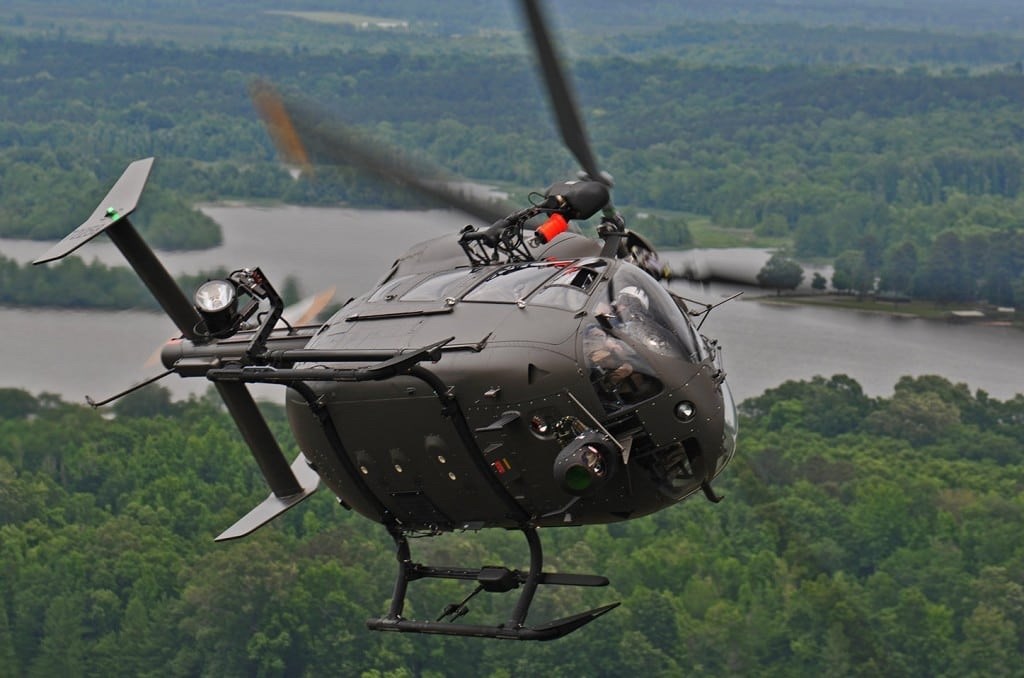
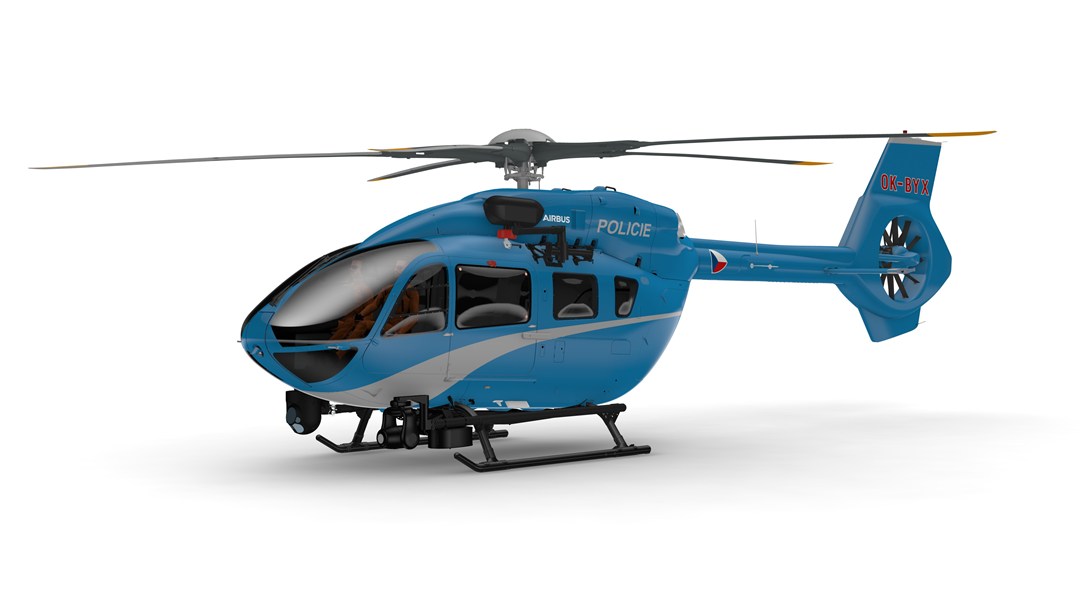
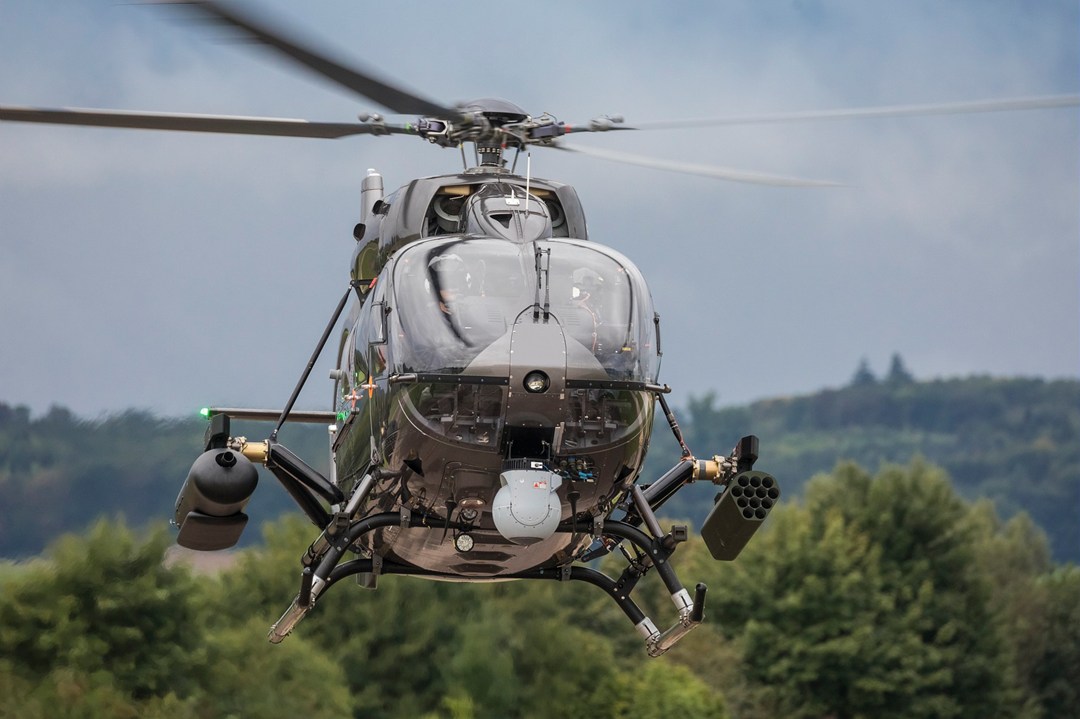
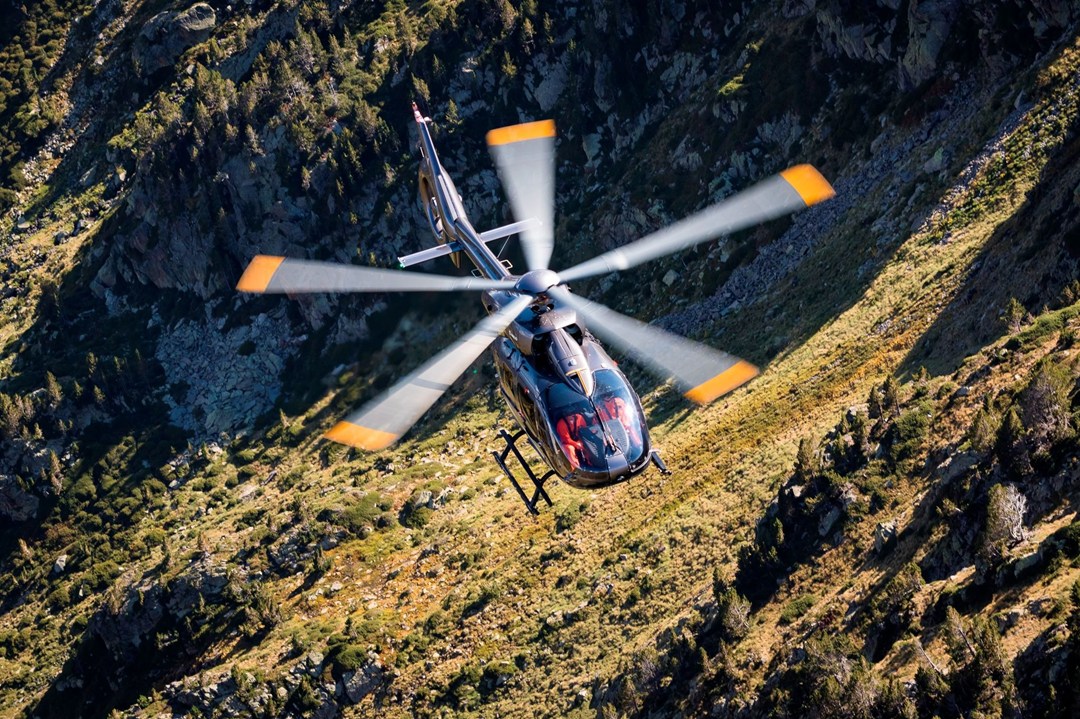
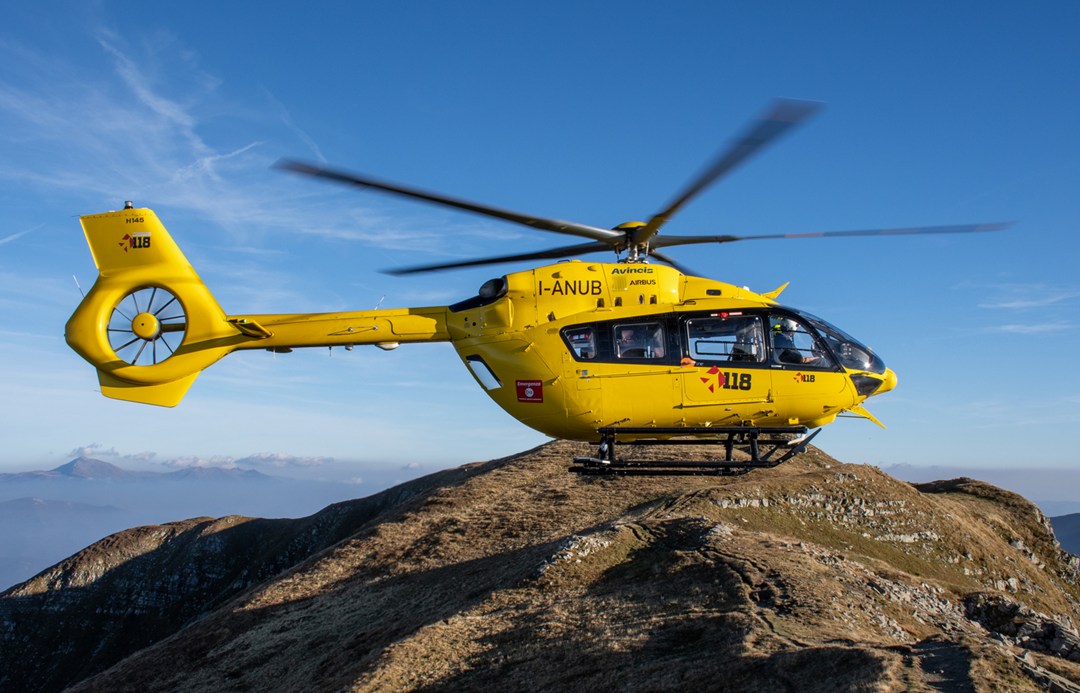
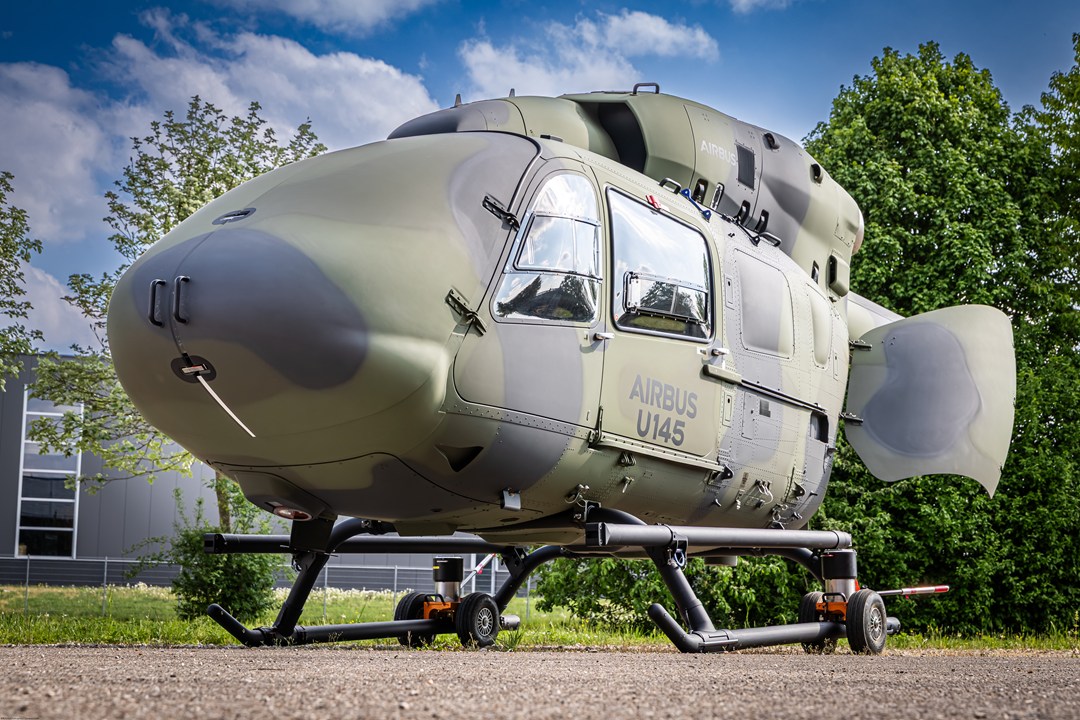
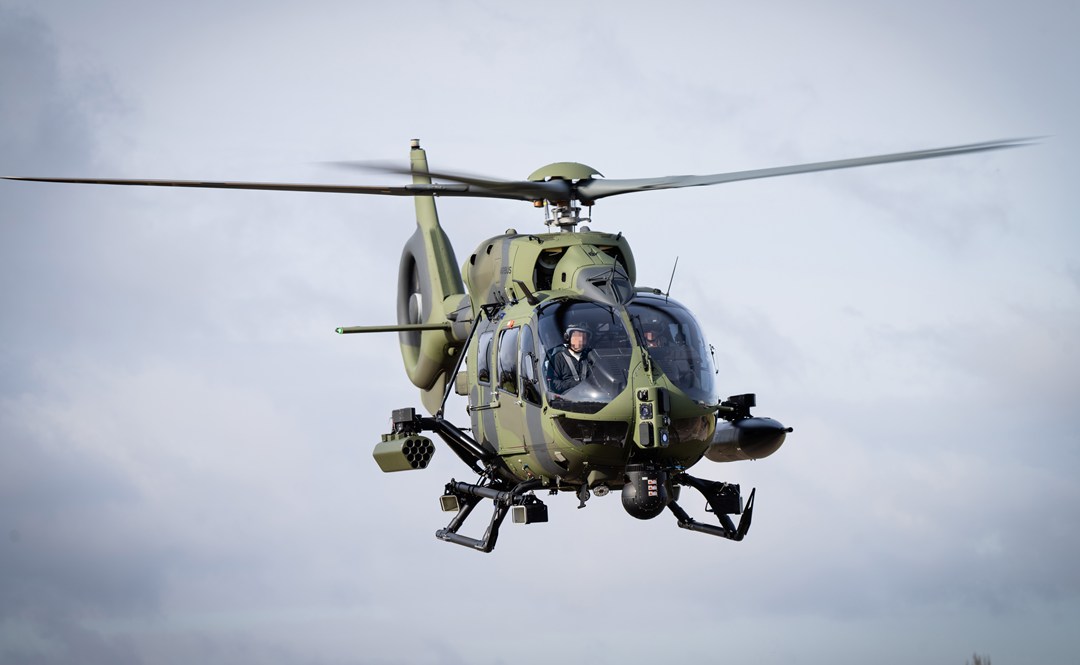

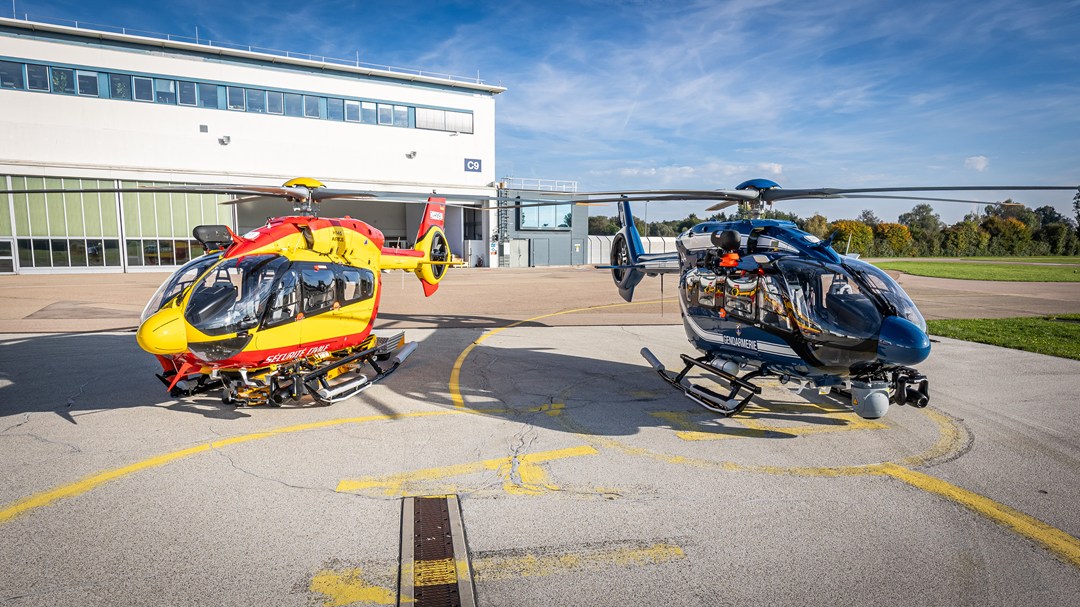
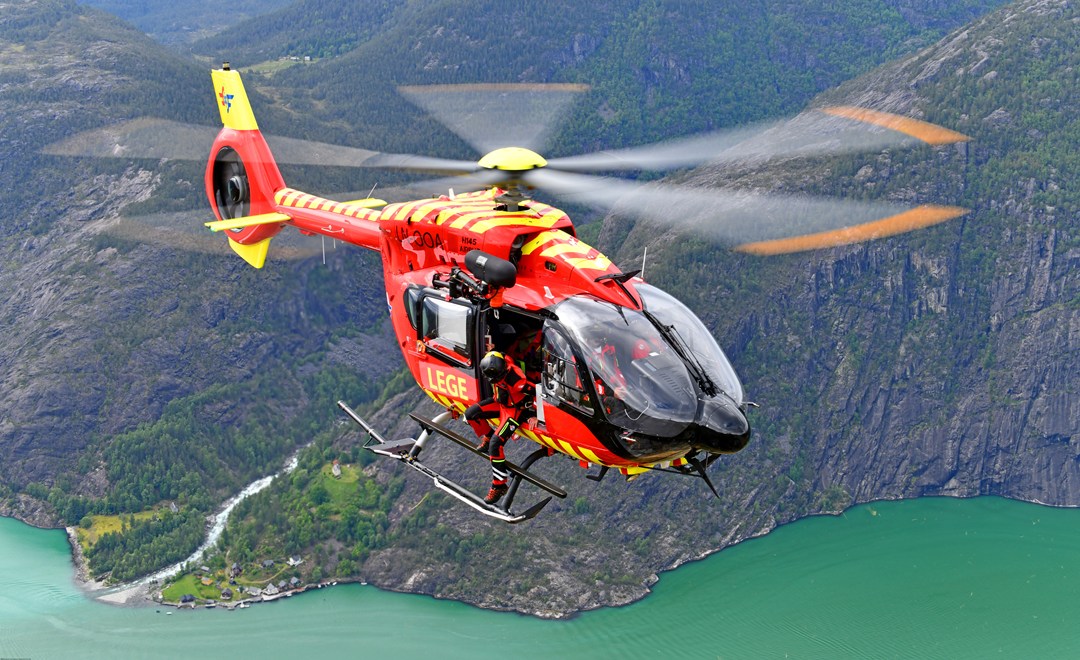
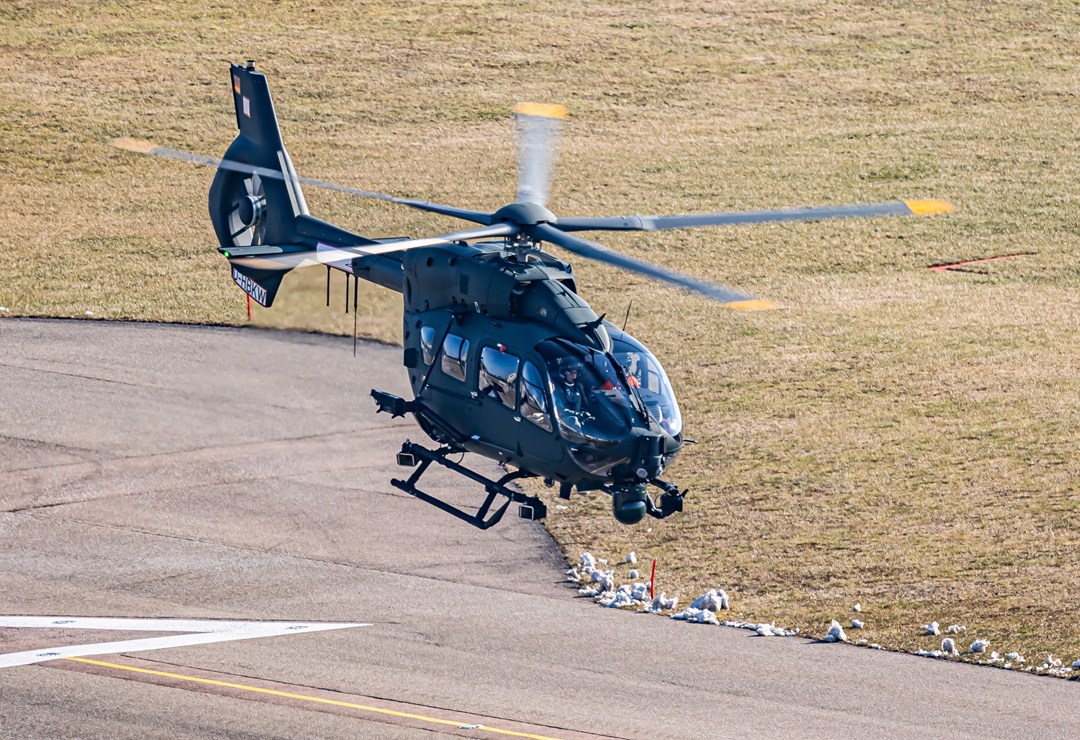
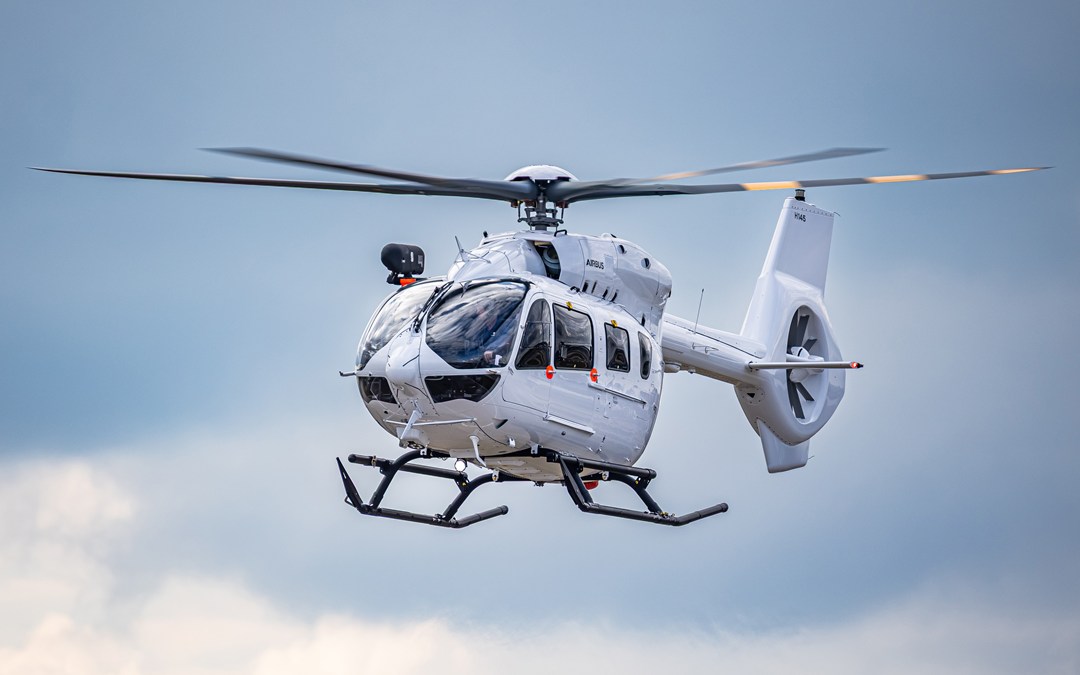
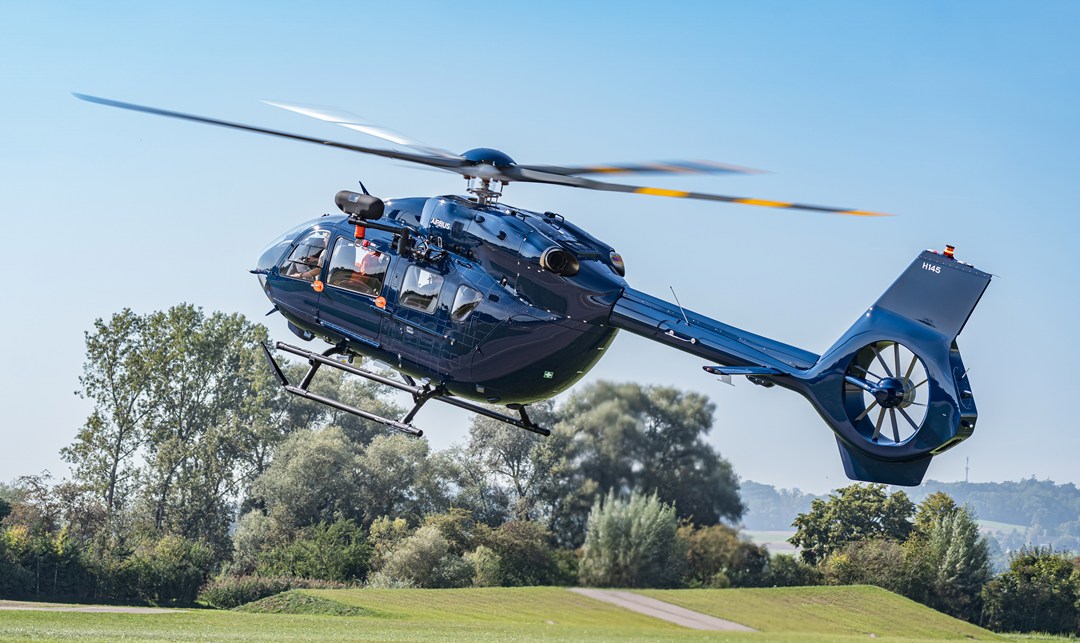
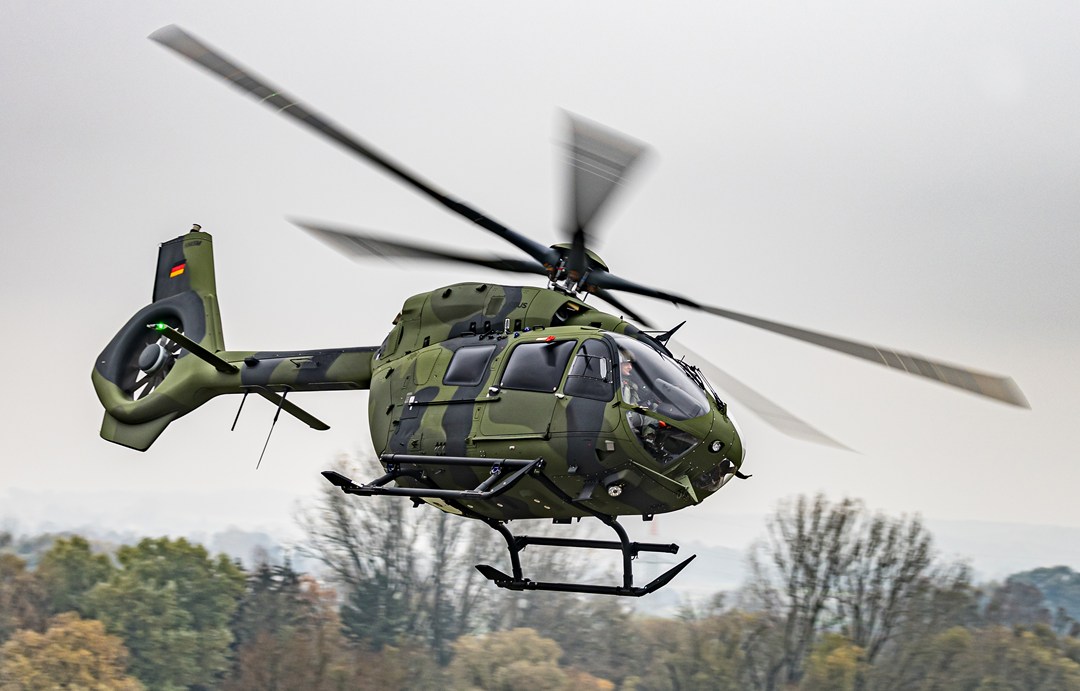
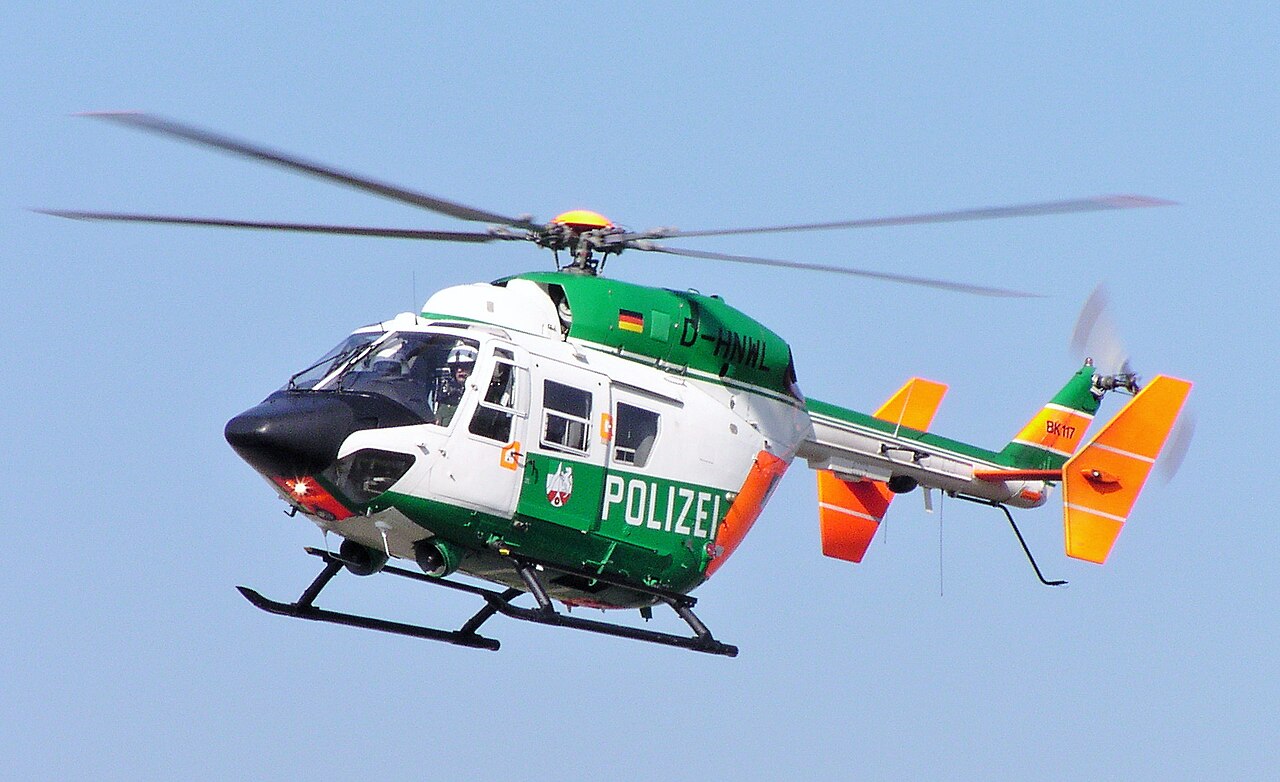
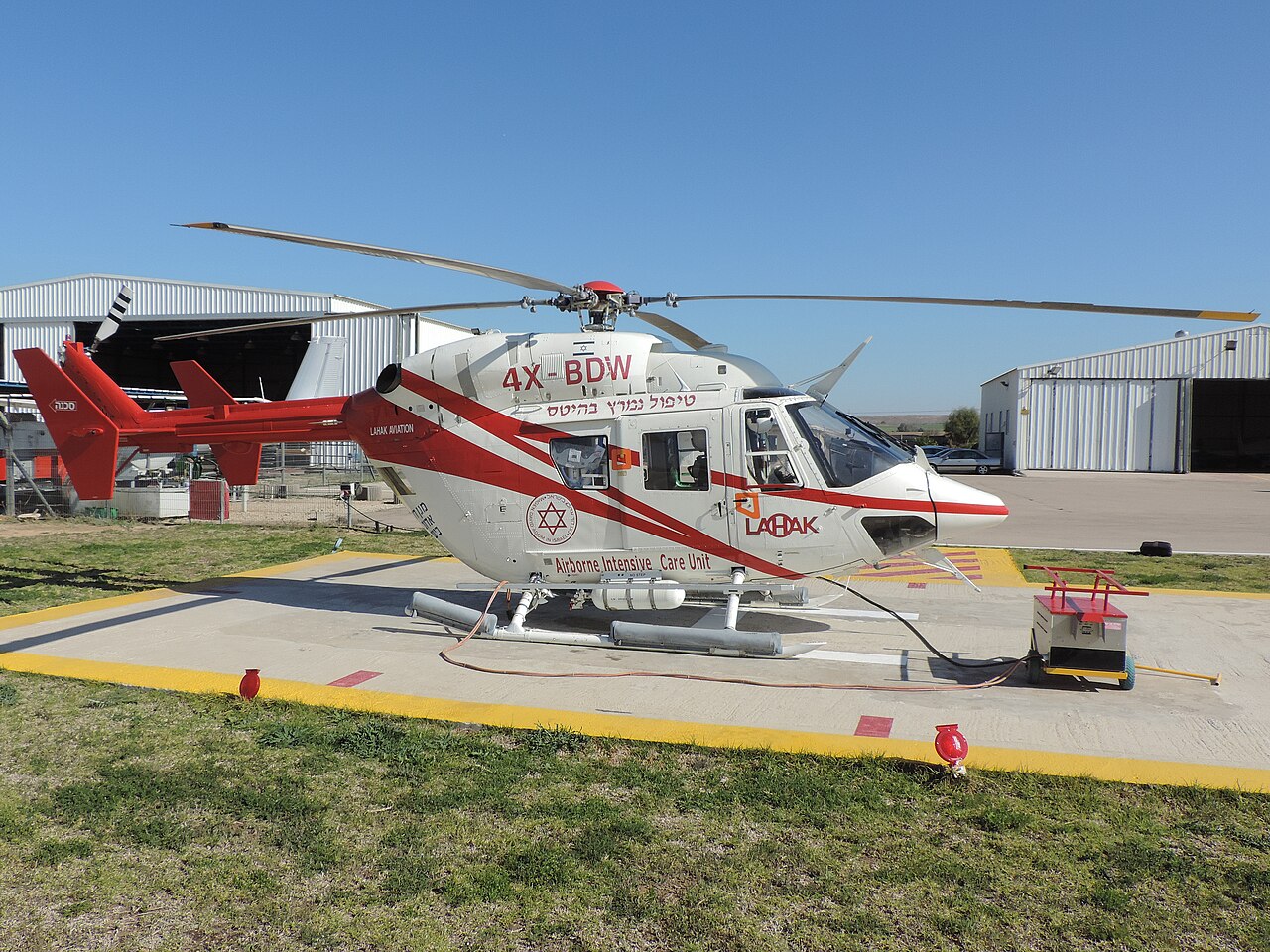
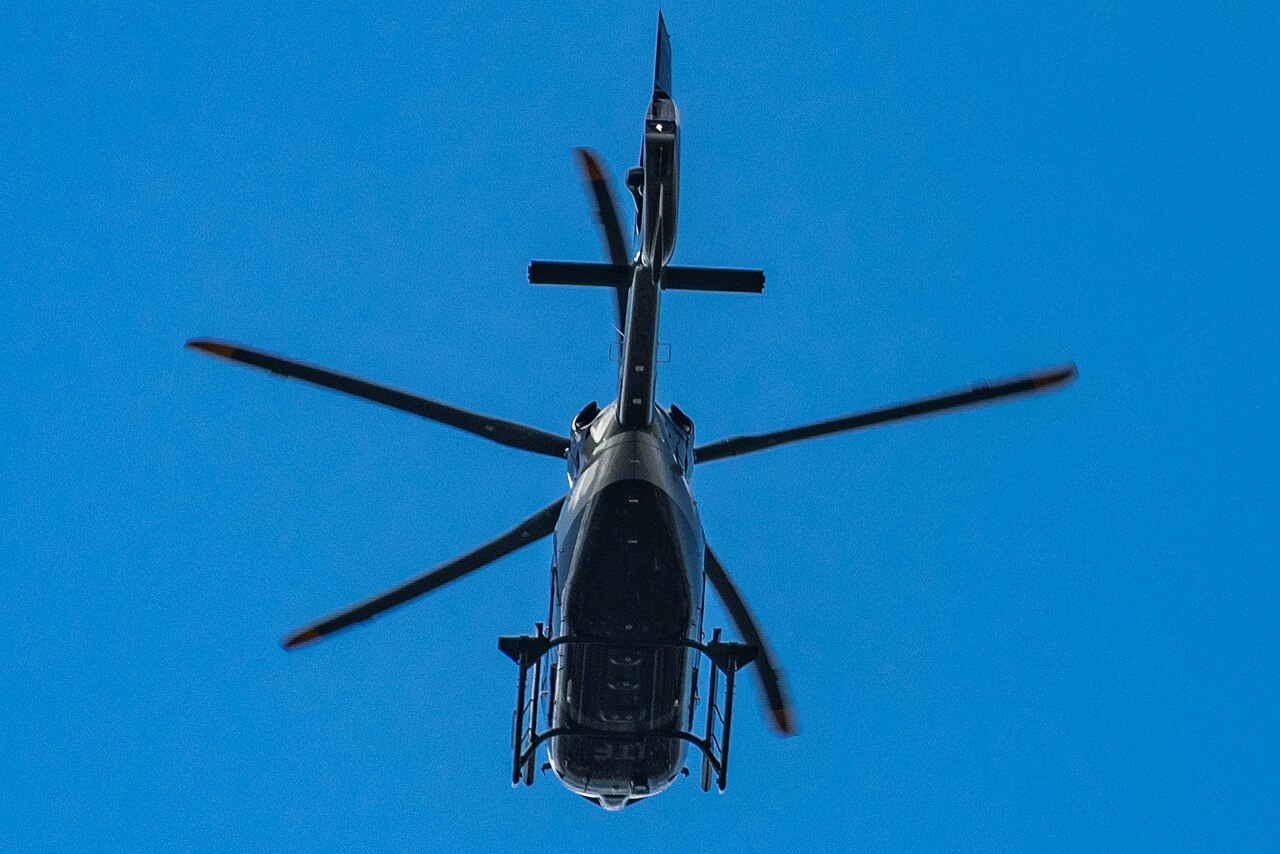
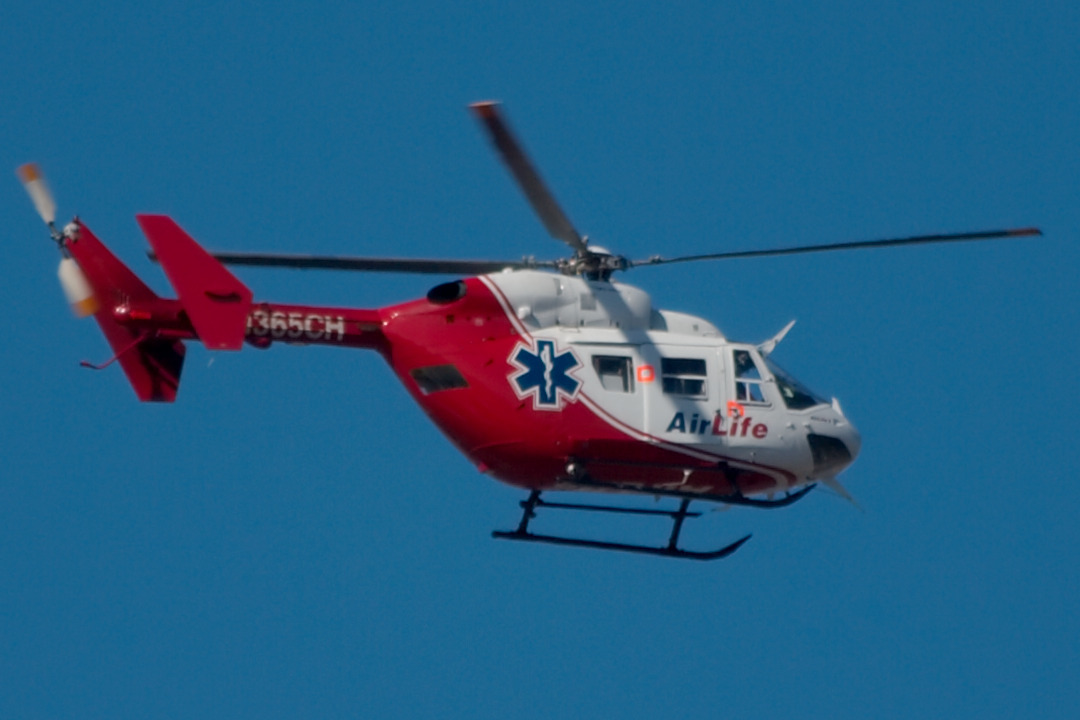
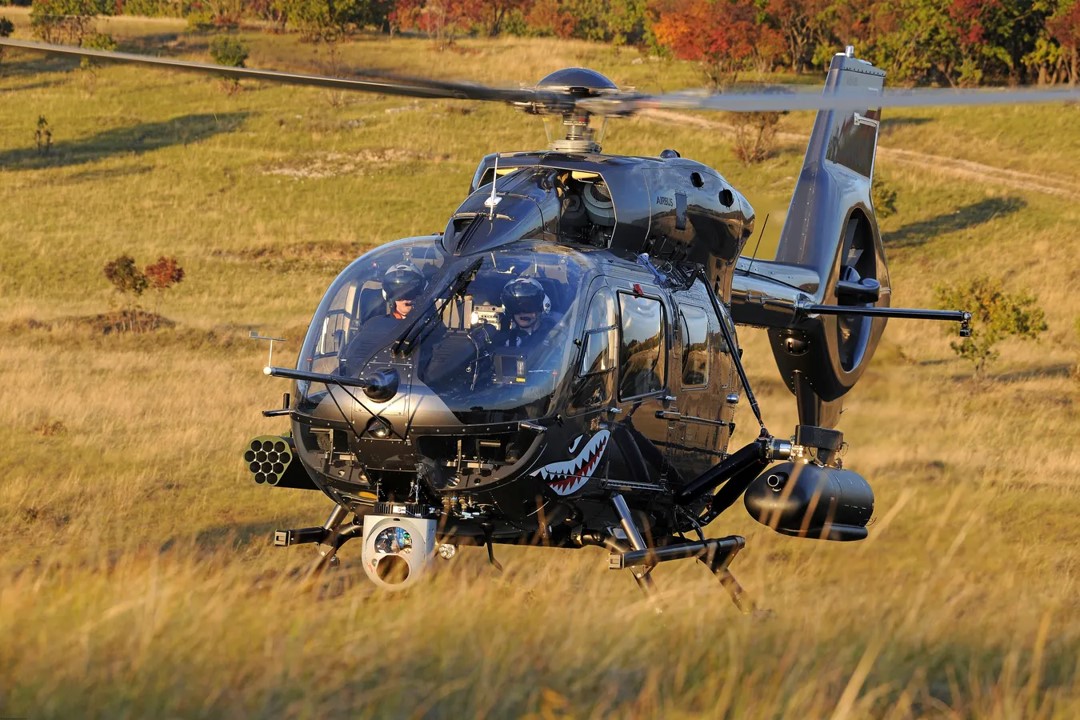
Eurocopter's EC 145 is based on BK 117 helicopter developed by MBB (now Eurocopter) of Germany and Kawasaki of Japan in the 1970s. There are many variants of BK 117 depending mainly on its motorization. The most recent version is the EC 145, also known as the BK 117C-2, was developed in parallel with Japanese Kawasaki Heavy Industries (KHI) and features near the same forward cabin from Eurocopter's EC 135 helicopter. The EC 145 is a twin-engine, medium weight-class (4-ton class), multi-purpose helicopter intended for the commercial market. It is powered by two Turbomeca Arriel 1E2 engines. Thanks to its spacious cabin and flat floor the EC 145 can be configured for passenger transport, search and rescue (SAR), emergency medical service and law enforcement. The helicopter is available with a digital glass cockpit for better ergonomics and reduced pilot's workload. Compared with BK 117C-1, the EC 145 features increased seating capacity for up to ten persons (one pilot plus nine passengers). Access to the cabin can be done through the lateral sliding doors and the rear loading doors. EC 145/BK 117C-2 has lower noise emission levels than the BK 117C-1 aircraft and it is below the requirements of the International Civil Aviation Organization (ICAO) for helicopters in its category (6.7 dB). In early 2005, Eurocopter had delivered 62 EC 145s logging more than 39,000 flight hours. A total of 19 EC 145 helicopters were delivered to end customers in 2005. Eurocopter proposed the UH-145 variant derived from EC 145 aircraft for the US Army Light Utility Helicopter (LUH) program in 2005.
deagel.com: https://www.deagel.com/x/x/a000112 Wikidata (https://www.wikidata.org/wiki/Q39893)