Su-24
Su-24

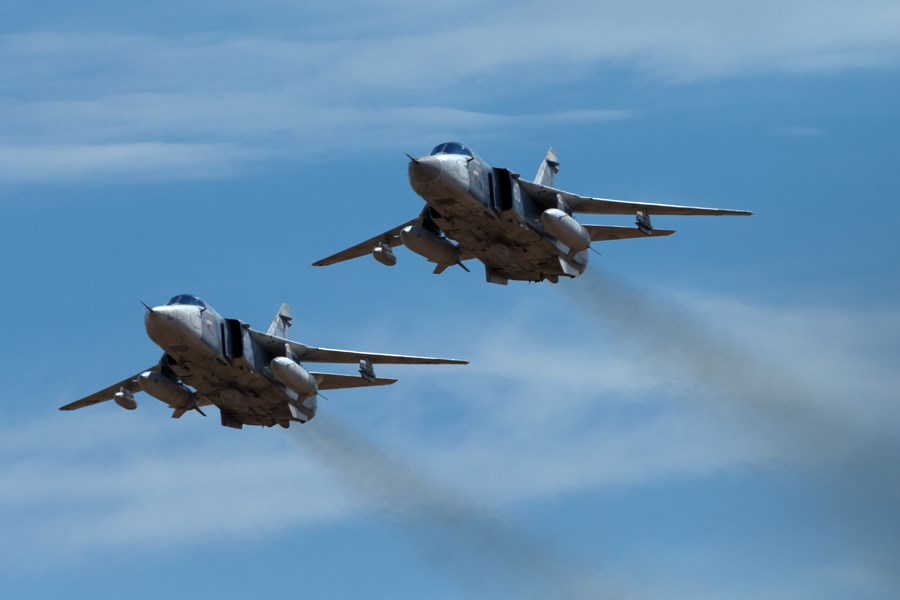

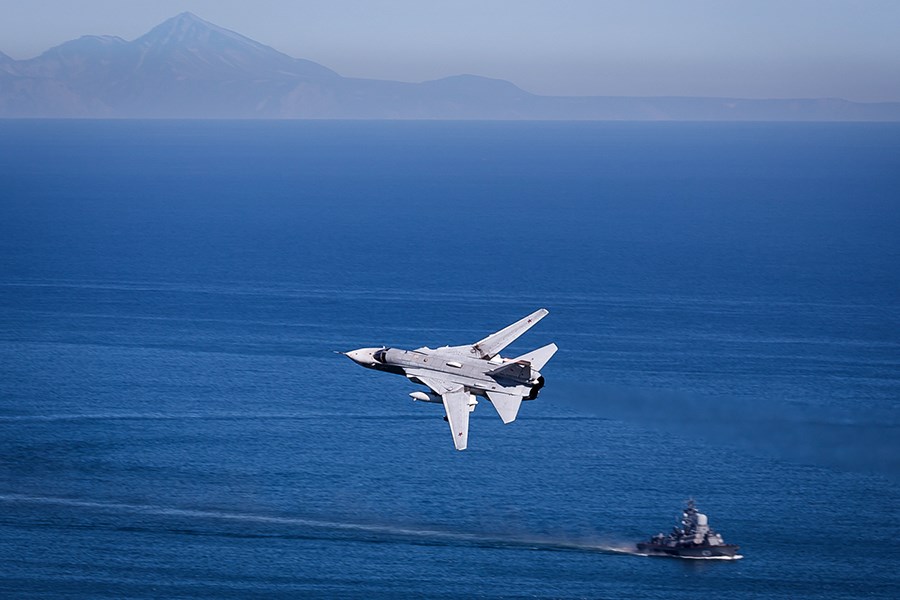
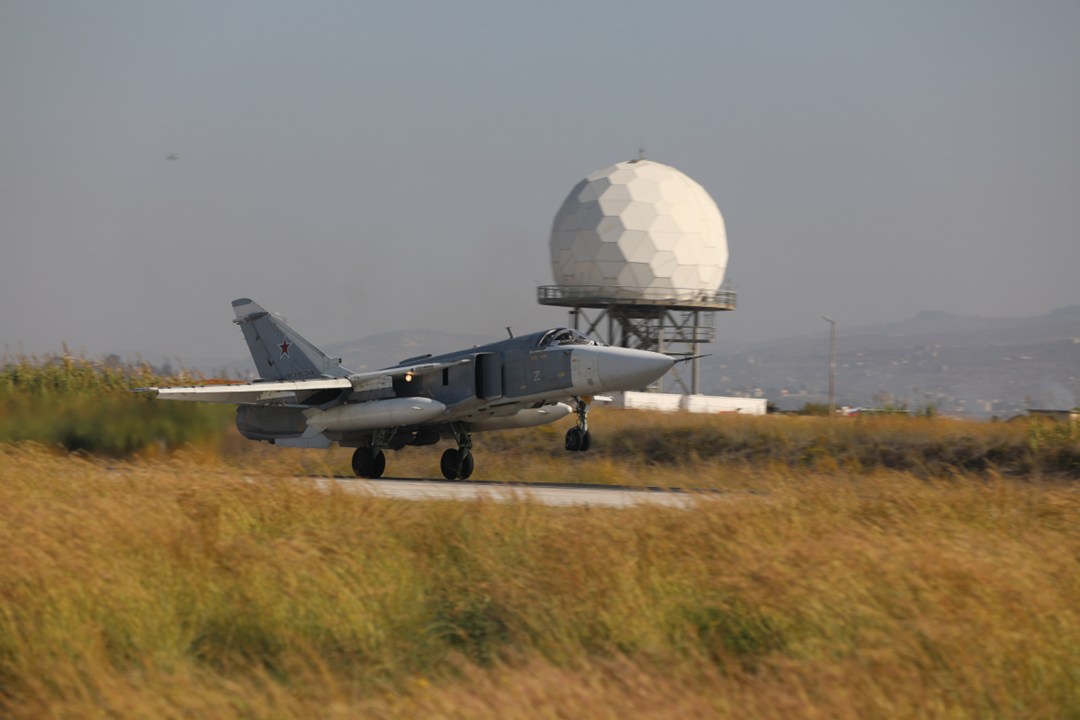
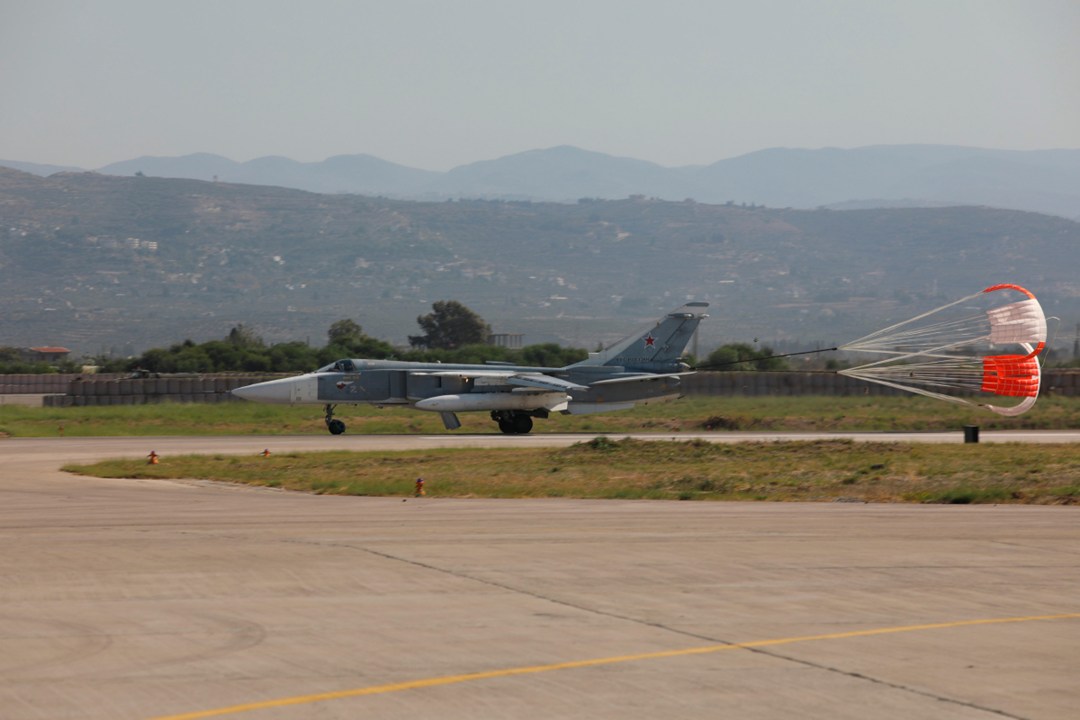
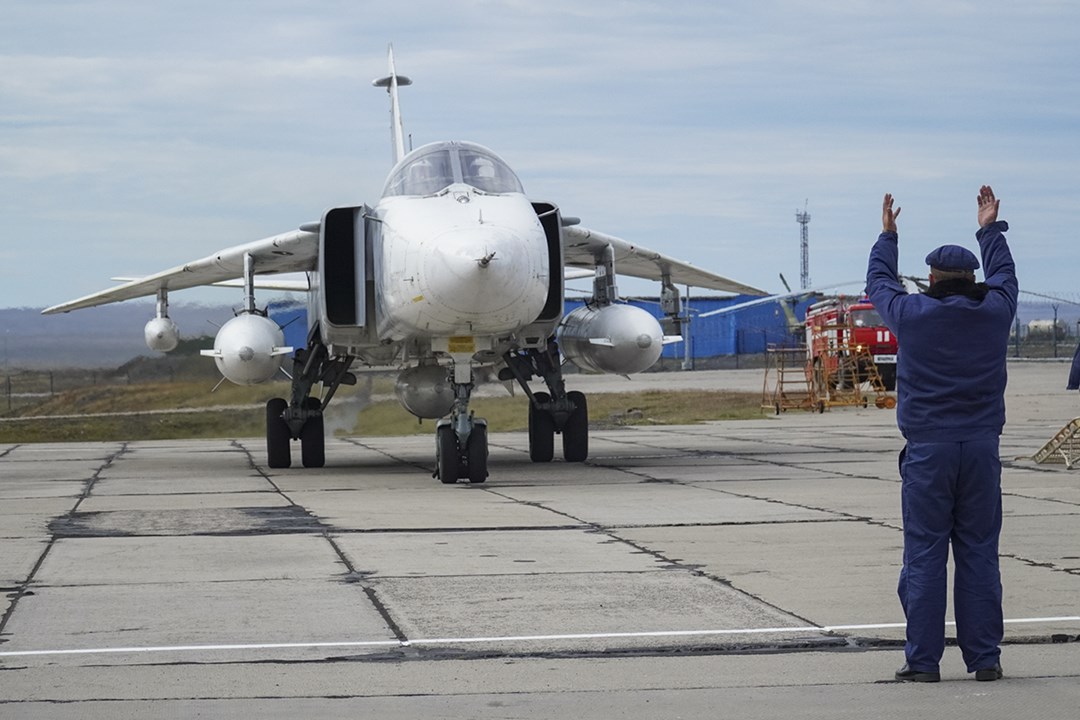
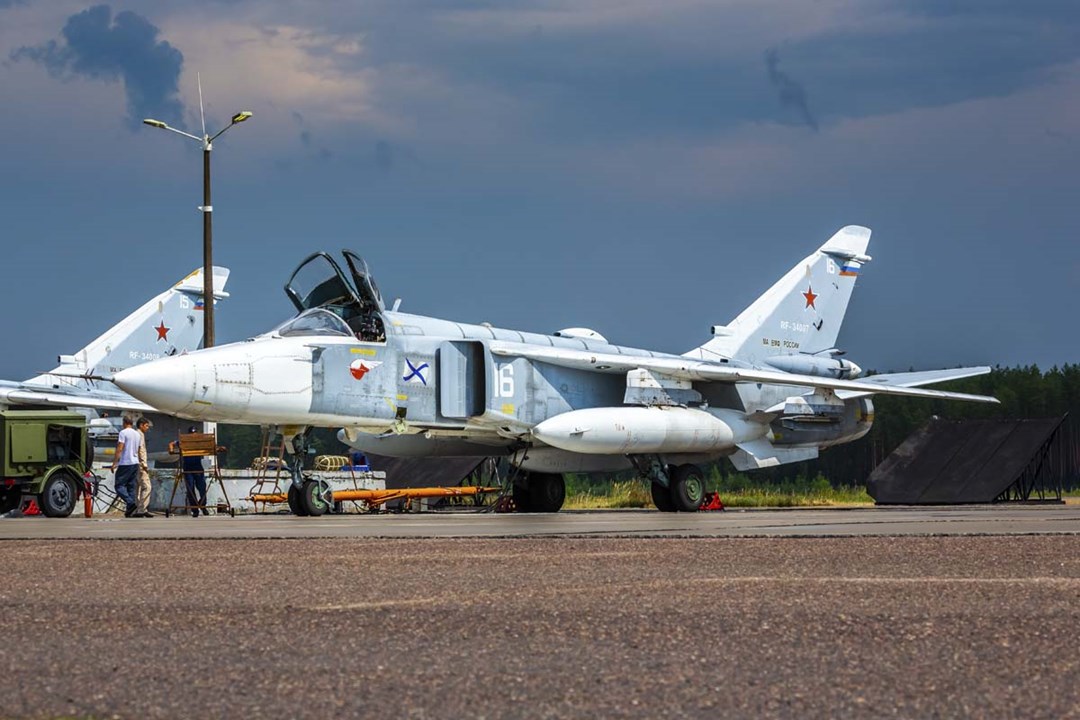
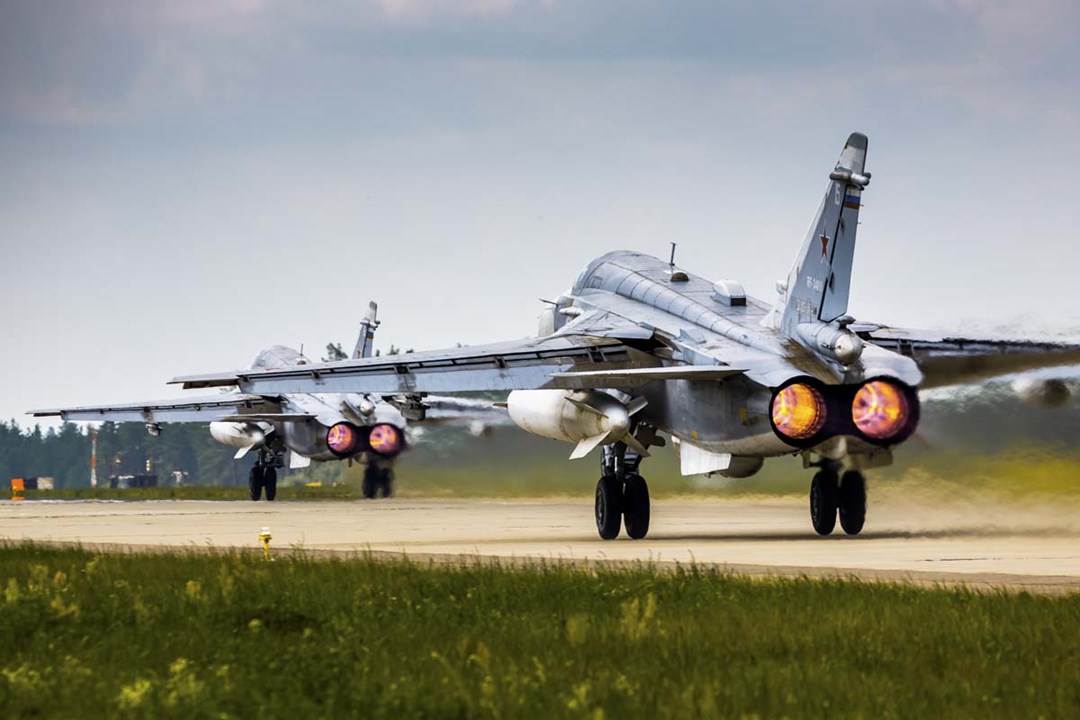

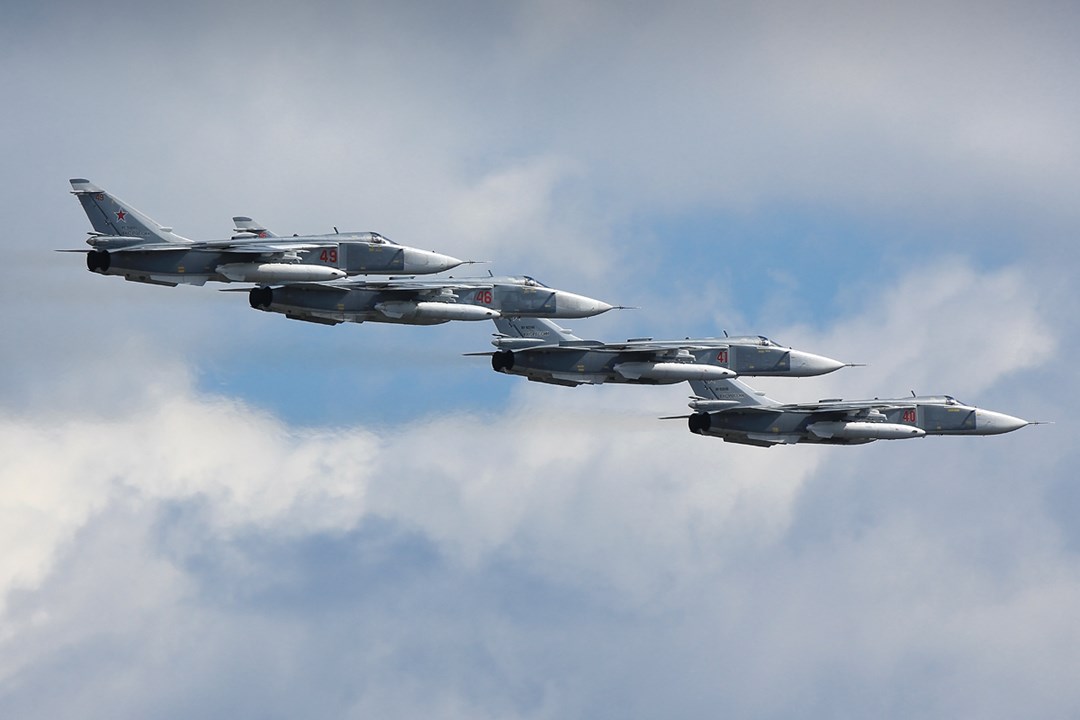
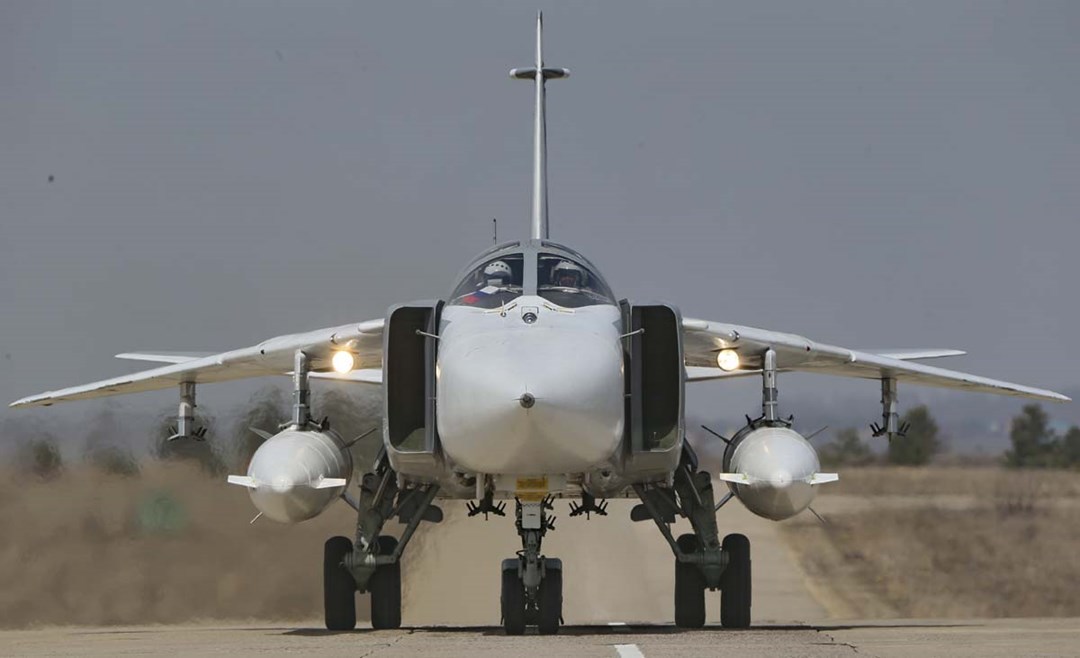
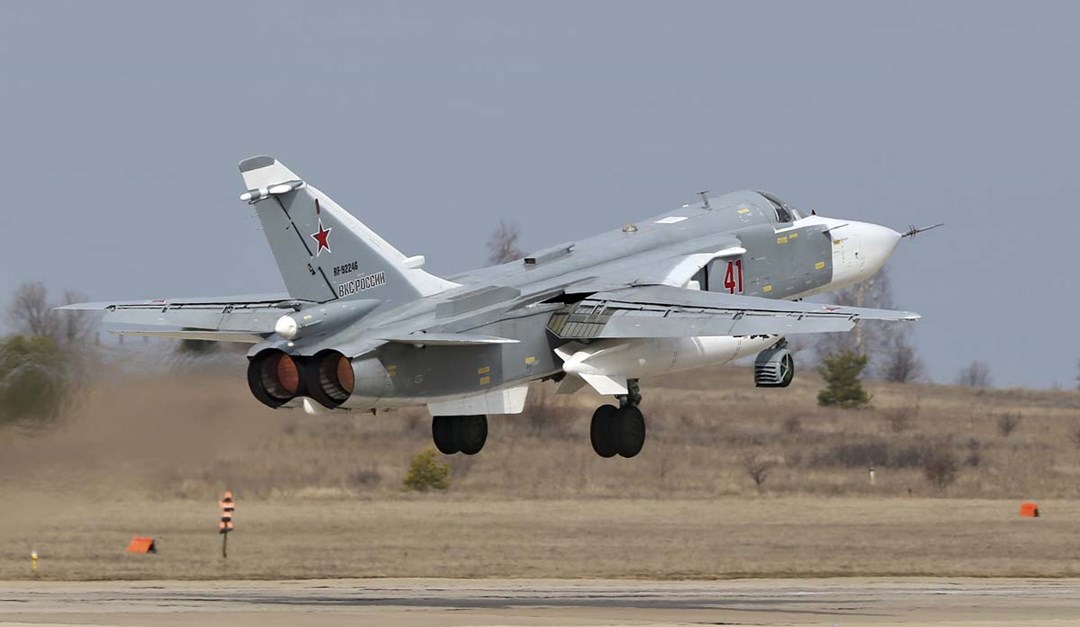
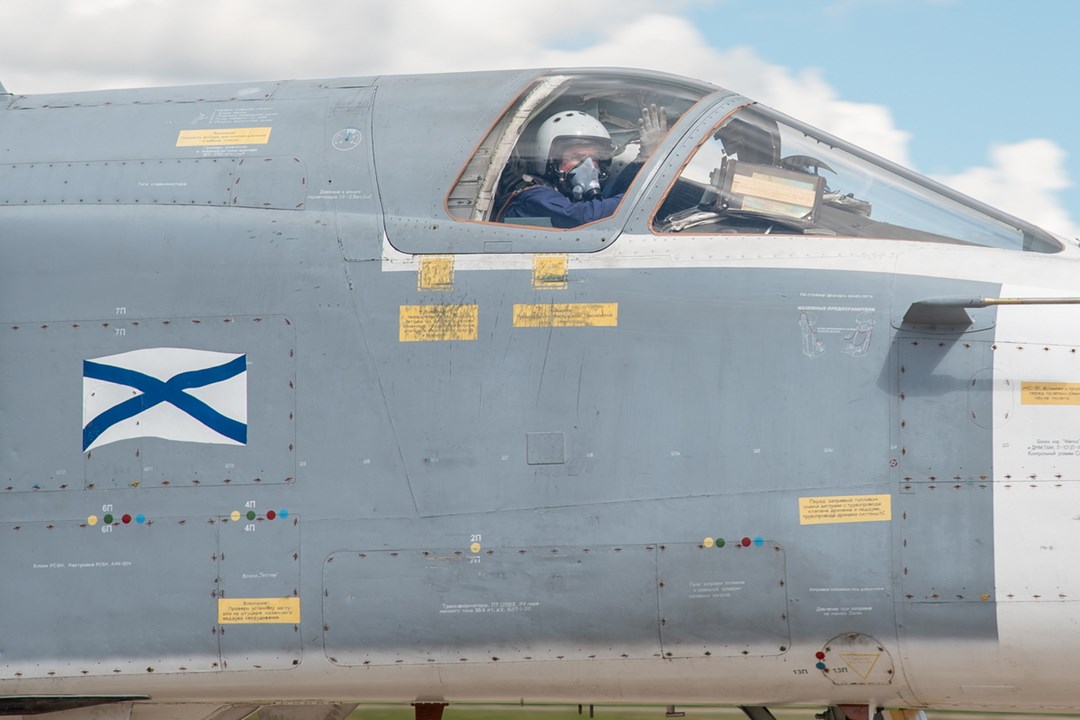

Su-24 is a twin-engine, two-seat, swing-wing, supersonic, low altitude strike aircraft deemed as the Soviet counterpart to American F-111. It was the first Soviet tactical attack aircraft entitled to deliver a wide range of smart/guided bombs and missiles. NATO nicknamed this aircraft as Fencer. It is powered by two AL-21F turbofan engines each rated at 25,000-lb of thrust. Su-24s were deployed by Soviet and Russian forces in Afghanistan and Chechnya. The Su-24M is an improved strike variant and Su-24MK is its export counterpart. Su-24M features in-flight refueling using a nose probe which connects to Il-78 Midas tanker aircraft. Su-24MR is a reconnaissance variant. Su-24MP provides Electronic Warfare (EW) and Signals Intelligence (SIGINT) capabilities and was produced in small numbers. A dedicated anti-ship was also developed for the Soviet Navy. Russian Air Force Su-24s should be replaced by Su-32/34 tactical fighter-bomber before 2020. On April 17, 2014, two Russian Air Force Su-24 bombers with no weapons loaded were sent to intercept the US Navy's AEGIS-equipped destroyer USS Donald Cook in the Black Sea. One of them flied around the destroyer up to 12 times while the other one remained away as done usually by both sides during the Cold War period. Unconfirmed reports suggest that the Su-24s were equipped with the Khibiny EW system and were able to neutralize the AEGIS phased array radar target tracking capabilities while the ship's crew was unable to re-boot the system. It is not clear whether the jammer affected the radar system itself or only the computer-based component or either both at the same time. The KRET Corporation confirmed that the incident occurred but the Khibiny jamming pod was not involved.
deagel.com: https://www.deagel.com/x/x/a000750