Type 091 Class (Han Class) Chinese Nuclear Attack Submarine
Type 091 Class
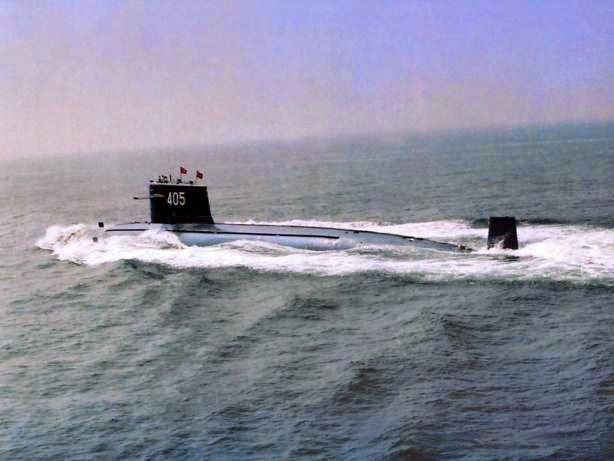
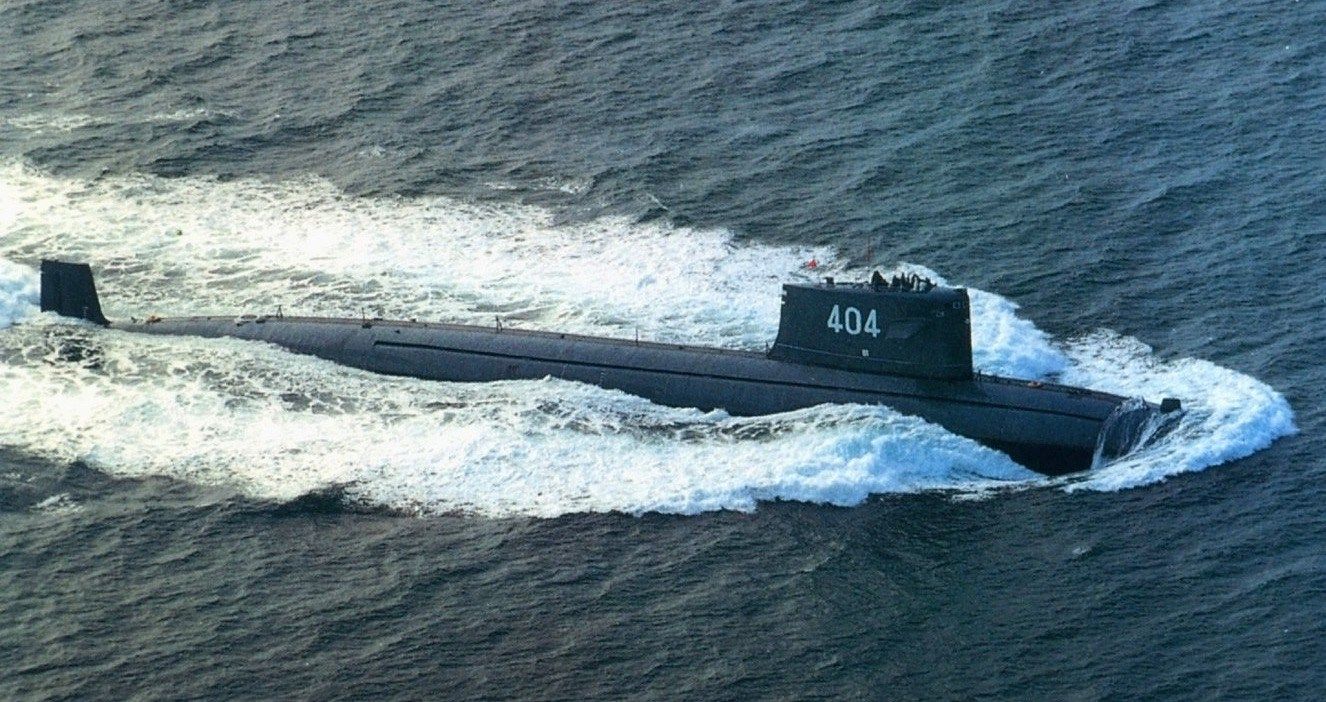
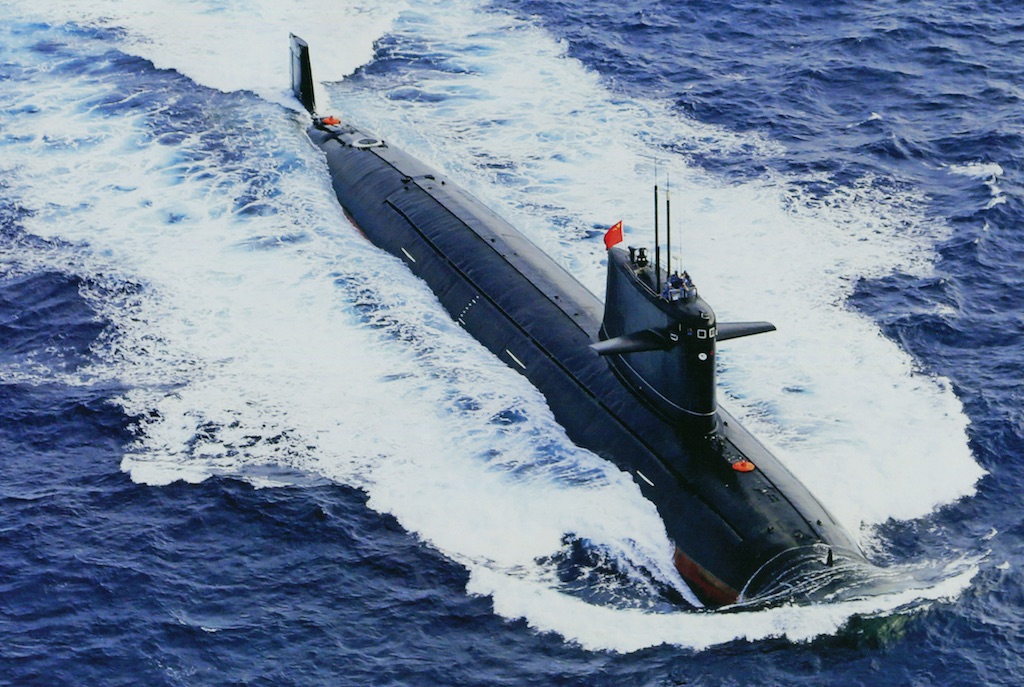
The Type 091 Class (Han Class) Chinese Nuclear Attack Submarine is a first-generation nuclear attack submarine produced by the People's Republic of China. They were the first nuclear-powered submarine employed by the People's Liberation Army Navy Submarine Force, and the first indigenously produced nuclear attack submarines in Asia. The Chinese naval nuclear power program started in July 1958 when the Central Military Commission gave the approval to start the 091 submarine project. Mao Zedong declared that China would build nuclear attack submarines even if it took ten thousand years. Peng Shilu was the first chief designer of this project. The first submarine in the class, the Long March I, was commissioned in 1974; the last was launched in 1990. In 1983, Peng shifted from the military to the civilian sector in the application of nuclear power plants, and his duty at the nuclear submarine project was succeeded by Huang Xuhua. The Type 091 has operated mainly in local waters and has appeared in incidents. One submarine shadowed a U.S. carrier battle group in the mid-1990s. Another entered Japanese territorial waters through the Ishigaki, Okinawa island group near Taiwan in November 2004, causing Japan's maritime forces to go on alert for the second time since the Second World War; China apologized for the trespass and blamed "technical reasons" on the submarine. The boats have received major upgrades and numerous refits since commissioning. They have six 533 mm (21 in) torpedo tubes and carry 20 torpedoes. Alternatively, they can carry 36 mines in their tubes. It is capable of firing sub-launched variants of the C-801 anti-ship missile as well as a range of indigenous and Russian torpedoes or mines. All remaining hulls have been refitted with new sonars, with Type H/SQ2-262B sonar manufactured by No. 613 Factory replacing the original Type 603 sonar on board. Anechoic tiles were added later to reduce noise levels.