Stryker
Stryker

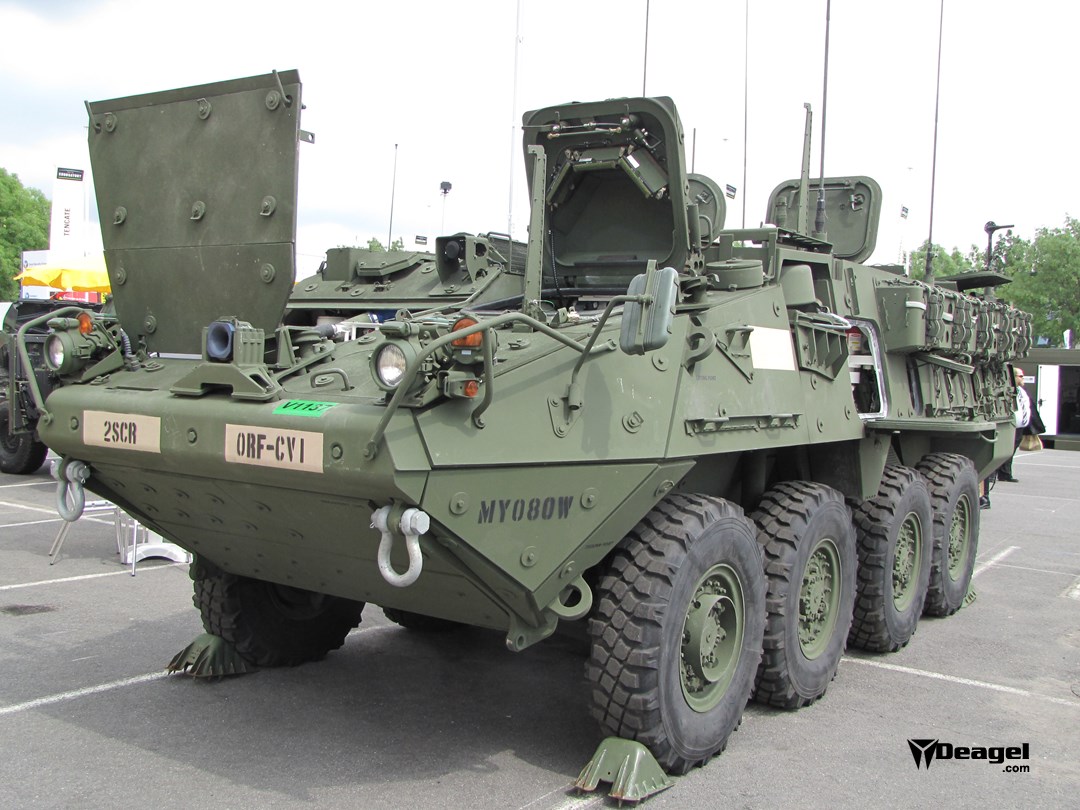
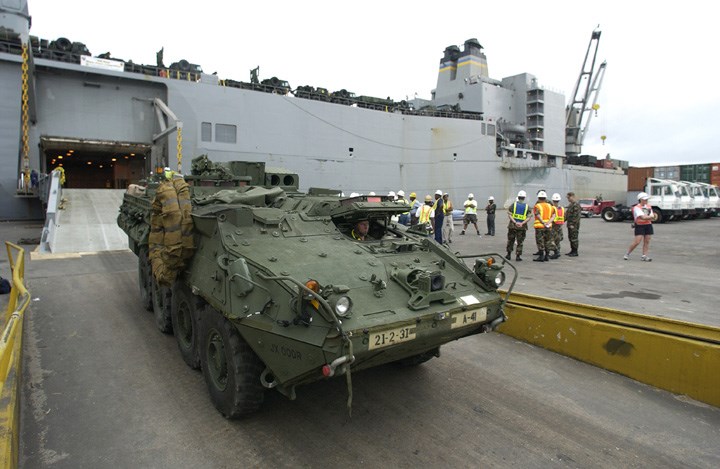
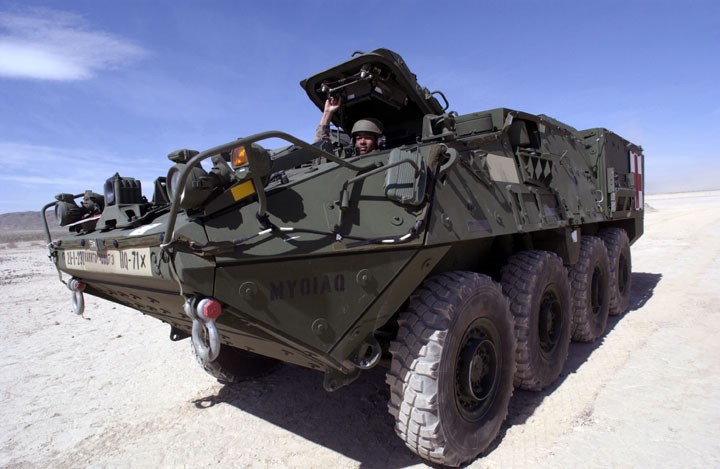
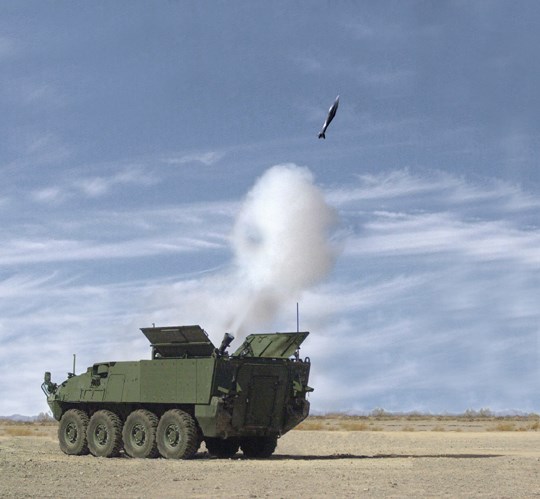

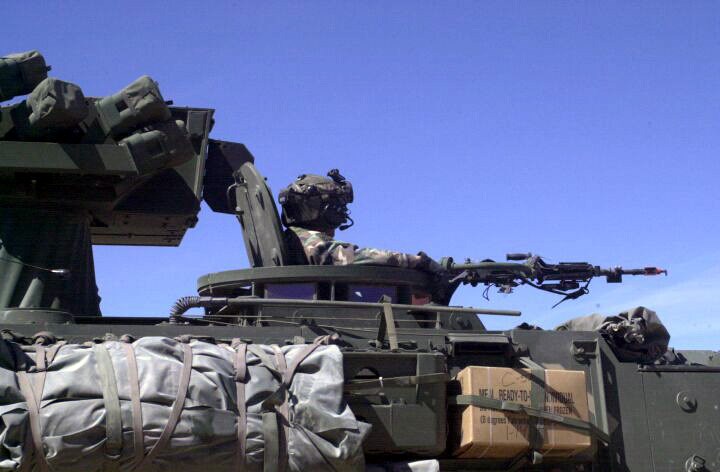
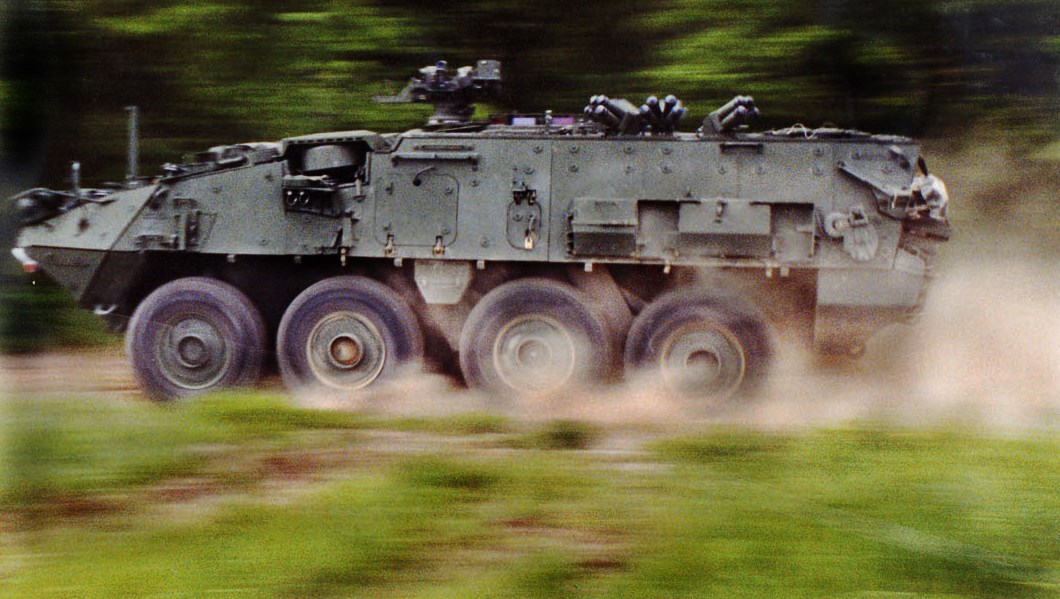
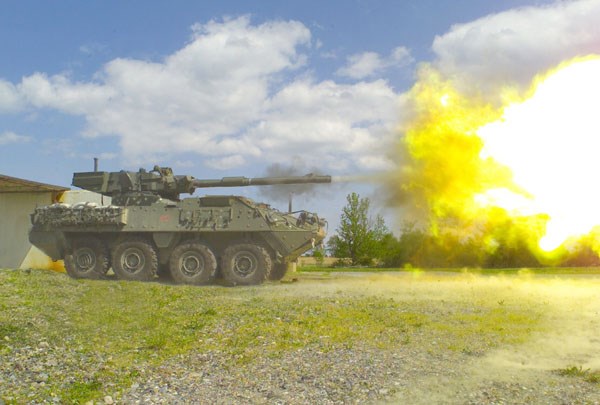

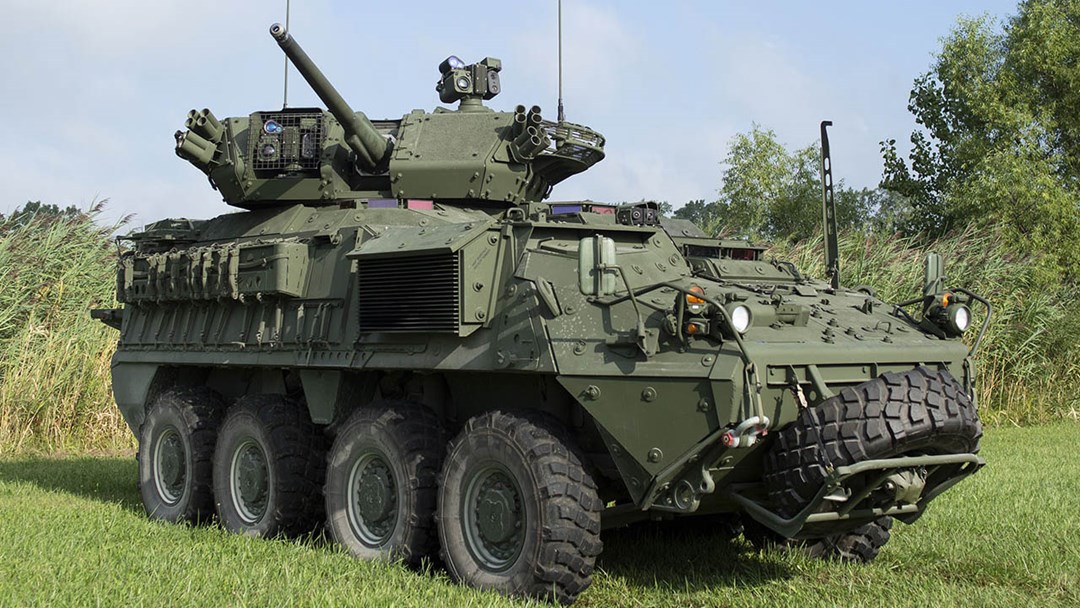
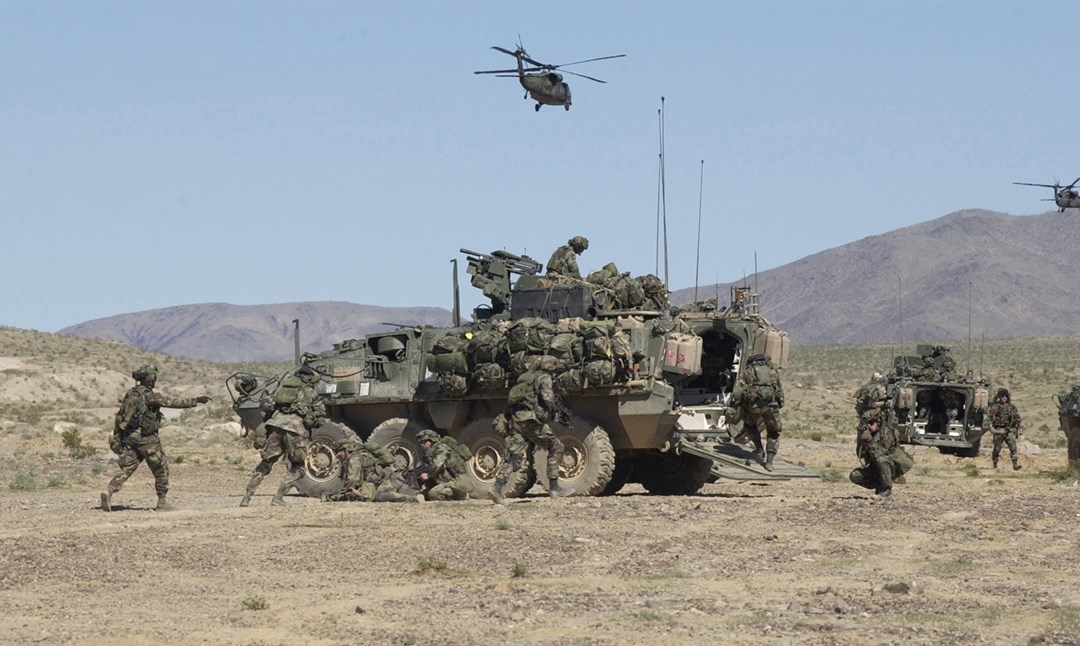


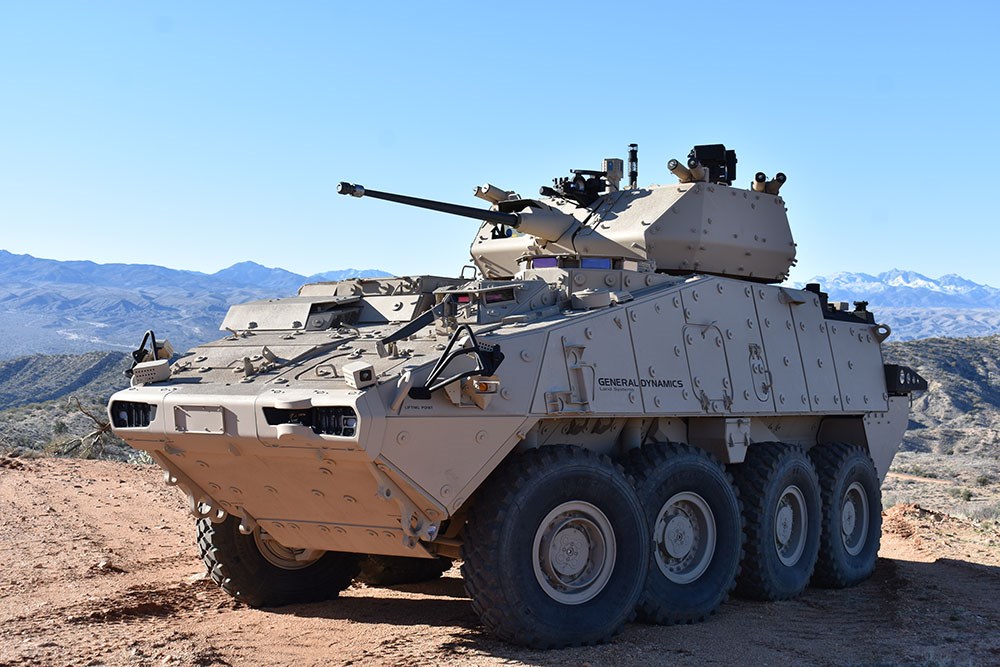
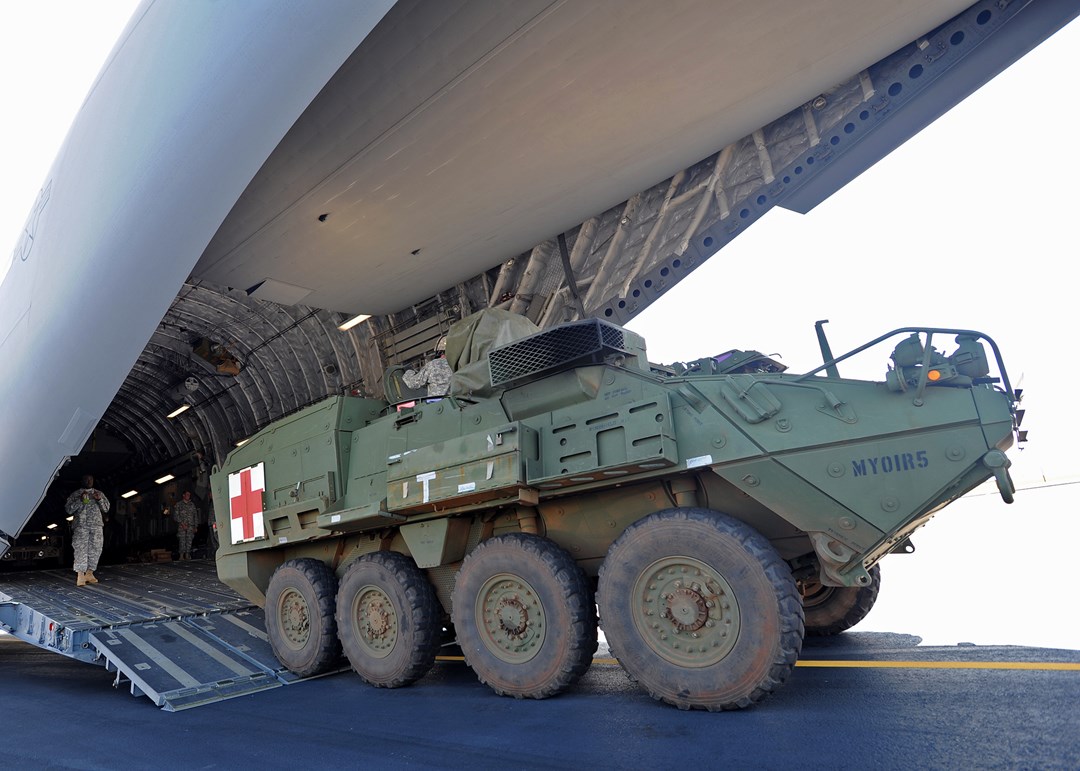
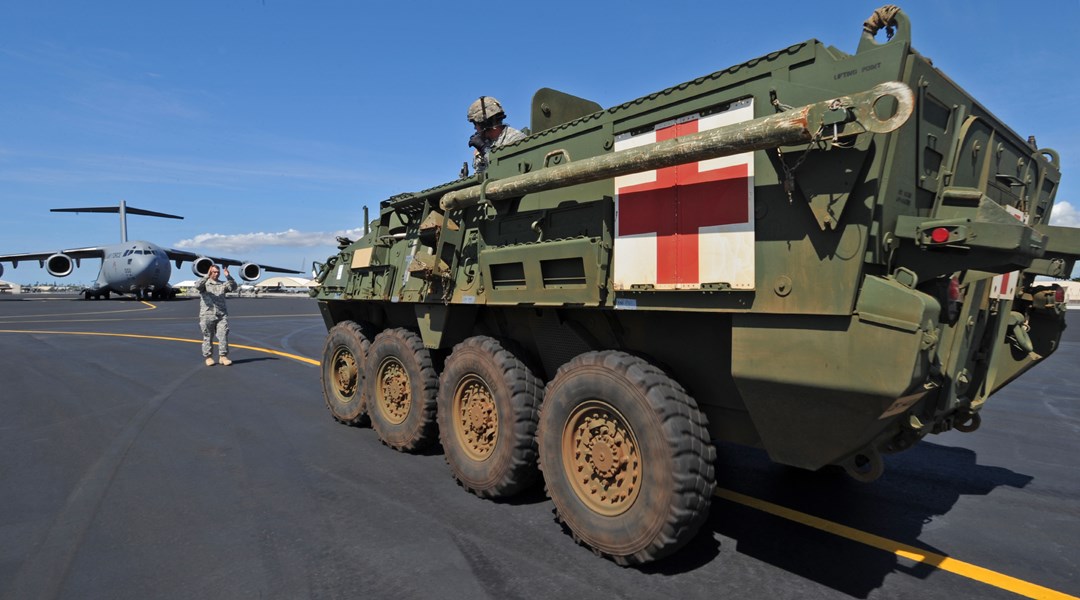
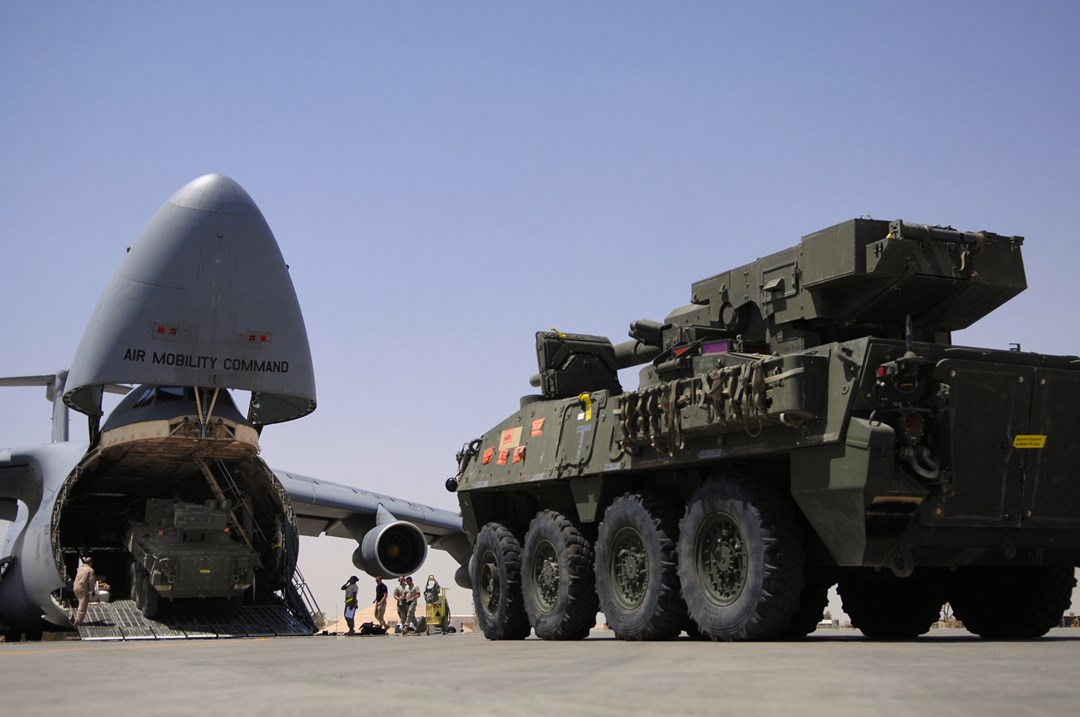

The Stryker vehicle is the result of lessons learned by the US Army during the Gulf War in 1991. Current light divisions are deployable but they can not stand up armored forces. On the other hand, current heavy divisions equipped with Abrams and Bradley tanks can defeat any armored forces but they need months to be deployed (the US Army requested 6 months to build up the heavy forces that defeated Saddam Hussein). The Stryker meets both requirements deployability/mobility, and lethality/survivability. The US Army original plans were to procure up to 2,131 Stryker vehicles to equip six Interim Brigades Combat Teams (IBCT) through 2008. The estimated cost of the Stryker, originally named Interim Armored Vehicle (IAV), program was $4 billion. Each Interim Brigade will feature more than 300 Stryker vehicles and the first one (3rd brigade, 2nd infantry division) will achieve operational capability in 2003. Finally the US Army procured more than 4,700 Stryker vehicles. The Stryker armored vehicle weighs no more than 38,000 pounds, can be airlifted by a single C-130 aircraft, and has enough armor to stop small arms fire. There are 10 variants of the Stryker vehicle: Infantry Carrier Vehicle, Mobile Gun System, Anti-Tank Guided Missile Vehicle, Reconnaissance Vehicle, Fire Support Vehicle, Engineer Squad Vehicle, Mortar Carrier Vehicle, Commander's Vehicle, Medical Evacuation Vehicle, and the NBC Reconnaissance Vehicle. Each vehicle provides all around 14.5mm integral protection, RPG-protection through add-on armor, overhead 152mm HE airburst and NBC protection, as well as individual crew respirators and reduced thermal and acoustic signatures.
deagel.com: https://www.deagel.com/x/x/a000514