Terrier British Armored Engineer Vehicle
Terrier

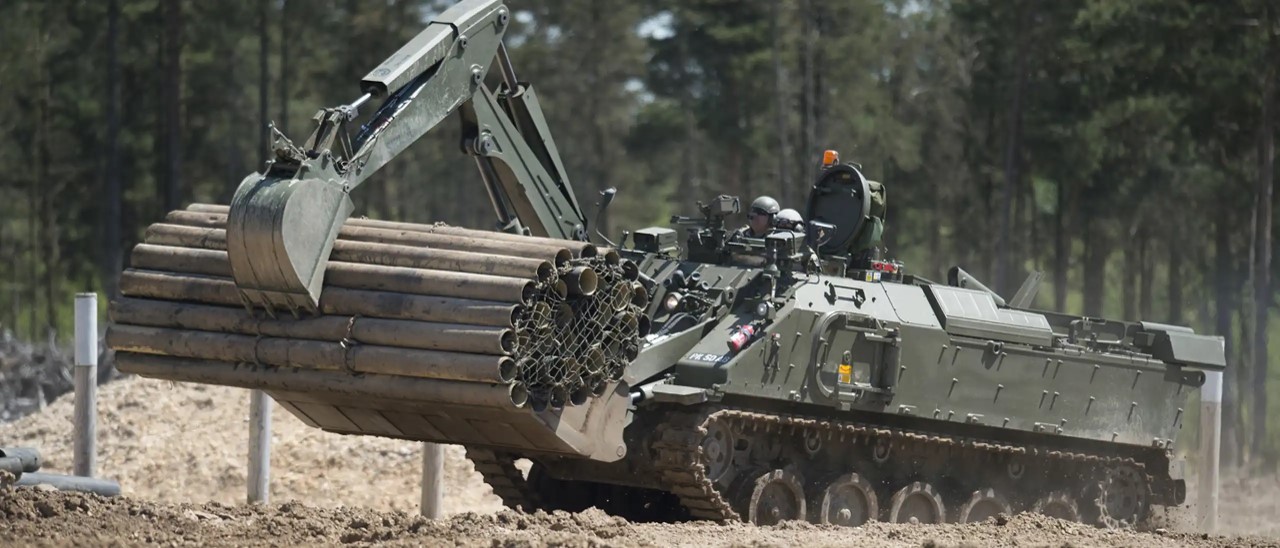
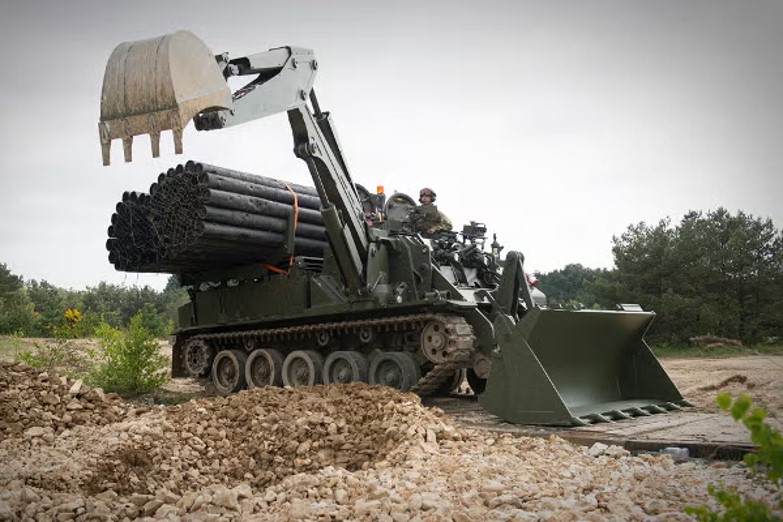
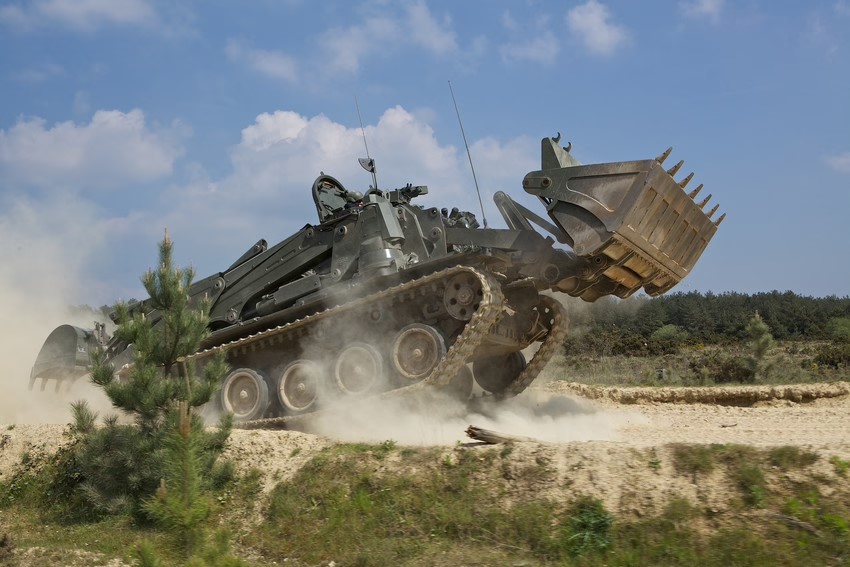
The Terrier British Armored Engineer Vehicle (AEV) is a medium-weight armored combat engineer vehicle developed by BAE Systems for the British Army's Royal Engineers. It represents a significant advancement over its predecessor, the FV180, and sets new standards in combat engineering capability. The vehicle incorporates an integrated drive-by-wire architecture, enabling complete remote operation from up to 2 kilometres away using secure wireless control that is functionally equivalent to an Xbox controller. This remote operation capability enables the Terrier to operate in hazardous environments such as minefields, chemically contaminated areas, and counter-IED scenarios where human exposure is unacceptable. The modular design allows for rapid reconfiguration to meet diverse mission requirements. The primary tasks of the Terrier include: Obstacle and mine clearance Antitank ditch and trench excavation Route establishment and maintenance Combat earth-moving and fortification construction Gap crossing using pipe fascine deployment Demolition and concrete penetration (rock hammer attachment) Humanitarian assistance and debris clearing The Terrier sets several industry precedents: it is the first combat engineer vehicle with integrated drive-by-wire technology, the first AEV with a fully electronic open architecture that enables robotic integration, and the first medium-weight AEV to achieve air transportability without compromising protection or capability. These design features establish the platform as a benchmark for 21st-century combat engineering, particularly for NATO operations that require rapid deployment and sustained engineering support in expeditionary environments. Future development initiatives include autonomous operation, integration of active protection systems, enhanced survivability features such as RBSL's Telford Enhanced Reactive Armour, advanced sensors, and next-generation engineering attachments. These enhancements are intended to ensure the platform remains operationally relevant for mid-21st-century operations.