Mi-26
Mi-26
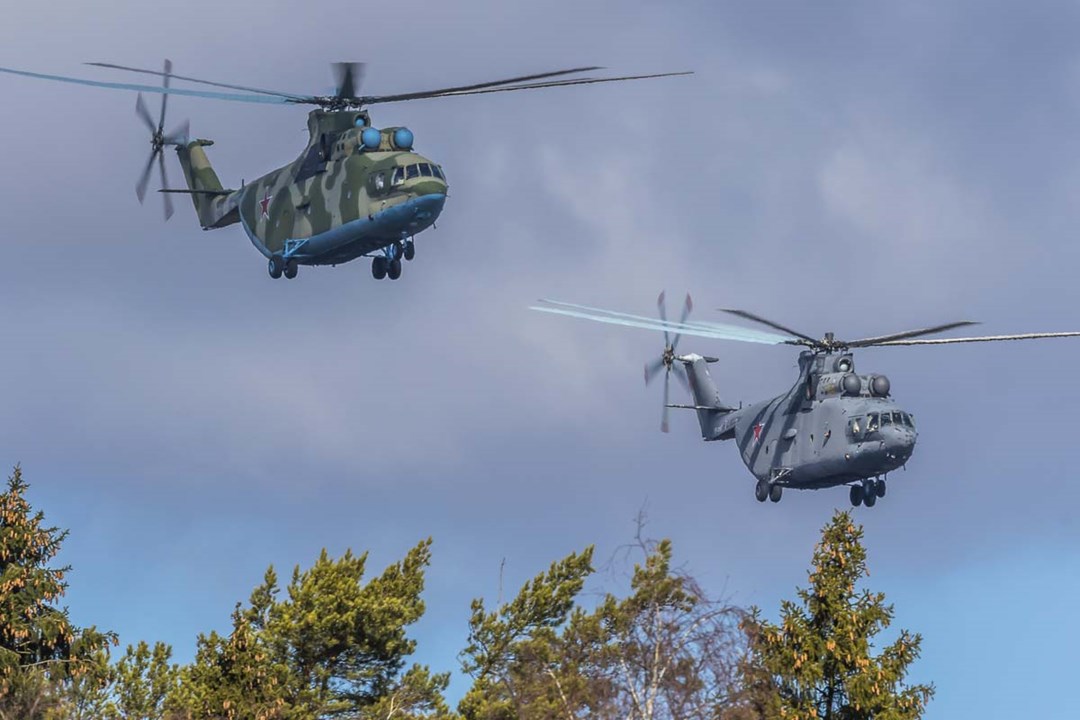


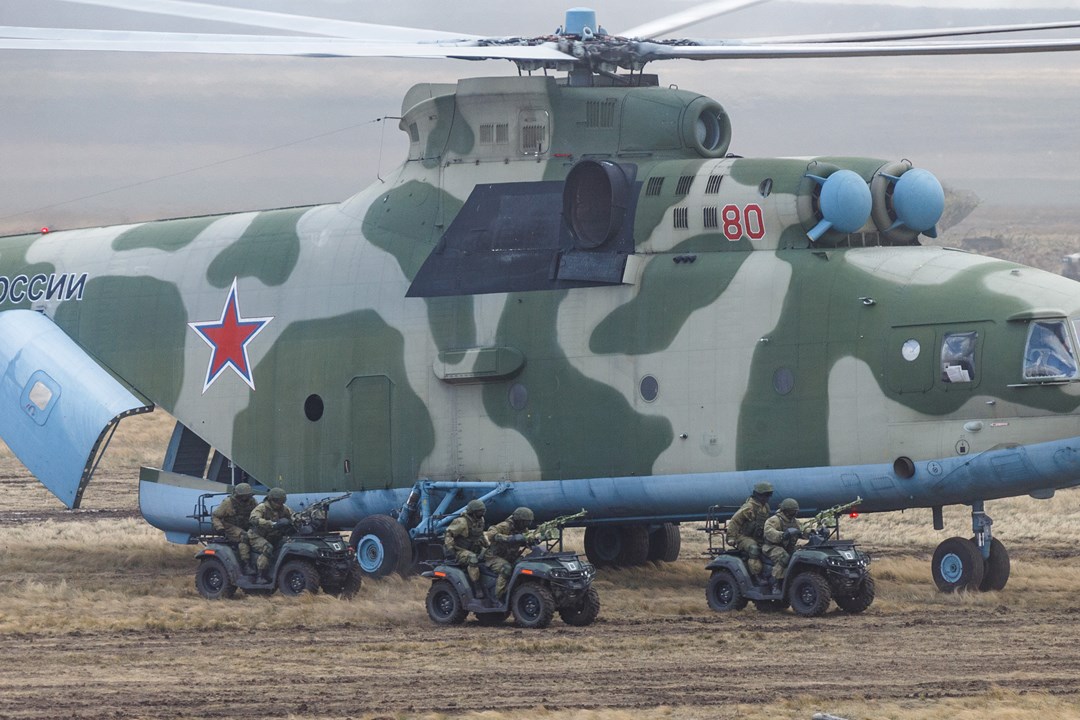

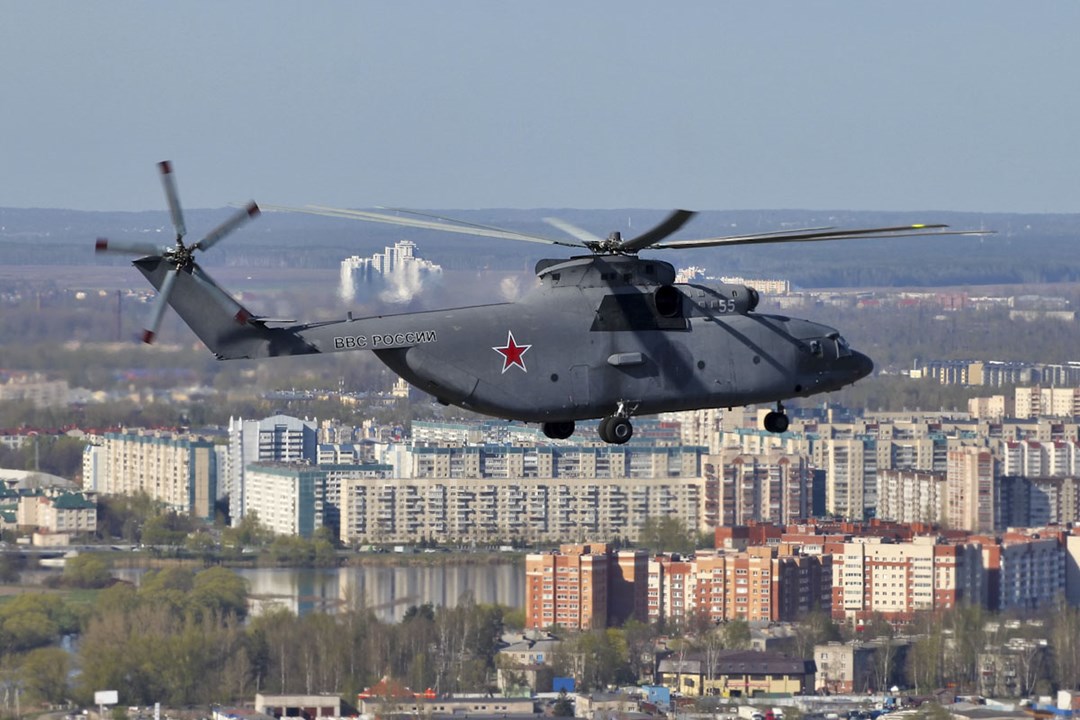
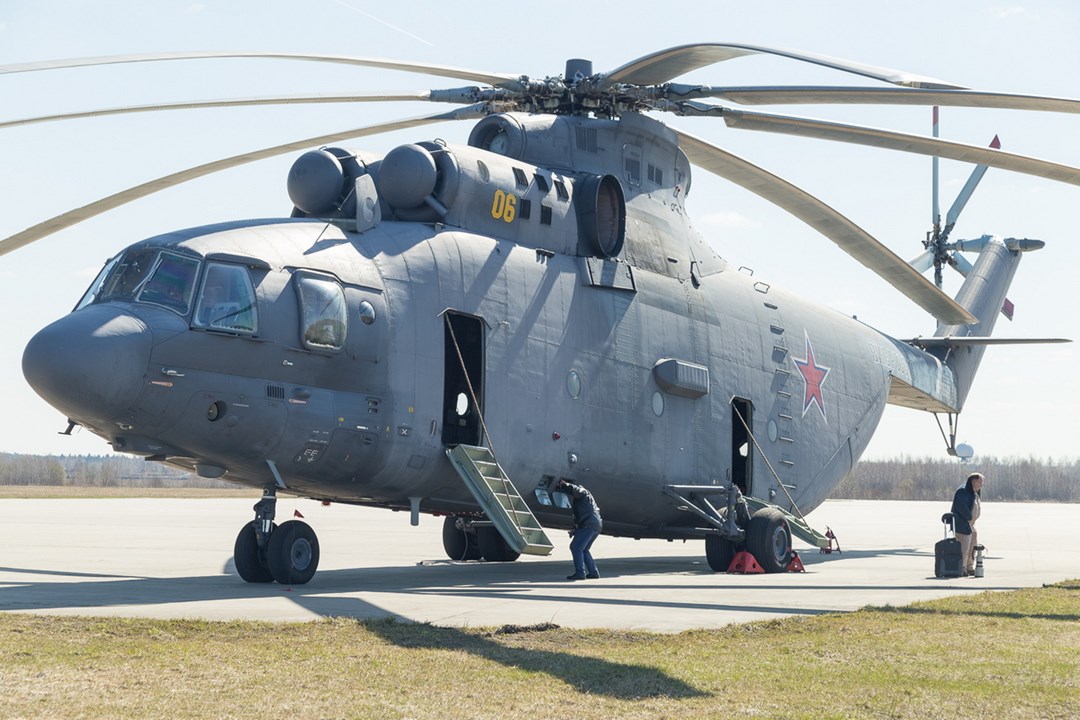
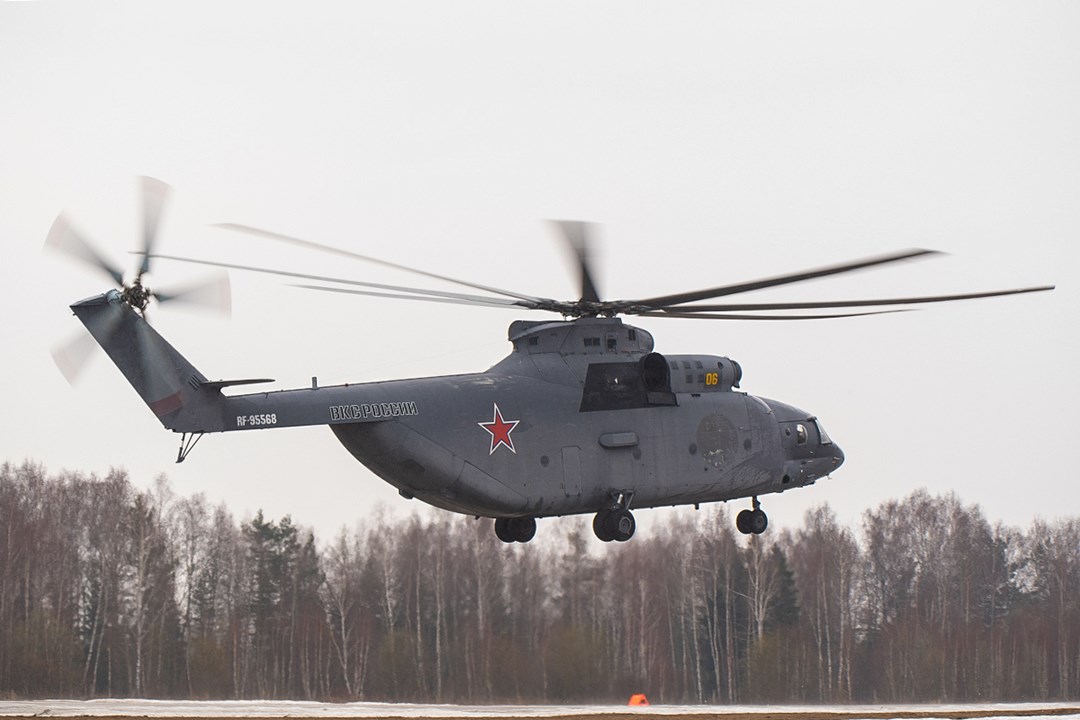
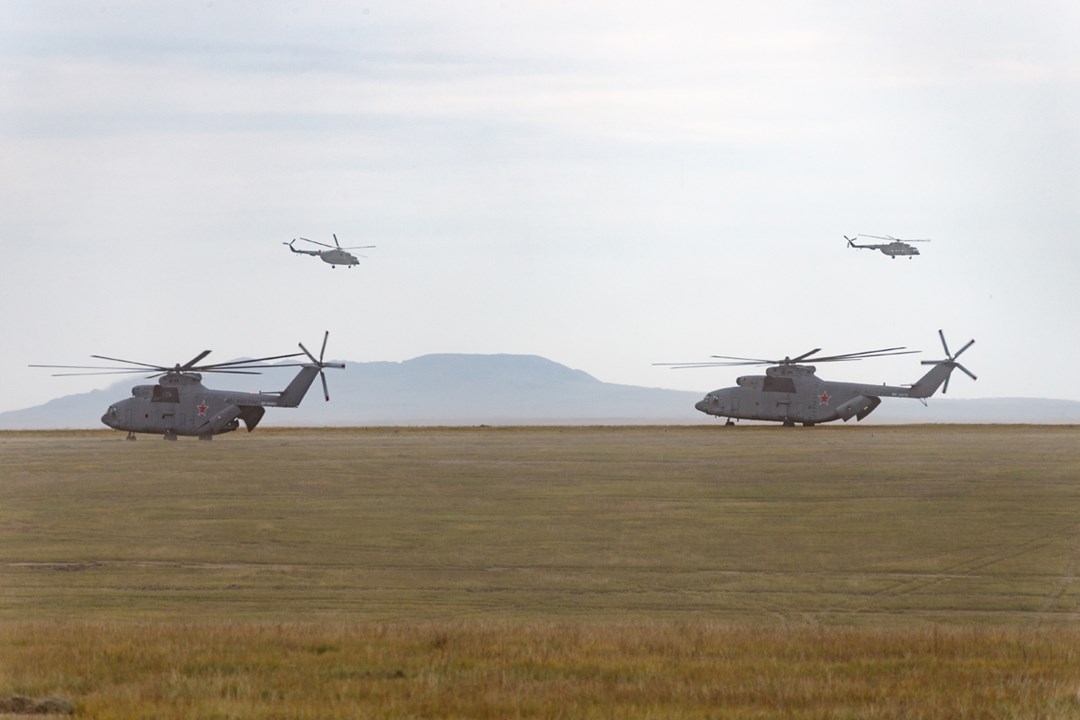
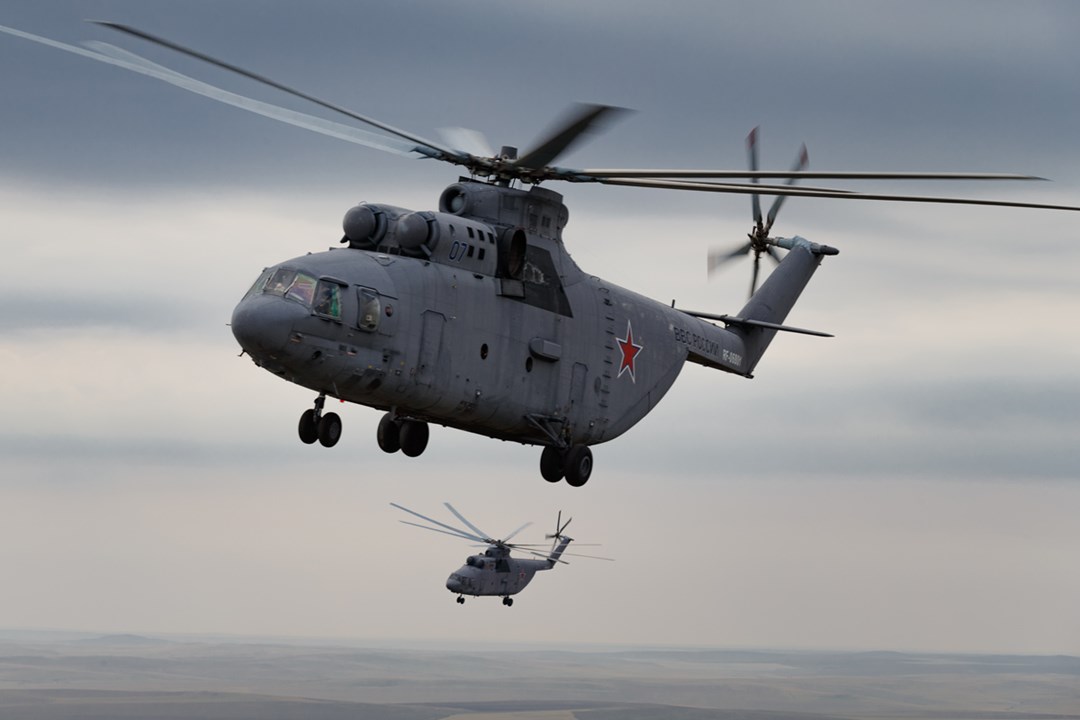
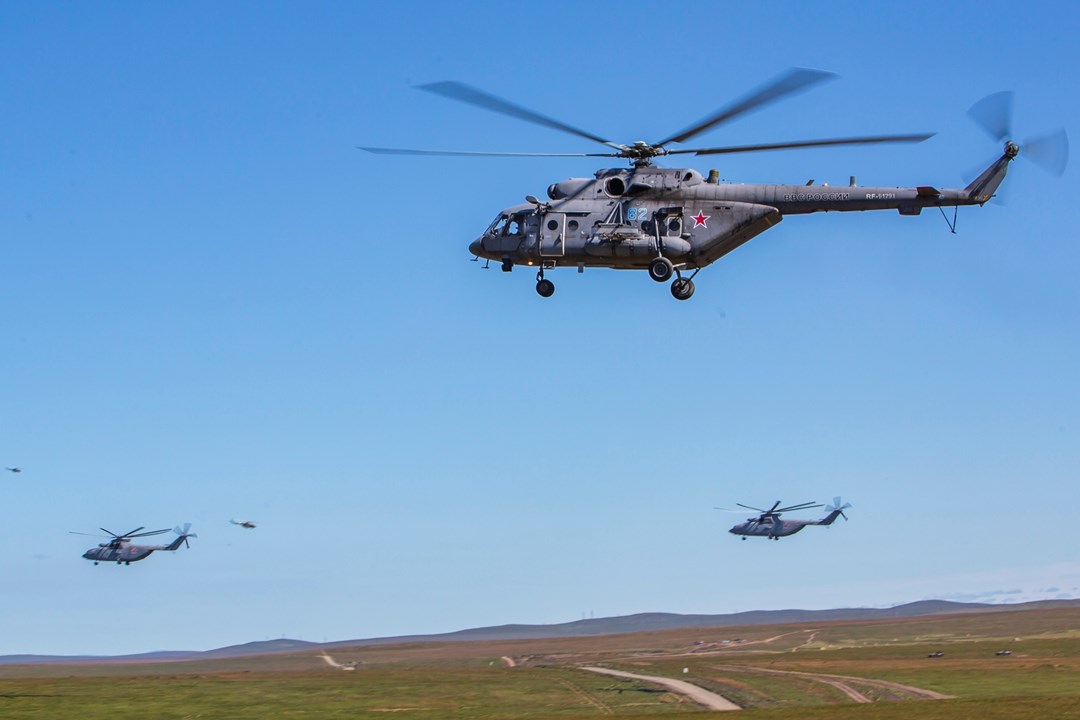
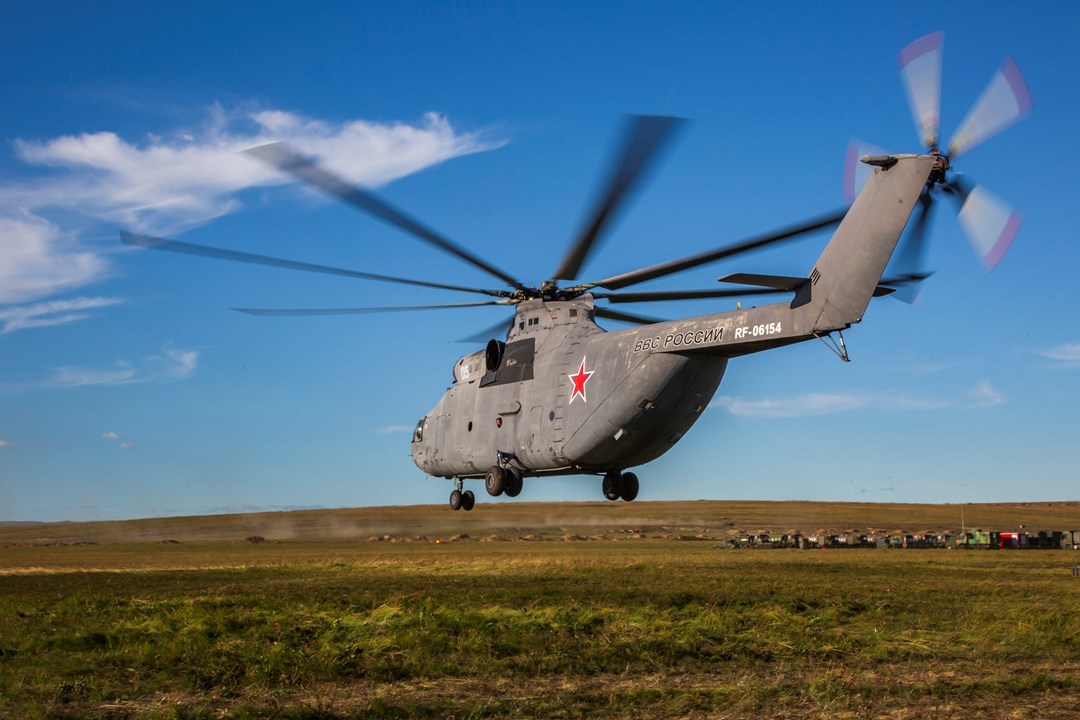
The Mil Mi-26, Halo NATO-codename, is a day/night, all-weather, heavyweight helicopter designed to transport troops, vehicles, and cargo as well as to perform medical evacuation missions. Additional airlift capability is provided using an external sling. The Mi-26 is the world's largest helicopter with an impressive 20,000 kg payload capacity and 14 unmatched world records. The Mi-26 follows traditional helicopter scheme with an eight-blade main rotor and five-blade tail rotor. It is powered by two D-136 engines providing 10,000-hp each with reduced fuel consumption. The crew cabin has been hardened to withstand small arms impact, redundant sub-systems and special protection for hot-parts as well as other measures ensure enhanced survivability for the valuable Mi-26 helicopter. It can be fitted with engine exhaust heat suppressers and chaff/flare dispensers to improve survivability. The Mi-26 rear compartment can accommodate one armored vehicle through a loading ramp provided to facilitate loading and unloading operations. Up to 82 fully equipped troops can be transported inside a single Mi-26 helicopter and the medical evacuation configuration (Mi-26MS) allows to accommodate 60 casualties with medical equipment and one operation room. The Mi-26 Halo cargo helicopter, also known as Mi-26T, was introduced in the Soviet Army in 1983 replacing Mi-6 Hook helicopters. The Mi-26TS is a variant designed for the civilian market. Mi-26TZ is tanker helicopter and Mi-26M is an improved version intended for replacement of remaining Mi-6 helicopters in the Russian Army. According to Mil around 280 Mi-26 helicopters were produced from 1982 through 1999.
deagel.com: https://www.deagel.com/x/x/a000359