ARMSNET
Military Equipment Database
Initializing 0%

Pilatus PC-9

Pilatus PC-9
Training Turboprop Aircrafts
Spotted an error? Sign in to suggest an edit.
Basic Information
Name
Pilatus PC-9
Designation
Pilatus PC-9
Alternate Designation
Pilatus PC-9 A, Pilatus PC-9 B, Pilatus PC-9 M
Equipment Type
Training Turboprop Aircrafts
Manufacturer
Pilatus Aircraft
Date of Introduction
1986
Description

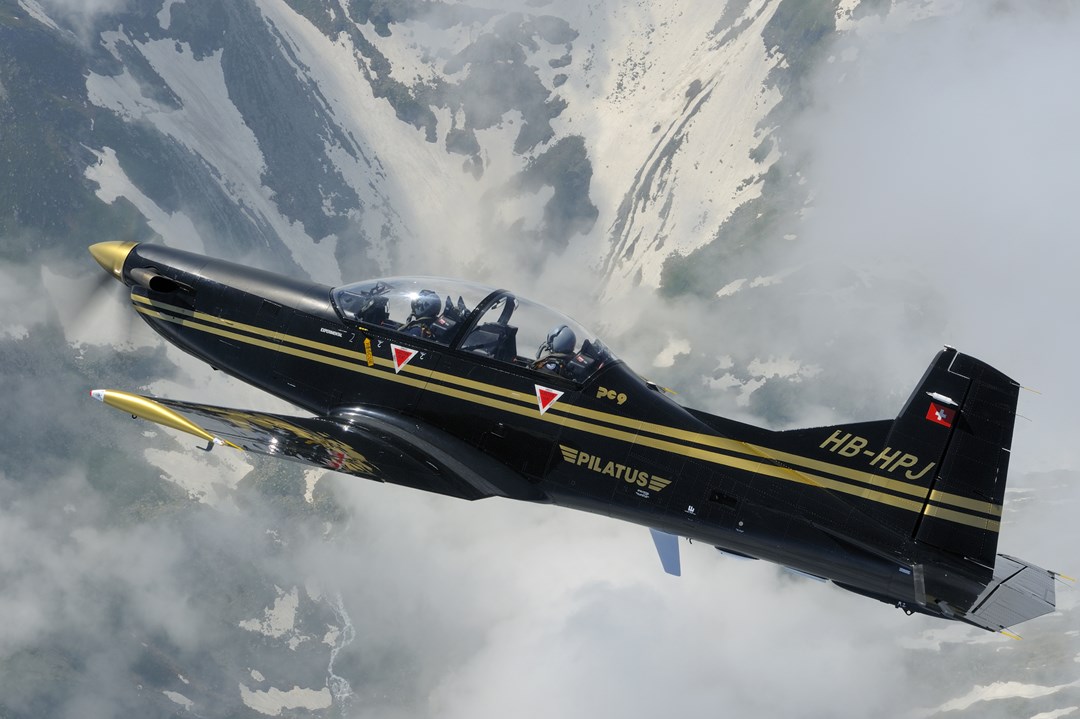
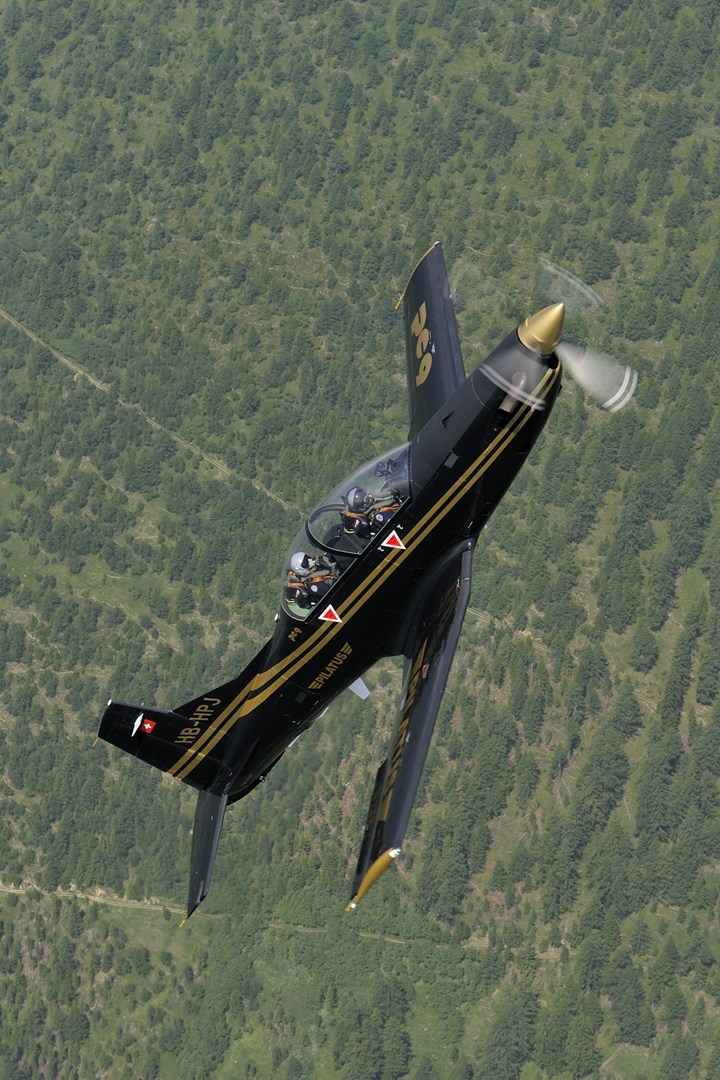
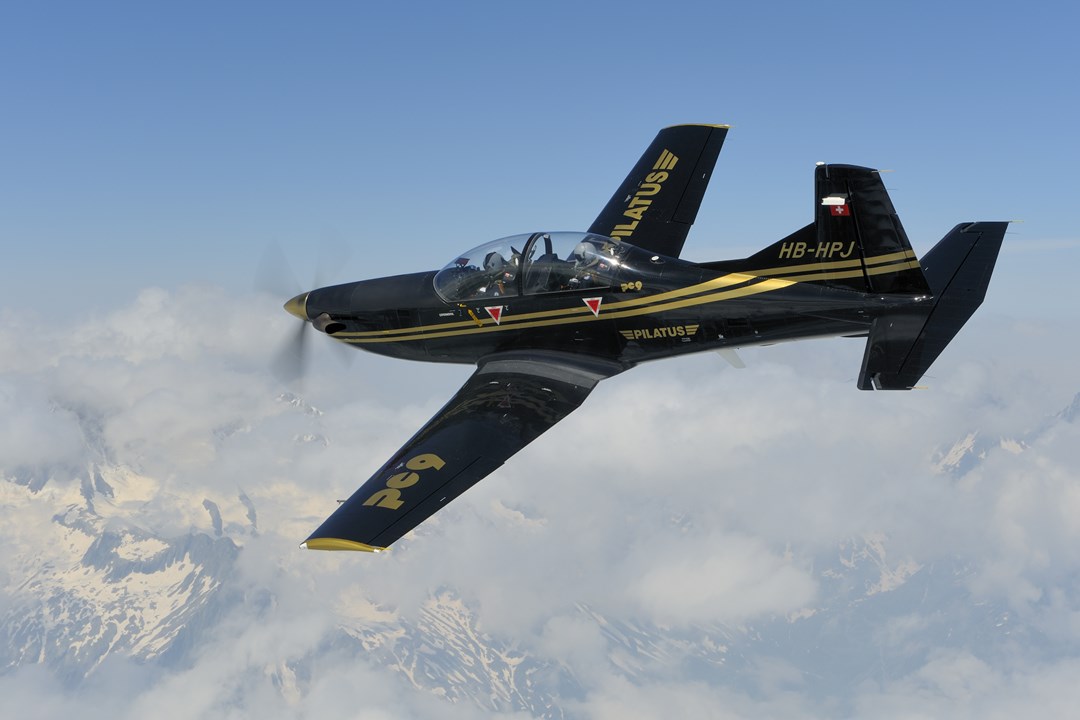
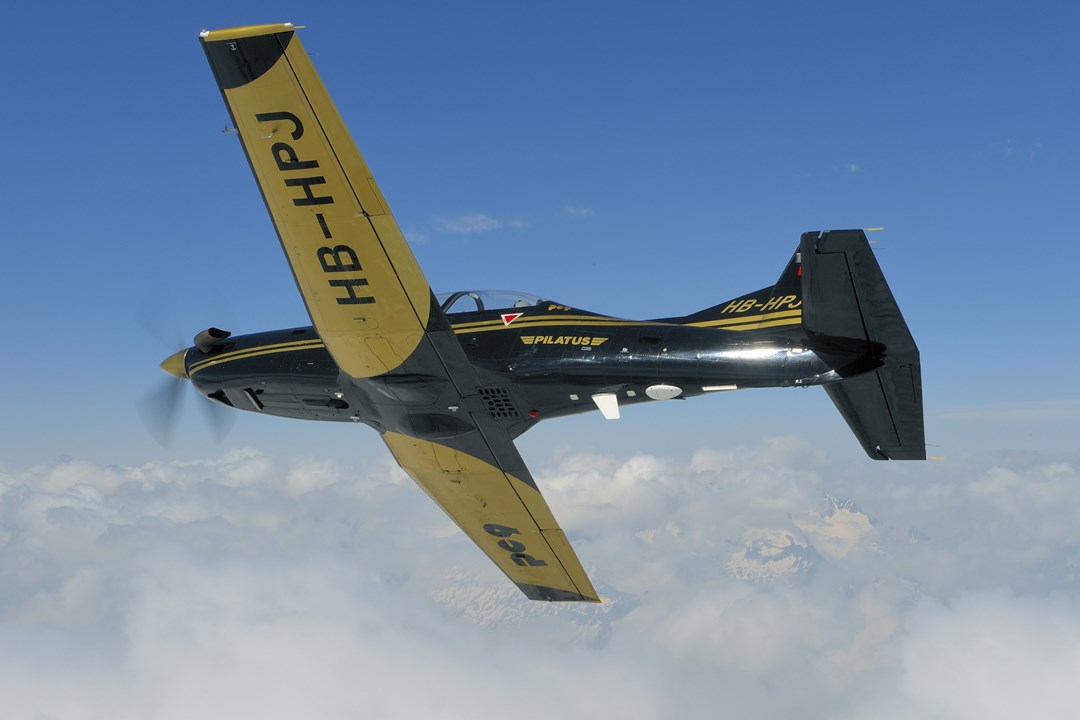
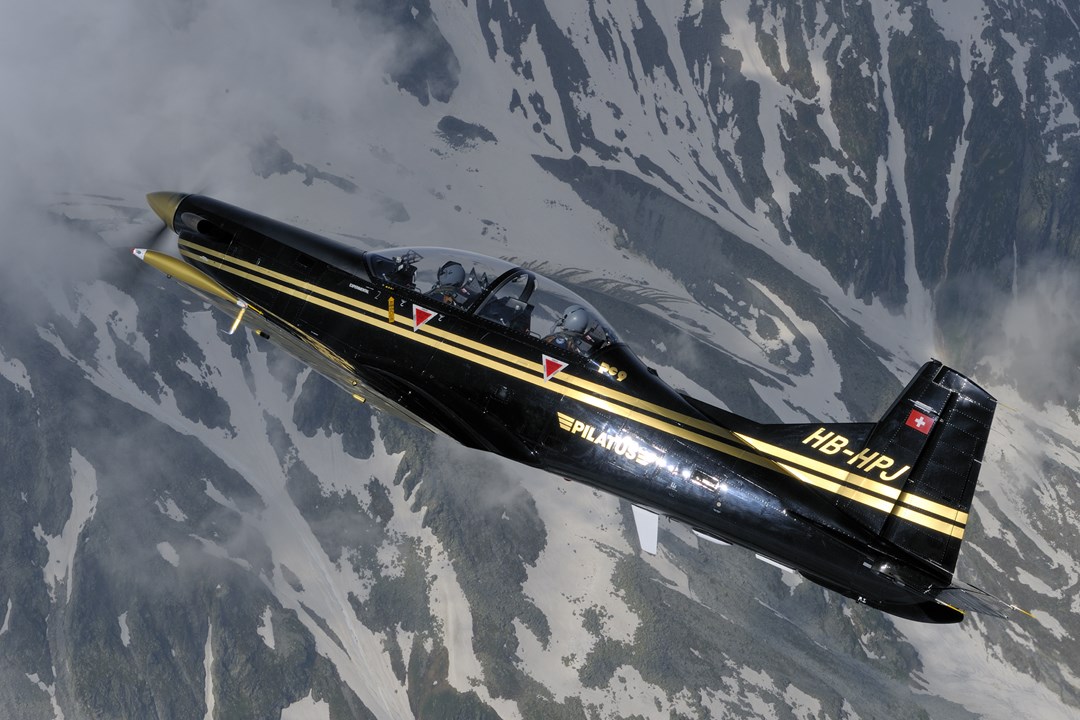
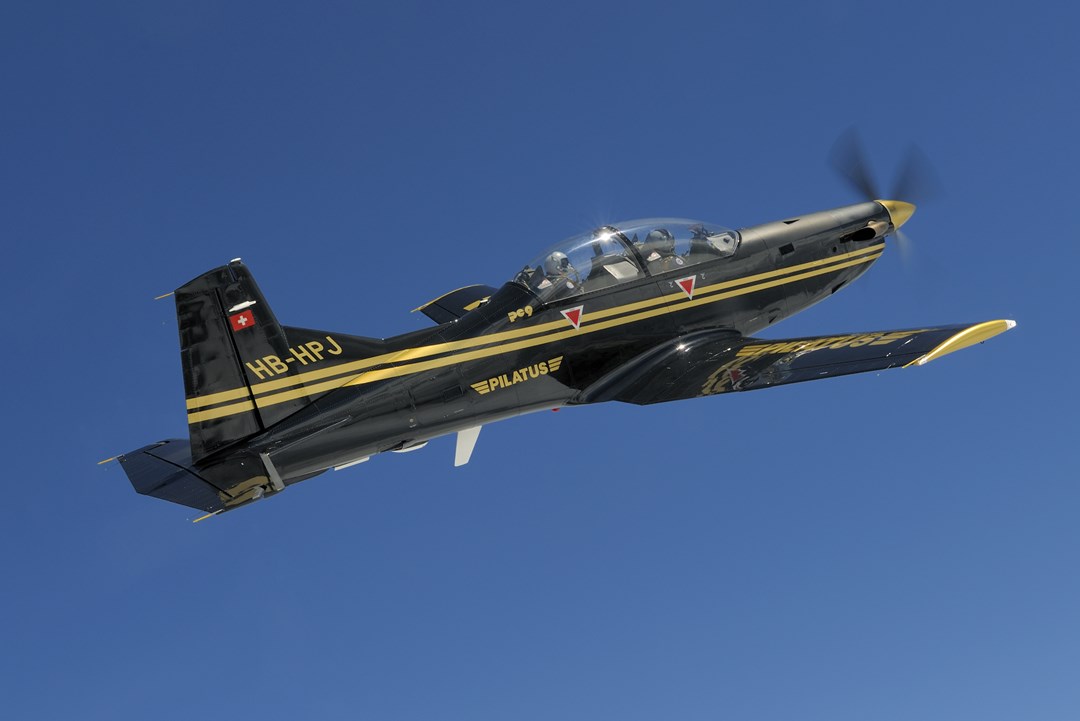
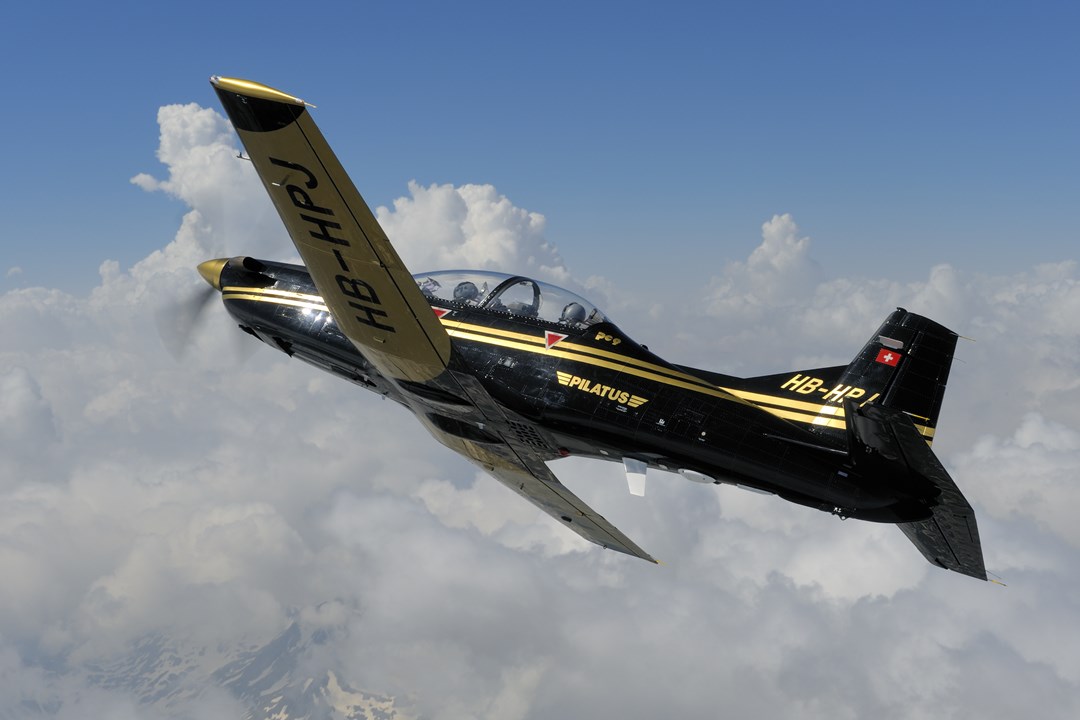
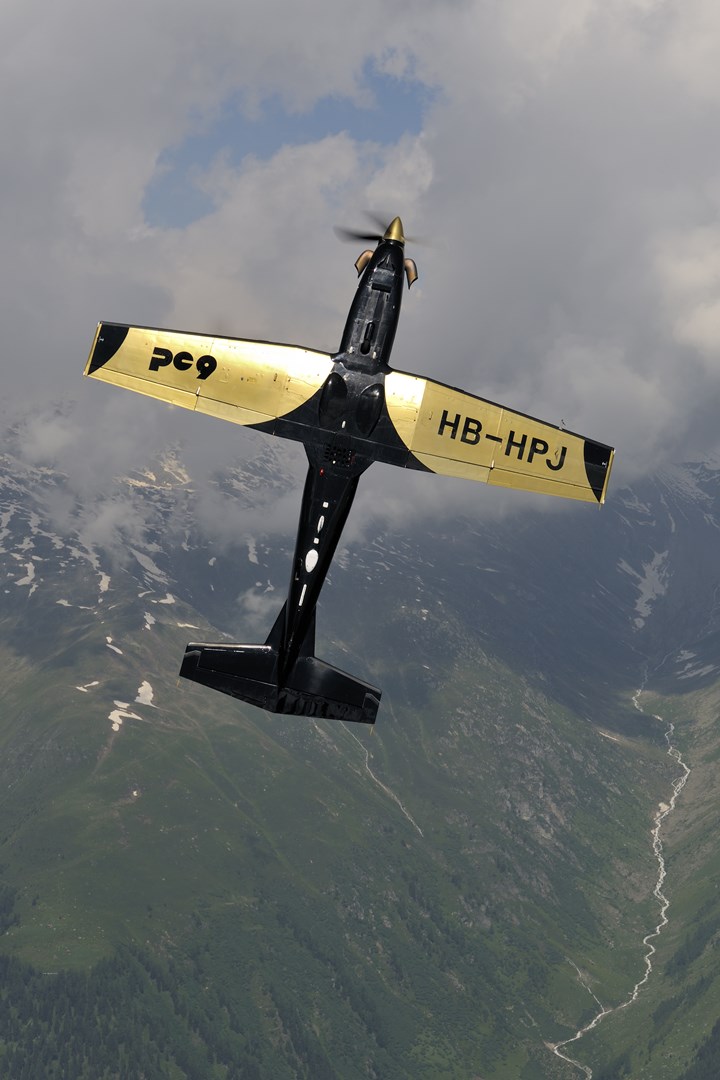
The Pilatus PC-9 is a single-engine, tandem two-seat turboprop aircraft designed to perform basic and advanced training missions for military customers. It was developed by Pilatus Aircraft based upon the successful Pilatus PC-7 training aircraft which was introduced in 1978. It retains 9 percent airframe commonality with the PC-7. The first PC-9 aircraft performed its maiden flight on May 7, 1984, and the first production aircraft was awarded type certification in September 1985. In 1995, it was selected by the US Air Force and US Navy for the JPATS program which led to the development of the T-6A Texan trainer. More than 250 aircraft have been ordered by 14 air forces worldwide so far. The Pilatus PC-9 is powered by a single Pratt & Whitney Canada PT6A-62 turboprop driving a four blade Hartzel aluminum propeller. The PT6A-62 is rated at 950-shp of power. The aircraft features ejection seats, On Board Oxygen Generating System OBOGS, six underwing stores, GPS-based navigation system, anti-g system, stepped tandem cockpits, and an airbrake under the center fuselage. The Pilatus PC-9 training system also includes computer-based simulation and synthetic training devices. The current production standard, the PC-9 M, features a glass cockpit and can be equipped with head up display and video recording system.

Air & Air Defense Specifications
Crew 2
Max Speed 592.6 km/h
Range 1592.7 km
Wingspan 10.20 m
Overview (Deagel)
Group Training Turboprop Aircrafts
Status Active
Also Known As Pilatus PC-9 A, Pilatus PC-9 B, Pilatus PC-9 M
Origin Switzerland
Contractor Pilatus Aircraft
Initial Operational Capability (IOC) 1986
First Flight May 7, 1984
Total Production 259
Unitary Cost CHF 8.8 million
Specifications (Deagel)
Crew 2
External Stations 6
Number of Engines 1
Propeller Blades 4
Area — Wing Area 16.3 square meter
Dimensions — Height 3.3 meter
Dimensions — Length 10.1 meter
Dimensions — Wingspan 10.2 meter
G-load — Max Maneuvering Load Factor 7 g
G-load — Min Maneuvering Load Factor -3.50 g
G-load — Sustained Load Factor 3.7 g
Mass — Empty Weight 1,725 kilogram
Mass — Max Takeoff Weight 2,350 kilogram
Mass — Payload 1,040 kilogram
Performance — Landing Run Distance 352 meter
Performance — Max Range 860 nautical mile
Performance — Take Off Run Distance 247 meter
Power — Max Power at TakeOff 950 shp
Speed — Climb Rate 3,880 fpm
Speed — Cruise Speed 271 knot
Speed — Stall Speed 69 knot
Speed — Top Speed at High Altitude 320 knot
Gear (Deagel)
Item 1 Turboprop Engines: PT6A-62 (1)
Details
Country of Origin Switzerland
Classification
Domain
Air & Air Defense
Equipment Status
Active
Dimensions
Length
10.1 m
Width
10.2 m
Height
3.3 m
Weight
2350 kg
Operators (15)
United States
Germany
Angola
Australia
Bulgaria
Croatia
Cyprus
Iraq
Ireland
Jordan
Myanmar
Saudi Arabia
Slovenia
Switzerland
Thailand
Something went wrong. Please reload the page. Reload