ZALA Z-53 Russian Unmanned Aerial Vehicle (UAV)
ZALA Z-53
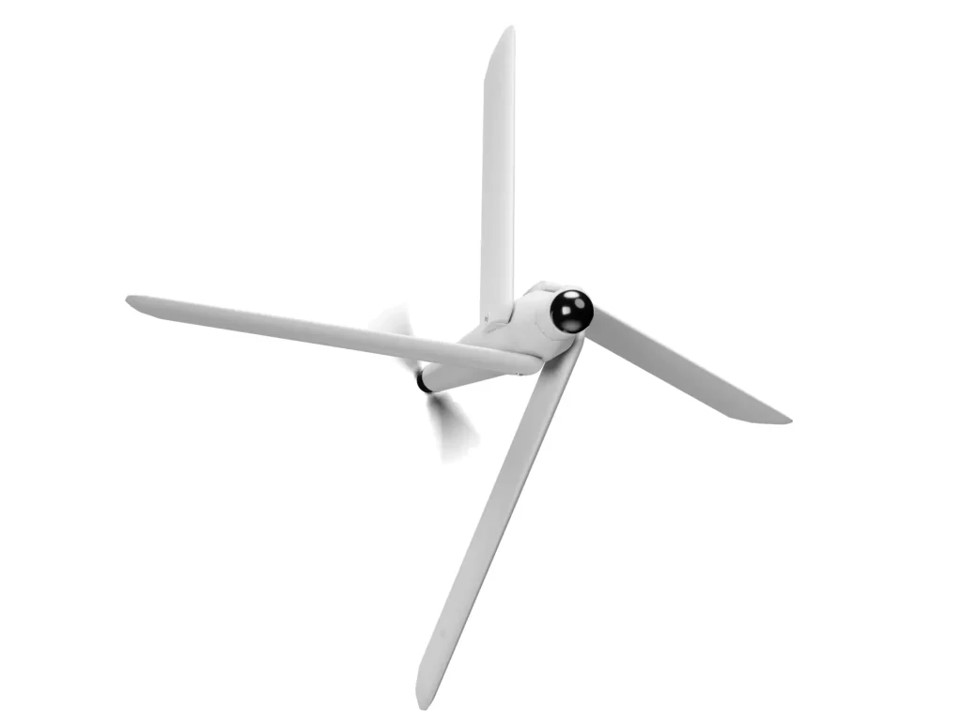
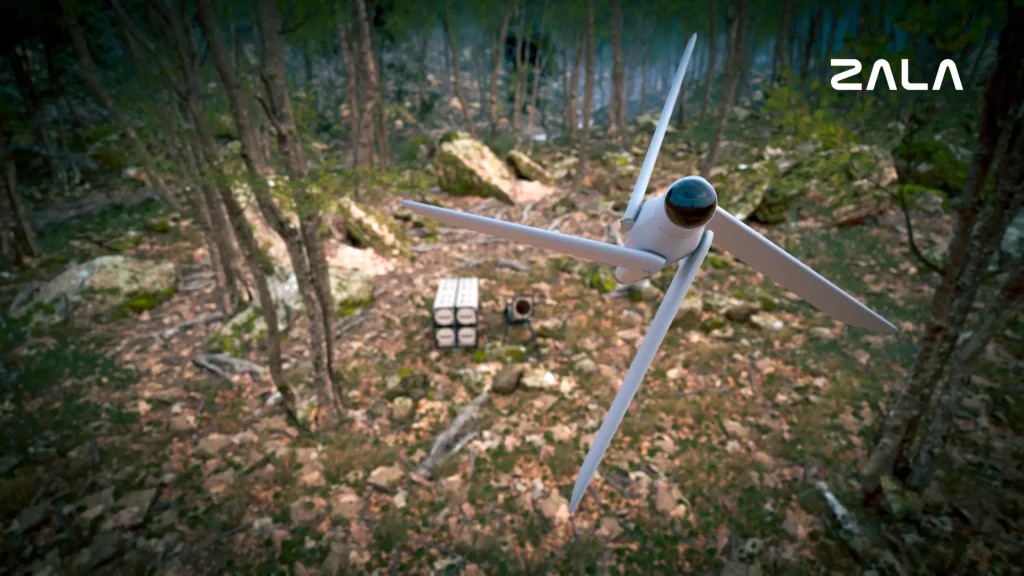
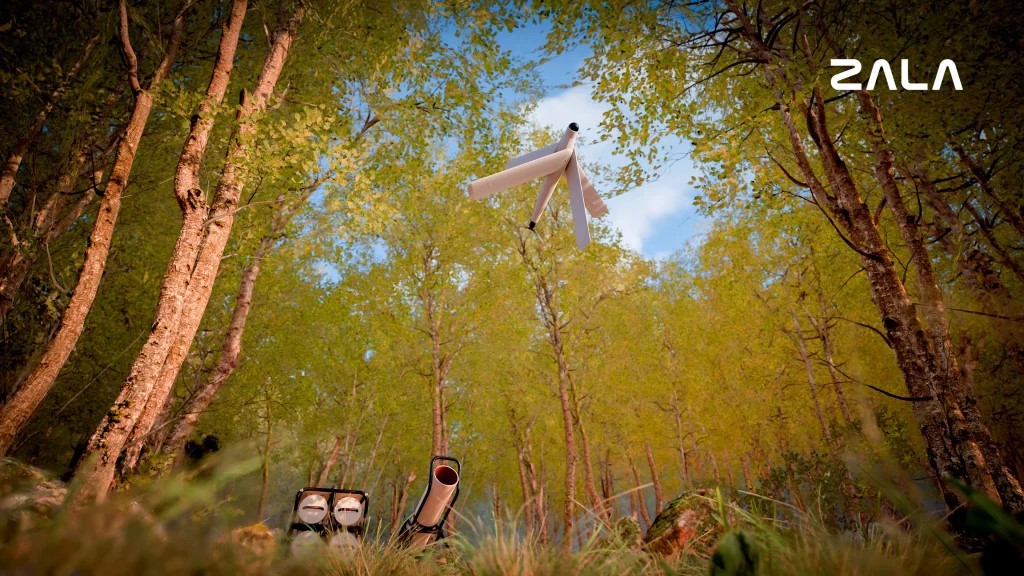
The ZALA Z-53 Russian Unmanned Aerial Vehicle (UAV) officially designated Izdeliye-53 ("Product 53"), represents the third-generation evolution of Russia's Lancet loitering munition family and a significant technological advancement in autonomous strike warfare. Manufactured by ZALA Aero Group—a subsidiary of Kalashnikov Concern—the Z-53 combines an upgraded platform architecture with onboard artificial intelligence for autonomous target detection, classification, and engagement. Operationally deployed since October 2023, it represents a qualitative shift from operator-controlled kamikaze drones toward network-centric swarm warfare capabilities, with documented strikes exceeding 4,000 targets as of January 2025. The Z-53 emerged from operational refinements of its predecessors, the Izdeliye-51 and Izdeliye-52 (commonly designated Lancet-1 and Lancet-3 in open discourse). While Items 51 and 52 retain X-shaped wing configurations and catapult launch systems, the Z-53 introduces a fundamentally different architecture: a four-winged design with automatically deployable folding wings and a containerized launch system that enables rapid, multi-unit salvo employment. This design shift prioritizes operational flexibility over the proven catapult methodology, allowing simultaneous deployment of multiple drones from single or quadruple-loaded transport-launch containers (TLC). The airframe construction employs carbon fiber composite materials throughout, reducing weight while maintaining structural rigidity—a critical requirement for autonomous operations requiring precise control authority across all flight regimes. The shift from catapult to containerized launch represents more than tactical convenience; it fundamentally alters force employment patterns by eliminating preparation time, reducing signature (both visual and thermal), and enabling rapid relocation of launch points. Russian military doctrine explicitly frames the Z-53 within "network-centric warfare" (сетецентрическая война) concepts, where reconnaissance sensors (such as the ZALA Z-16 reconnaissance UAV), fires platforms (loitering munitions), and command systems operate as integrated nodes in a reconnaissance-fire system. The Z-53's compatibility with relay drones and its ability to receive real-time targeting intelligence from airborne reconnaissance platforms enables strike ranges exceeding 100 kilometers when coordinated with extended-range reconnaissance UAVs.