LRASM
LRASM
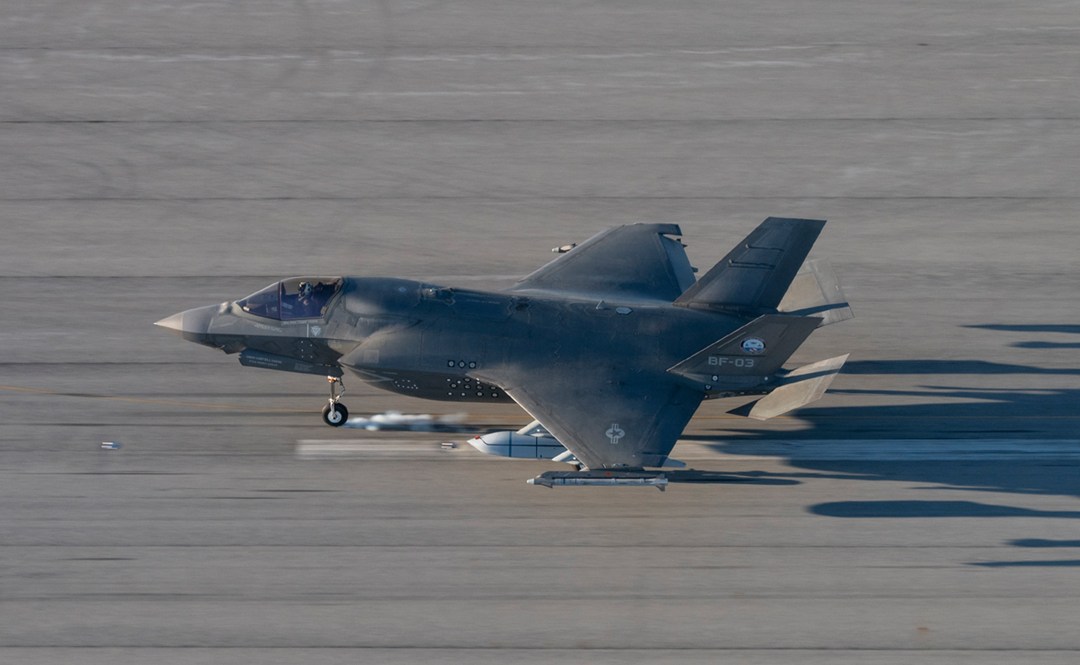
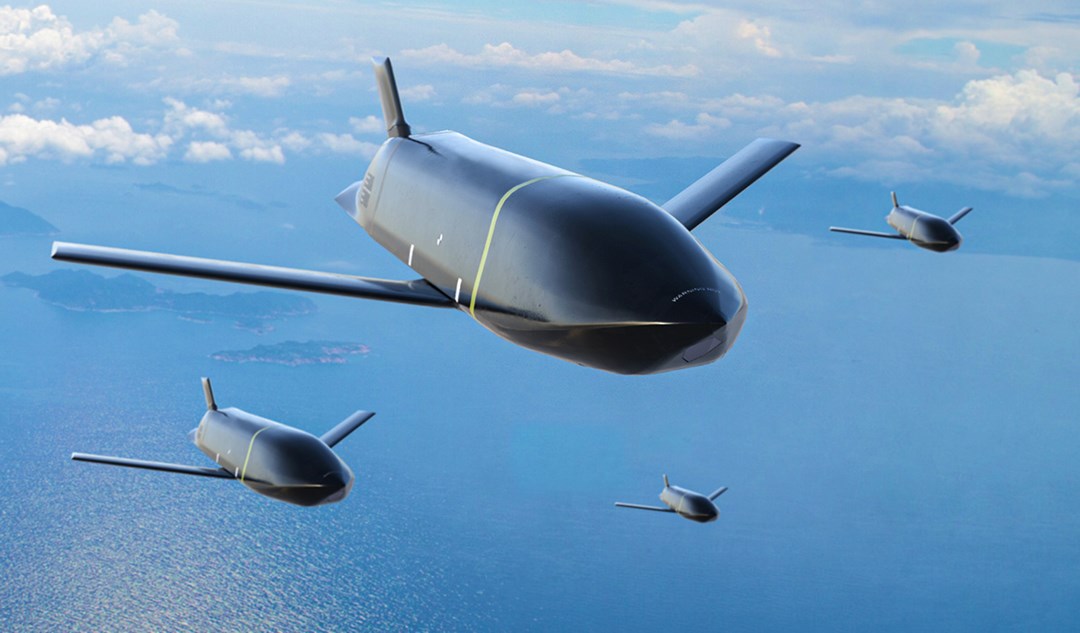

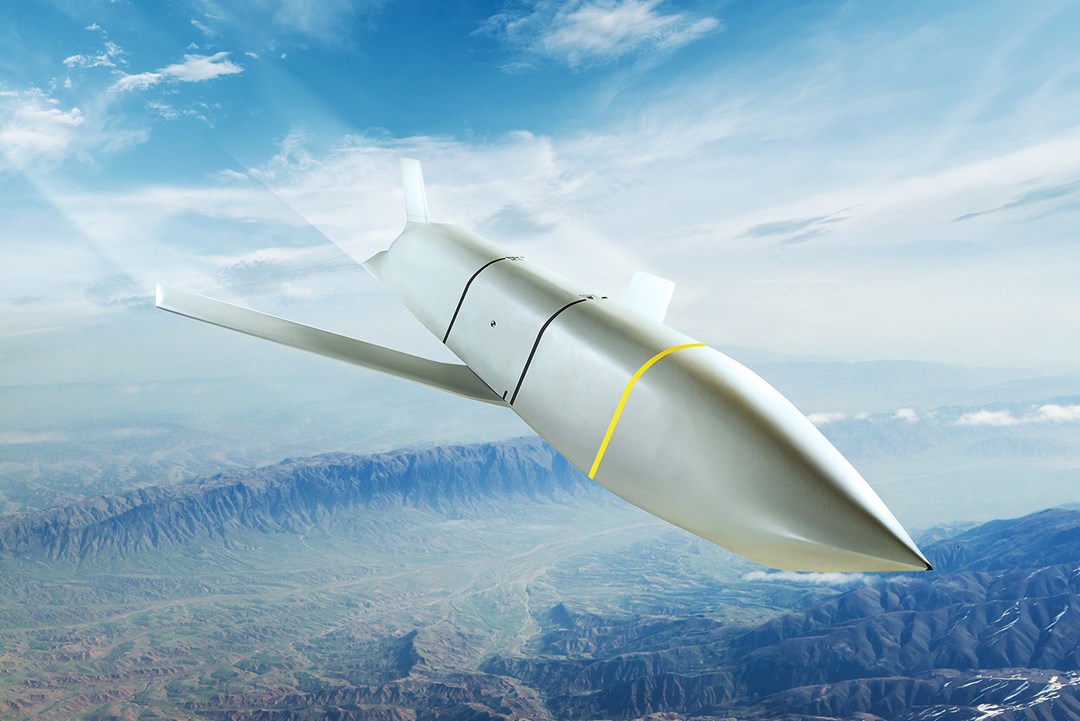
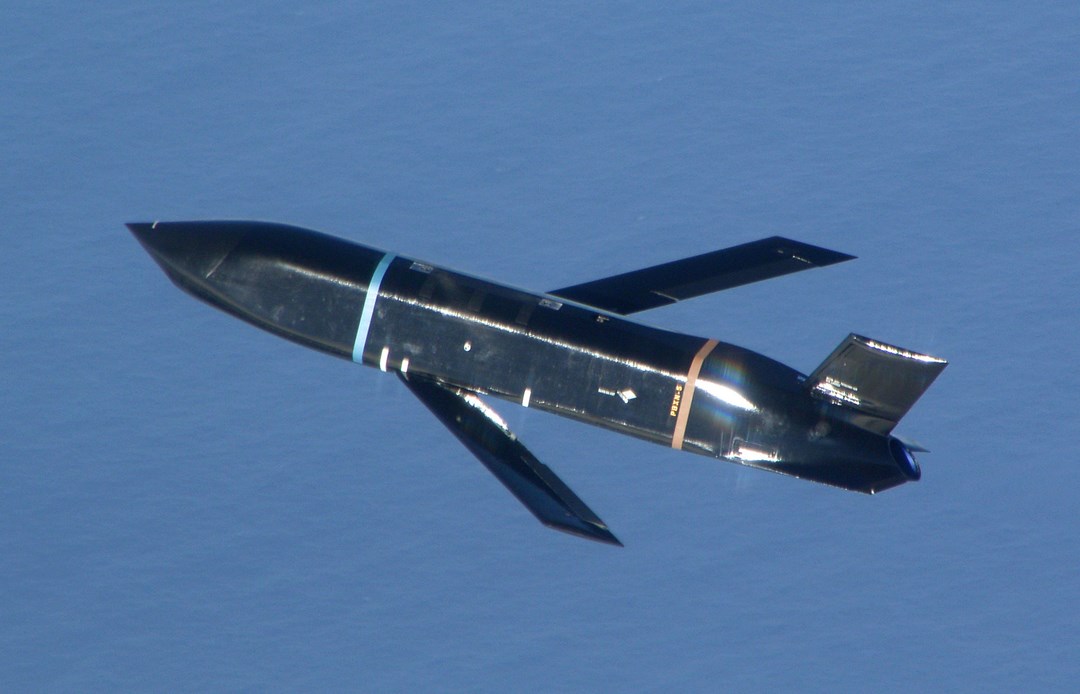
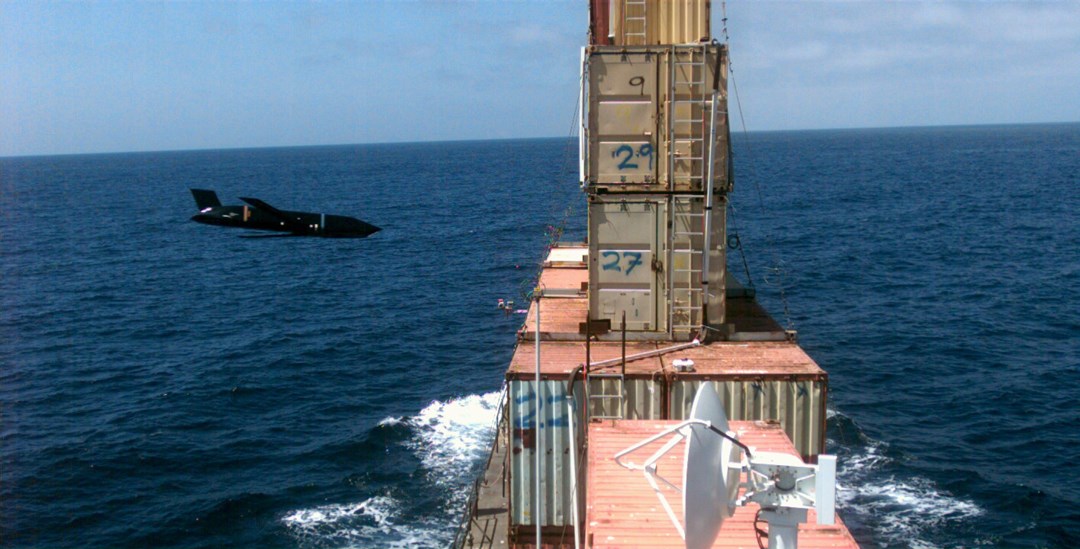
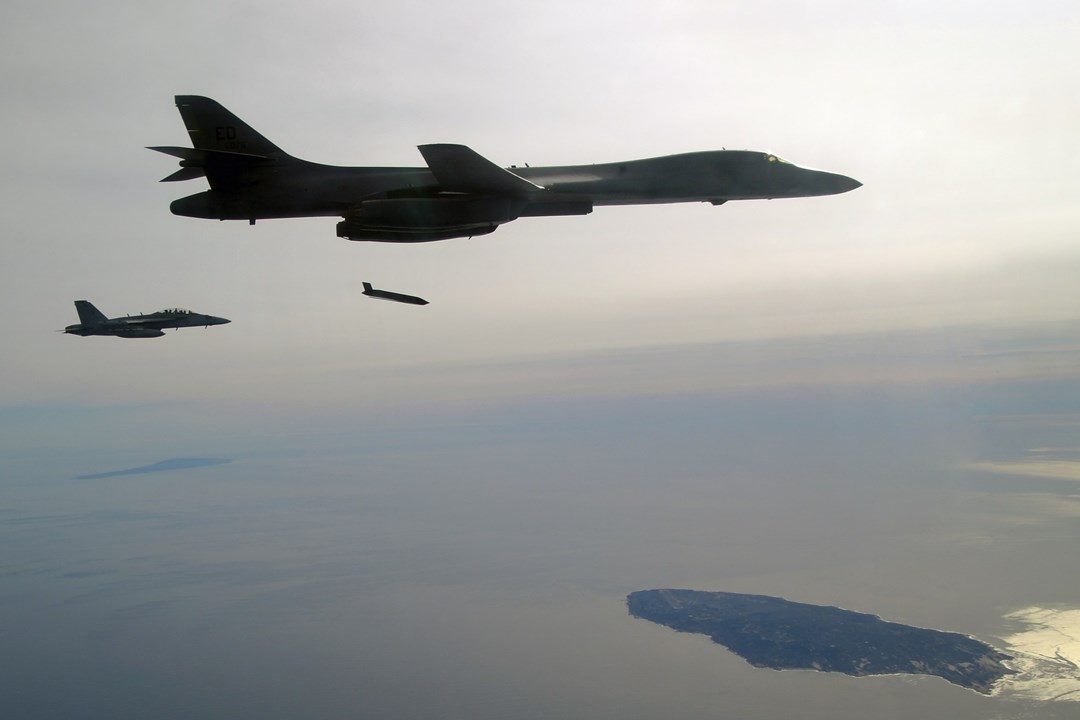
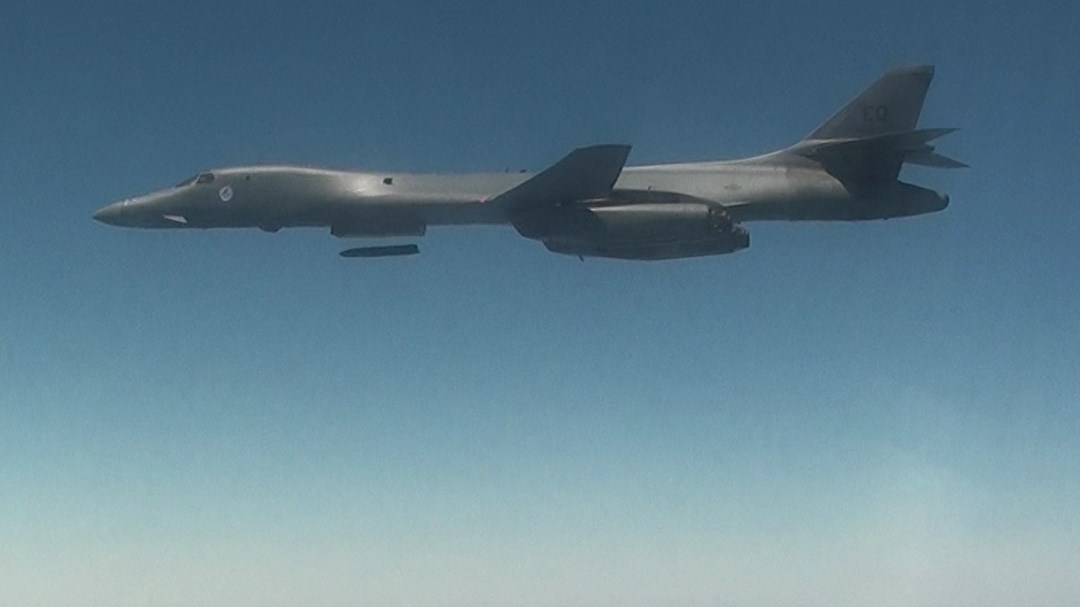
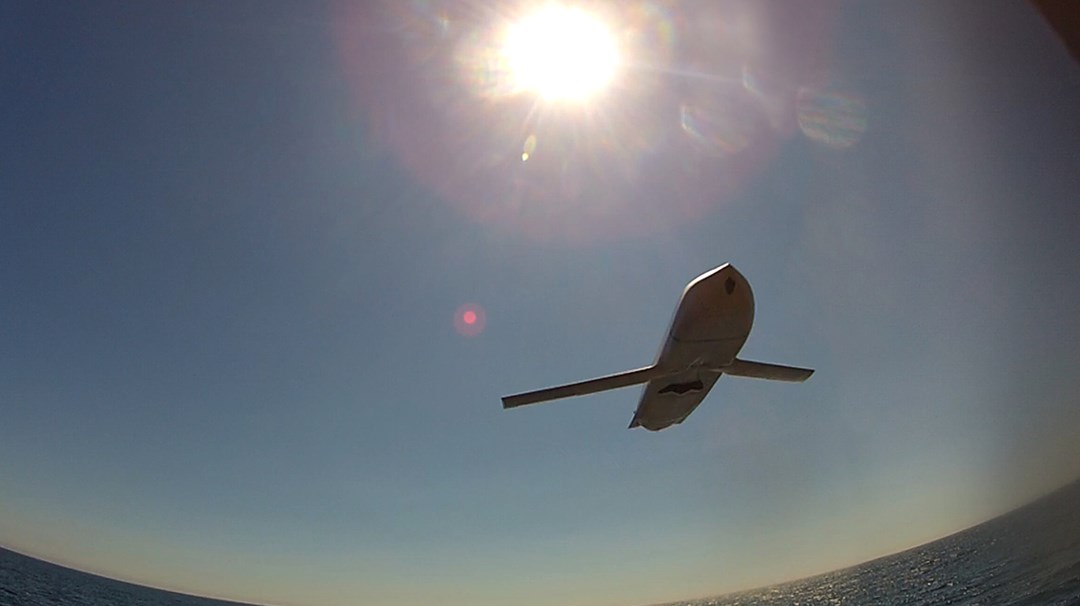
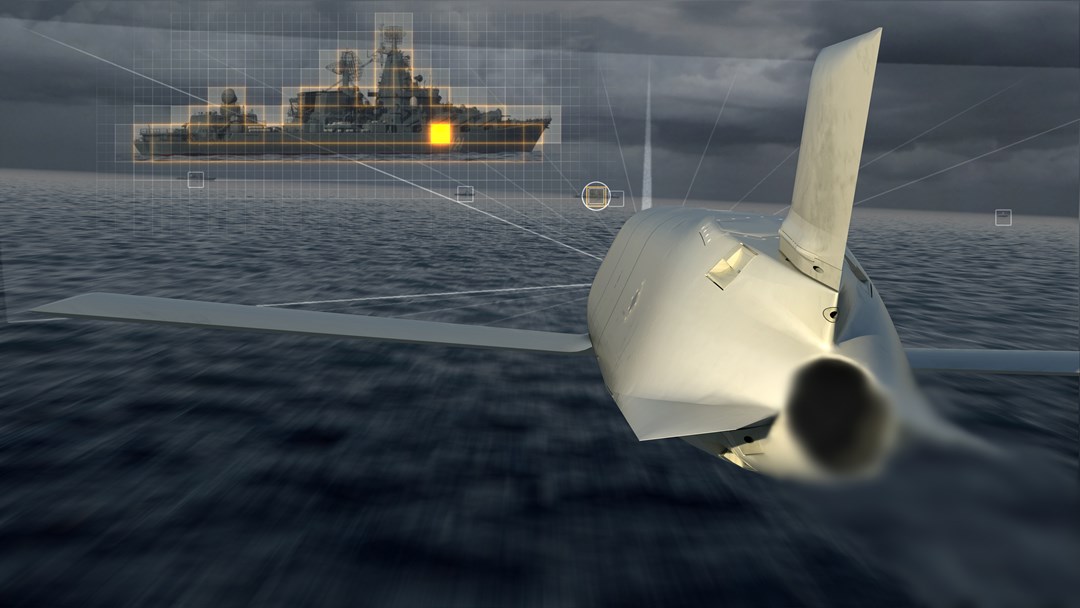
The Long Range Anti-Ship Missile (LRASM) is a joint DARPA/US Navy program aimed at developing a liquid fueled surface-to-surface missile to engage critical targets at extended ranges. The LRASM missile will be less dependent on precision intelligence, surveillance and reconnaissance sources, data links, and GPS by demonstrating advanced onboard sensing and processing capabilities. Its unprecedented capabilities will allow precision engagement of moving ships based only on coarse, initial target cueing, even in extremely hostile environments. The LRASM will be compatible with the US Navy Vertical Launch System (VLS). It will employ innovative features that enable penetration of advanced air defenses such as high-speed and delivery of a high-assurance lethality. DARPA awarded Lockheed Martin Missiles and Fire Control a $10 million initial contract for a nine-month development phase in late June 2009. A second 27-month phase is expected to follow with the program transitioning to the US Navy. The second phase will include refined missile design, subsystem developmental tests, a critical design review, and flight tests. By 2012 the LRASM demonstrator could support a rapid transition to operational use. In November 2010 the Department of Defense (DoD) announced that the new weapon will be developed within 2.5 years with an estimated in service date by April 2013. In parallel another contract is expected to develop an air-launched version leveraging technologies from the JASSM-ER strike missile. From a broad point of view, the LRSAM program is aimed at confronting adversaries armed with anti-satellite weapons that could knock out the GPS satellite constellation blinding this way many US-made weapon systems such as Harpoon anti-ship missiles and making them far less effective. Such adversaries also possess advanced air defense capabilities that make necessary to engage targets from greater standoff ranges. China tested an anti-satellite weapon in January 2007 and its military is equipped with Russian-made S-300 long-range air defense systems.
deagel.com: https://www.deagel.com/x/x/a002407