B61
B61
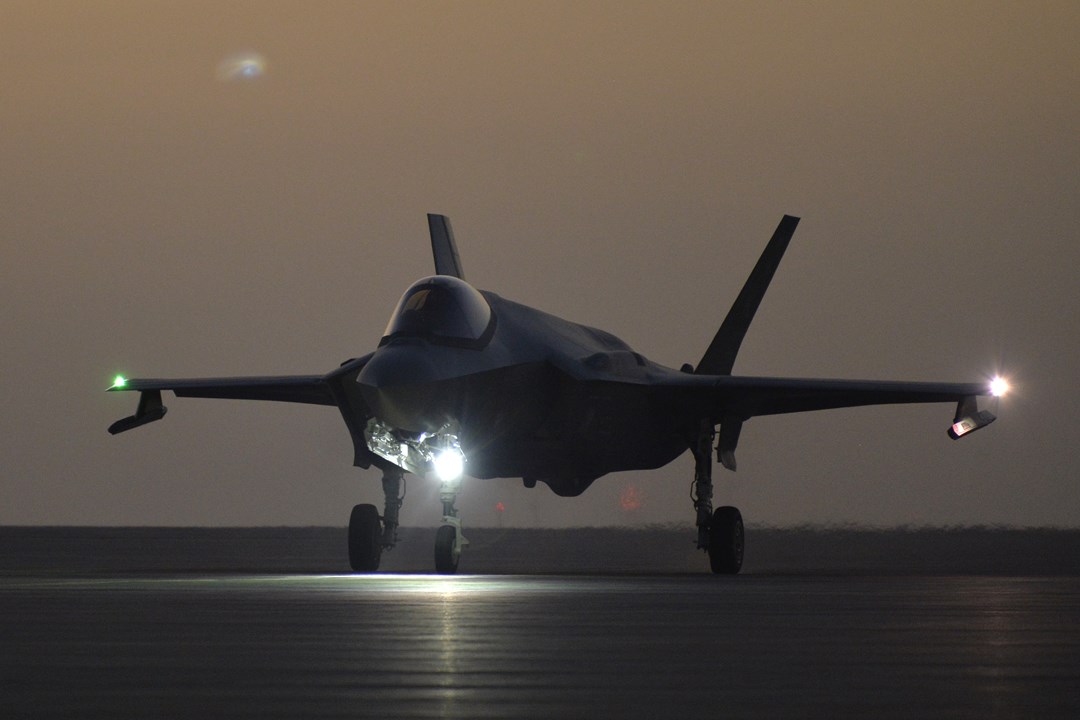
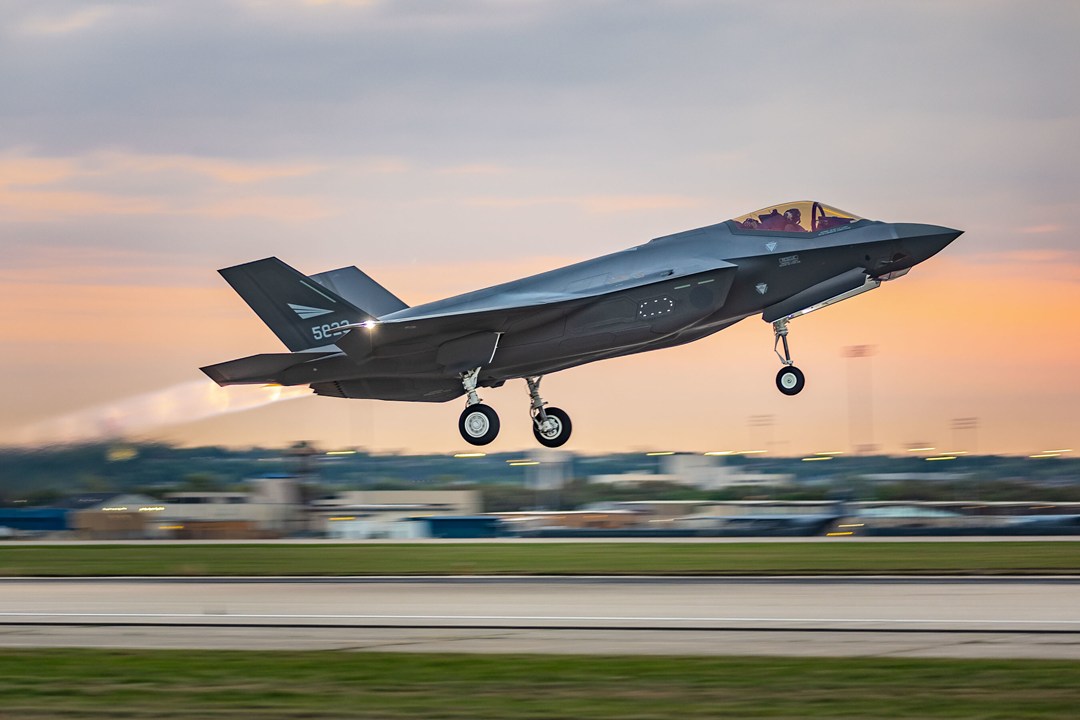
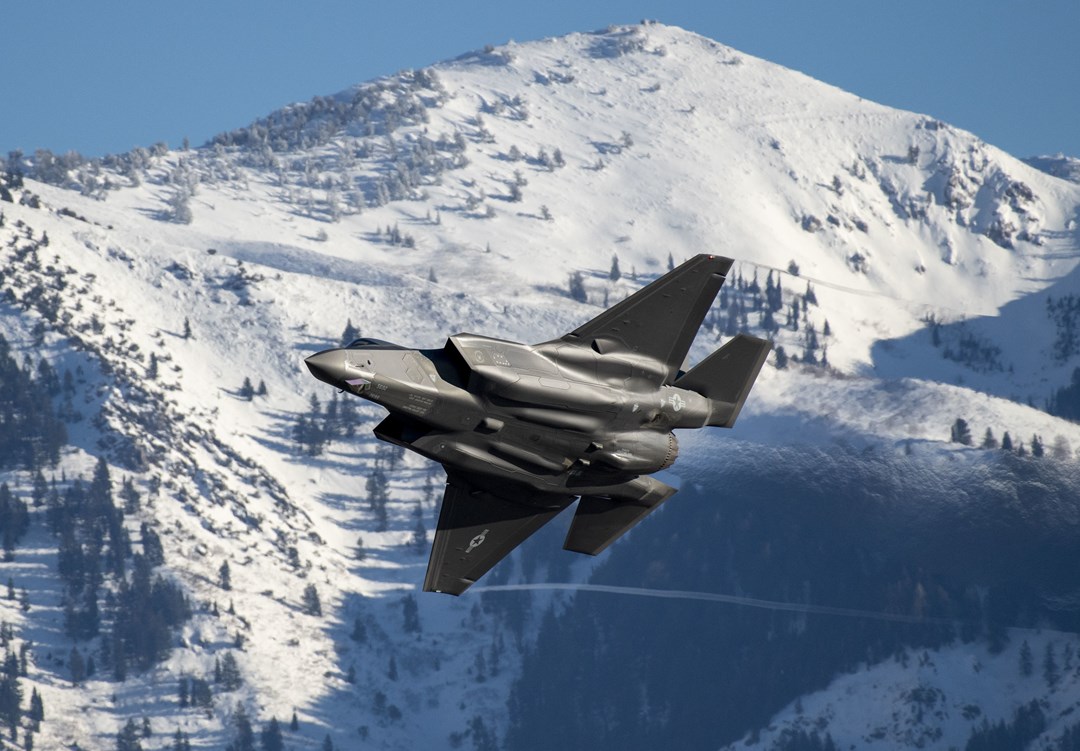
The United States of America B61 is a variable yield thermonuclear bomb designed for carriage by high speed/supersonic aircraft and release from high and low altitudes aided by a parachute and a delayed fuze. The bomb was designed in 1963 in Los Alamos National Laboratory in New Mexico and entered production in 1968. The 320 kg B61 bomb yield varies from 0.3 to 340 kilotons depending on the assigned target. The B61 Mod 11 (B61-11) was developed in 1997 to serve as a ground penetrating bunker buster weapon. As of 2014 some 200 B61 bombs remain in service with the United States of America Air Force (USAF) and its NATO allies. The B61 bomb has been integrated with the F-111, Tornado IDS, B-1, B-2 and B-52 bombers and the F-4, F-15C/D/E, F-16, F/A-18, A-4, A-6 and A-7 aircraft. The B61 Mod 12 (B61-12) is the latest development and is intended for release primarily by the F-35 Joint Strike Fighter (JSF) carried in its internal weapons bay. The F-22 internal weapons bay is not compatible with the B61 nuclear bomb.
deagel.com: https://www.deagel.com/x/x/a002968