ZSU-23-4 Shilka
ZSU-23-4 Shilka

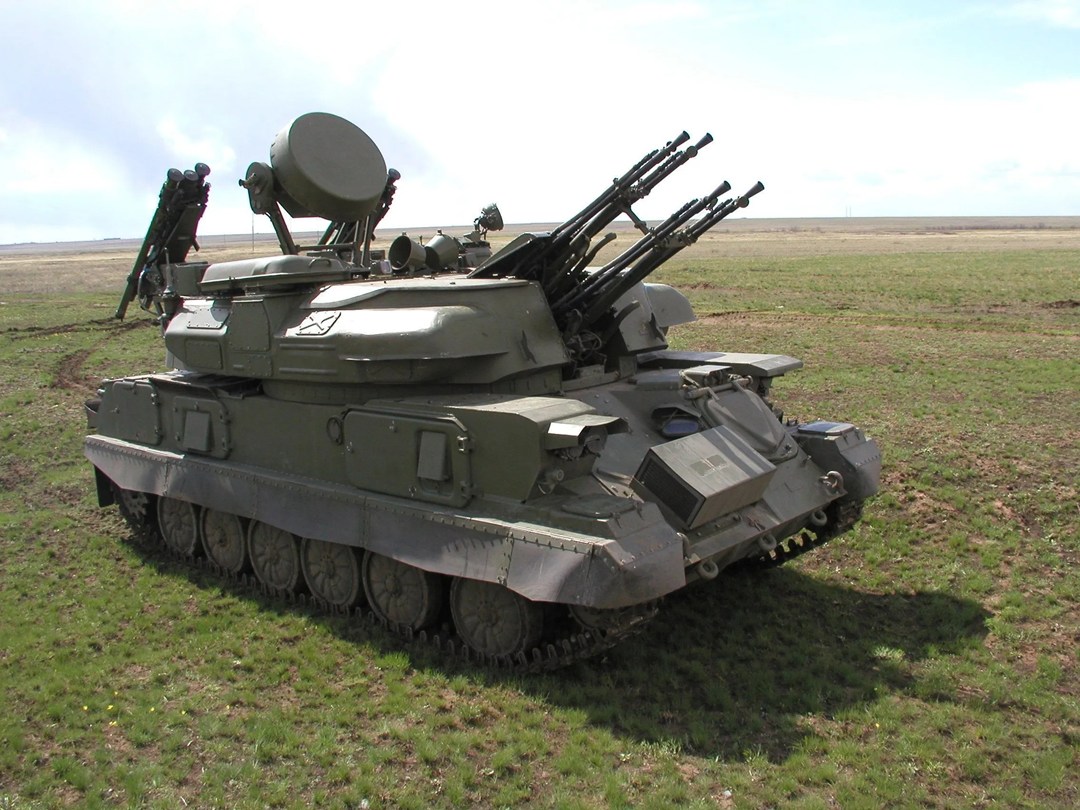


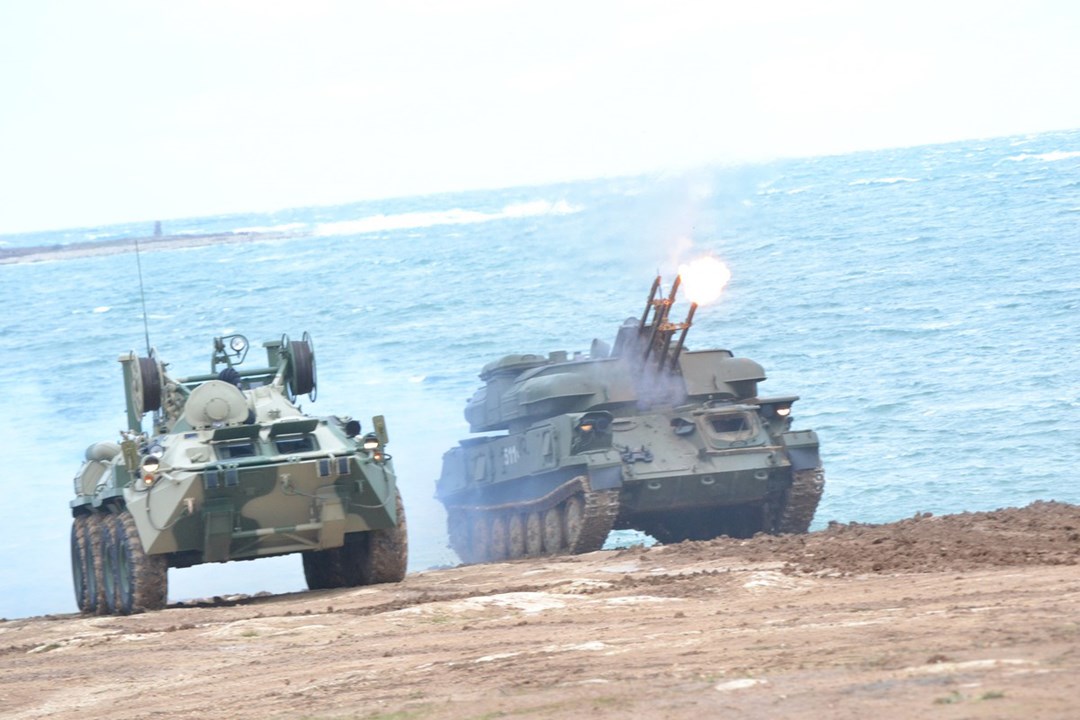

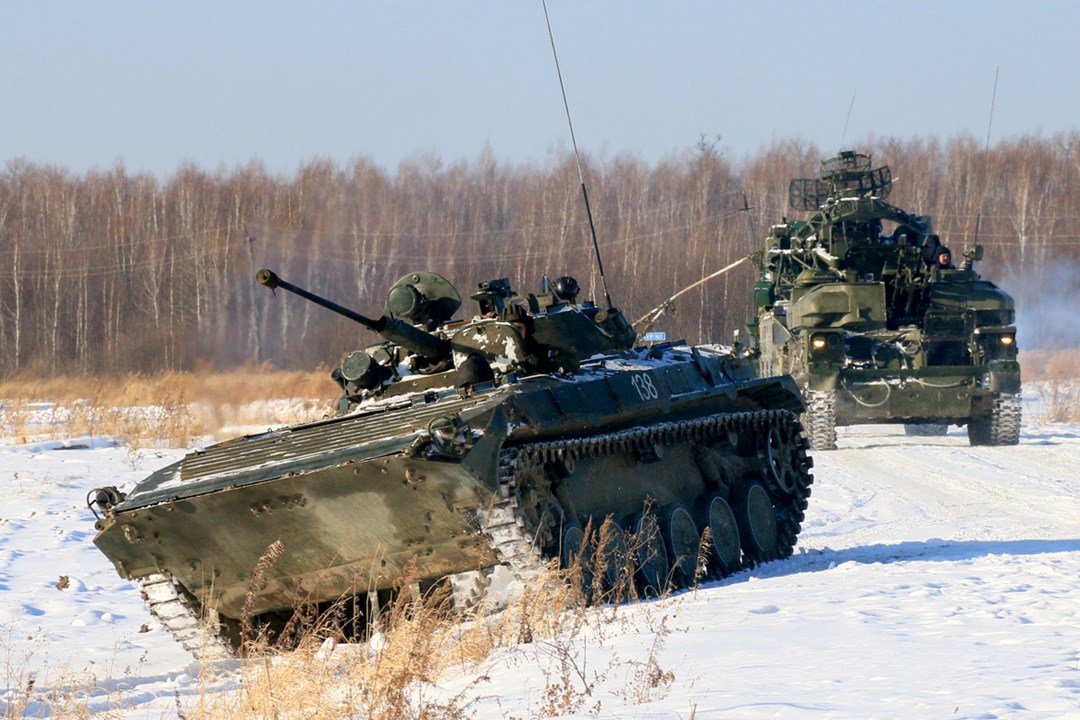

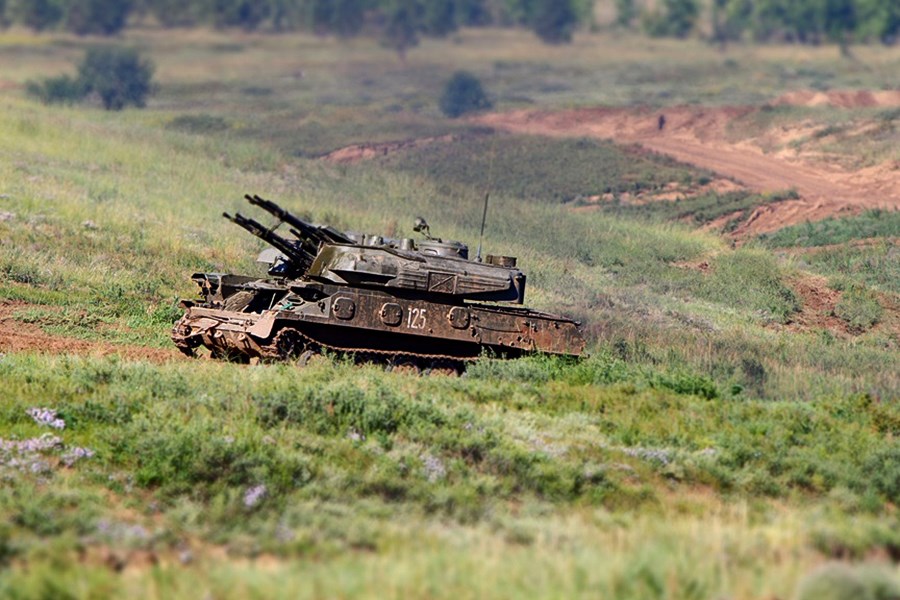

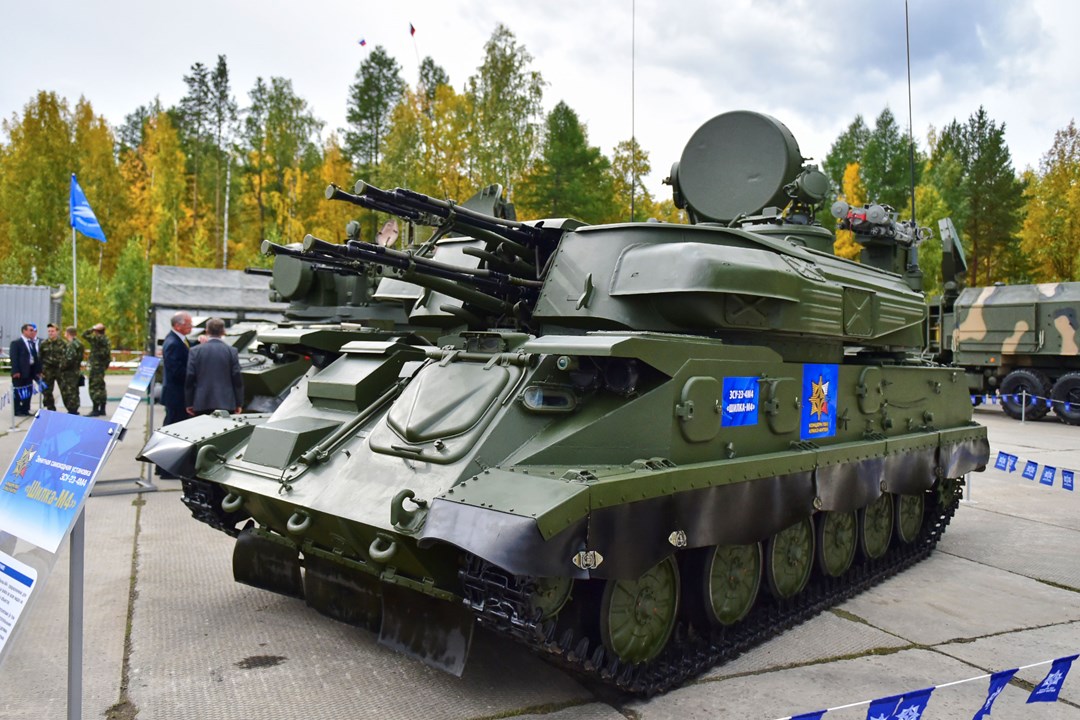
The ZSU-23-4 Shilka is a self-propelled anti-aircraft gun (SPAAG) system developed by the former Soviet Union in the 1960s. The Shilka was based on the PT-76 amphibious armored vehicle tracked chassis and designed to engage both fixed- and rotary-wing aircraft flying at low altitude either stationary or on the move. In addition, ZSU-23-4 can engage ground/surface targets. The ZSU-23-4 was first reported by Western intelligence in 1965. It has been fielded by the Soviet Army, now Russian Army, and several Soviet Union customers. It was successfully deployed by the Egyptian Army in 1973 against Israel and the Vietnamese Army against the United States. Iraq also utilized the Shilka air defense system against the United States in 1991. The ZSU-23-4 weapon system consists of a turret-mounted four liquid-cooled 23mm 2A7/AZP-23 automatic cannons and a search and fire control radar system. The four cannons provide a combined maximum rate of fire of 800-1,000 rounds per minute. The hit probability for an aerial target varies from 0.07 to 0.12. Each Shilka air defense system carries 2,000 23mm rounds. Powered by a 280-hp diesel engine the Shilka achieves a top speed of 44 kilometers per hour. The ZSU-23-4M is an upgraded version offered by the Russians in the early 2000s. The modernized Shilka features increased hit probability against aerial targets using a new radar system providing a detection range of 34 kilometers versus 12 km in early models. The ZSU-23-4M hit probability varies from 0.3 to 0.6 including maneuvering targets. In addition, the upgraded ZSU-23 includes: digital computer; data-link to be integrated into sophisticated air defense systems; built-in simulator and self-diagnosis systems; air conditioning system; and reduction of Infrared (IR) signature. Optional equipment for the ZSU-23-4M includes IFF transponder and two Strelets-23 launchers each with three Igla surface-to-air missiles. The current production version, ZSU-23-4M4, can be fitted with a set of control equipment and two Strelets launch modules designed to fire four Igla-type missiles, an IFF unit, and an electro-optical target search-and-track system. It is capable of detecting and engaging aircraft, helicopters and other low-altitude air targets, as well as ground and above-water targets.
deagel.com: https://www.deagel.com/x/x/a001864