Proton M
Proton M
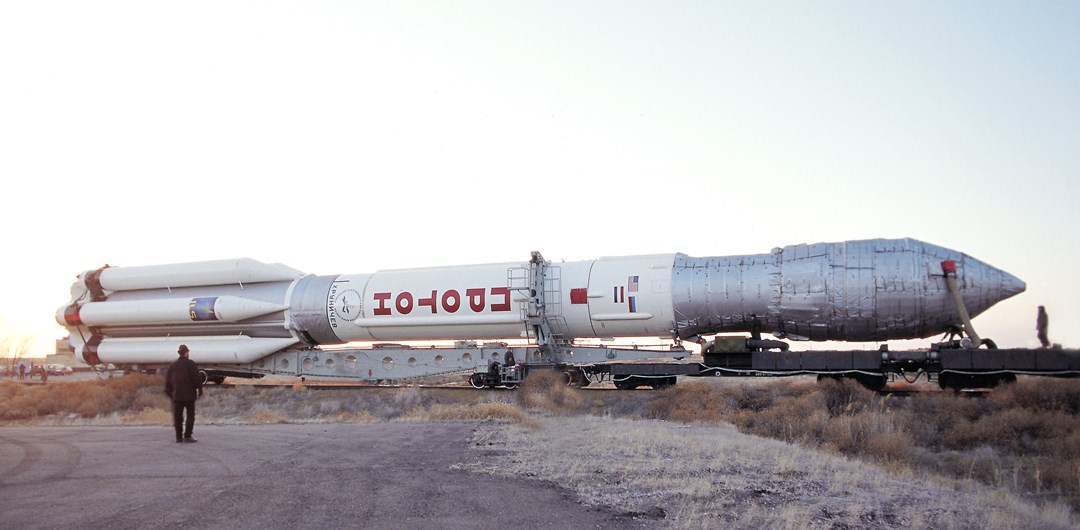
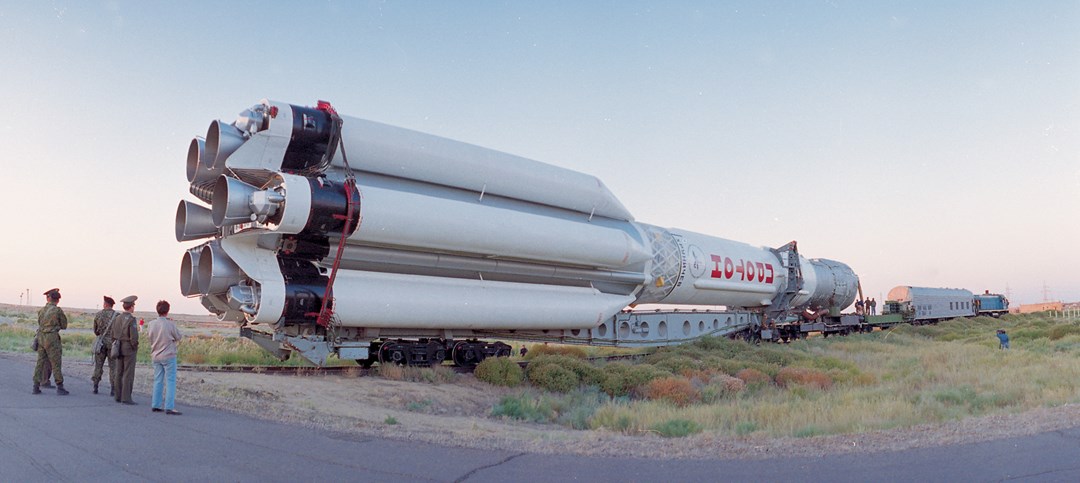
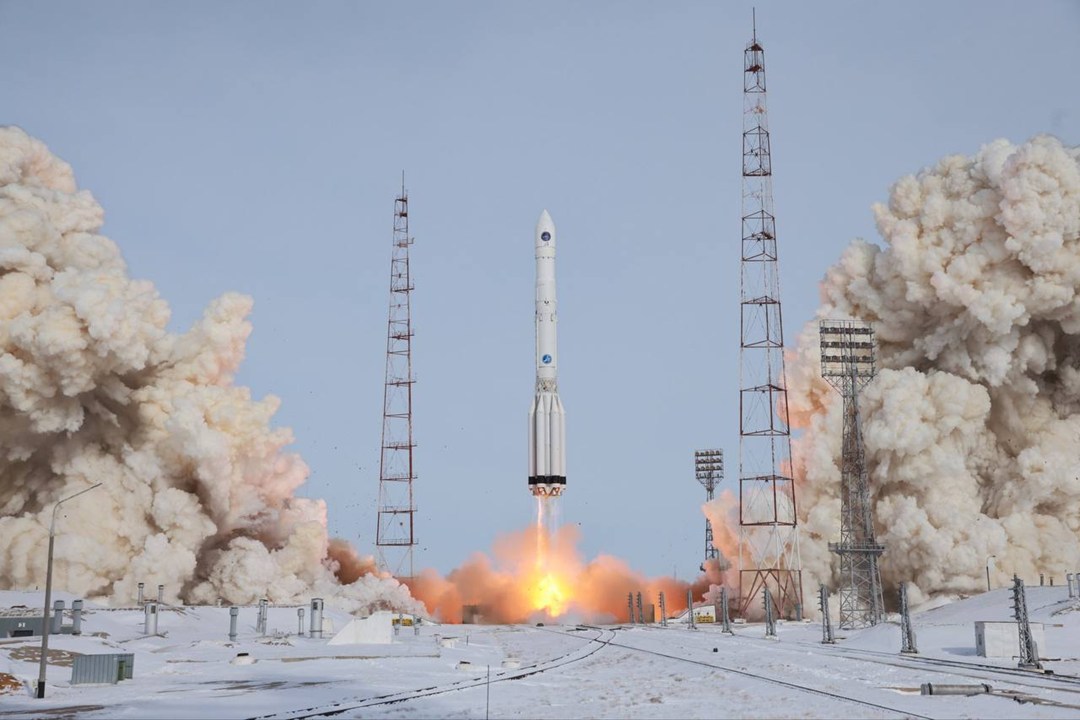
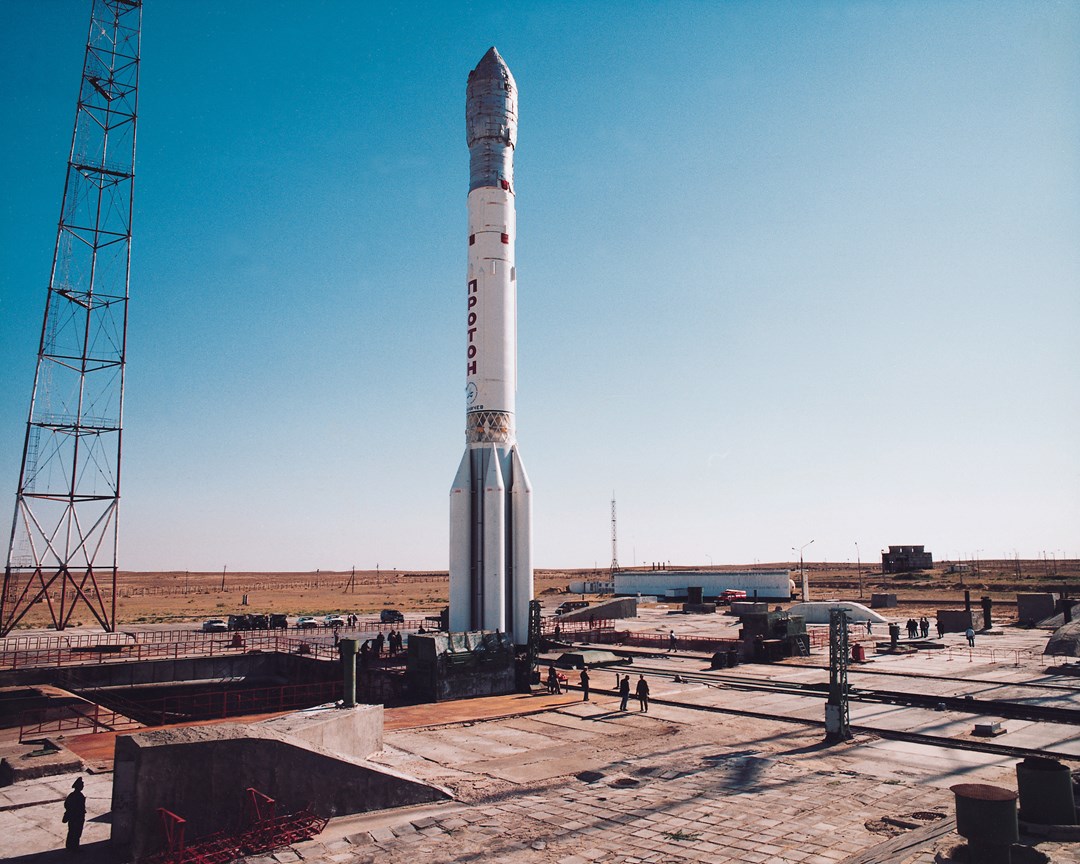
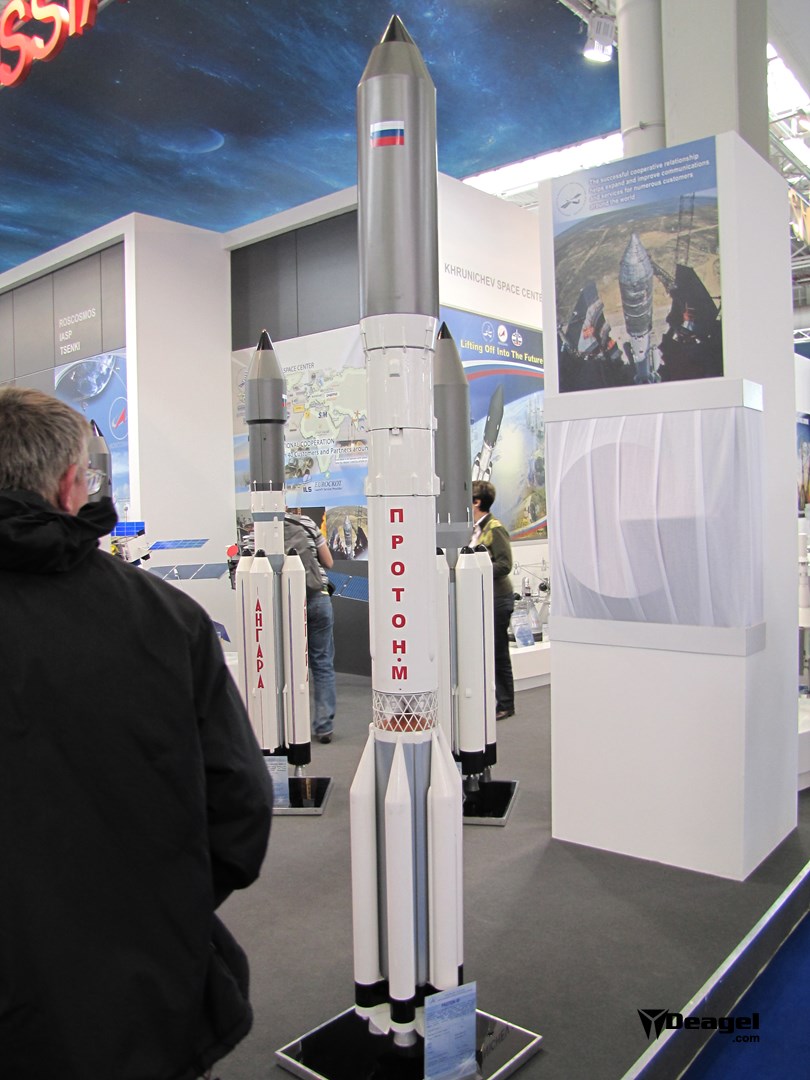
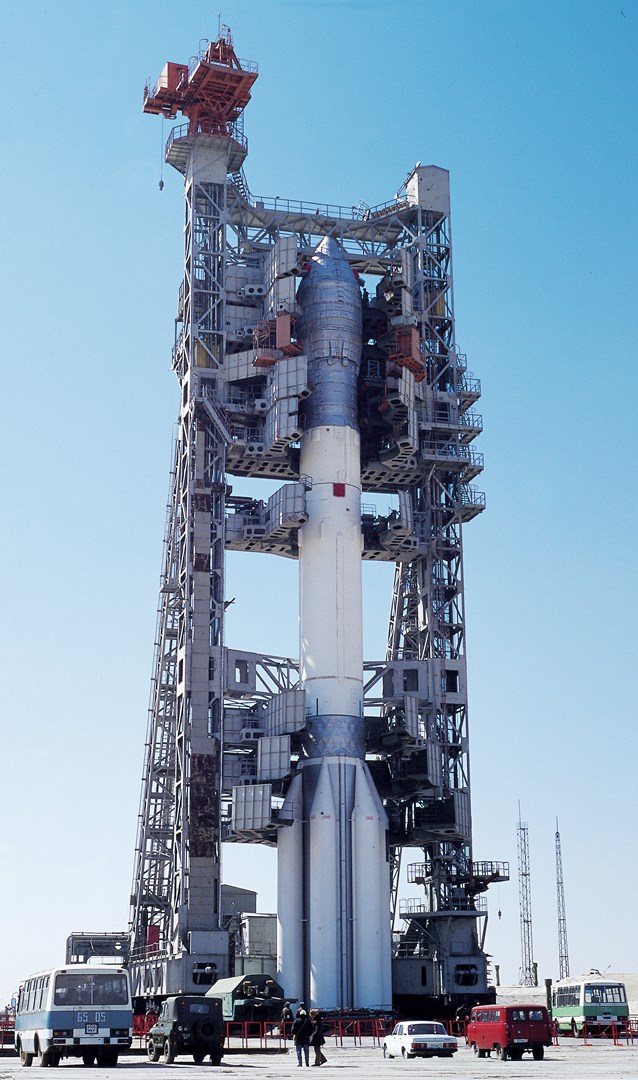
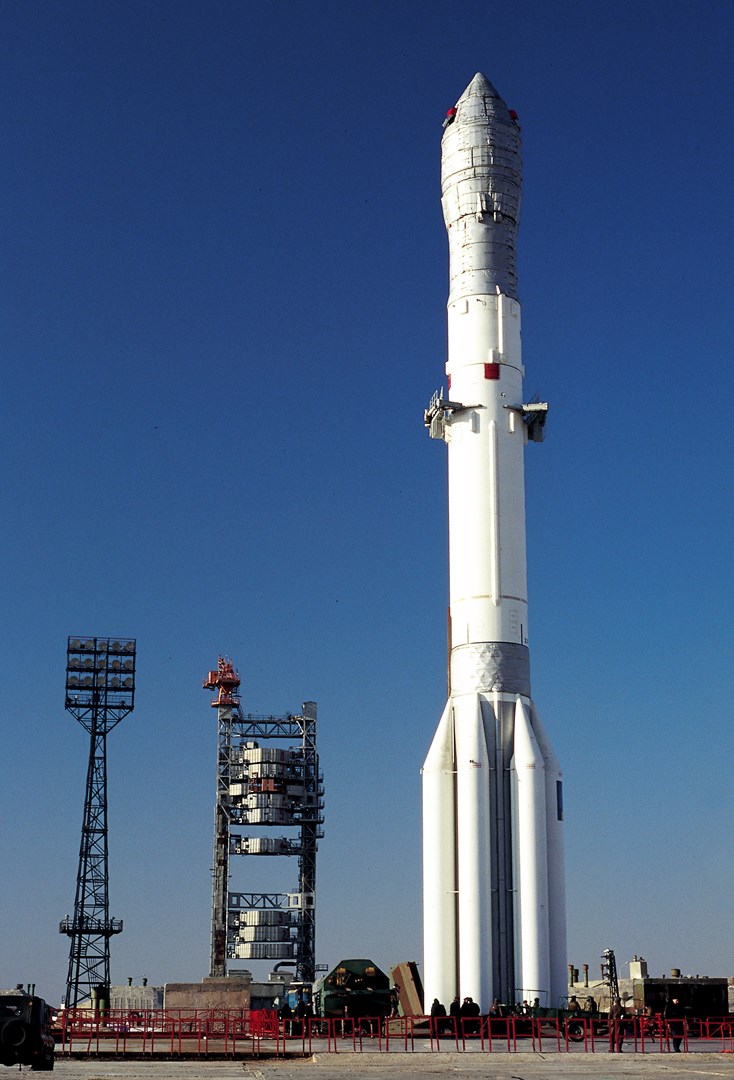
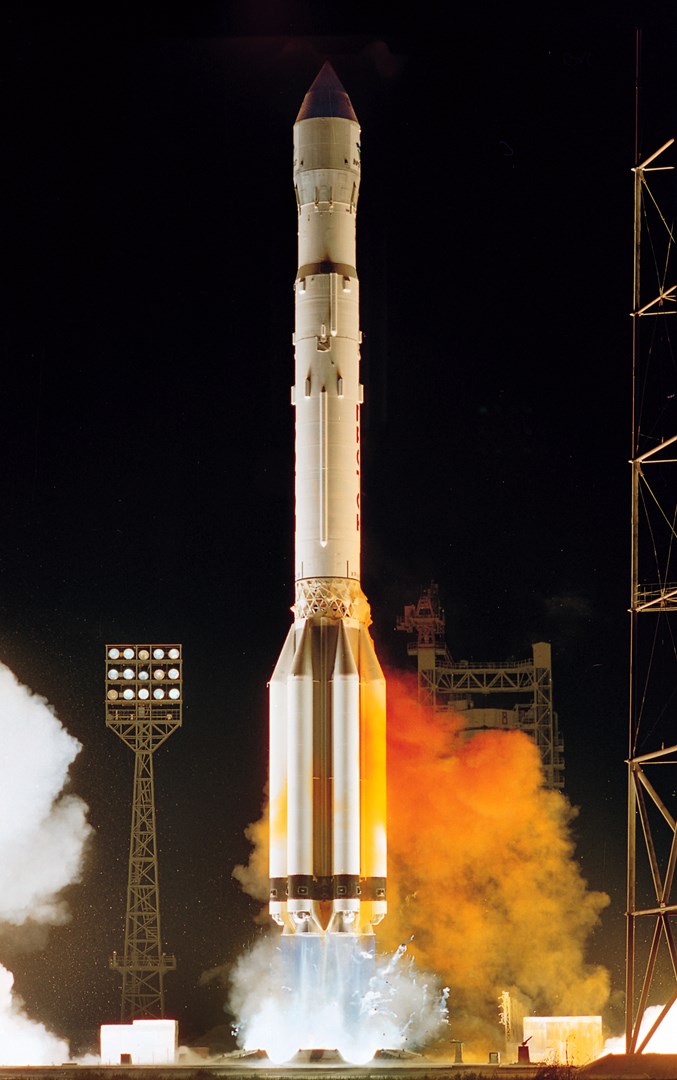
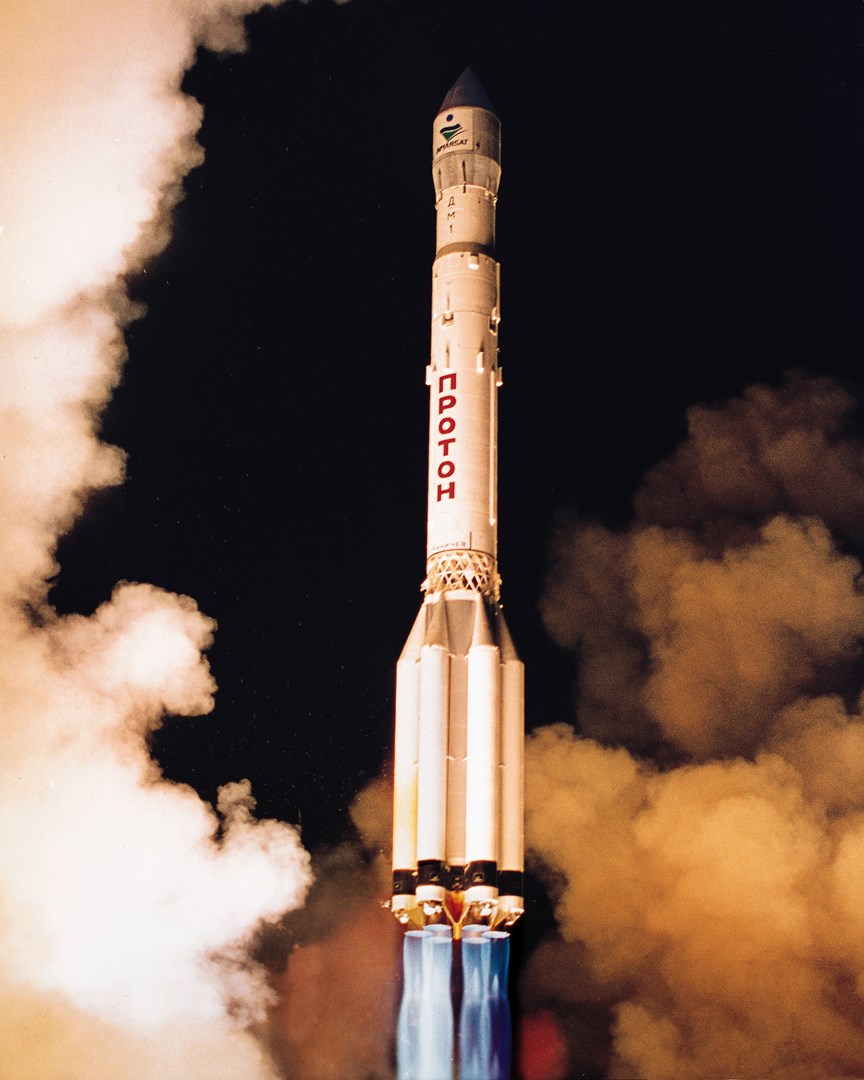
The Khrunichev Proton heavyweight launch vehicle development began in the early 1960s under the Soviet Union and the first launch occurred in 1965. The Proton is one of the most reliable launch vehicles produced in the former Soviet Union with an estimated reliability rate of 96 percent (0.96), and nowadays is being operated by Russia to put satellites into geosynchronous and International Launch Services (ILS) for international commercial customers. The Proton M is an improved version derived from the Proton K launch vehicle and introduced in 2001. The newest version is aimed at delivering payloads into designated geostationary orbits thus making possible the delivery of spacecrafts which are not equipped with an apogee engine. The four-stage Proton M propulsion system consists of six RD-253 rocket boosters (first stage), four RD-0210 boosters (second stage), one RD-0210 booster (third stage), and one Breeze M upper stage motor (fourth stage). All the stages are fueled by hypergolic propellant components: unsymmetrical dimethyl hydrazine as fuel, and nitrogen tetroxide as oxidizer. The whole launch system is able to lift payloads of 5,500 kg (12,125 lb) to the Geosynchronous Transfer Orbit (GTO). Proton M launch vehicle can lift a 22-ton payload into low Earth orbit at an altitude of 200 km, a 19.7-ton payload into a a low Earth orbit at an altitude of 350 km, a 3,000-3,200 kg payload directly into a geostationary orbit at an altitude of 36,000 km, and a 4,800-5,500 kg payload into a geostationary transfer orbit at 5,500 km of altitude which requires the payload to be equipped with an apogee motor to reach the geostationary orbit at 36,000 km of altitude. The Proton M booster shares 84 percent components commonality with legacy Soviet launch systems while the implementation of advanced materials has reduced the overall vehicle mass and improved the vehicle's performance. This modernized launch vehicle also features western digital avionics, upgraded control system and new hypergolic propellant. These modifications have improved the performance while increasing dramatically the launch vehicle's payload. The payload fairing has been enlarged to allow more room for payloads (98-150 cubic meters). The last flight of Proton M rocket was carried out in March 2023. Another flight is planned for December 2025.
deagel.com: https://www.deagel.com/x/x/a000233