Eurofighter Typhoon EF-2000 European Multirole Fighter Aircraft
Eurofighter
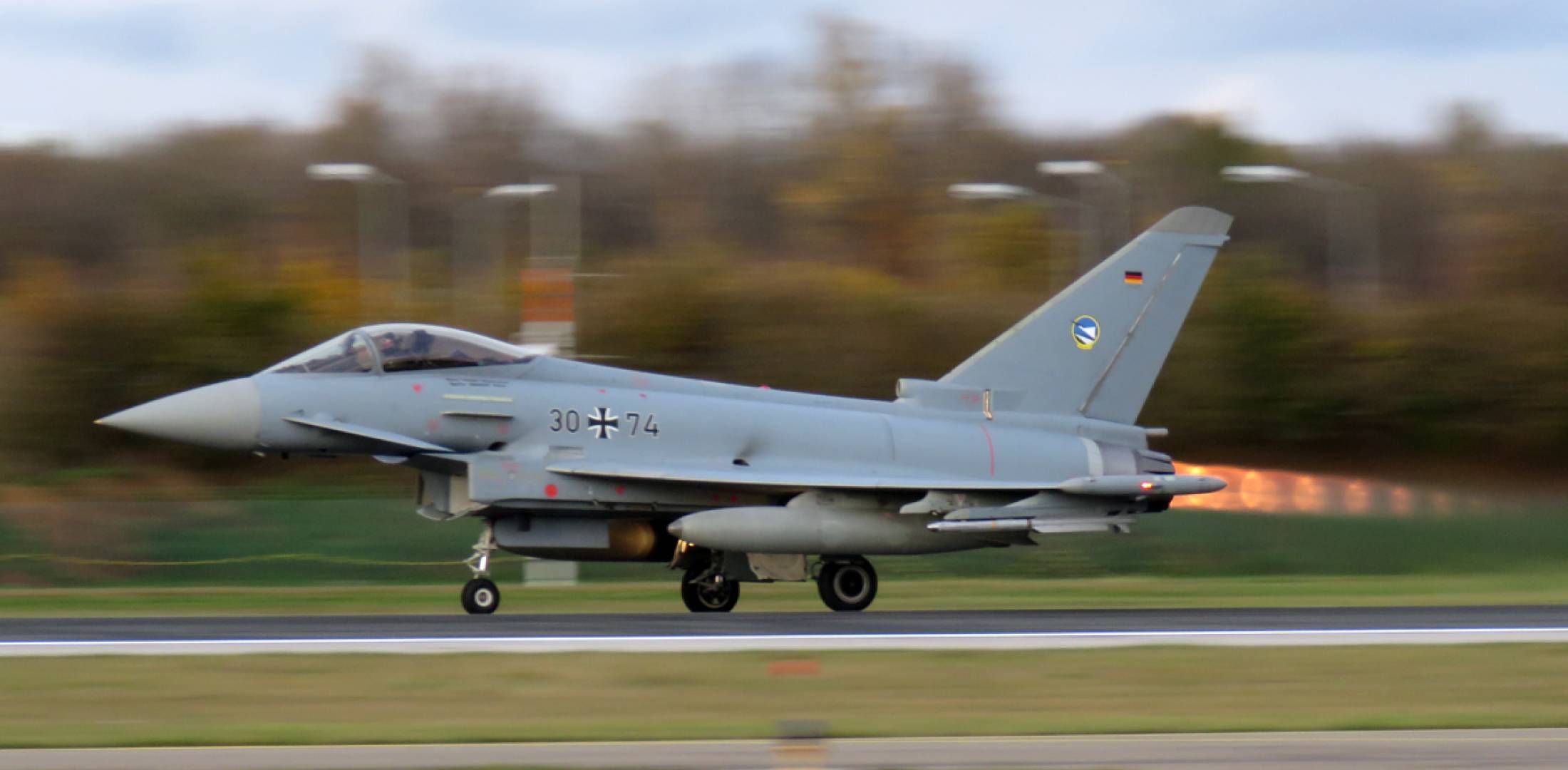
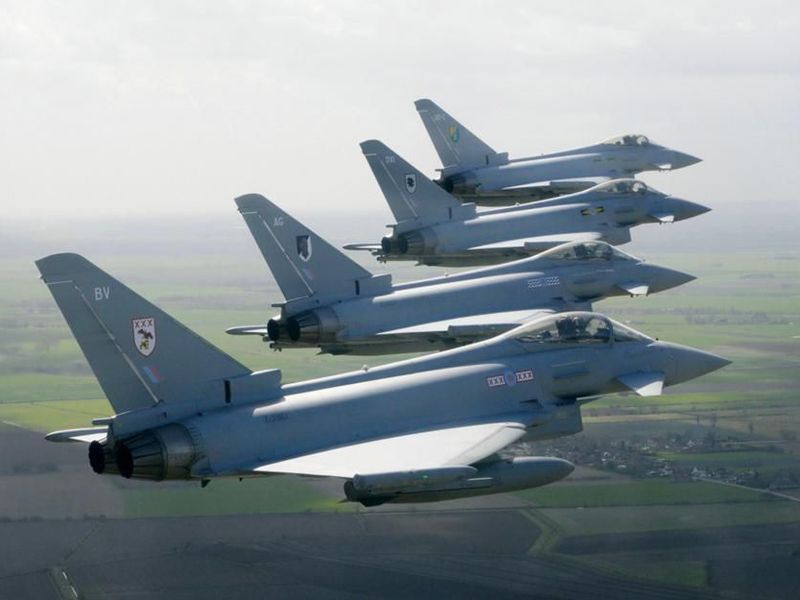
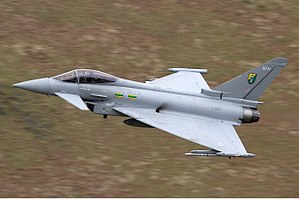
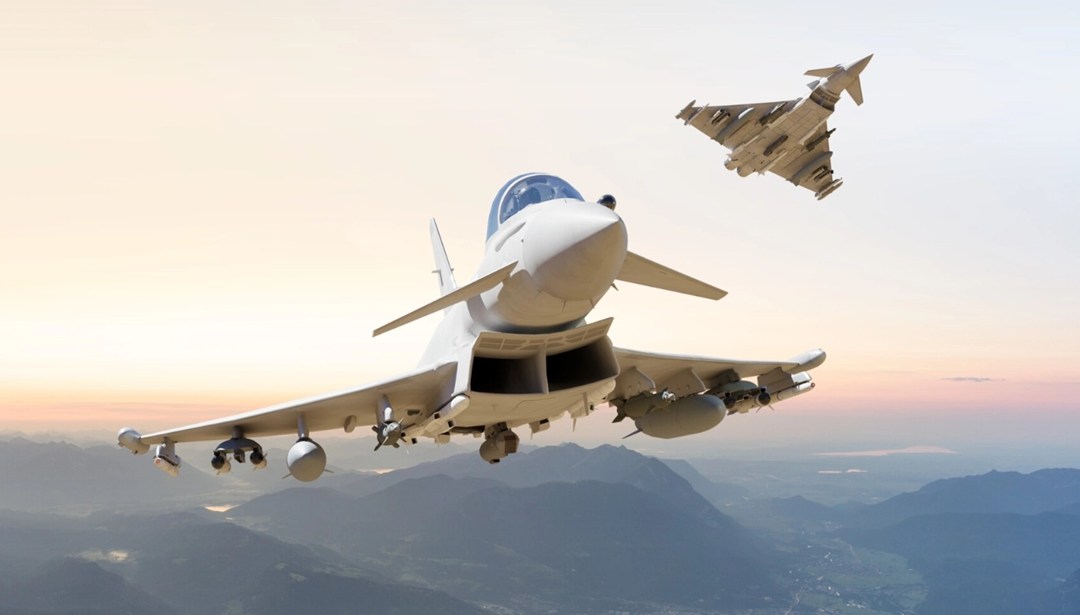
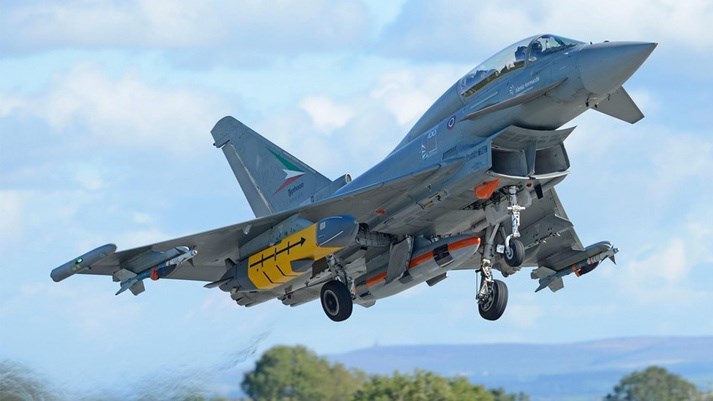
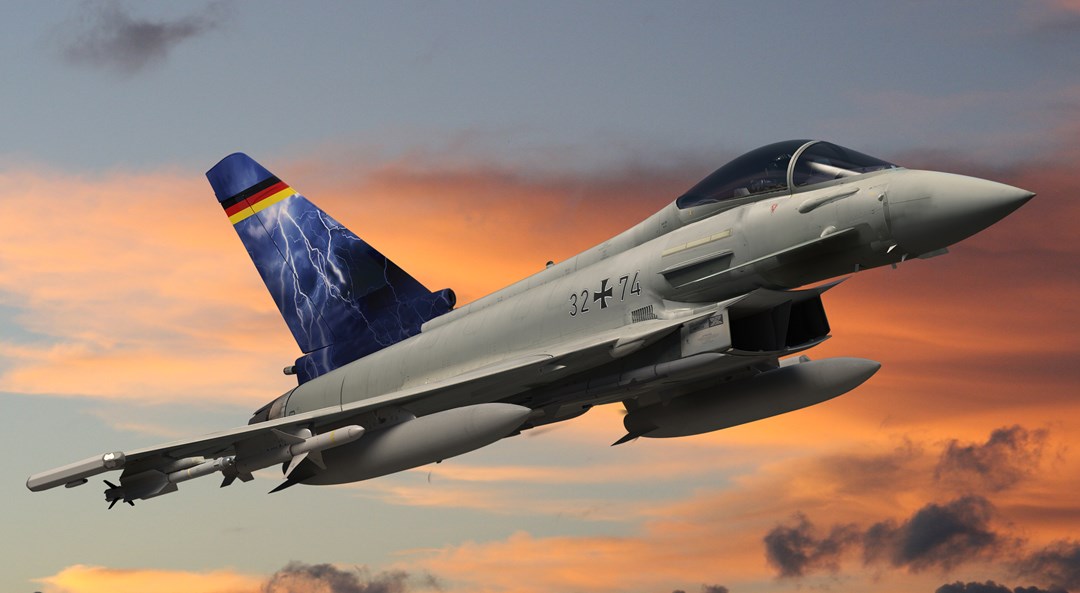
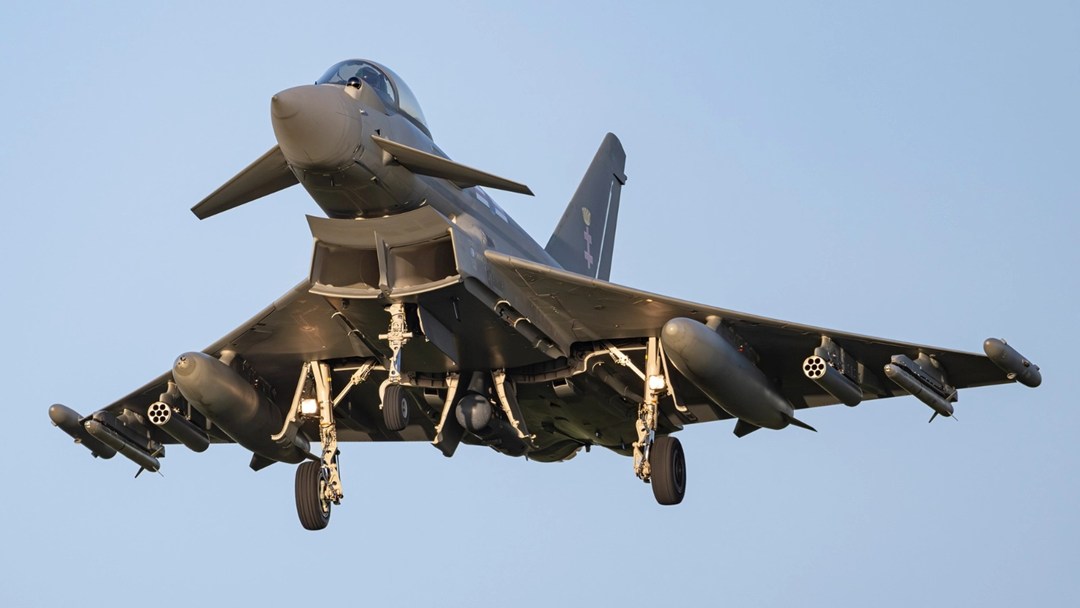
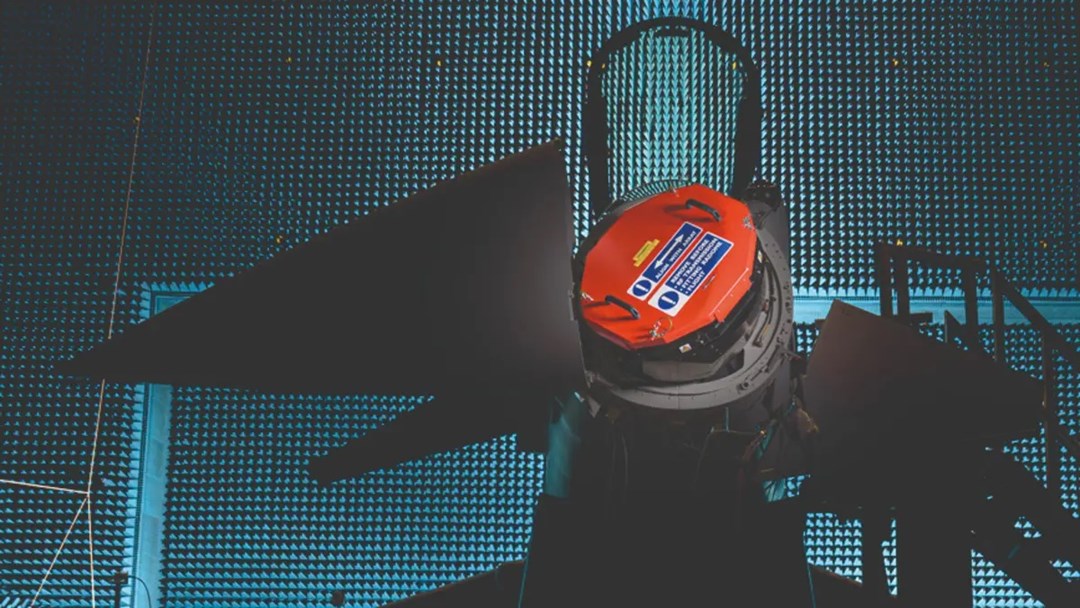
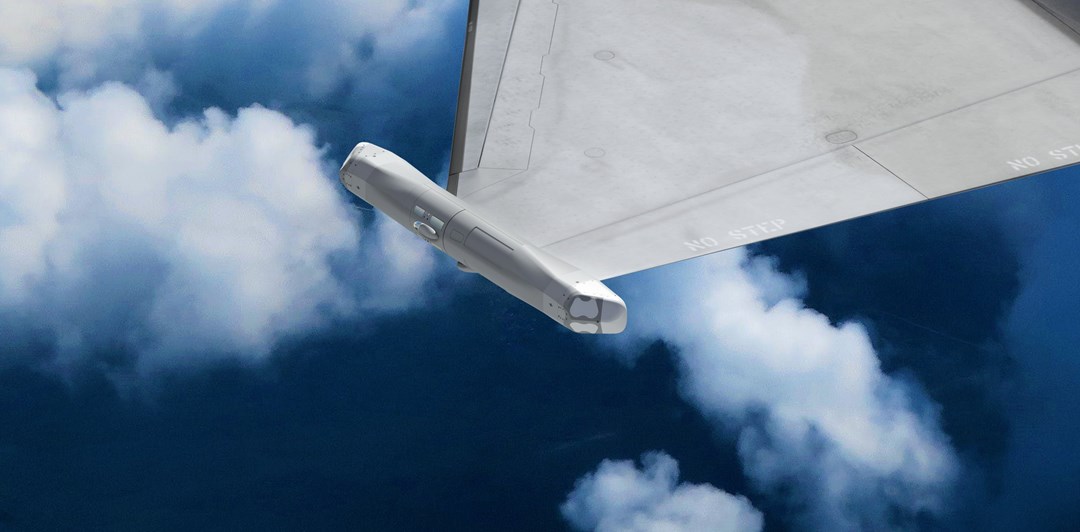
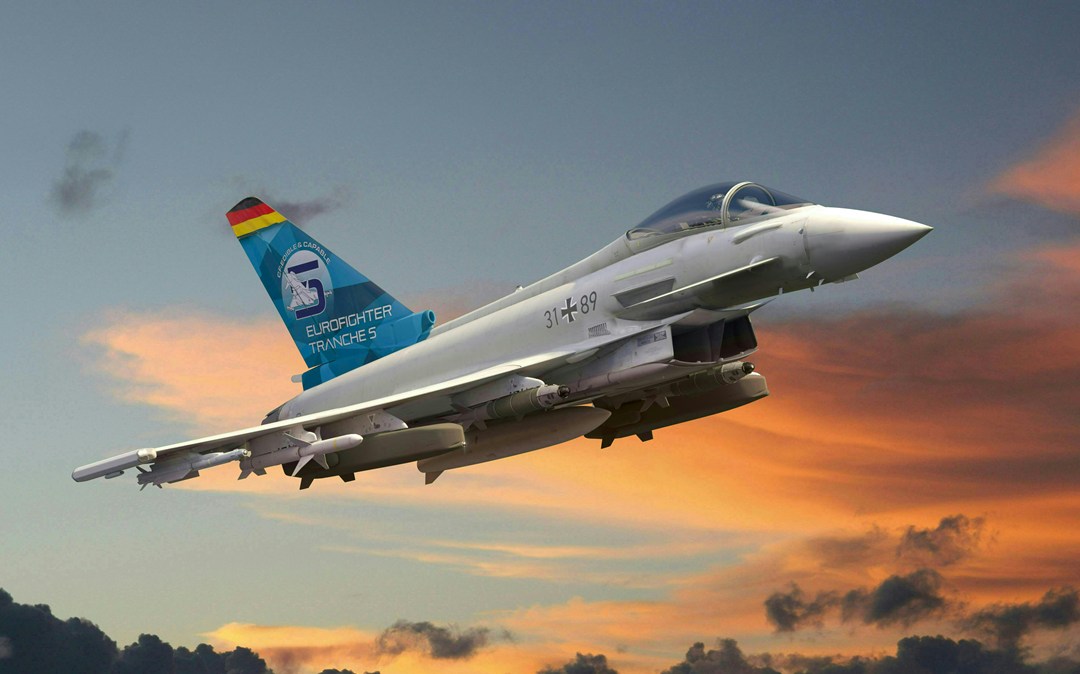
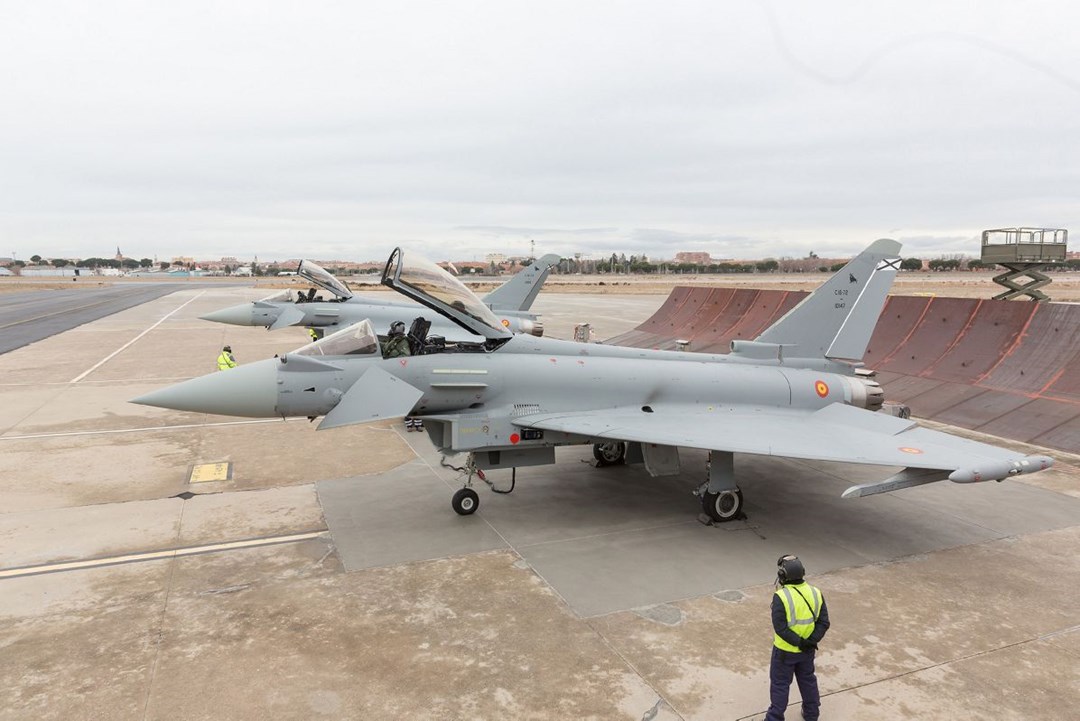
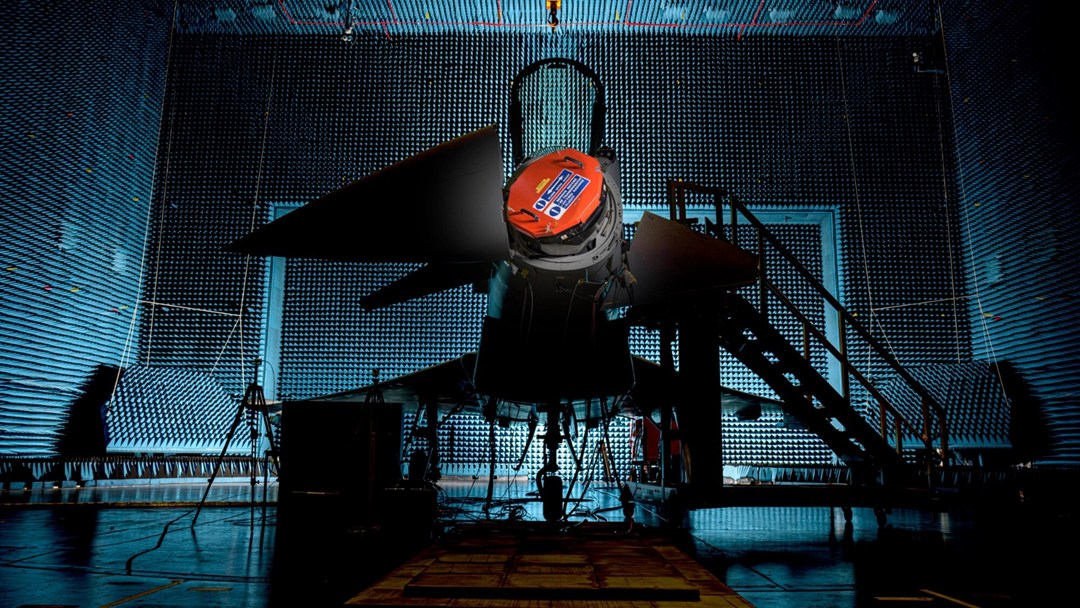
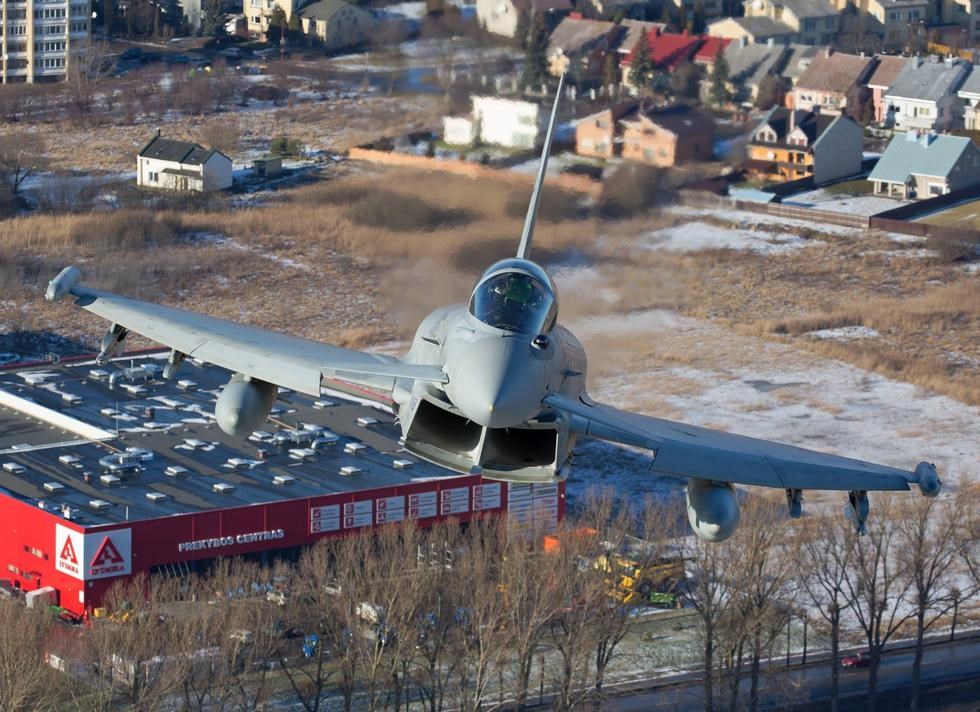
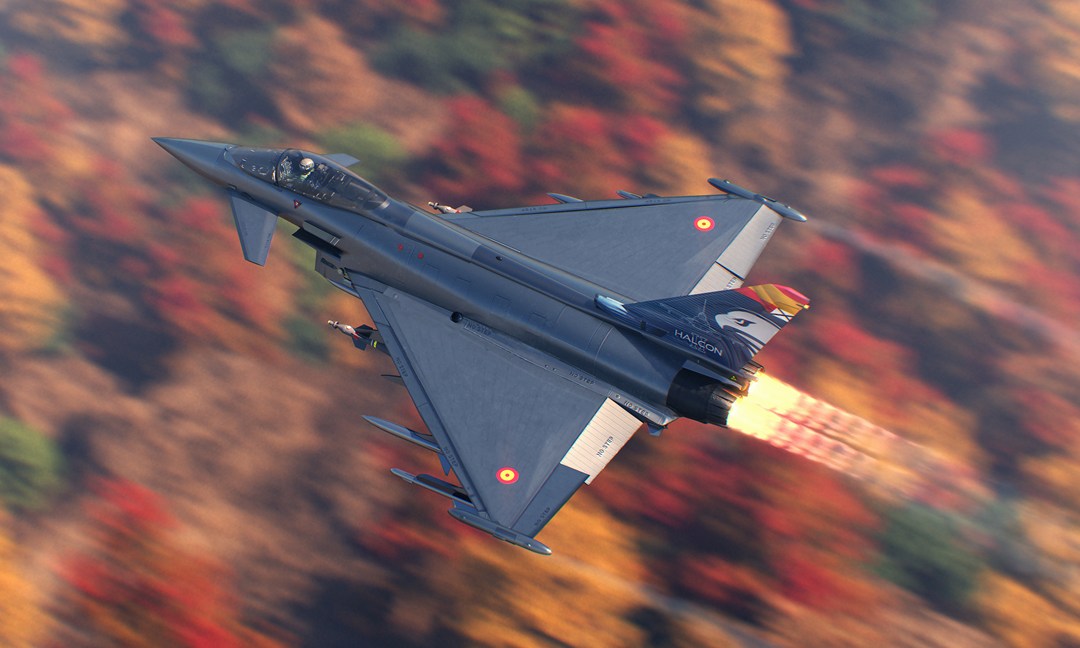
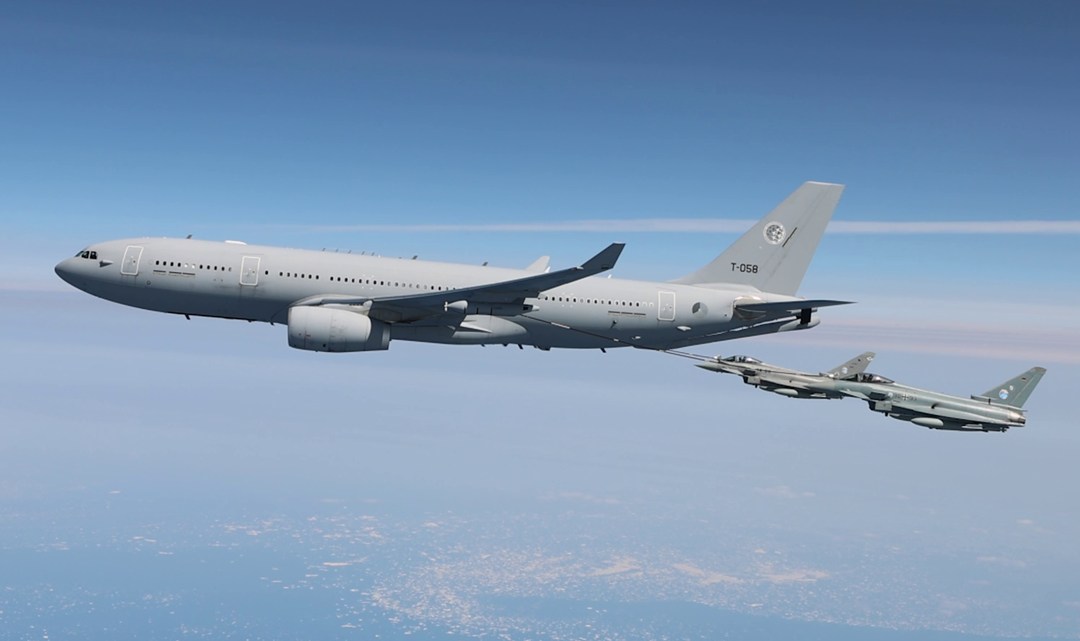
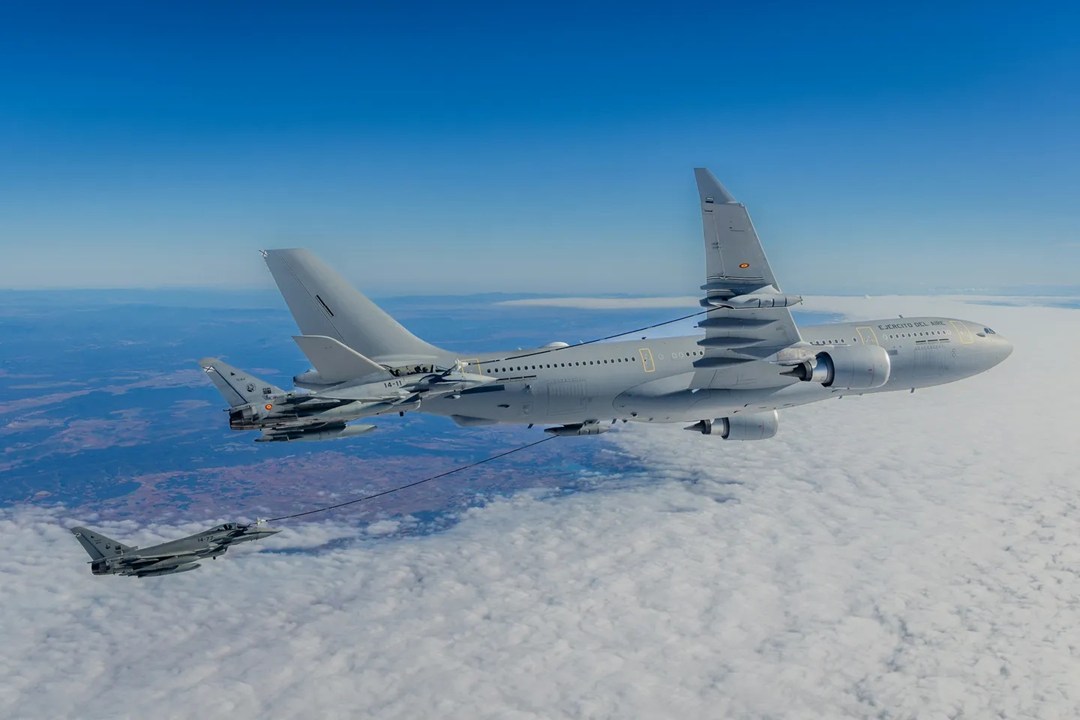
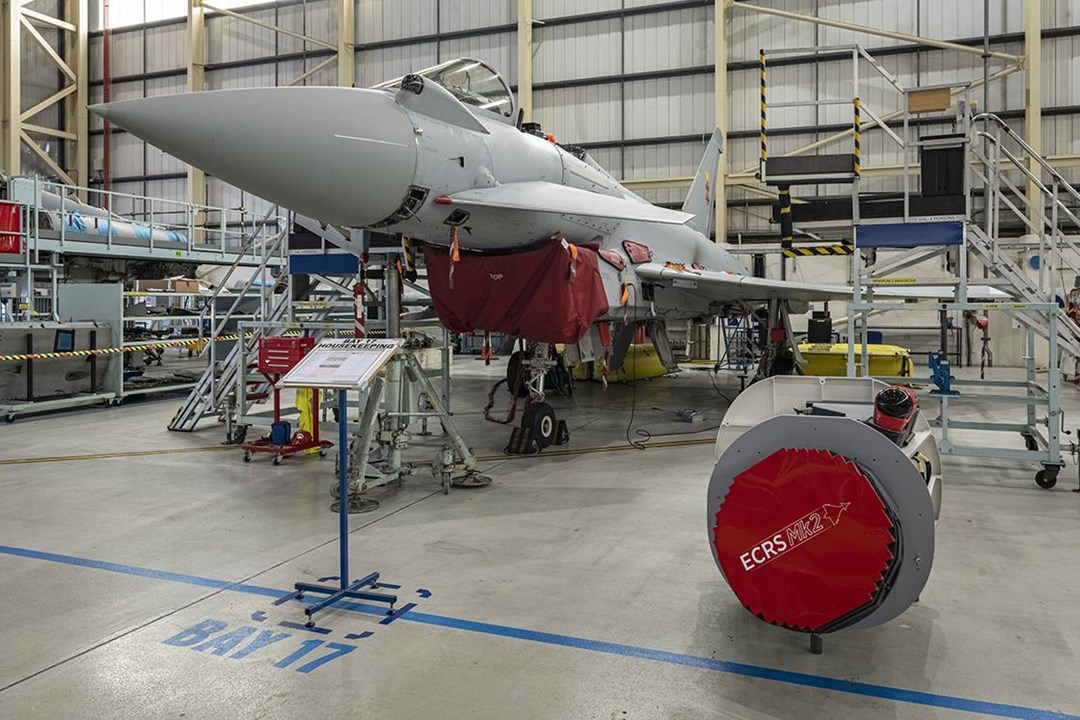
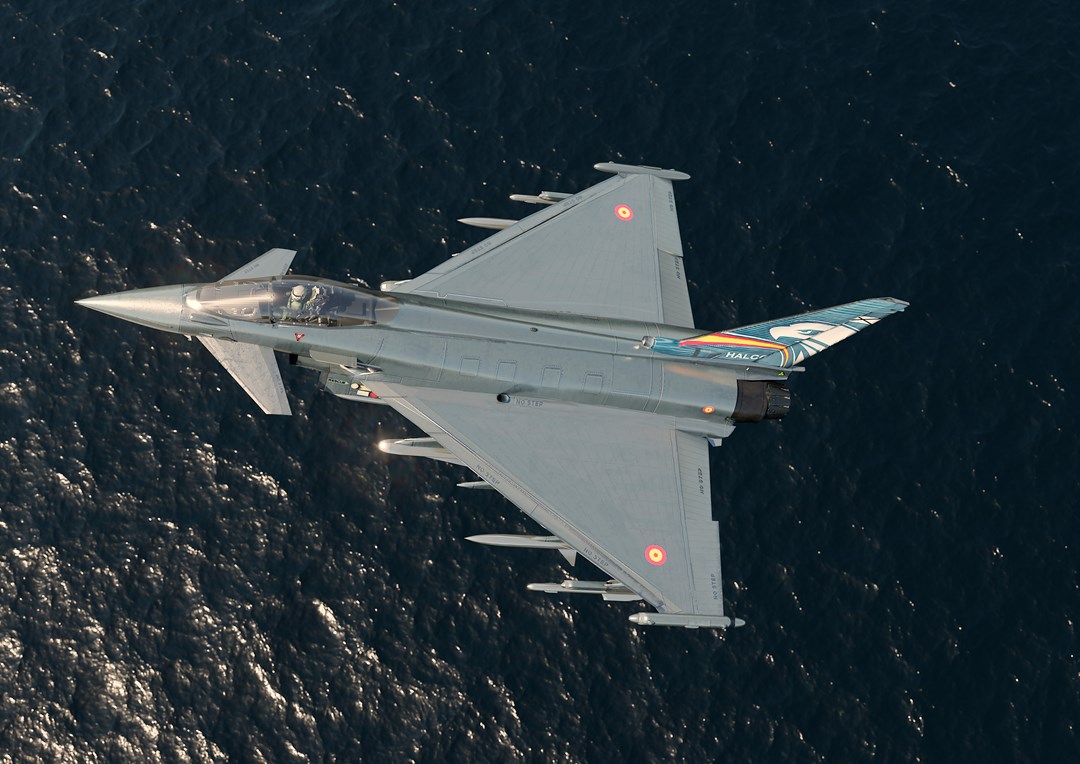
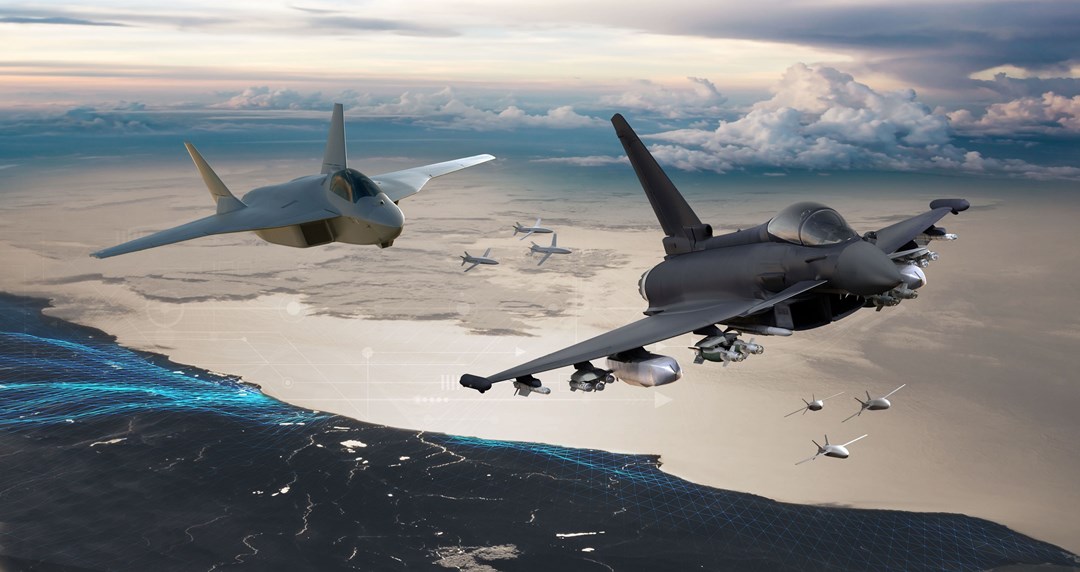
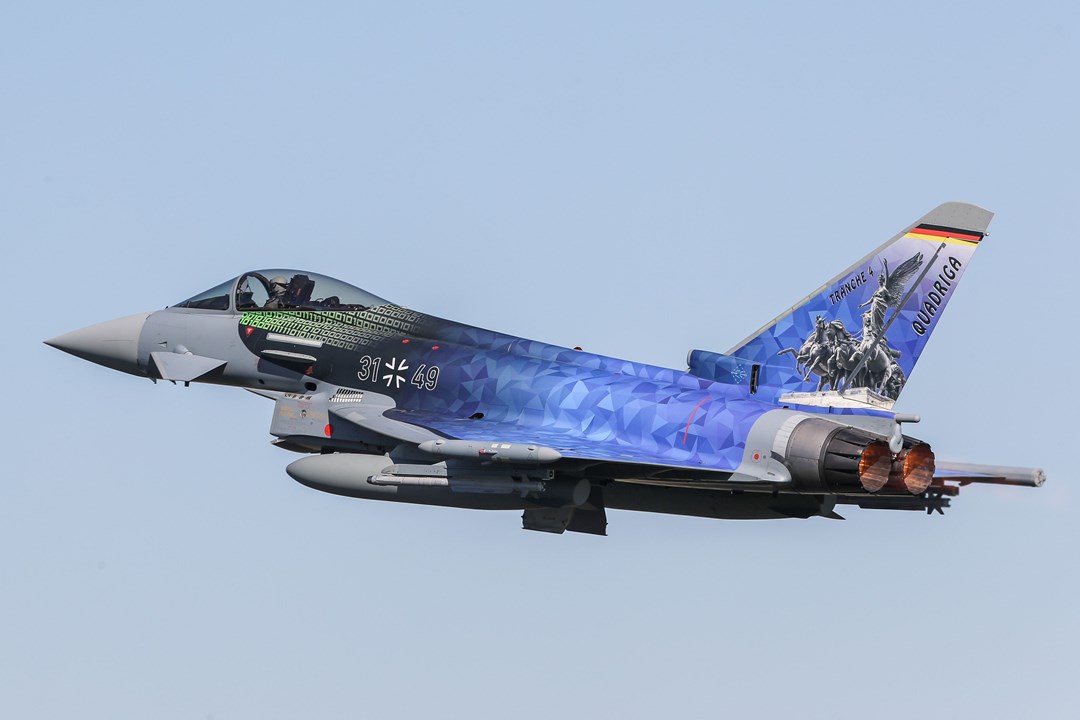
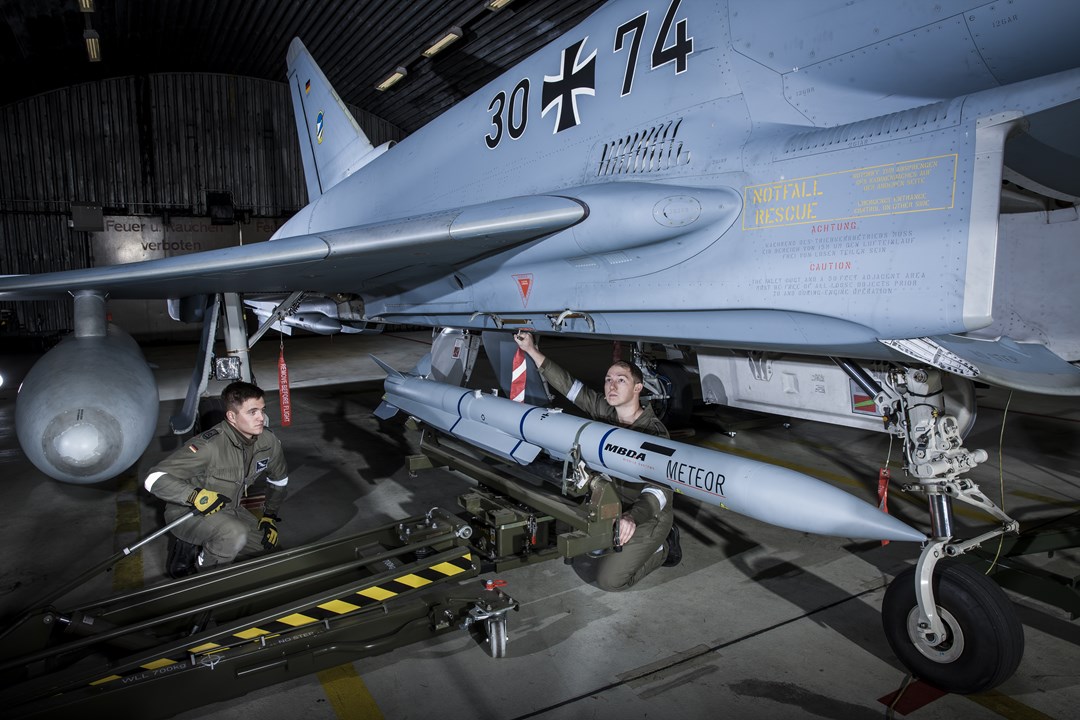
The Eurofighter Typhoon is a twin-engine, canard–delta wing, multirole fighter. The Typhoon was designed originally as an air superiority fighter and is manufactured by a consortium of Airbus, BAE Systems and Leonardo that conducts the majority of the project through a joint holding company, Eurofighter Jagdflugzeug GmbH formed in 1986. NATO Eurofighter and Tornado Management Agency manages the project and is the prime customer. The aircraft's development effectively began in 1983 with the Future European Fighter Aircraft programme, a multinational collaboration among the UK, Germany, France, Italy and Spain. Disagreements over design authority and operational requirements led France to leave the consortium to develop the Dassault Rafale independently. A technology demonstration aircraft, the British Aerospace EAP, first took flight on 6 August 1986; the first prototype of the finalised Eurofighter made its first flight on 27 March 1994. The aircraft's name, Typhoon, was adopted in September 1998; the first production contracts were also signed that year. Political issues in the partner nations significantly protracted the Typhoon's development: the sudden end of the Cold War, reduced European demand for fighter aircraft, and the debate over the aircraft's cost and work share. The Typhoon entered operational service in 2003; it has entered service with the air forces of Austria, Italy, Germany, the United Kingdom, Spain and Saudi Arabia. The air forces of Oman, Kuwait and Qatar are export customers, bringing the procurement total to 623 aircraft as of 2019. The Eurofighter Typhoon is a highly agile aircraft, designed to be a supremely effective dogfighter in combat. Later production aircraft have been increasingly better equipped to undertake air-to-surface strike missions and to be compatible with an increasing number of different armaments and equipment, including Storm Shadow and the RAF's Brimstone. The Typhoon had its combat debut during the 2011 military intervention in Libya with the UK's Royal Air Force and the Italian Air Force, performing aerial reconnaissance and ground-strike missions. The type has also taken primary responsibility for air-defence duties for the majority of customer nations. The Typhoon is a highly agile aircraft both at supersonic and at low speeds, achieved through having an intentionally relaxed stability design. It has a quadruplex digital fly-by-wire control system providing artificial stability, as manual operation alone could not compensate for the inherent instability. The fly-by-wire system is described as "carefree", and prevents the pilot from exceeding the permitted manoeuvre envelope. Roll control is primarily achieved by use of the ailerons. Pitch control is by operation of the canards and ailerons, because canards disturbs airflow to inner elevons (flaps). The yaw control is done by big single rudder. Control surfaces are moved through two independent hydraulic systems, which also supply various other items, such as the canopy, brakes and undercarriage; powered by a 4,000 psi engine-driven pumps. Engines are fed by a chin double intake ramp situated below a splitter plate. The Typhoon features lightweight construction (82% composites consisting of 70% carbon fibre composite materials and 12% glass fibre reinforced composites) with an estimated lifespan of 6,000 flying hours. The permitted lifespan, as opposed to the estimated lifespan, was 3,000 hours.
Engines
Weight (kg)
Speed (km/h)
Fuel (liters)
Dimensions (m)
Hardpoints
Combat Radius (km)
Dimensions (m)
Standard Payload (kg)
Survivability/Countermeasures
Weapon & Ammunition Types
Air Superiority Packages
Air Interdiction Package
Suppression of Enemy Air Defense
Close Air Support Package
Maritime Attack Package
Heads-up-display
Head Down Display
deagel.com: https://www.deagel.com/x/x/a000442