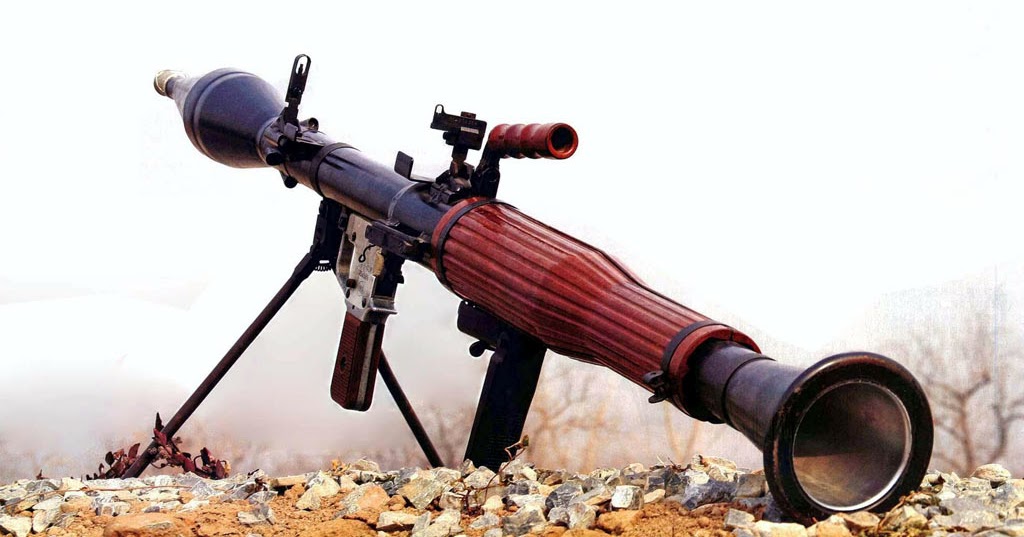
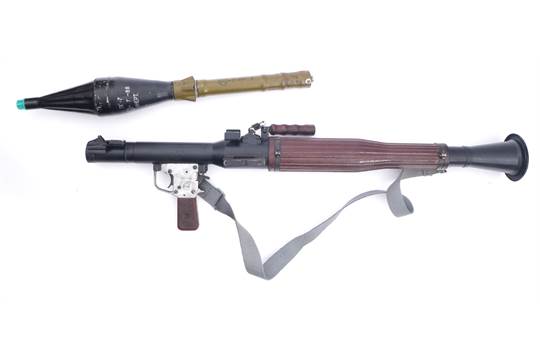
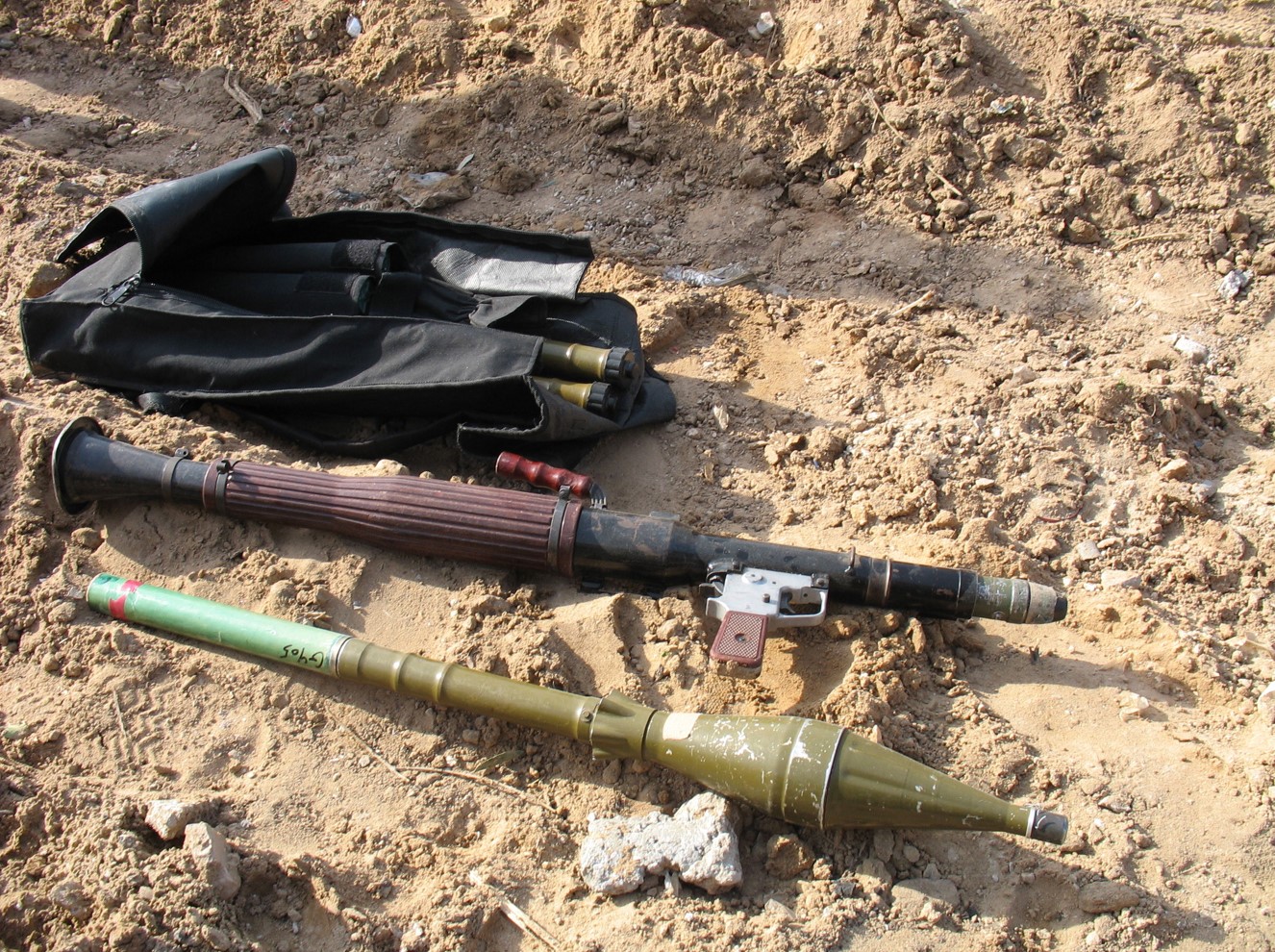
Type 69 RPG Chinese 85mm Rocket Propelled Grenade (RPG)
Rocket-Propelled Grenade Launcher
Spotted an error? Sign in to suggest an edit.
Other
Basic Information
Name
Type 69 RPG Chinese 85mm Rocket Propelled Grenade (RPG)
Designation
—
Alternate Designation
—
Equipment Type
Rocket-Propelled Grenade Launcher
Manufacturer
NORINCO
Date of Introduction
1970
Description
Houthi Proliferation. The Type 69 85mm rocket-propelled grenade (RPG), made by Norinco, is a Chinese variant of the Soviet RPG-7. First introduced in 1972, Type 69 is a common individual anti-tank weapon in service with the PLA. More advanced grenade rounds were developed in the 1980s and 1990s to meet the requirements of modern battlefields. Eventually, the aging Type 69 RPG family was replaced by modern anti-tank weapon systems developed by China such as Type 89 and Type 08.
Ground Specifications
Crew
1
System
Alternate Designation(s)
Type 69 RPG
Type
Rocket Propelled Grenade Launcher
Caliber
85 mm
Manufacturer
Norinco
Crew
1 or 2, depending on situation
Cartridge
40 mm barrel
85 mm warhead
Maximum Firing Range
600 m
Effective Firing Range
200 m
Feed System
one round per shot
Sights
Iron sights. Infrared and night vision sights possible
Dimensions
Length
910 mm
Weight
5.6 kg
Ammunition
RPG Rounds
Although the design of the grenade launcher has not changed significantly since it was introduced in the 1970s, many new types of grenade rounds have been developed over the years to provide enhanced capabilities.
Type 69 high-explosive anti-tank (HEAT)
basic grenade introduced in the PLA during the 1970s with the Type 69. Phased out of PLA service.
Type 69-I hollow charge high-explosive anti-tank
standard HEAT grenade developed for the PLA in the 1980s. The hollow warhead was created with improved armor-piercing capabilities.
Type 69-II HEAT
The same as the Type 69-I HEAT grenade, except that it is improved to defeat modern armored vehicles that are equipped with anti-tank missile plating.
Type 69-III HEAT
The same as the Type 69-II, increased range and further improved armor-piercing abilities.
Type 84 HEAT
Made in the 1980s as a lighter warhead with the ability to be fired from long range with claims that the rocket is not affected by side winds. Usable with both Type 69 and 69-I rocket launchers.
Type 69 75mm airburst anti-personnel high-explosive (HE)
Created for anti-personnel purposes. This is mostly meant to combat against entrenched forces since the rocket, after gaining impact on the ground, bounces to a height of around 2m then airbursts over the target area, scattering about 800 anti-personnel steel balls over a lethal radius of 15 m.
HE/HEAT
Used for anti-armor and anti-personnel combat. Even though it has 1,500 prefabricated fragments which scatter over a 20 m radius on detonation, the rocket retains its anti-tank capabilities.
Anti-personnel high-explosive incendiary (HEI)
Created for use in certain environments such as jungles and mountains, it has 900 steel balls and 2,000 to 3,000 incendiary pellets that scatter over a 15 m radius on detonation.
Tandem-warhead anti-tank grenade
Thought to have been used in the 1990s, it is meant to penetrate vehicles with explosive reaction armor or ERA. Even though it can not defeat most modern vehicles, lighter vehicles such as APCs and AFVs can be destroyed with this rocket.
Illumination grenade
Equipped with a small parachute to suspend it in mid-air while being used, its effective range is 600 m with the braking ring and 1,500 m without it.
Image Sources
Details
Country of Origin
China
Category
Rocket Launchers
Land > Infantry Weapons > Rocket Launchers
Filter Label
T
Classification
Domain
Ground
Equipment Status
Active
Dimensions
Length
0.91 m
Width
—
Height
—
Weight
5.6 kg
Operators (40)
China
Iran
North Korea
Pakistan
Afghanistan
Albania
Algeria
Bangladesh
Bolivia
Burkina Faso
Burundi
Cambodia
Central African Republic
Chile
Congo, Republic of the
Egypt
Eritrea
Estonia
Georgia
Ghana
Iraq
Laos
Latvia
Lebanon
Lithuania
Malta
Morocco
Mozambique
Myanmar
Niger
Palestine
Romania
Rwanda
Sierra Leone
Somalia
Sudan
Thailand
Uganda
Zimbabwe
Non-State Actors
Something went wrong. Please reload the page.
Reload