IMR-2 Russian Combat Engineering Vehicle
IMR-2
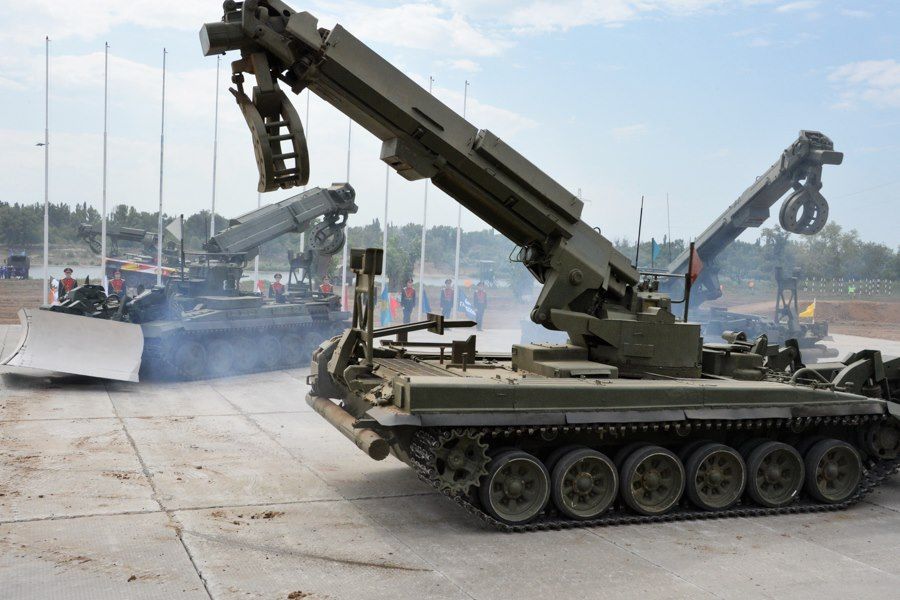
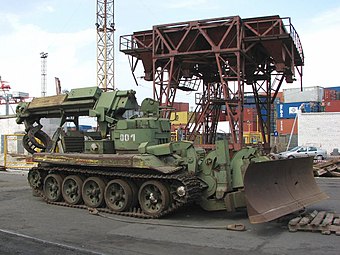
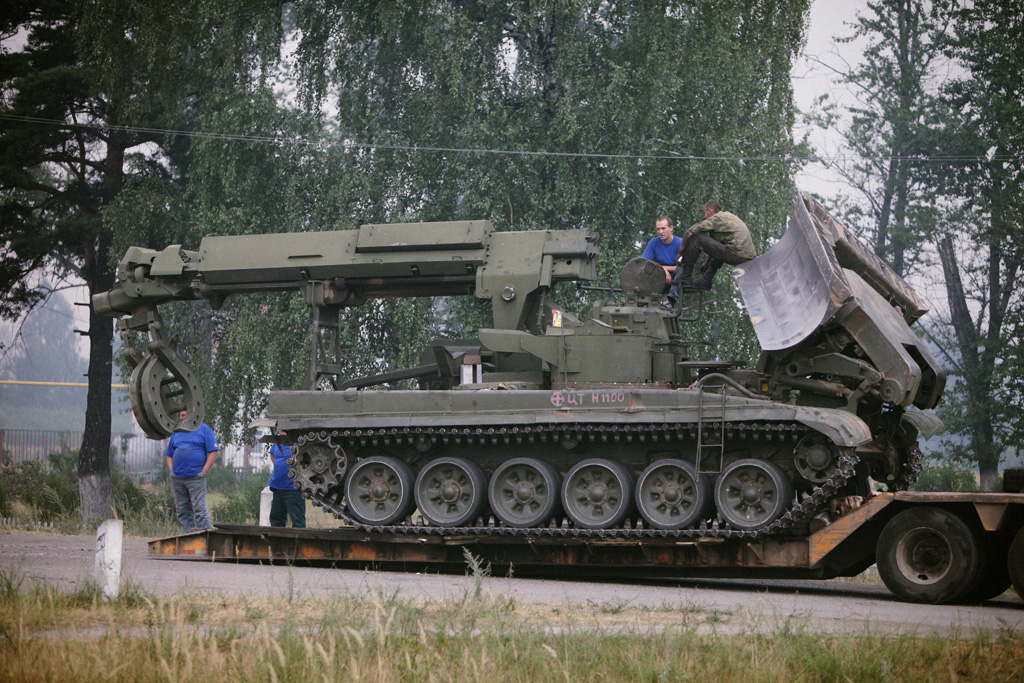
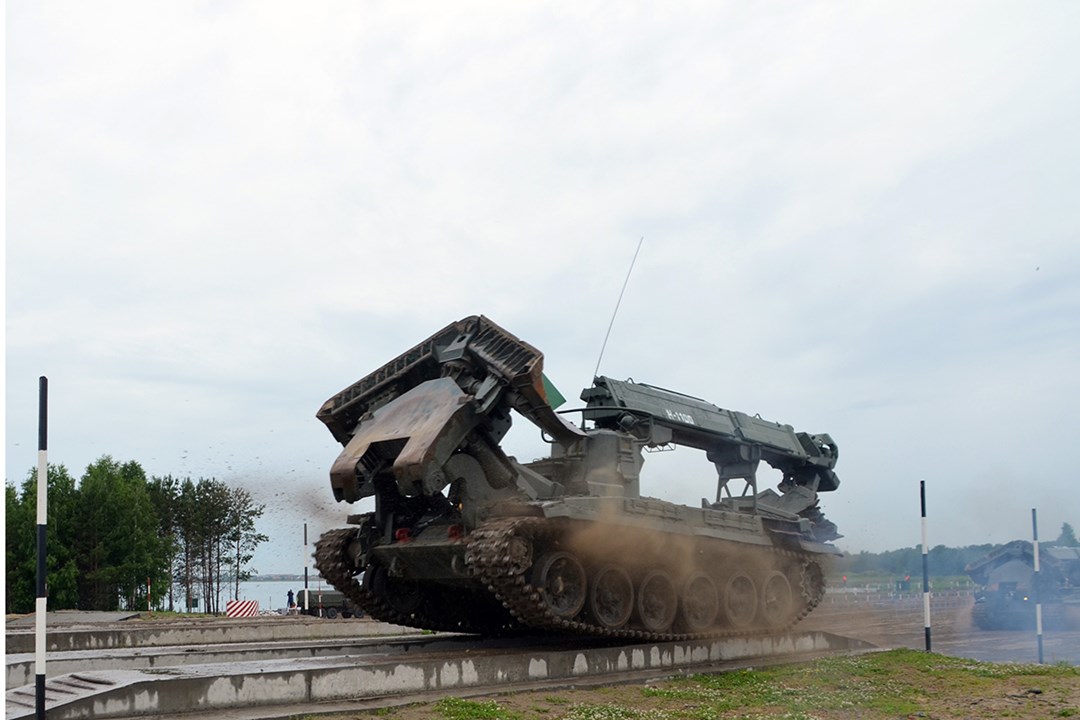
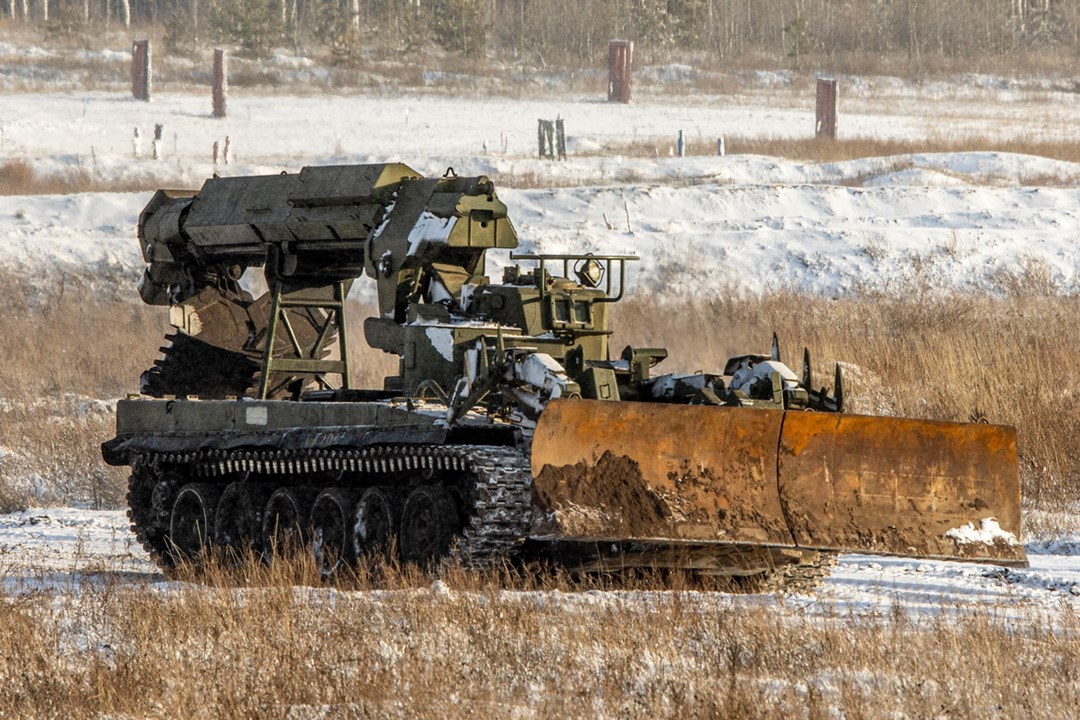
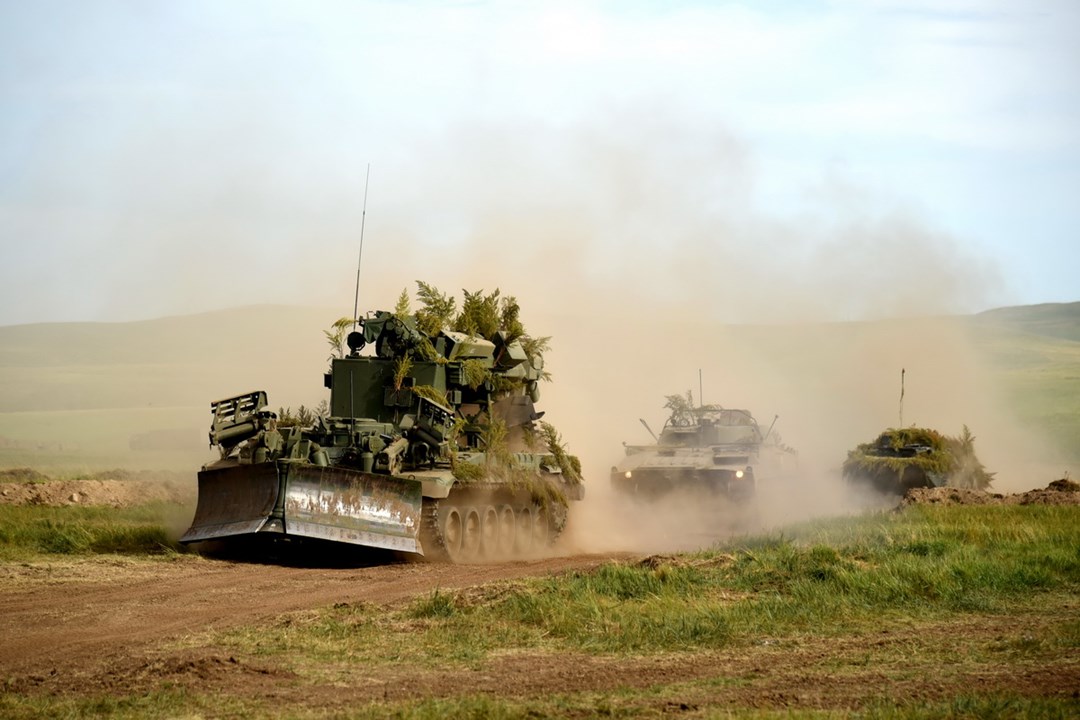
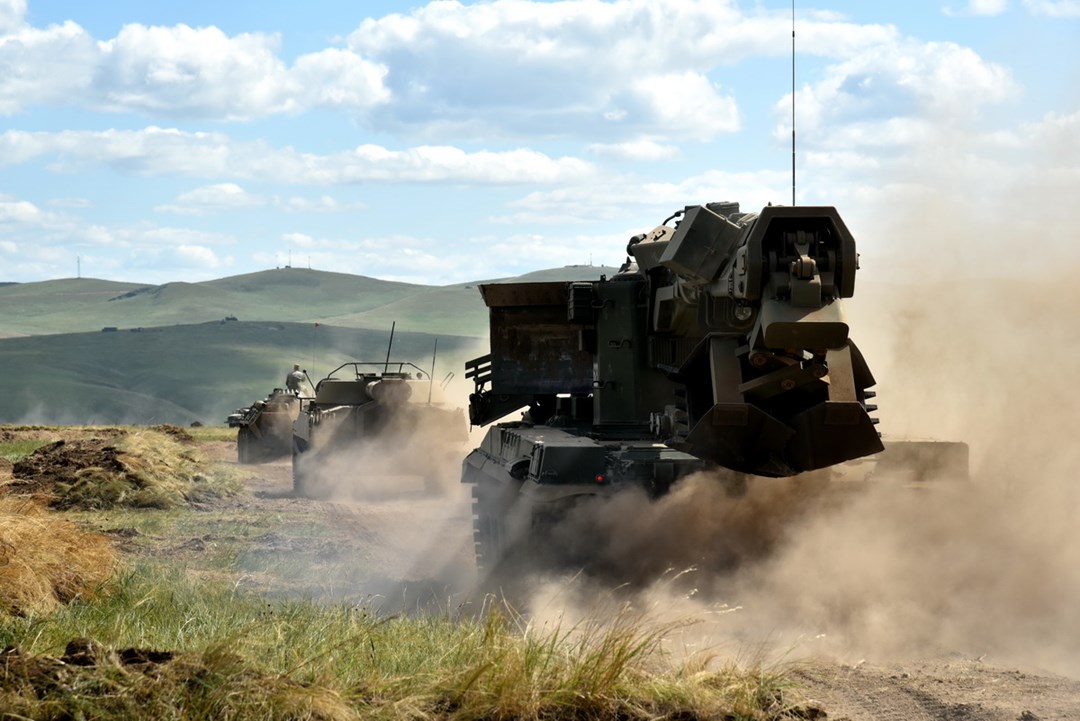
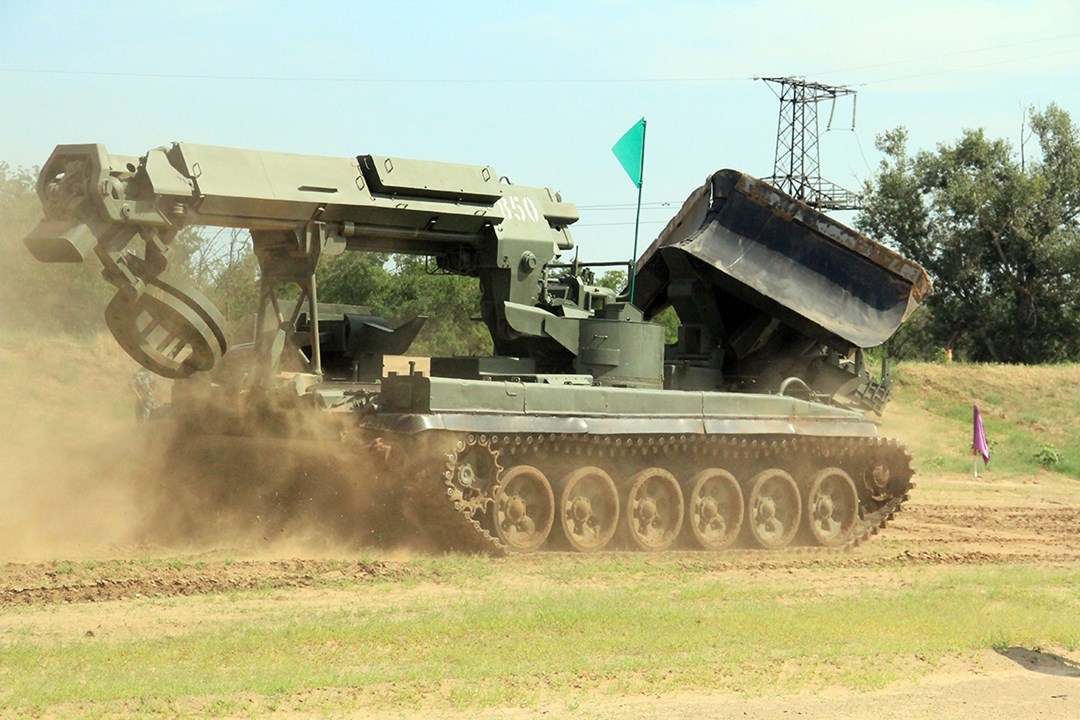
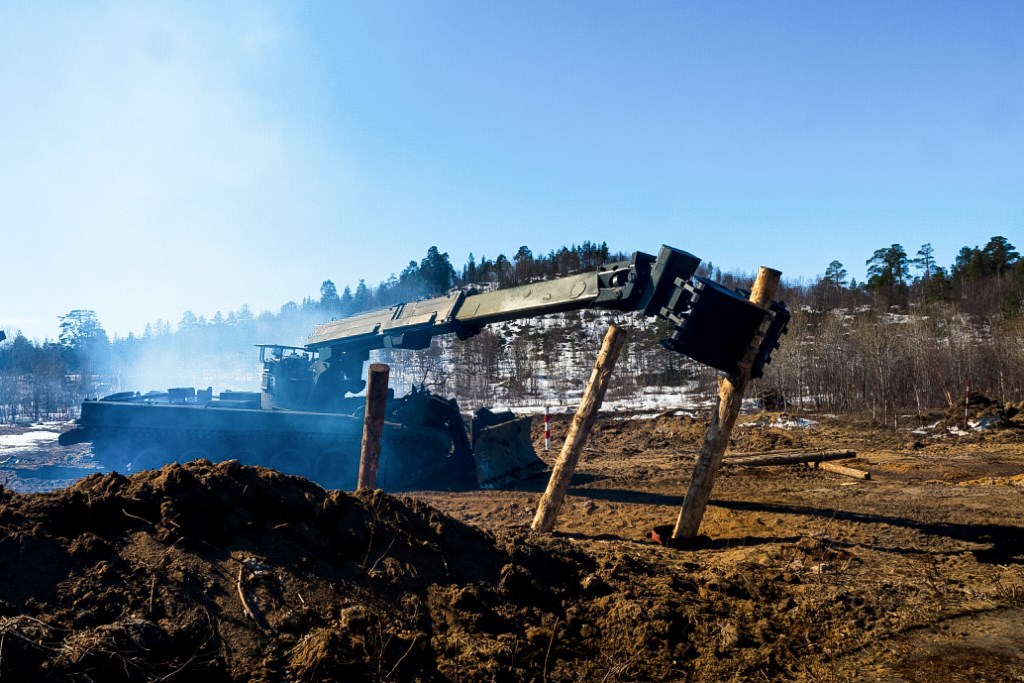
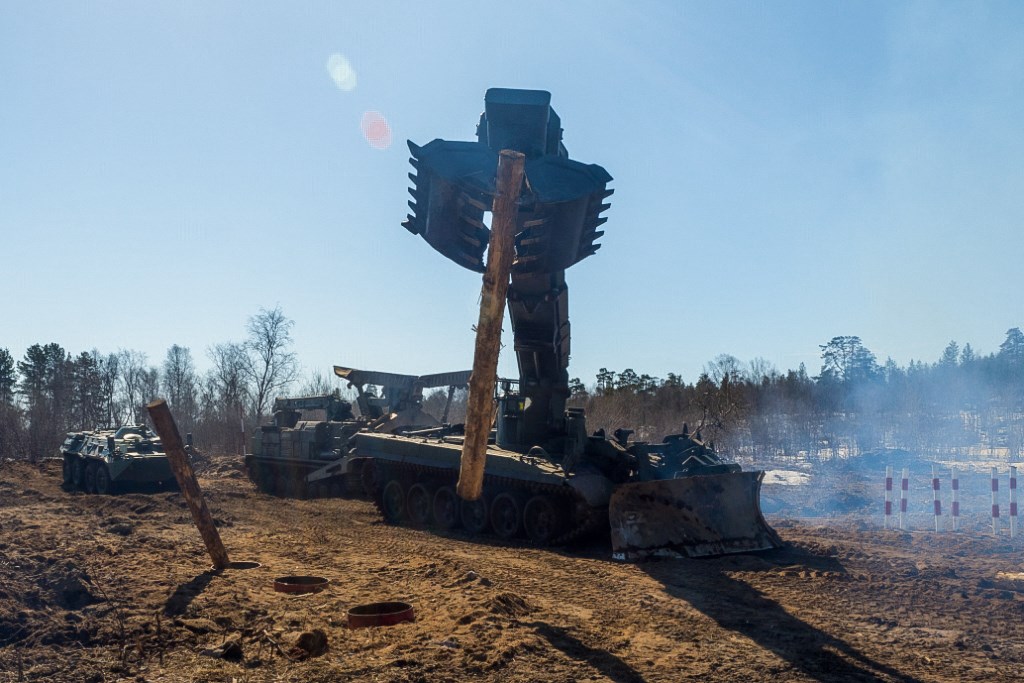
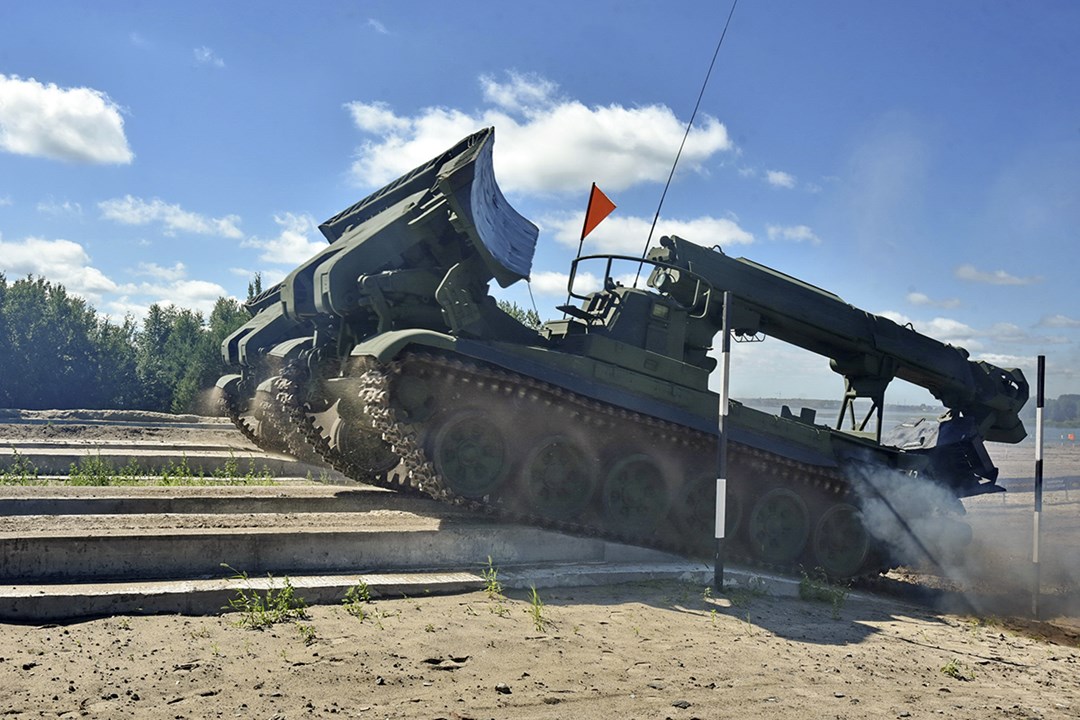
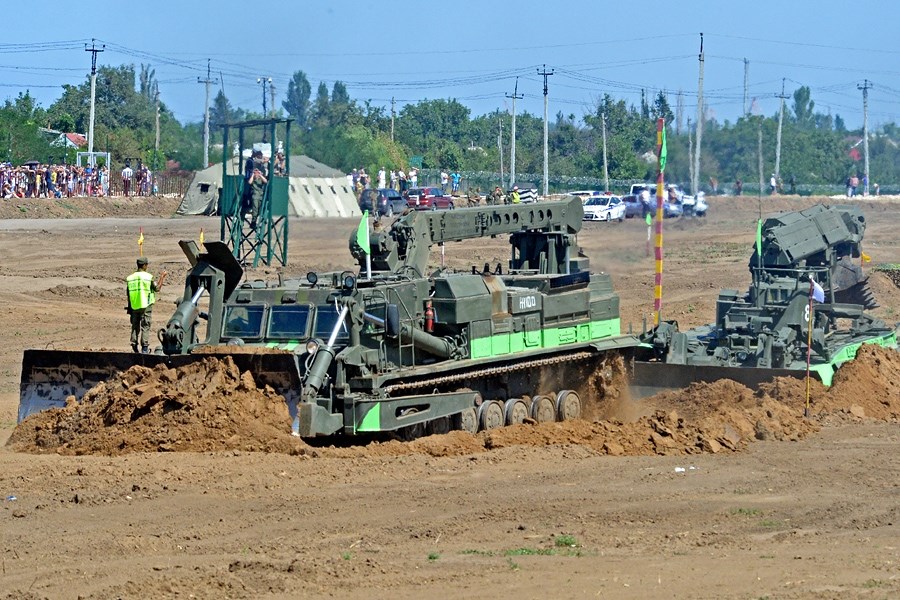
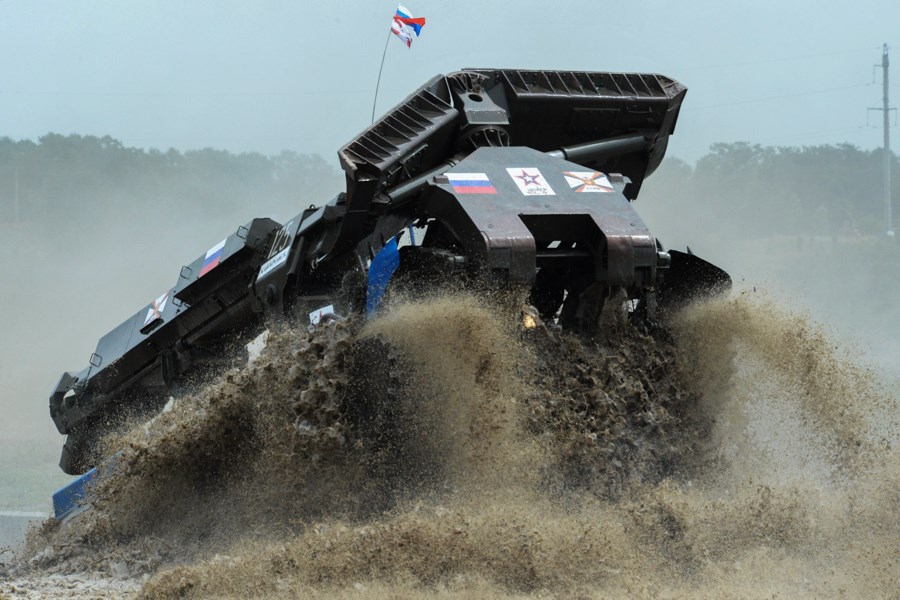
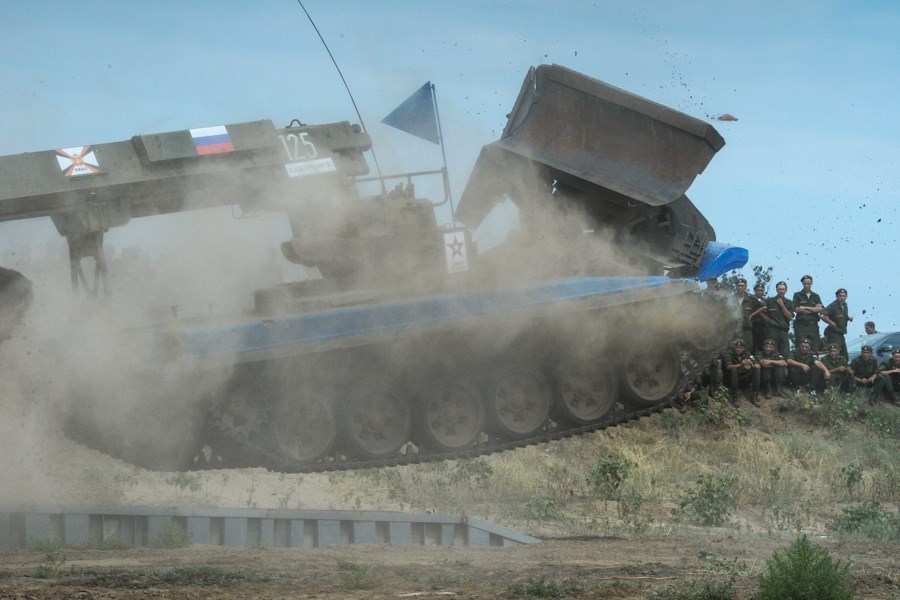
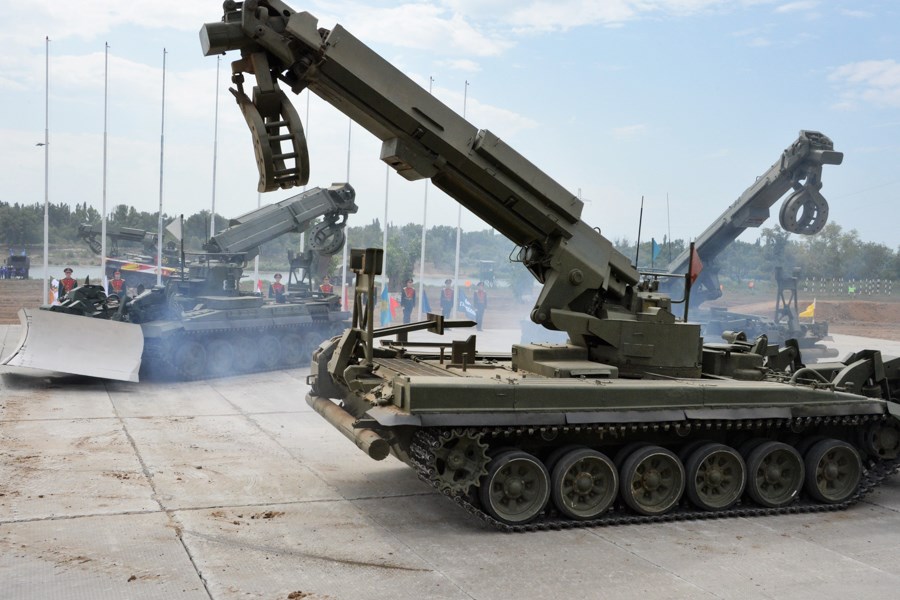
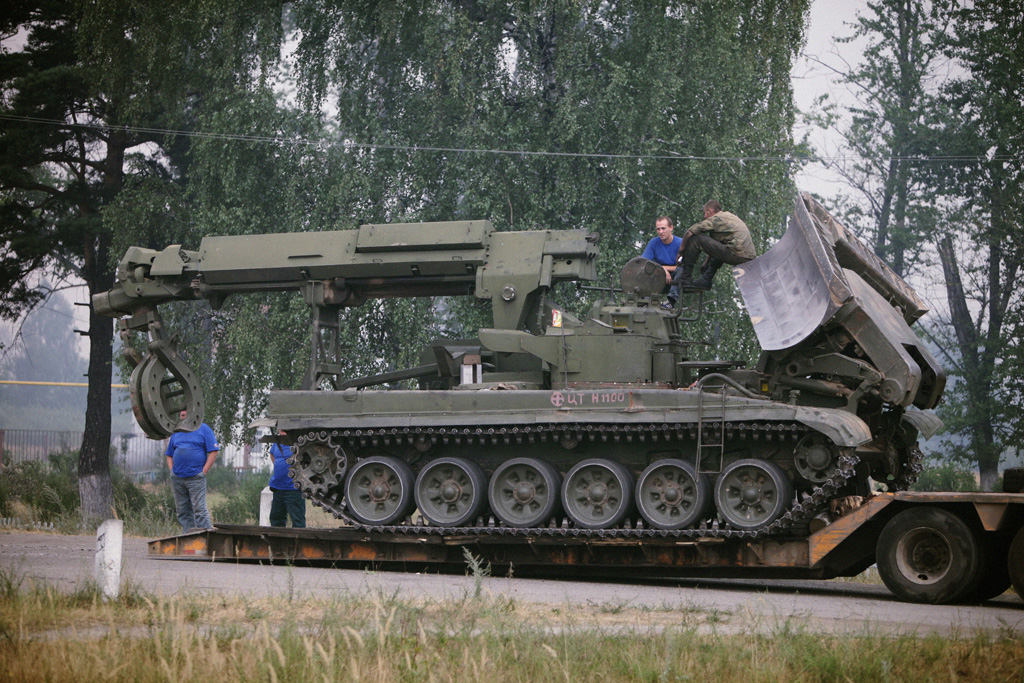
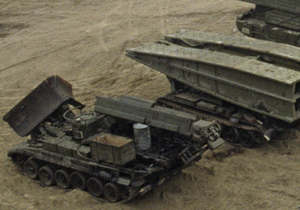
The IMR-2 is a combat engineering vehicle built on a T-72 main battle tank basis. Development of the IMR-2 began in the 1970s and was completed in 1980, while commercial production commenced in 1982. IMR-2 was developed to replace the aging IMR which was built on the basis of the T-54/55 tank. The IMR-2 combat engineering vehicle is in service with the Russian Army and some foreign militaries. It took part in Soviet-Afghan War, First Chechen War, Second Chechen War, and in addition used in relief operations after the Chornobyl disaster. IMR-2 was derived from the T-72 tank. The turret of the T-72 was replaced with a new rotating multipurpose telescopic crane. The IMR-2 has a bulldozer blade fitted on the front of the hull, which has a V shape and a straight shape and a 200 – 250 m3/h capacity. When not required, the blade is folded upwards. Stone barriers can be cleared at the rate of 280 to 350 meters an hour while trenches and tree barriers can be filled in at the rate of 350 to 400 m3/h. A 12.7 mm NSVT machine gun is mounted on the crew operator/commander cabin, for the self-protection of the vehicle. The IMR-2 is powered by a multi-fuel water-cooled diesel engine V-84Ms developing 840 hp, the same engine used in the T-72. The IMR-2 can run at a maximum road speed of 50 km/h with a maximum range of 500 km. The IMR-2 uses the same torsion bar suspension as the main battle tank T-72, which consists of six road wheels on each side. This combat engineering vehicle is operated by a 2-man crew.
System
Ammunition
deagel.com: https://www.deagel.com/x/x/a003740 Wikidata (https://www.wikidata.org/wiki/Q4195156)