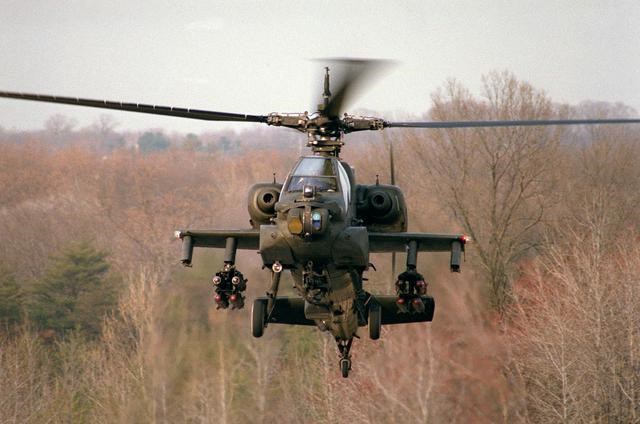
AGM-114N Hellfire II
AGM-114N Hellfire II
The AGM-114M blast fragmentation missile is a derivative of proven semi-active laser AGM-114K Hellfire II retaining all its features excepting the high explosive anti-tank (HEAT) which has been replaced by an advanced blast fragmentation warhead in the M model. The new warhead is capable of penetrating corvettes and small frigates hulls in the presence of severe countermeasures, which makes AGM-114M a superb naval target killer. The delay fuze warhead detonates once the missile has penetrated into ship's hull maximizing blast fragmentation effects. In addition, AGM-114M can be launched either from air (rotary-wing aircraft), sea or ground platforms making a very versatile weapon system. The weapon system is suitable for use against multiple targets and in adverse weather conditions. To date, Hellfire II M variant has been tested on Kiowa Warrior, Cobra, Apache and Seahawk helicopters, ground platforms and several prototype boats. The AGM-114K Hellfire features electro-optical countermeasures resistance capability, better performance in presence of obscurants (smoke, dust, water vapor, sea spray), automatic target reacquisition after loss of track in low clouds, and multi-platform launching (helicopter, ground vehicle and patrol boat). Hellfire II is a reprogrammable, shipboard operations enabled and modular missile. The K model also retains the improvements applied to the F model and the optimized tandem warhead. The US Army awarded Hellfire Buy 11 contract to Lockheed-Martin in April 2005 which included 900 AGM-114N Hellfire II Metal Augmented Charge (MAC) warhead missiles and conversion of 100 AGM-114Ks to the MAC warhead configuration. Deliveries of 1,000 Hellfire II MAC-equipped missiles were expected to be complete in 2007. The MAC warhead is manufactured by ATK. Finally, the US government approved the AGM-114N equipped with the MAC warhead for full rate production in August 2005. As of 2005, AGM-114N is the latest variant of semi-active laser-guided Hellfire II missile. It saw combat for the first time during Operation Iraqi Freedom in 2005 on the hands of US forces. It was designed specifically to effectively destroy enclosed structures using thermobaric warhead. This translates into taking out the first floor of a building without damaging the floors above, reaching around corners, striking enemy forces that hide in caves or bunkers and hardened multi-room complexes.
deagel.com: https://www.deagel.com/x/x/a001111