RQ-4 Global Hawk
RQ-4 Global Hawk
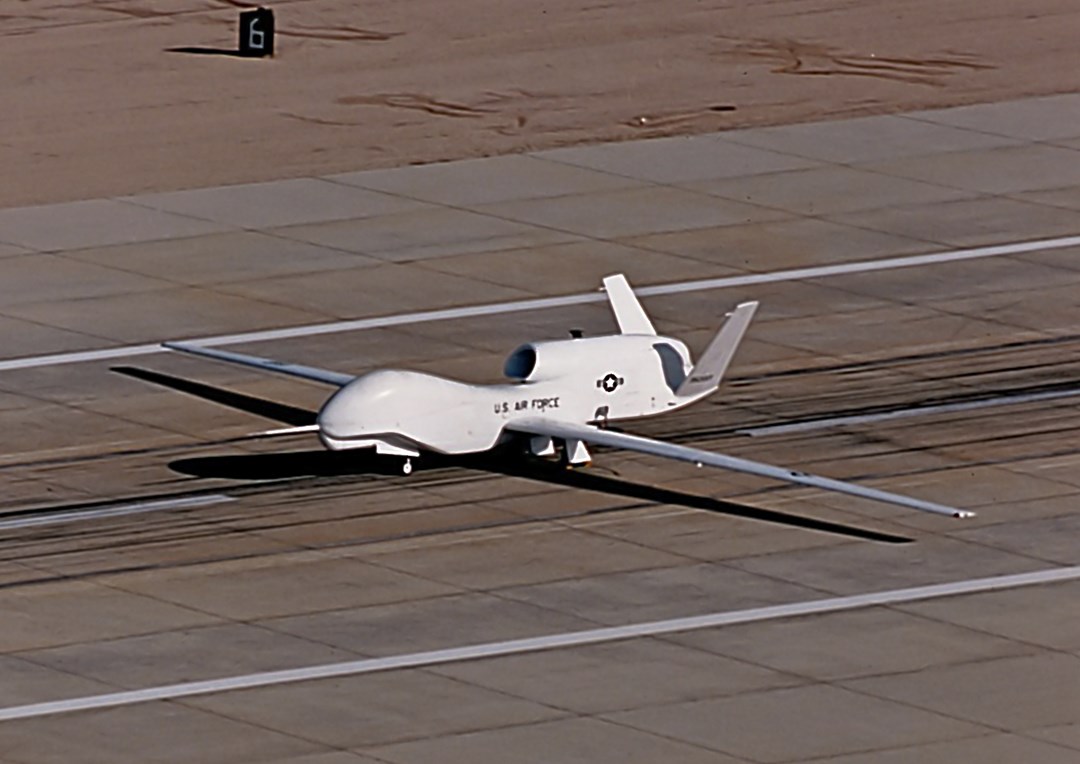
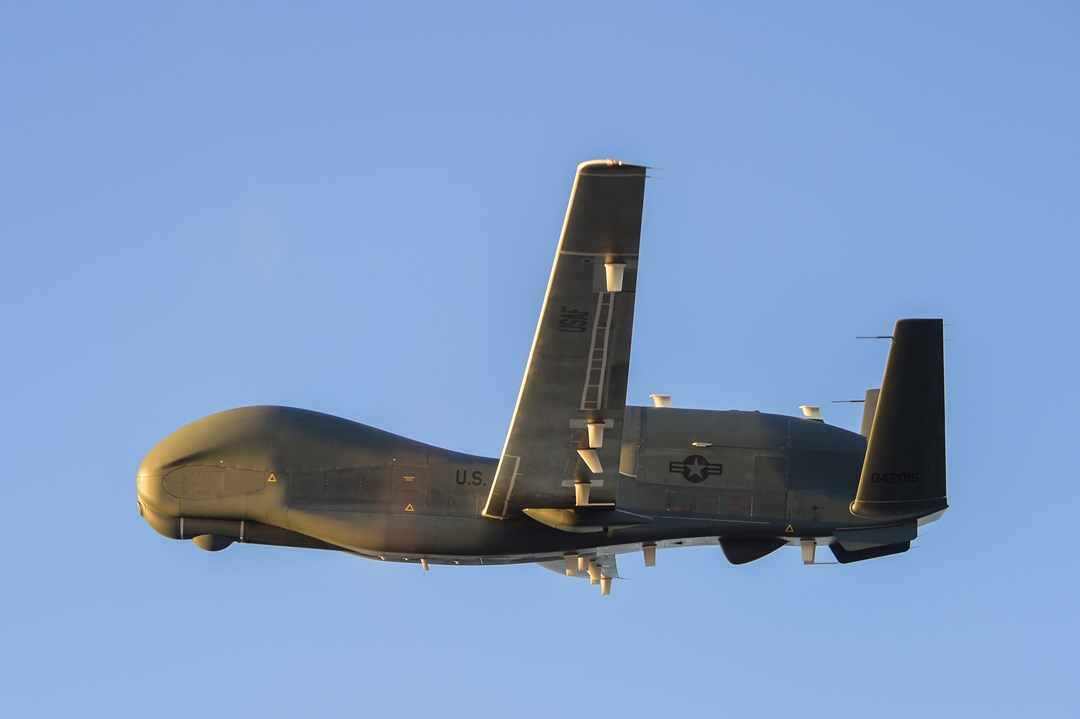
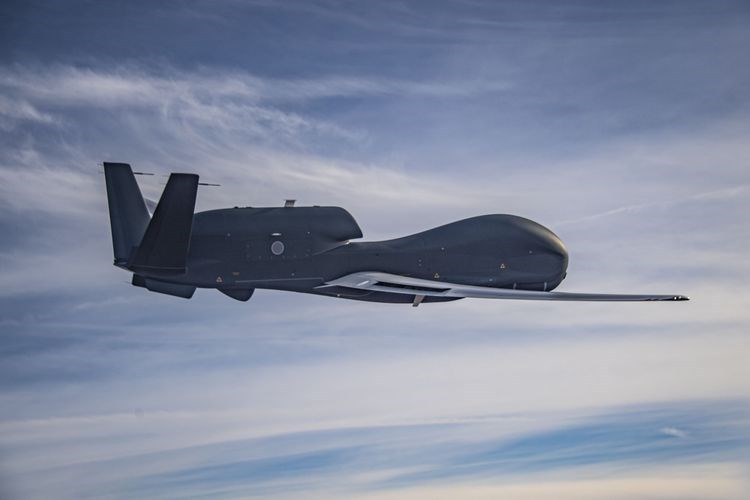
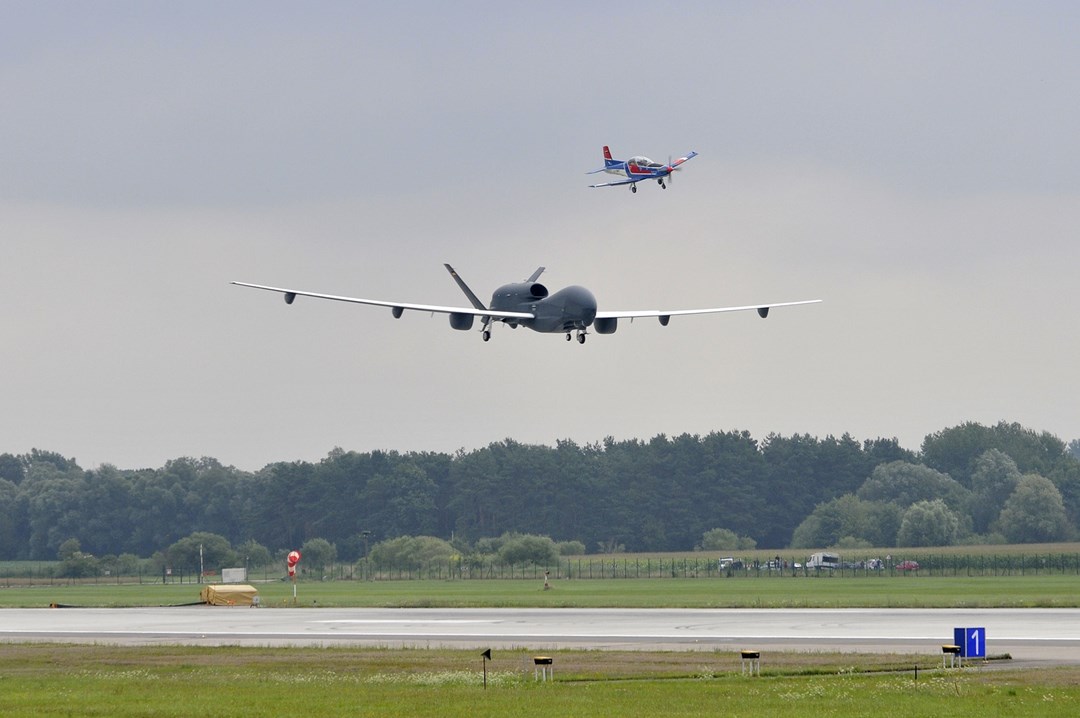
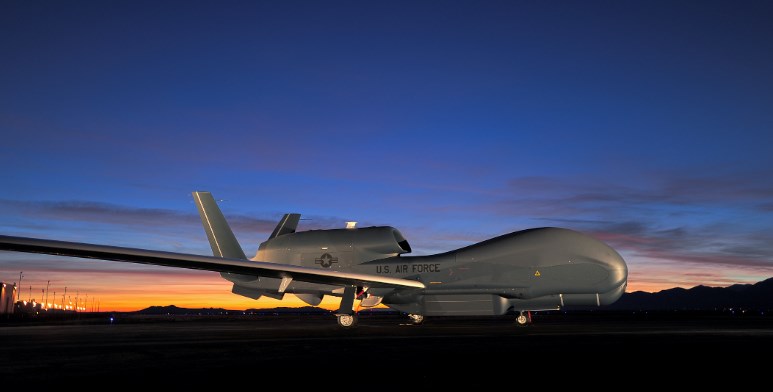
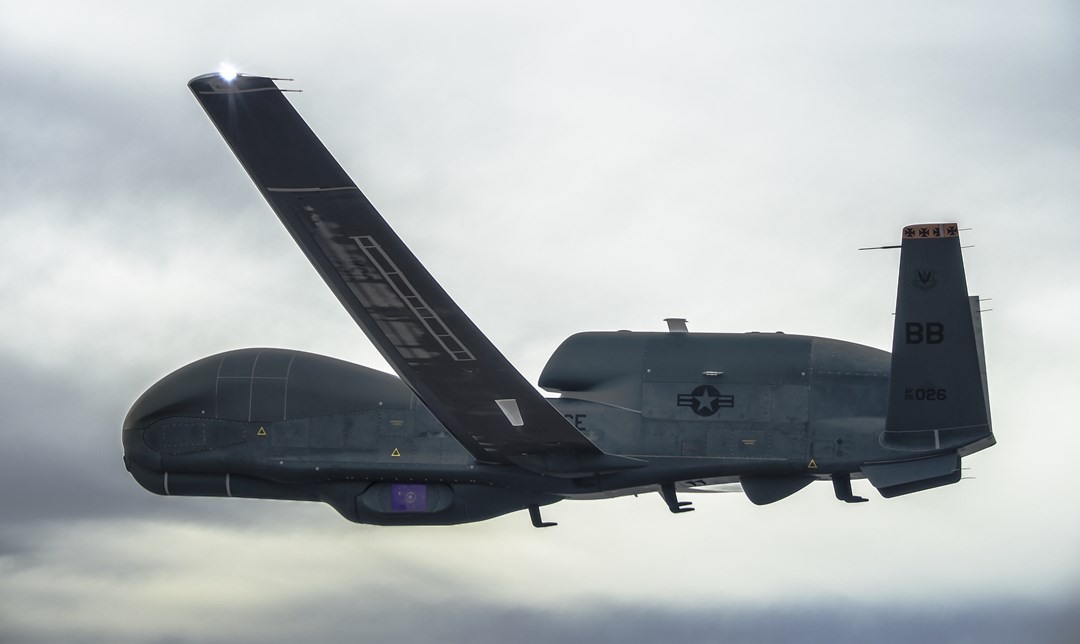
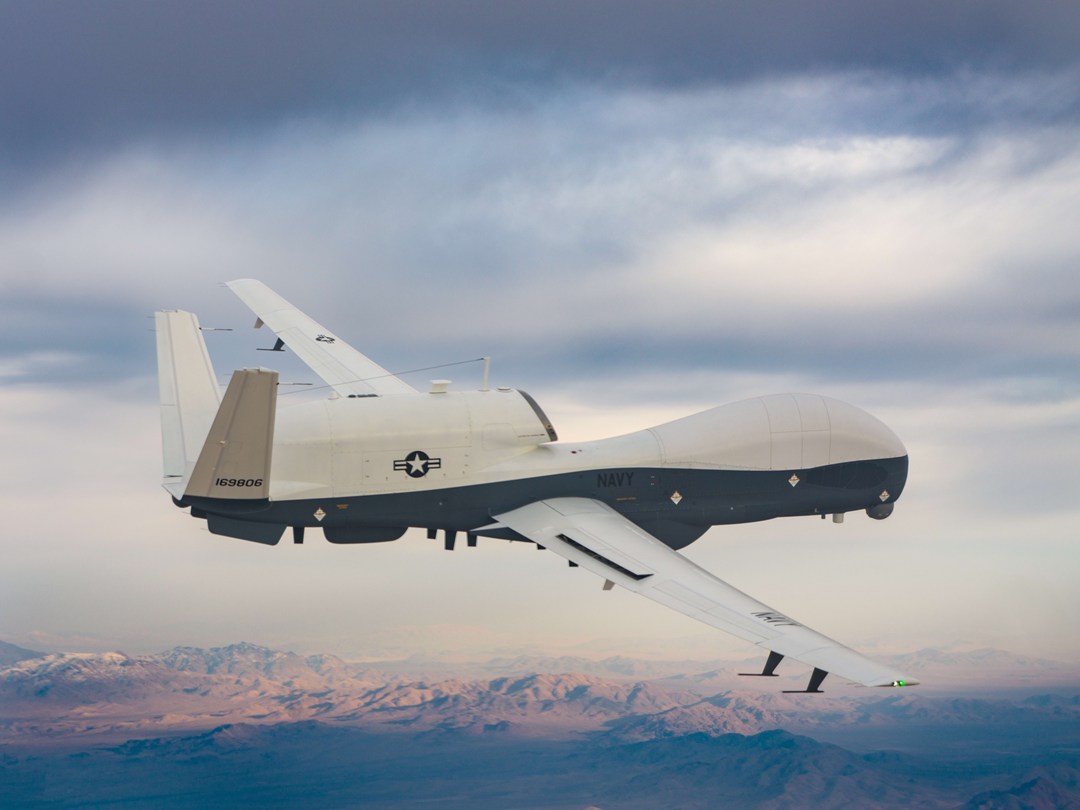
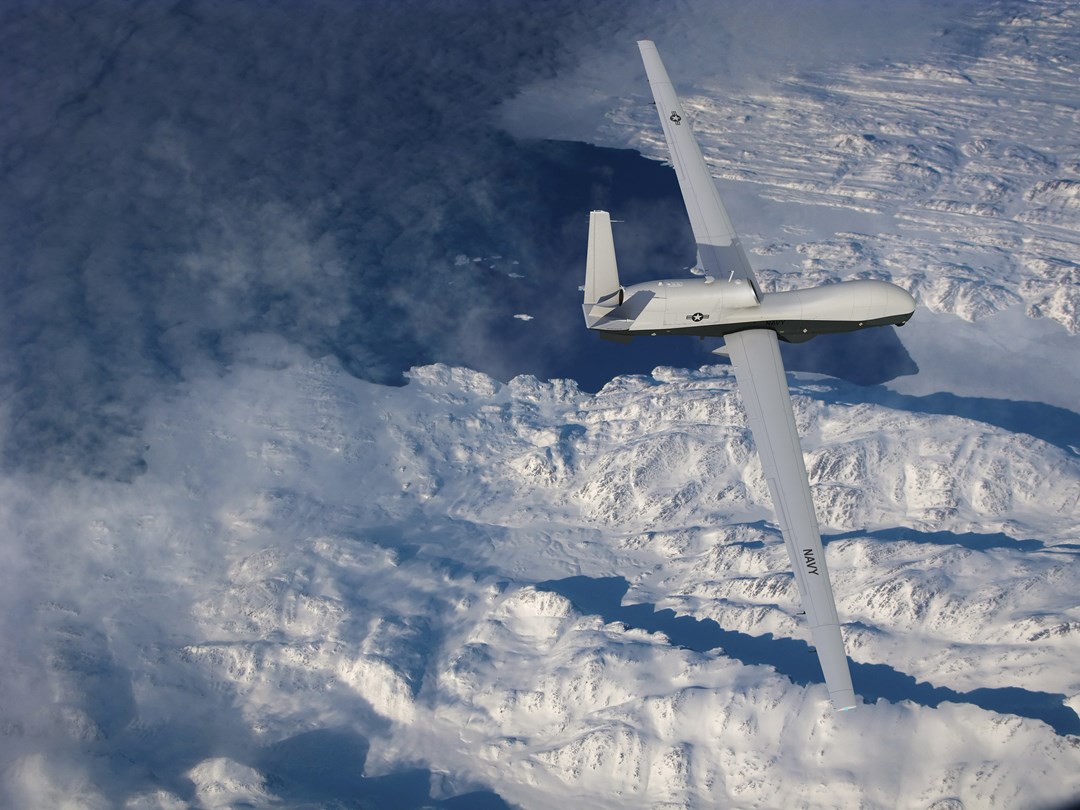
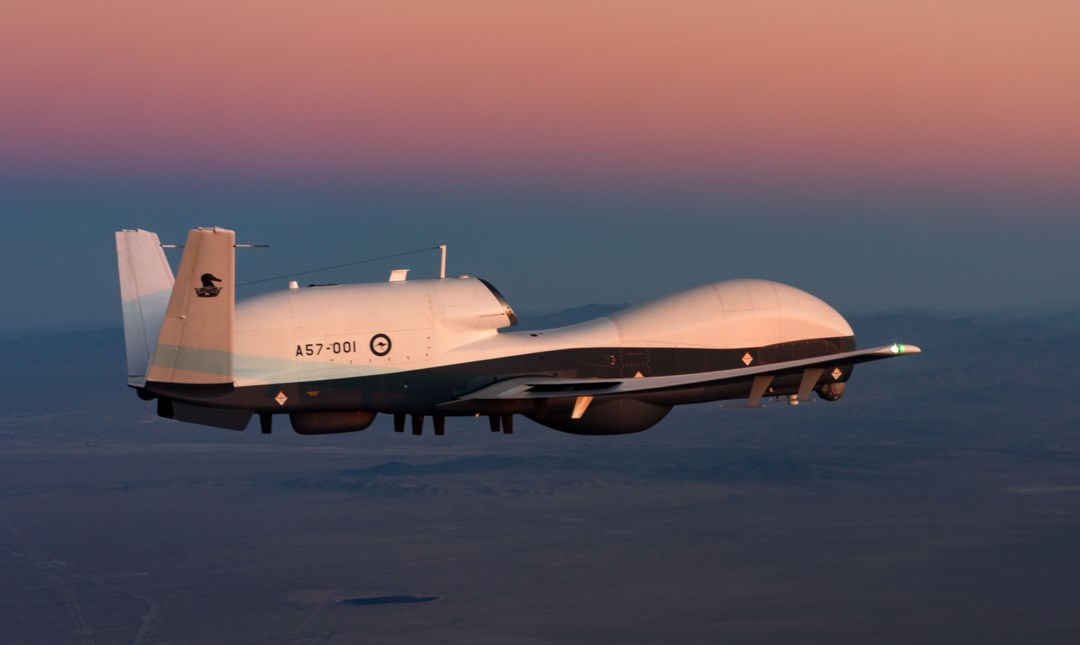
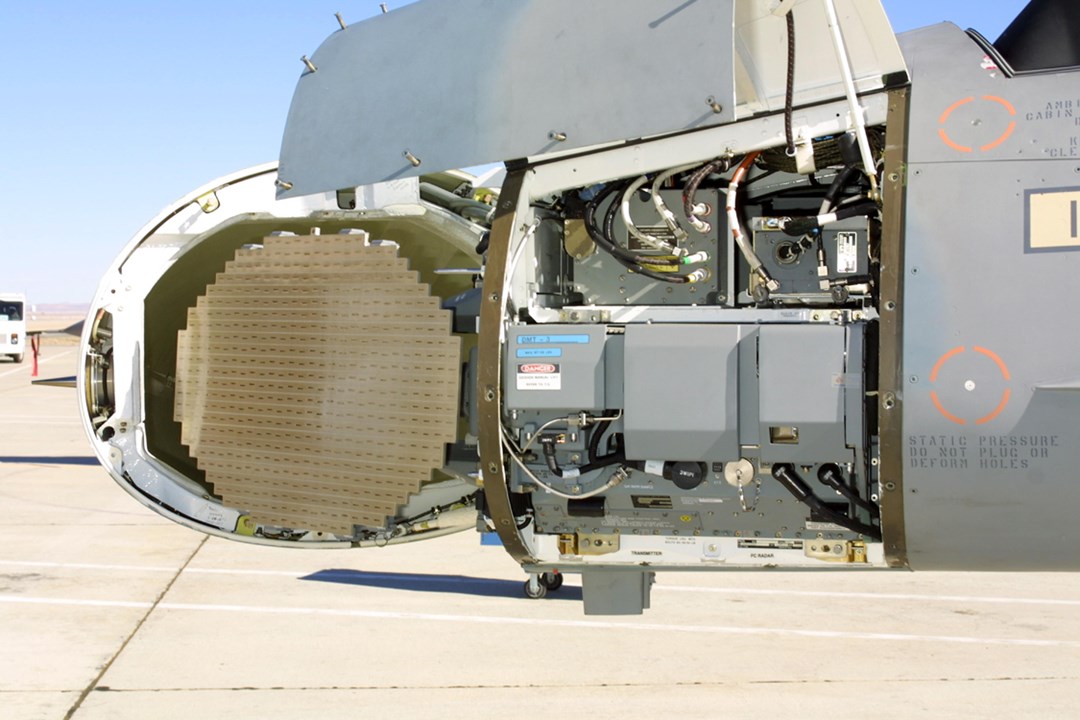
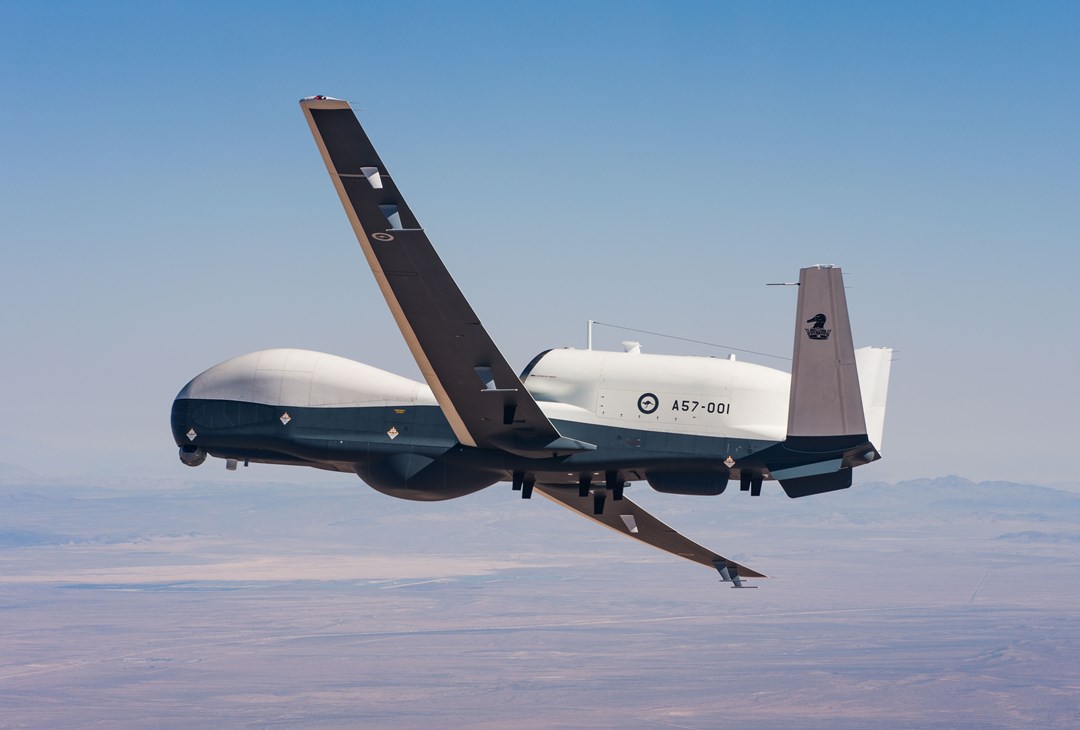
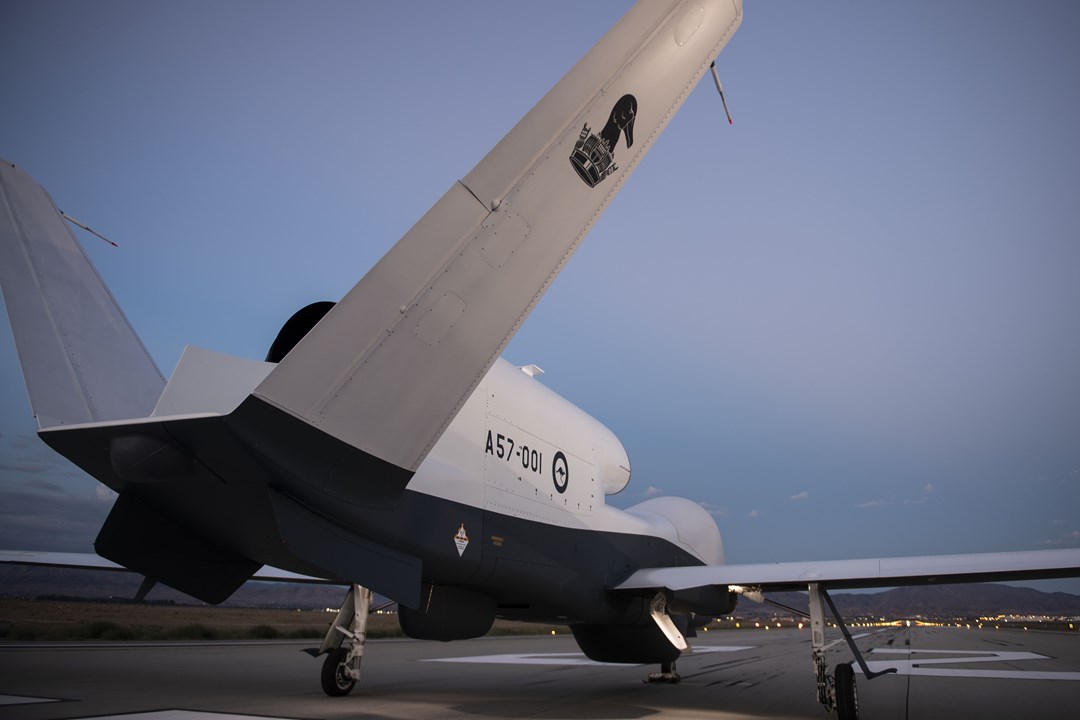
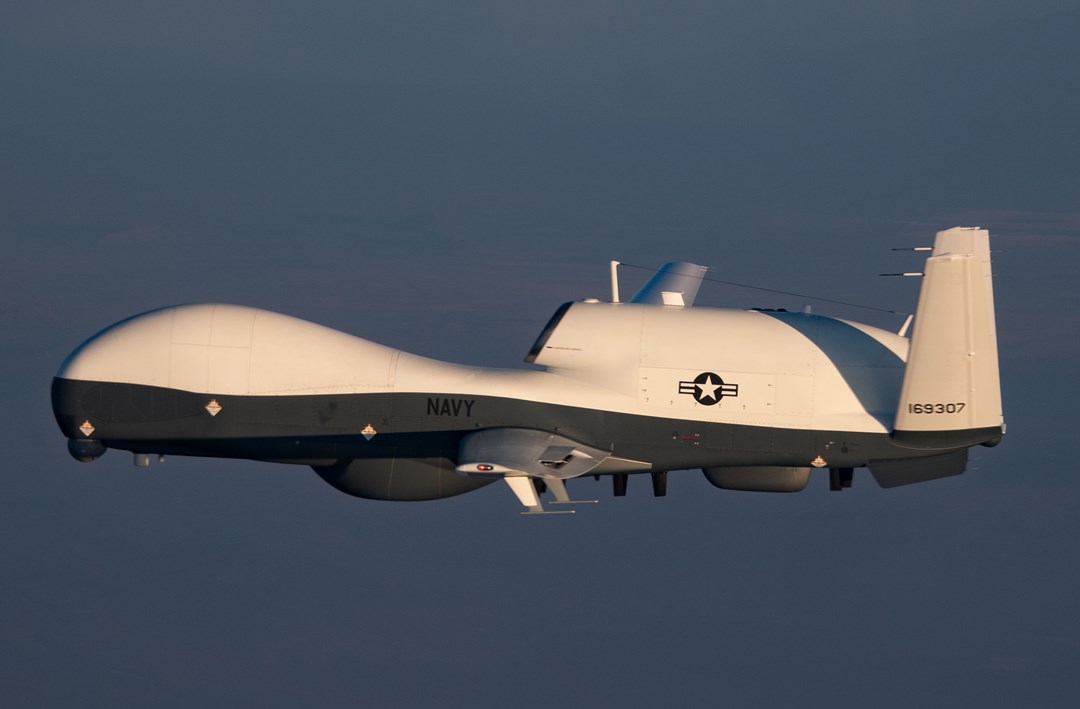
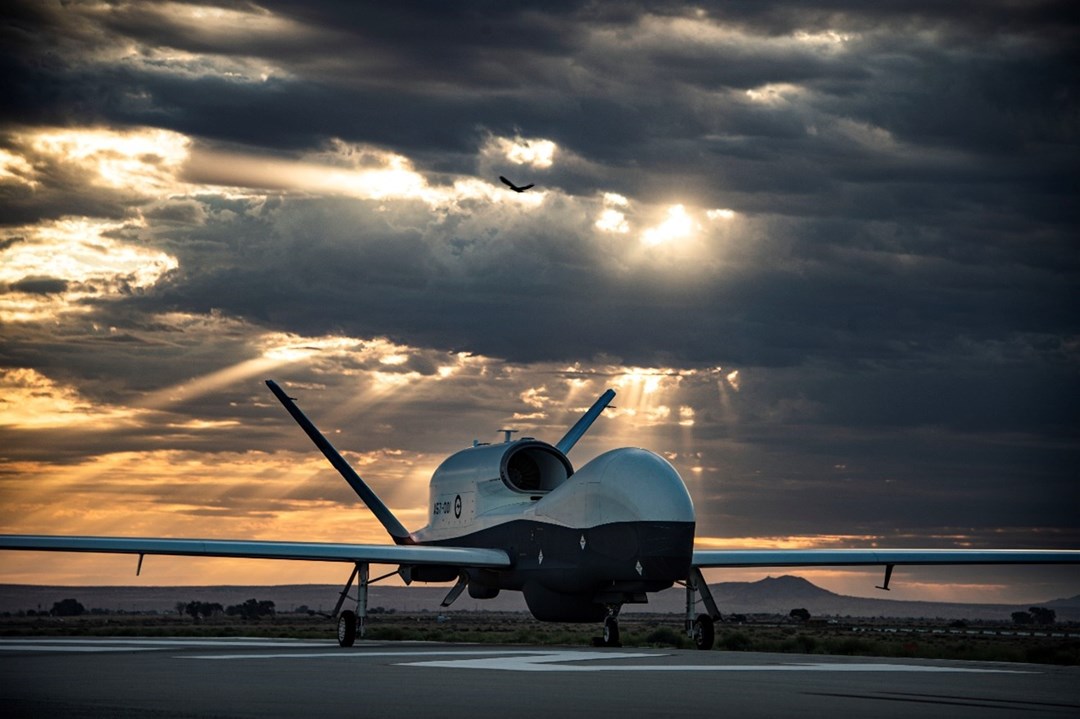
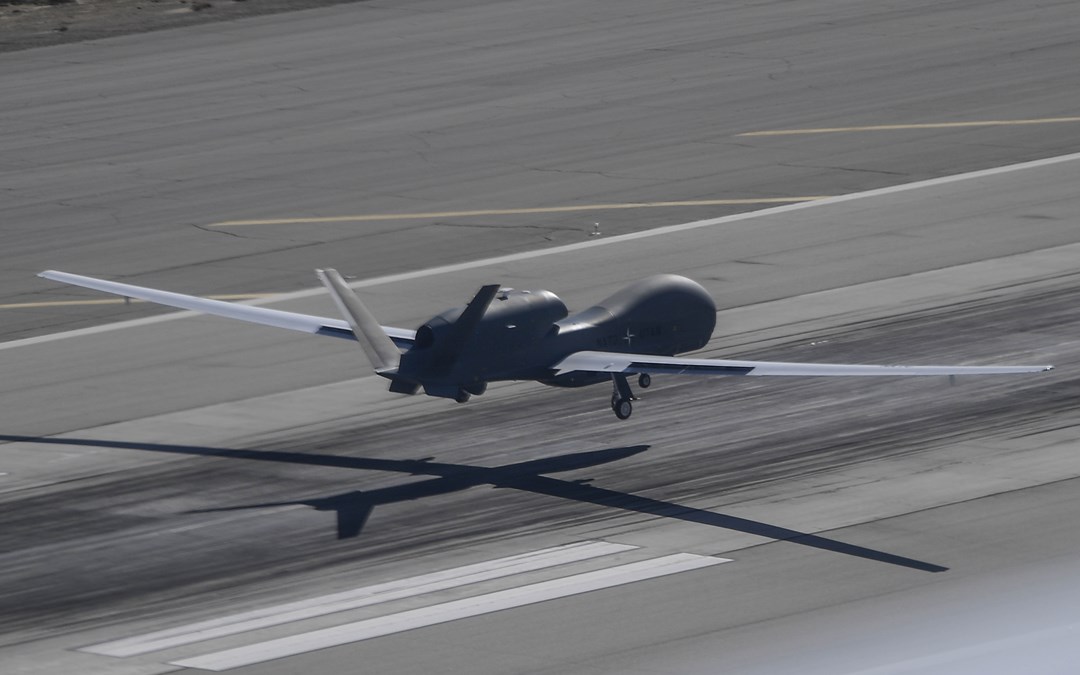
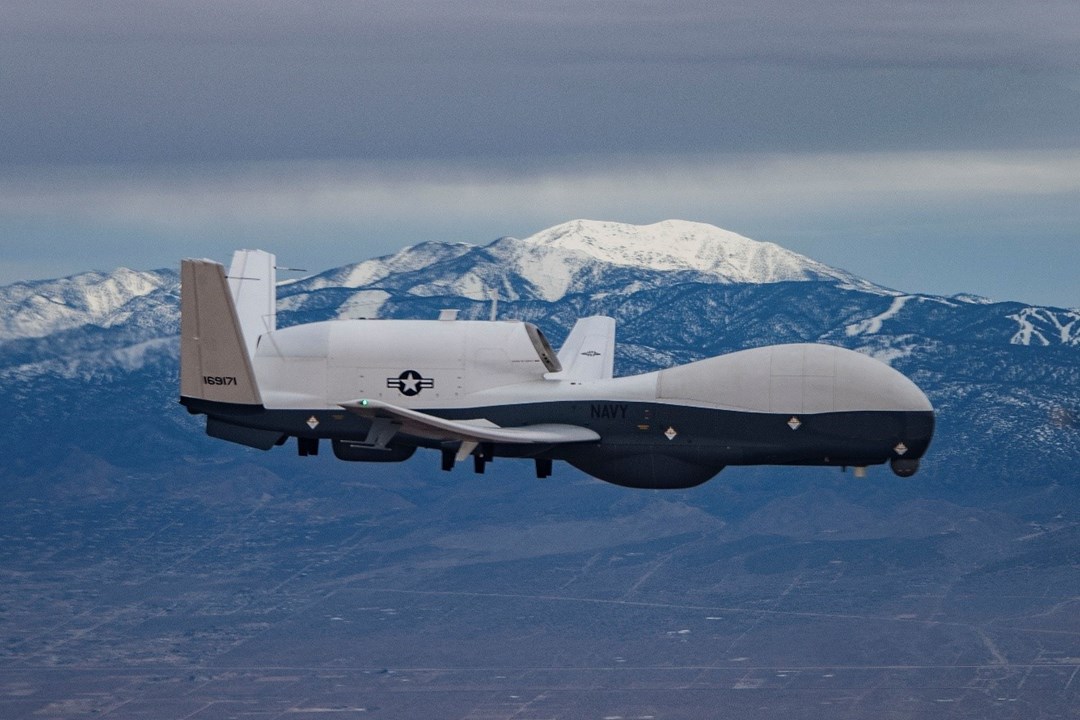
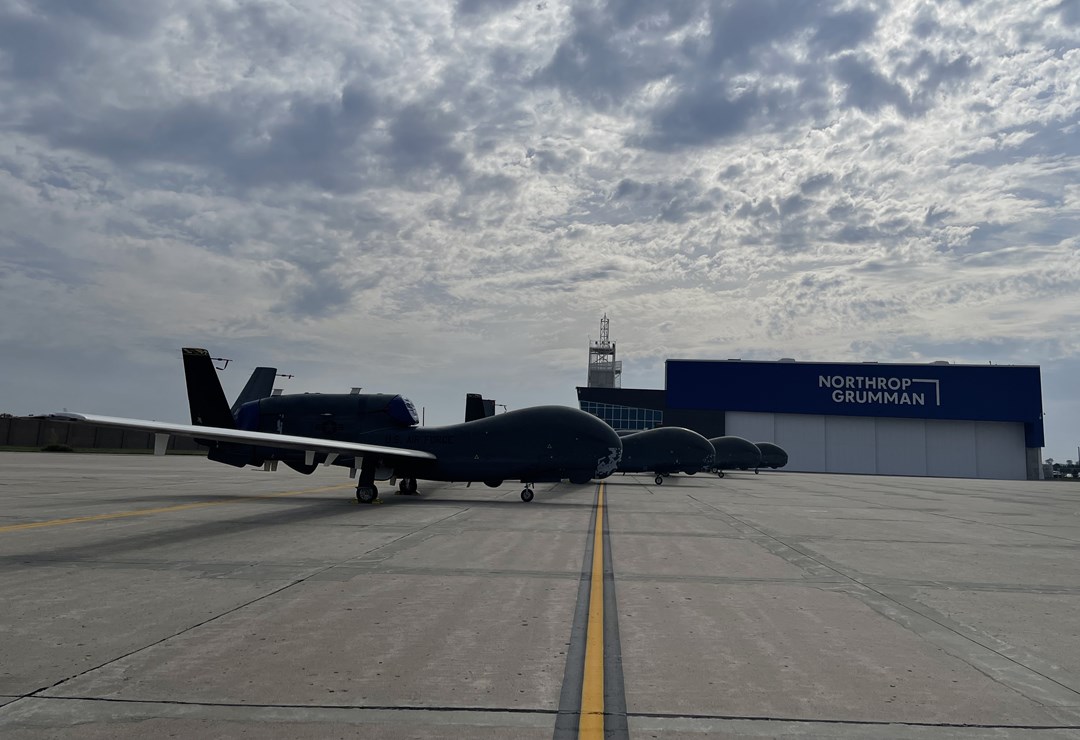
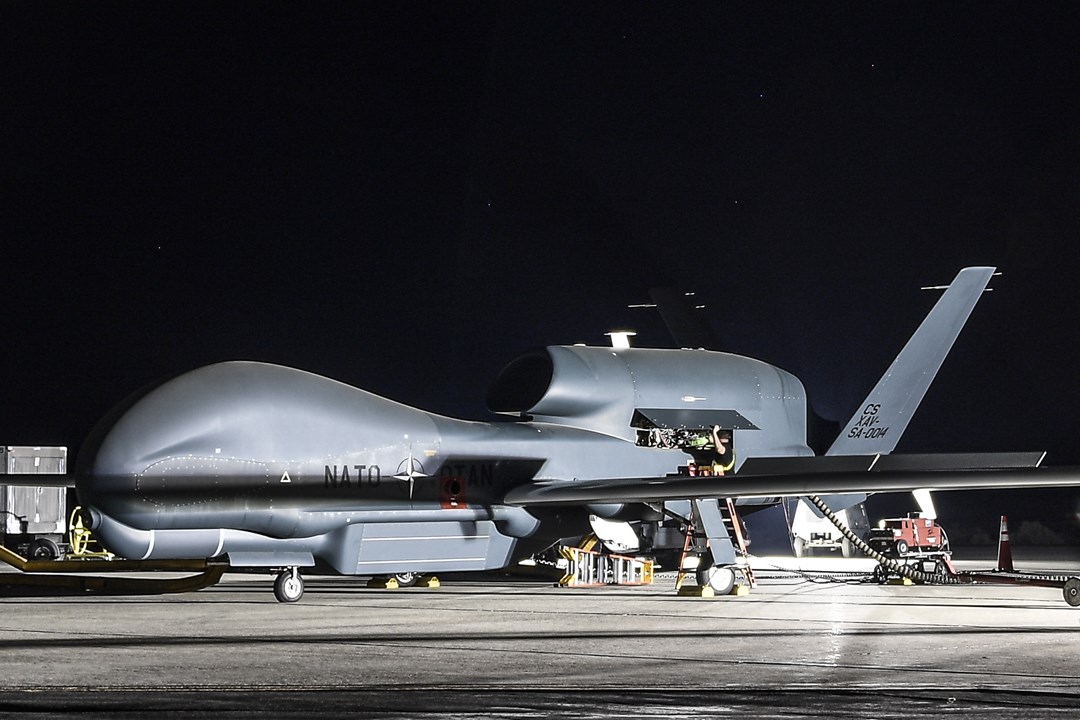
The RQ-4 Global Hawk is a high-altitude, long-endurance (HALE) unmanned aircraft with an integrated sensor suite that provides intelligence, surveillance and reconnaissance (ISR) capabilities all over the world. The RQ-4 program was developed for the United States Air Force (USAF) by Northrop Grumman in the 1990s and will eventually replace the venerable U-2 manned reconnaissance aircraft. The program started as an advanced concept technology demonstrator (ACTD) in 1995 with the aim to deliver an all-weather, day/night, wide-area surveillance system. The first aircraft was delivered to the USAF in November 2001 to support the Global War on Terror (GWOT) with the RQ-4 system reaching full operational capability by 2012. USAF plans call for the procurement of 77 aircraft (cut down to 66 aircraft in 2011) with the US Navy to procure an undisclosed number of RQ-4Ns beginning in 2014. Germany is the first export customer with five Euro Hawks on order. The Global Hawk system consists of the RQ-4 air vehicle; mission control element (MCE) with two workstations for a pilot and a sensor operator crew; launch and recovery element (LRE) also operated by pilot with his workstation acting as the cockpit; a wide variety of sensors; command and control links covering health and status of the aircraft, sensors, navigational systems and communication links; support element; and trained personnel. The Imagery Intelligence (IMINT) sensors include synthetic aperture radar, electro-optical and medium-wave infrared sensors, and active electronically scanned array radar. The system offers a wide variety of employment options. The long range and endurance of this system allow tremendous flexibility in meeting mission requirements. In the United States Department of Defense (DoD) parlance 'R' refers to Reconnaissance and 'Q' refers to unmanned aircraft system.
deagel.com: https://www.deagel.com/x/x/a000556