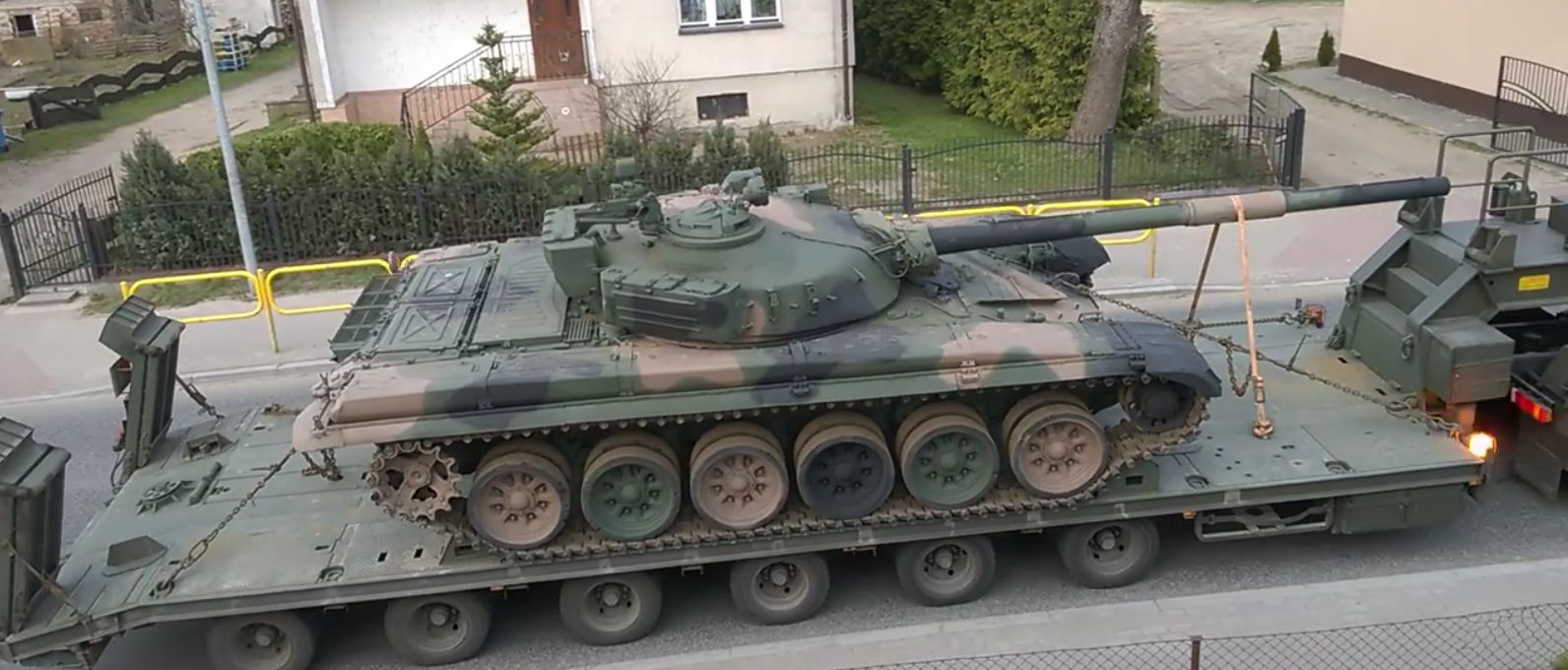
T-72 Russian Main Battle Tank (MBT)
T-72
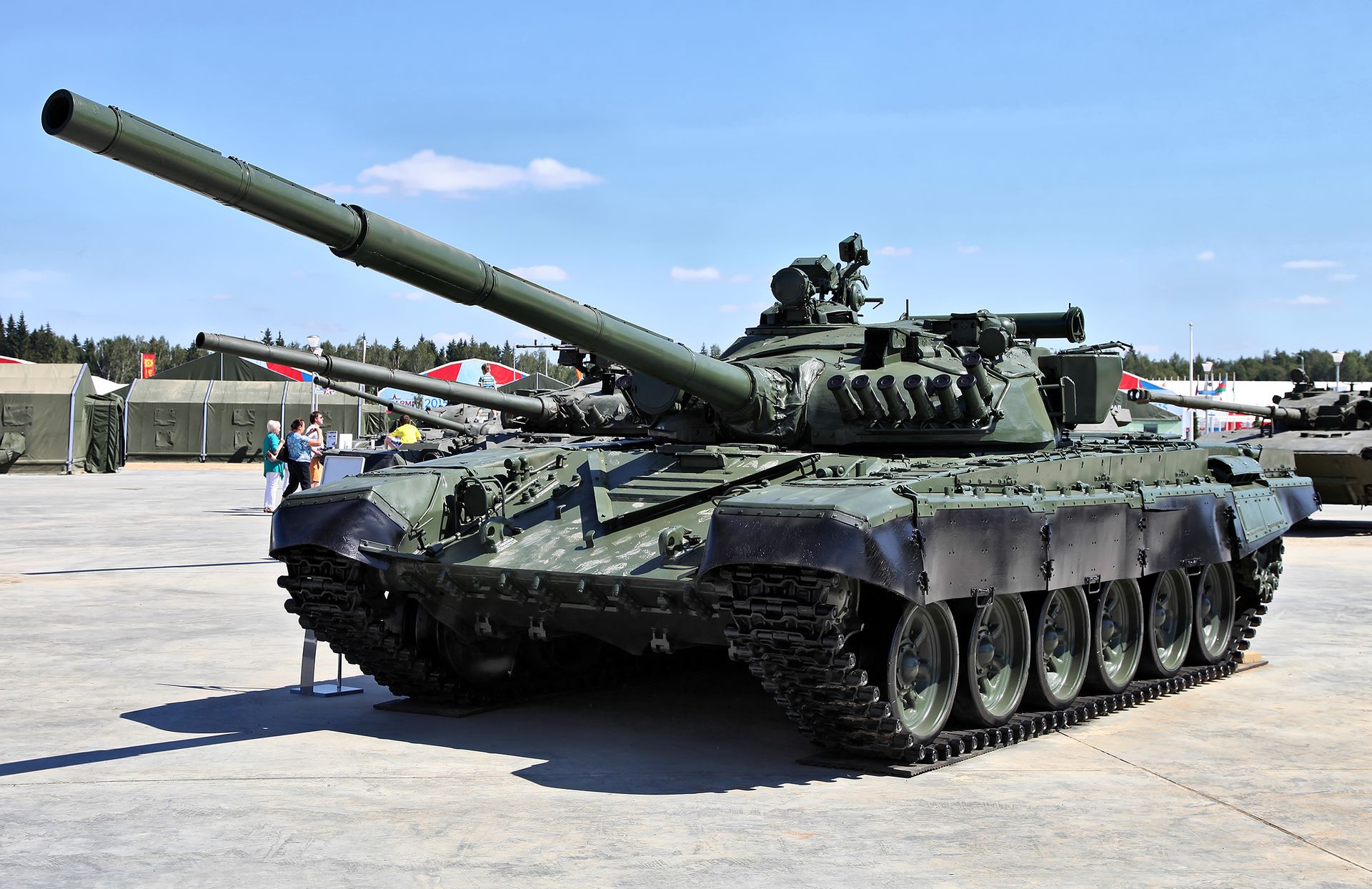
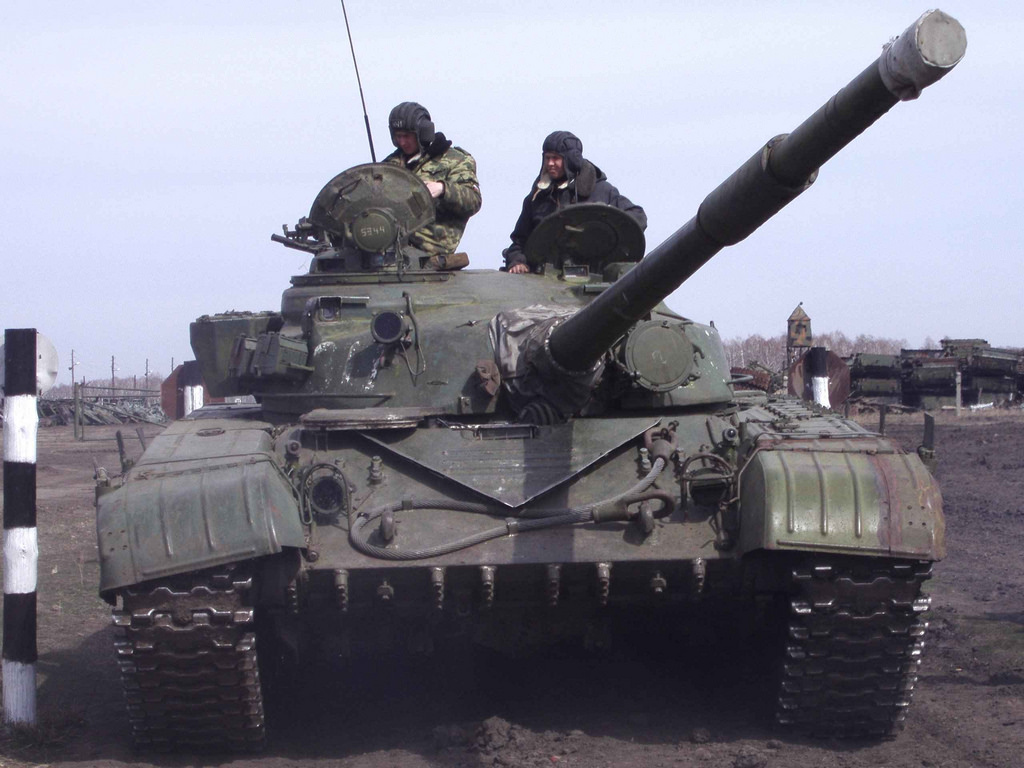
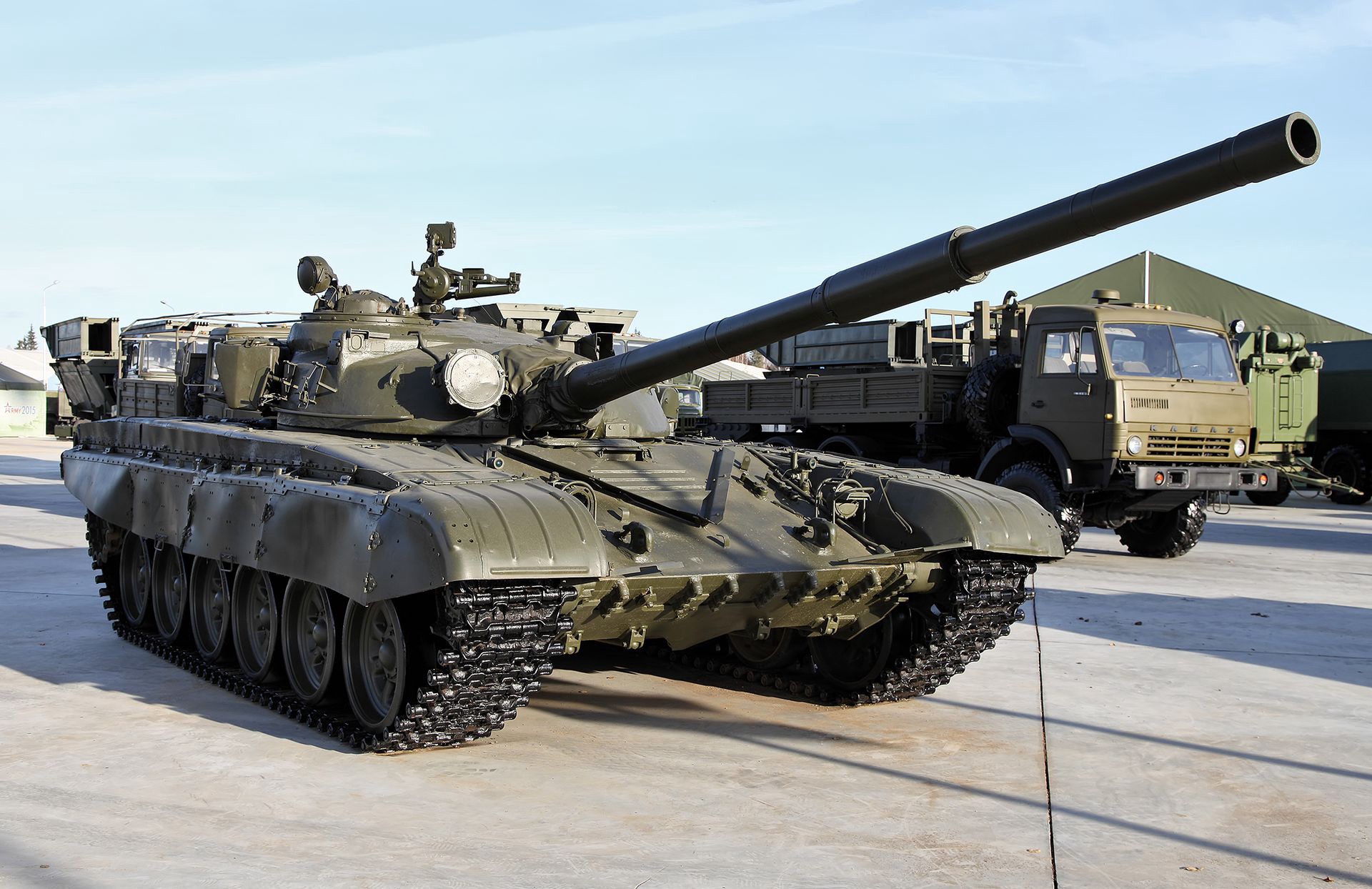
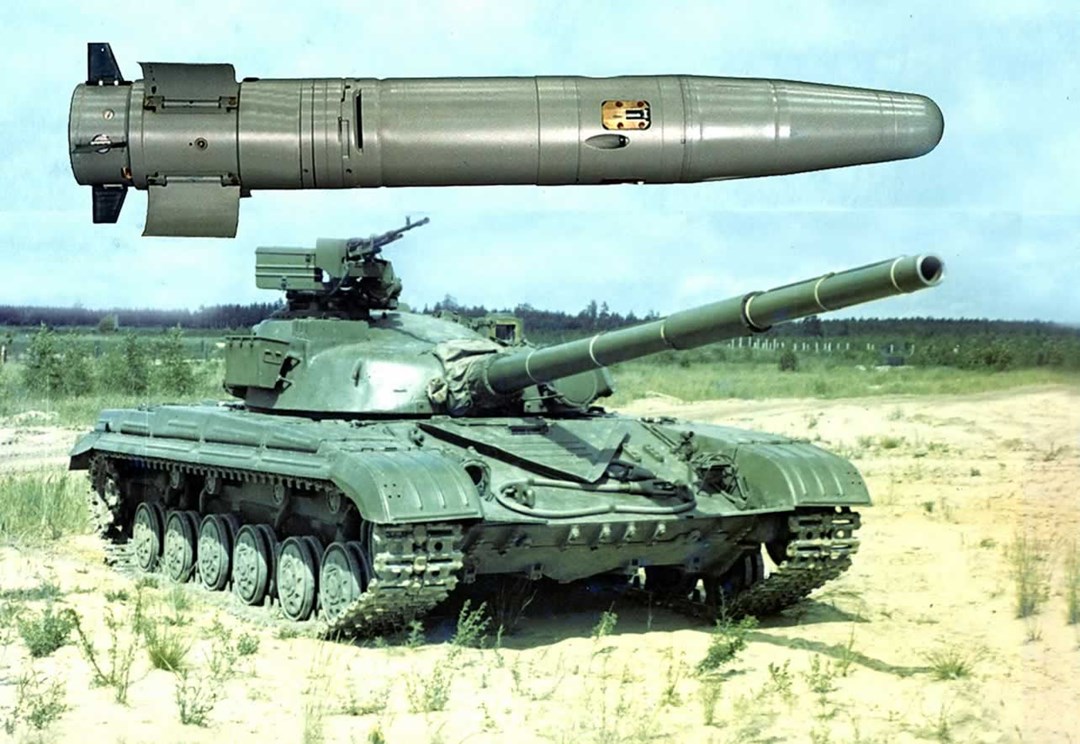
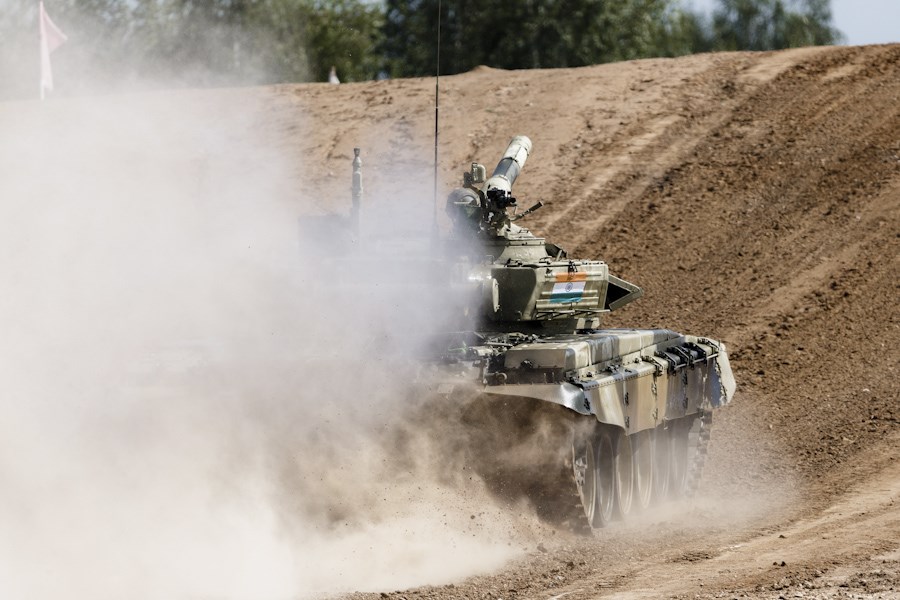
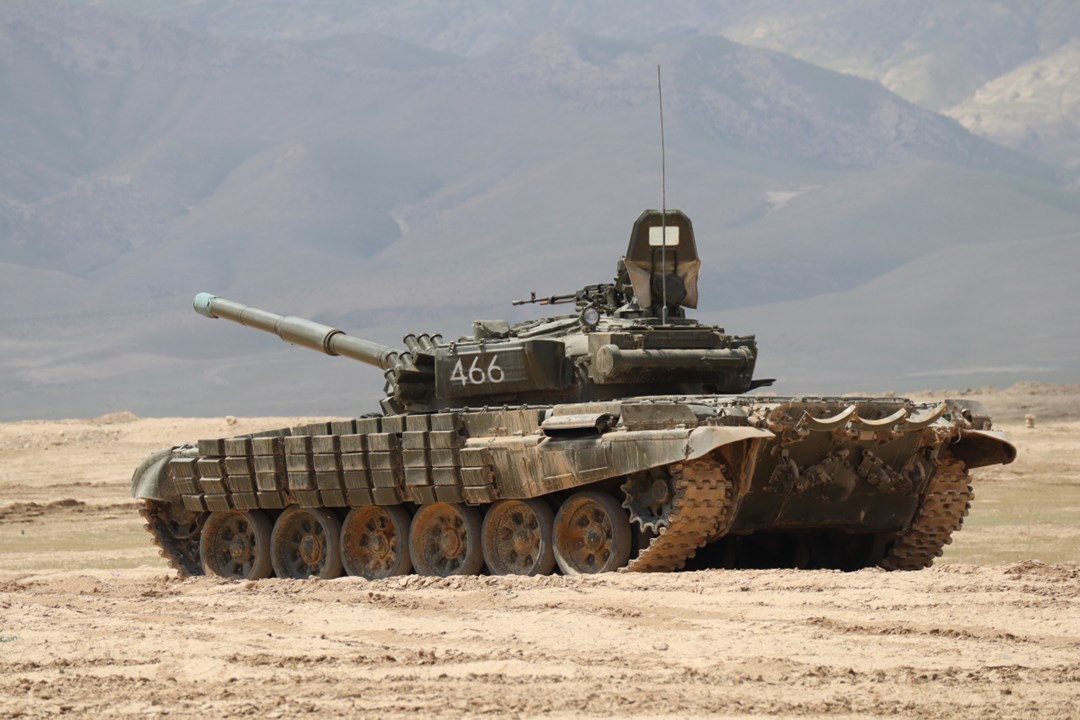
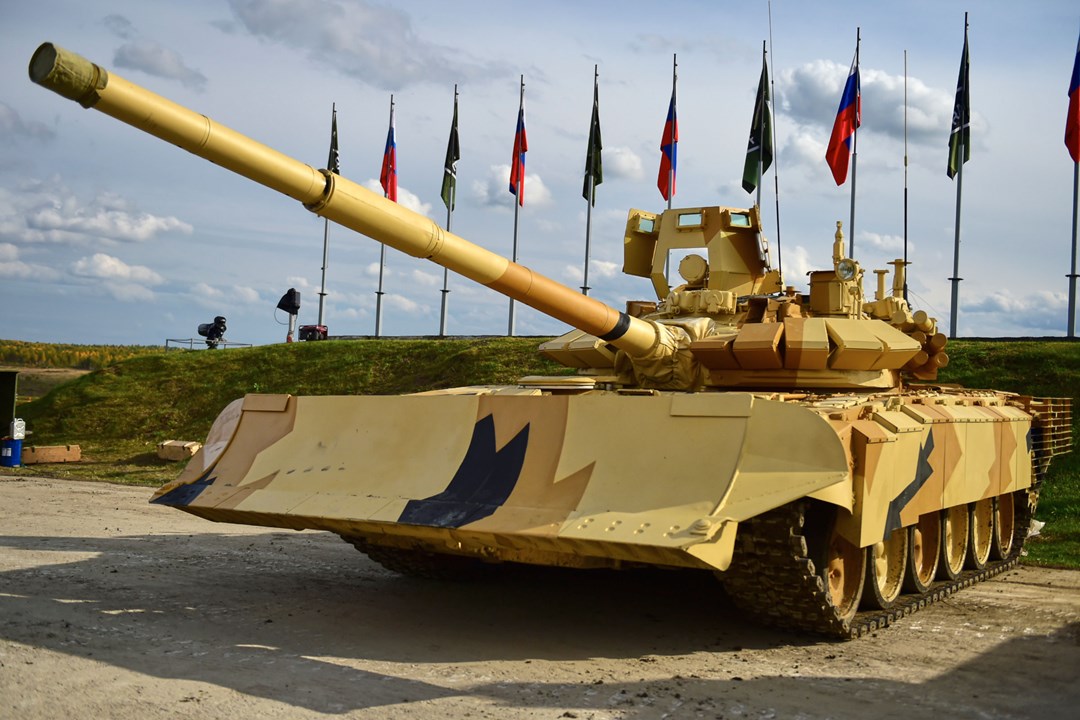
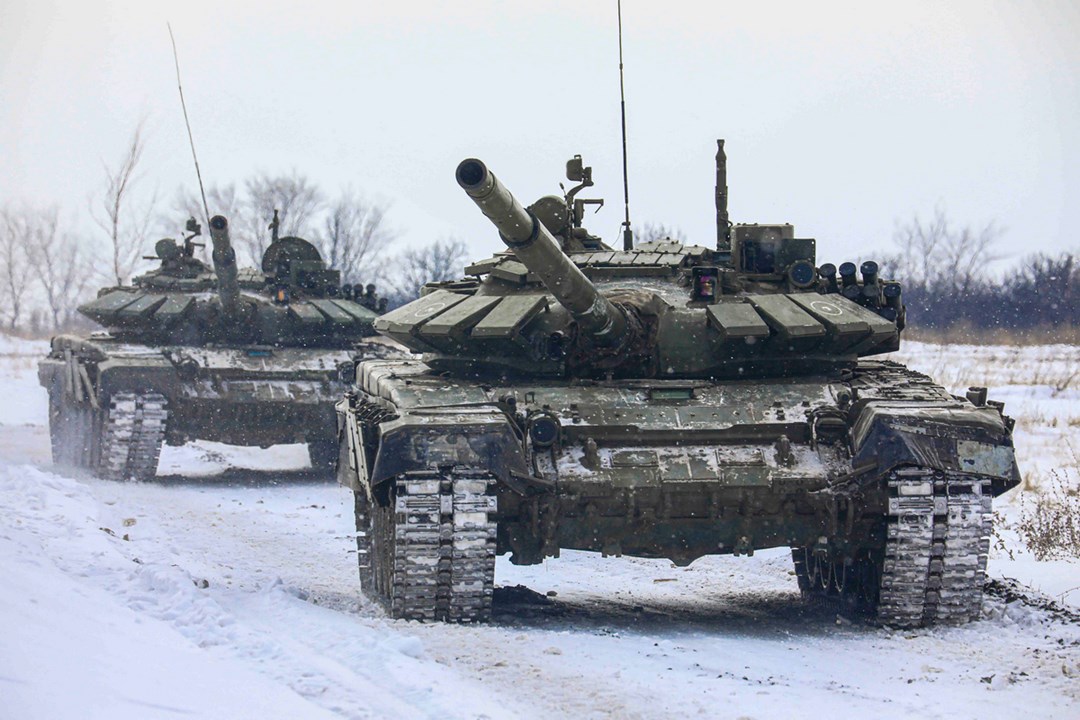
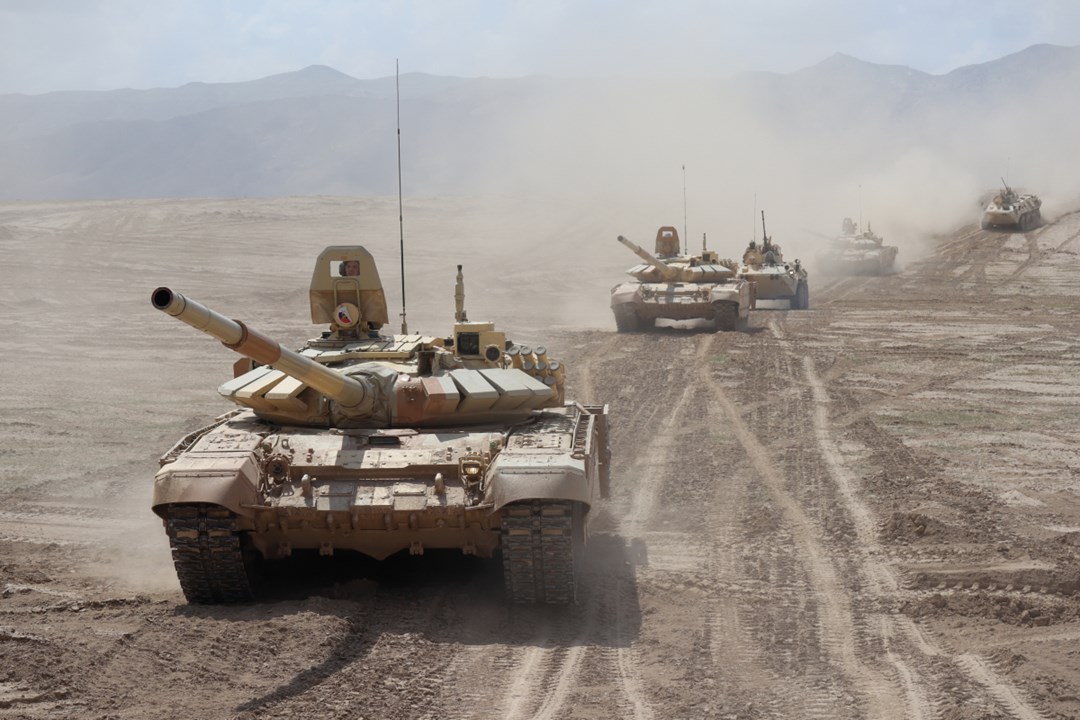
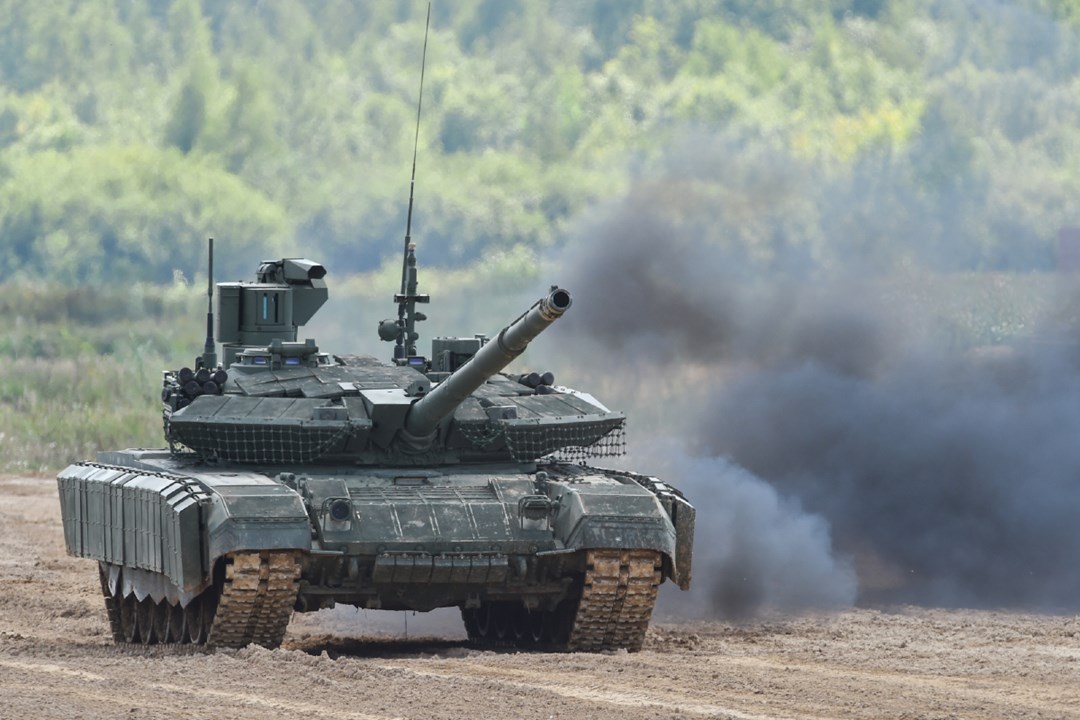
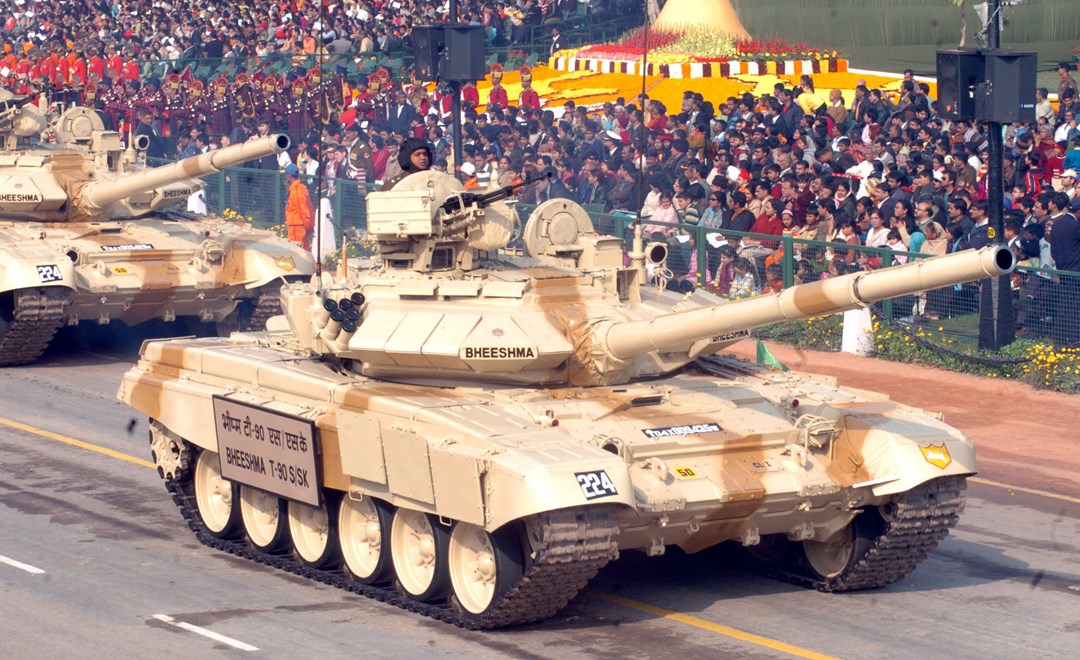
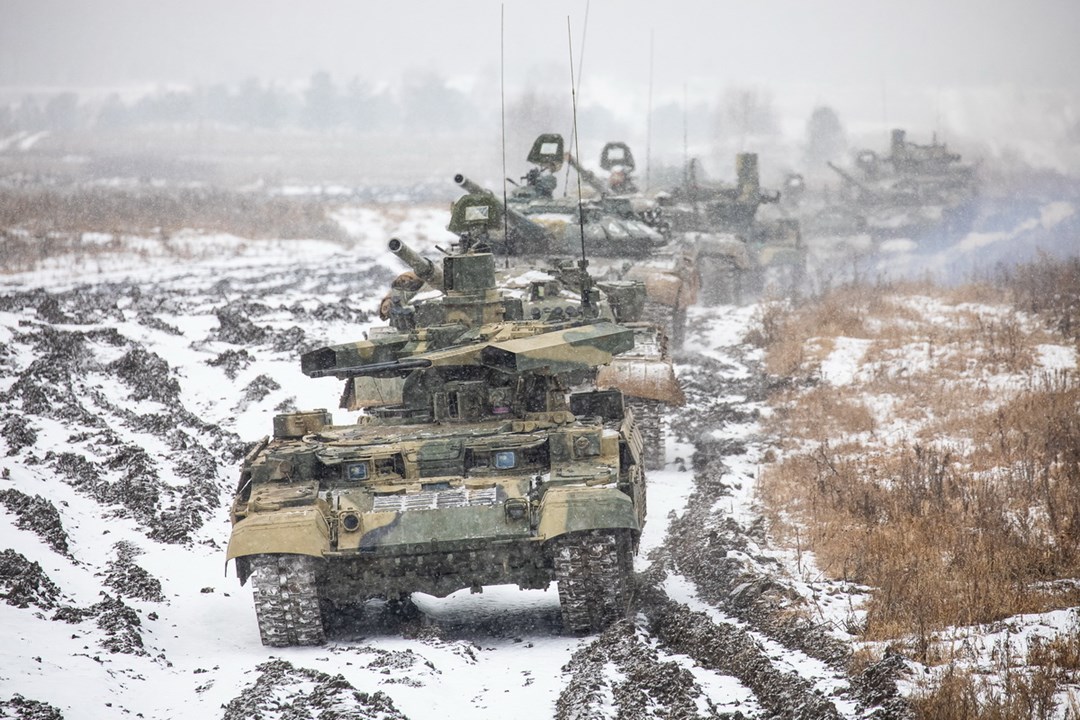
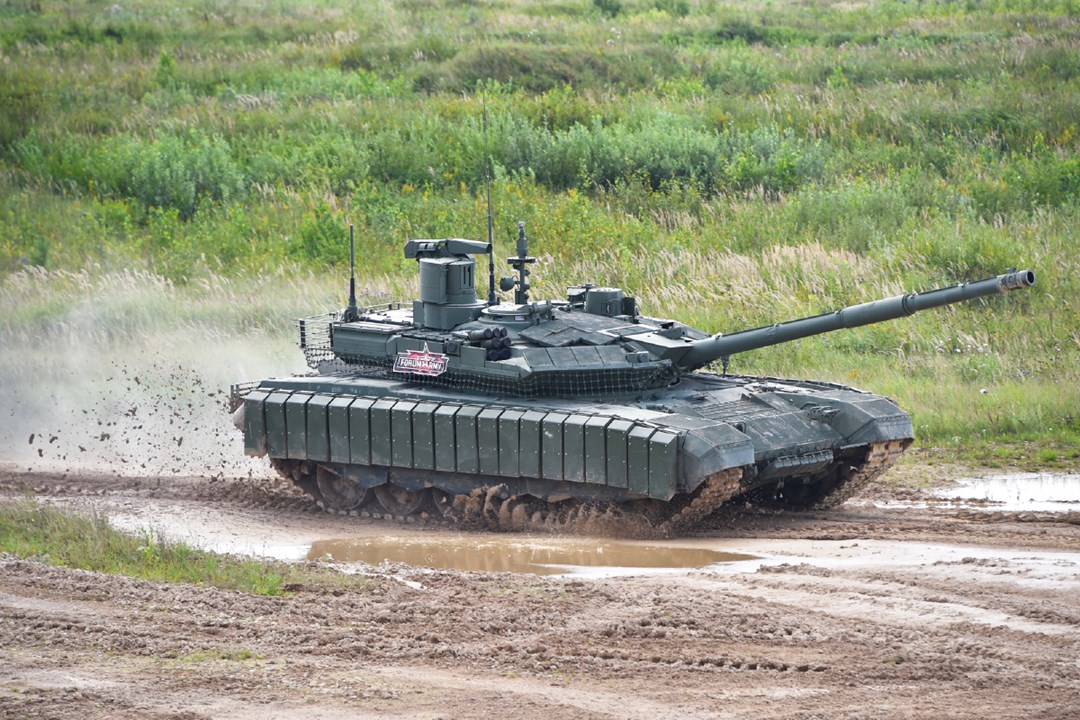
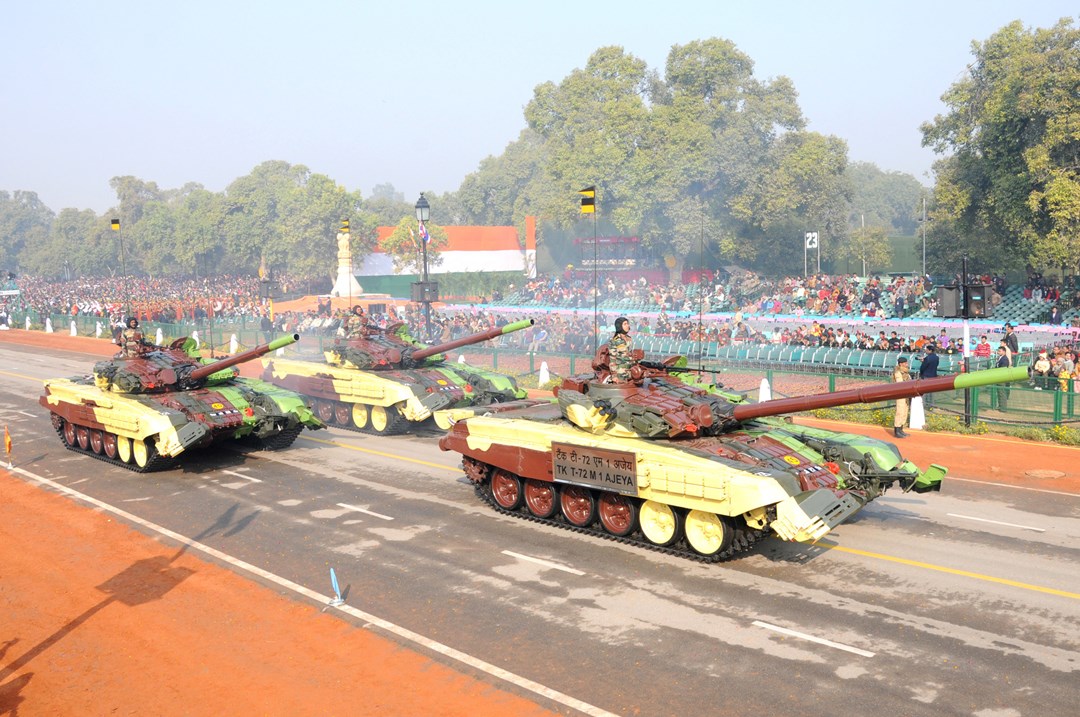
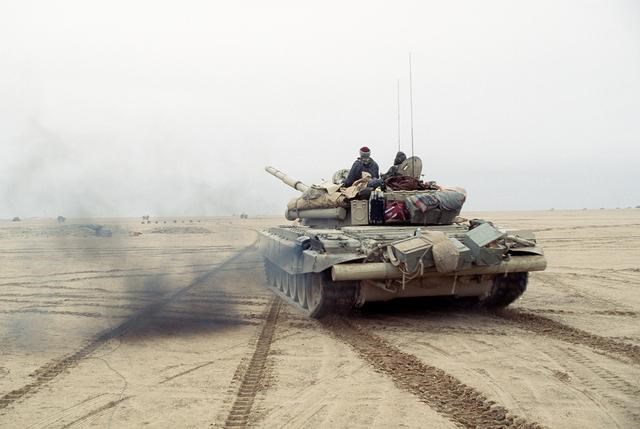
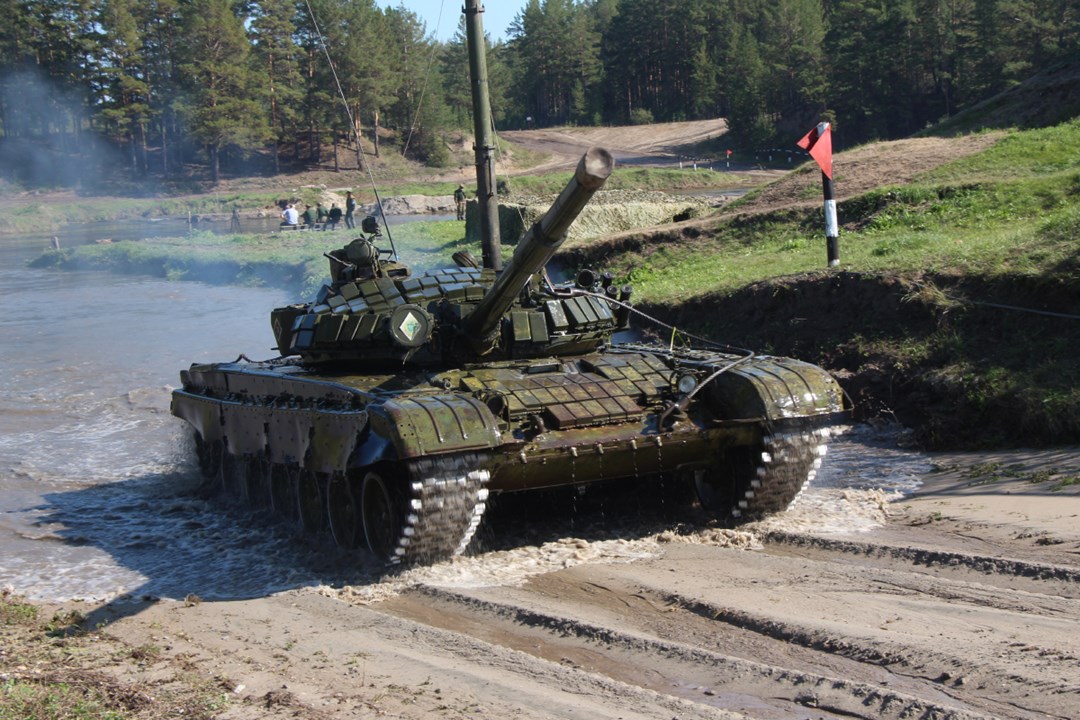
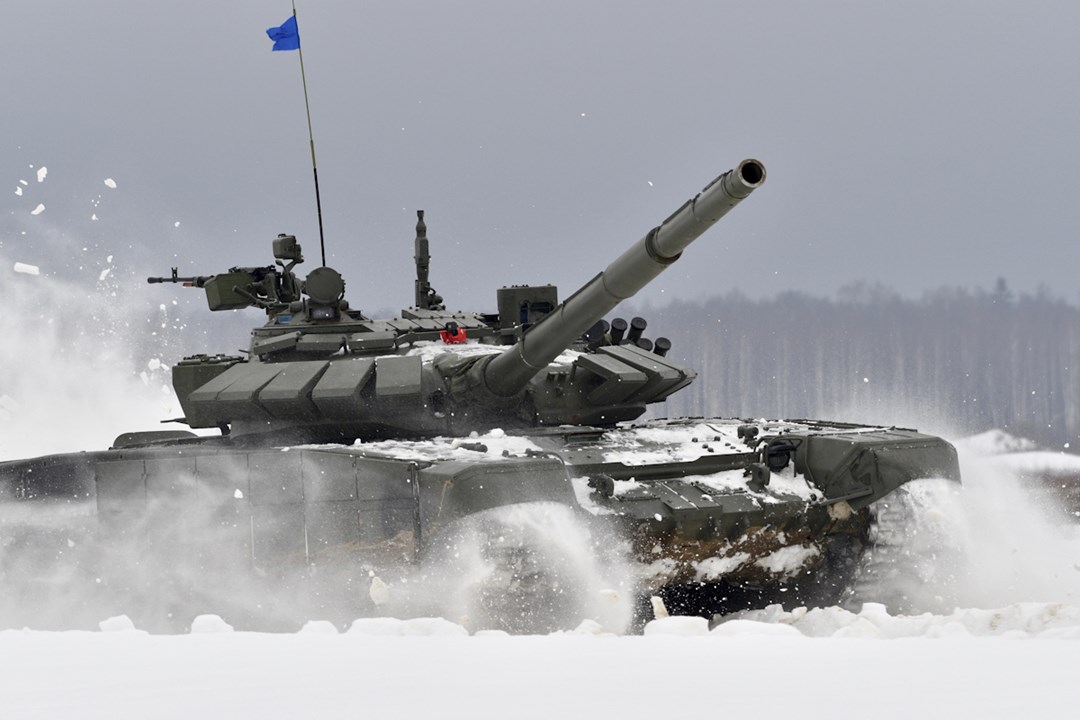
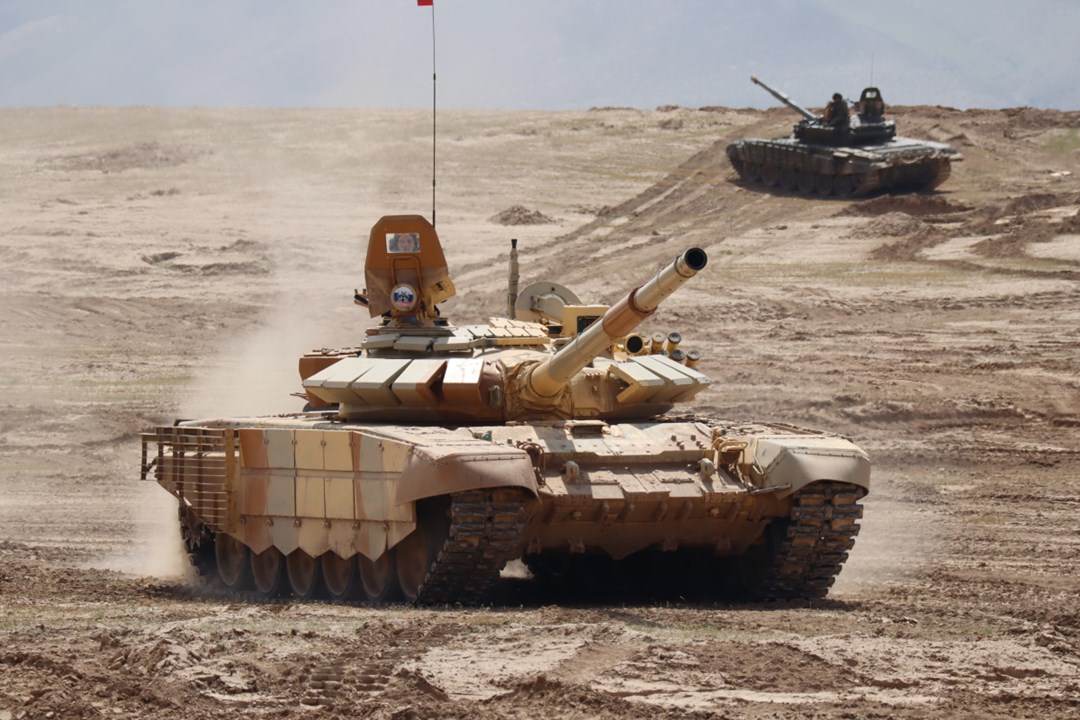
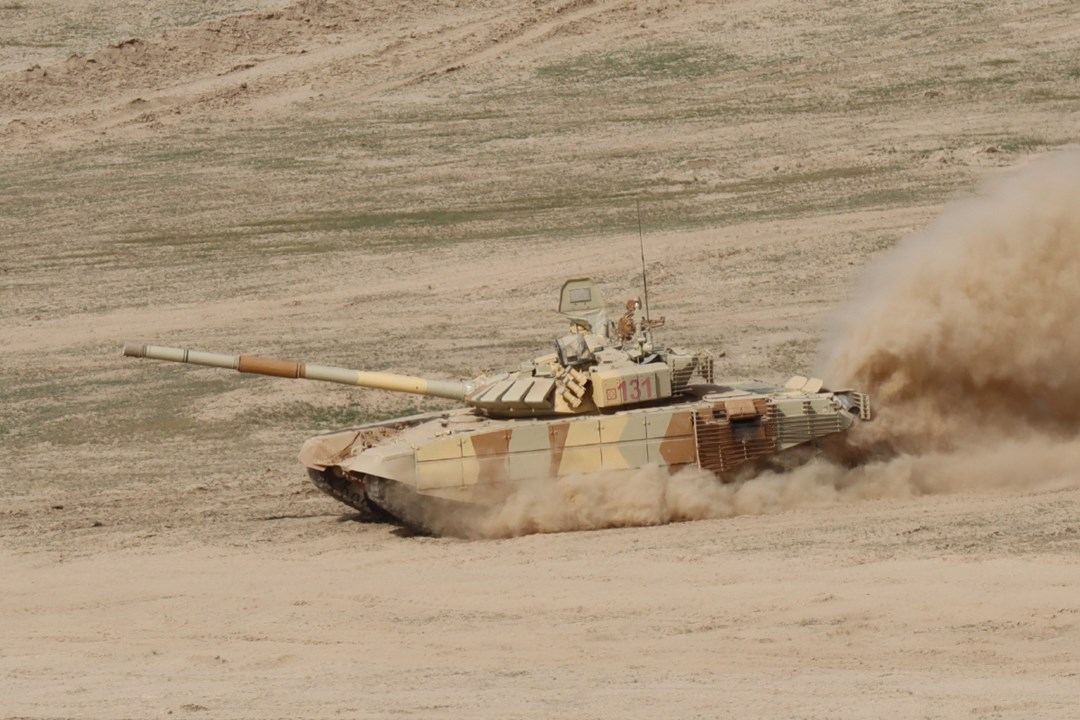
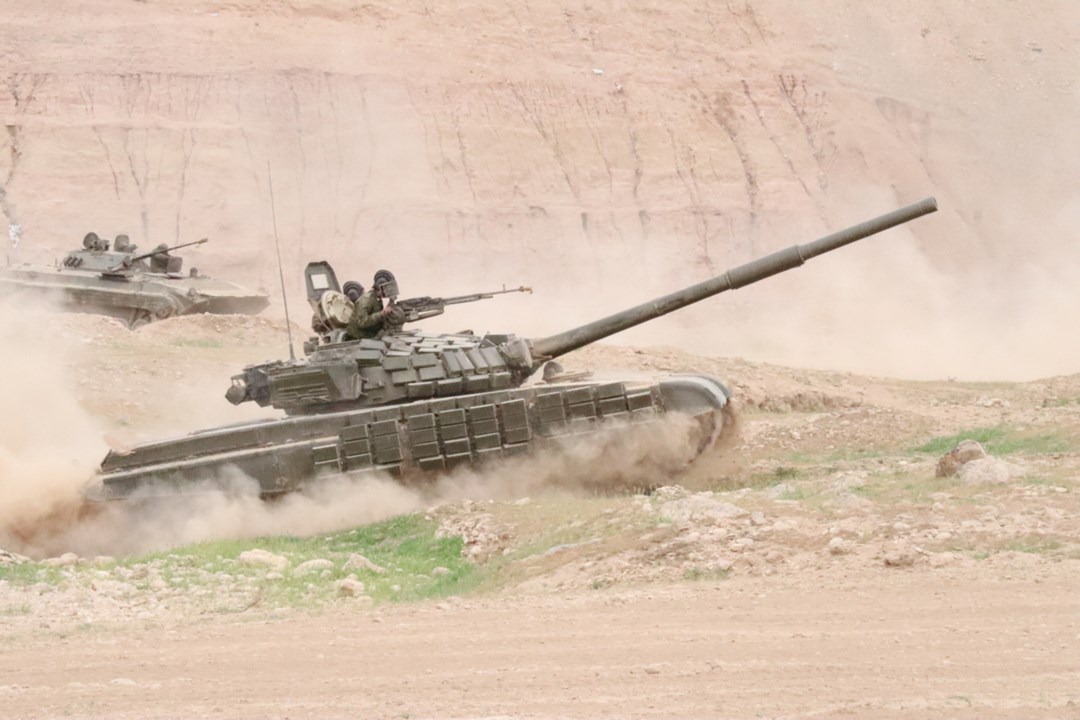
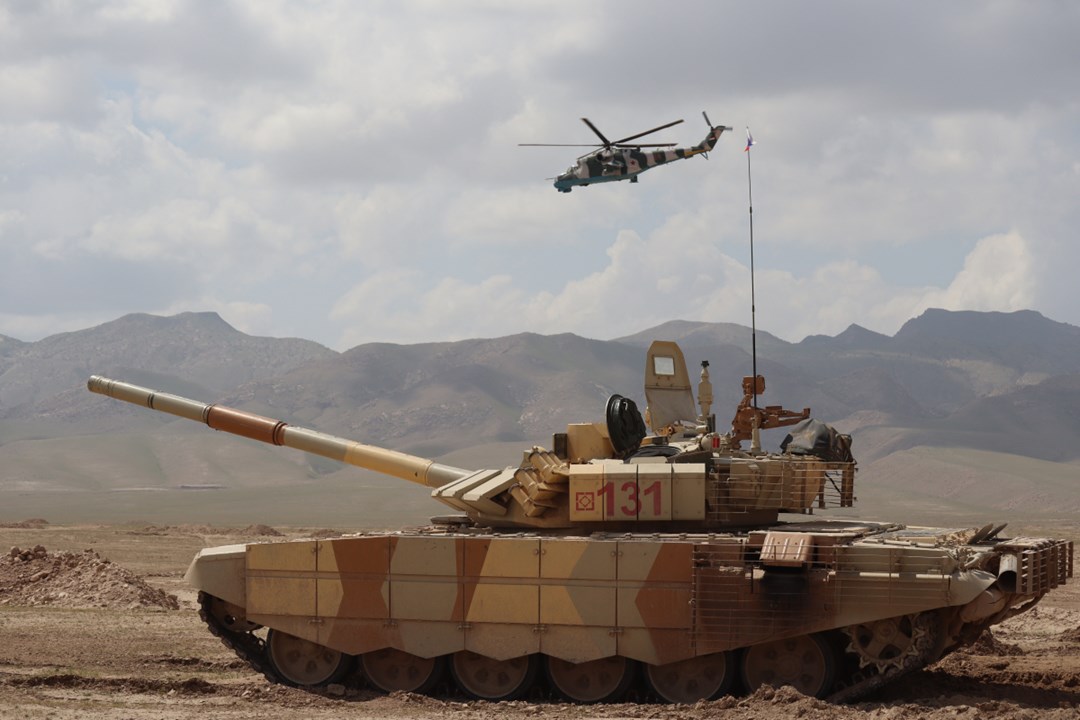
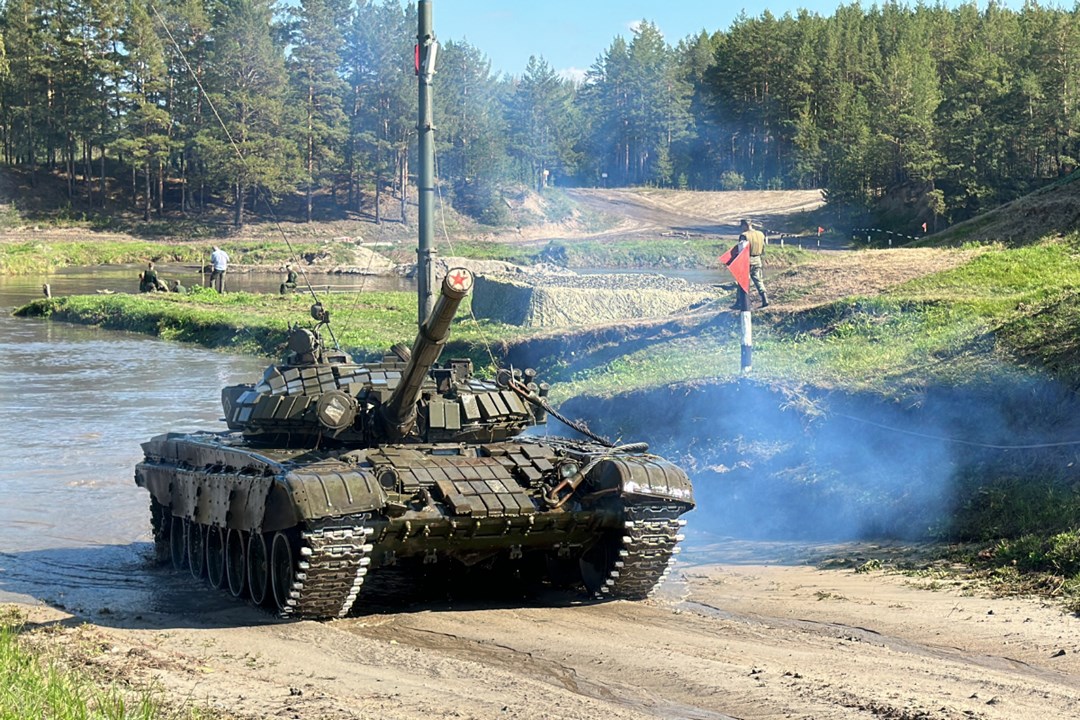
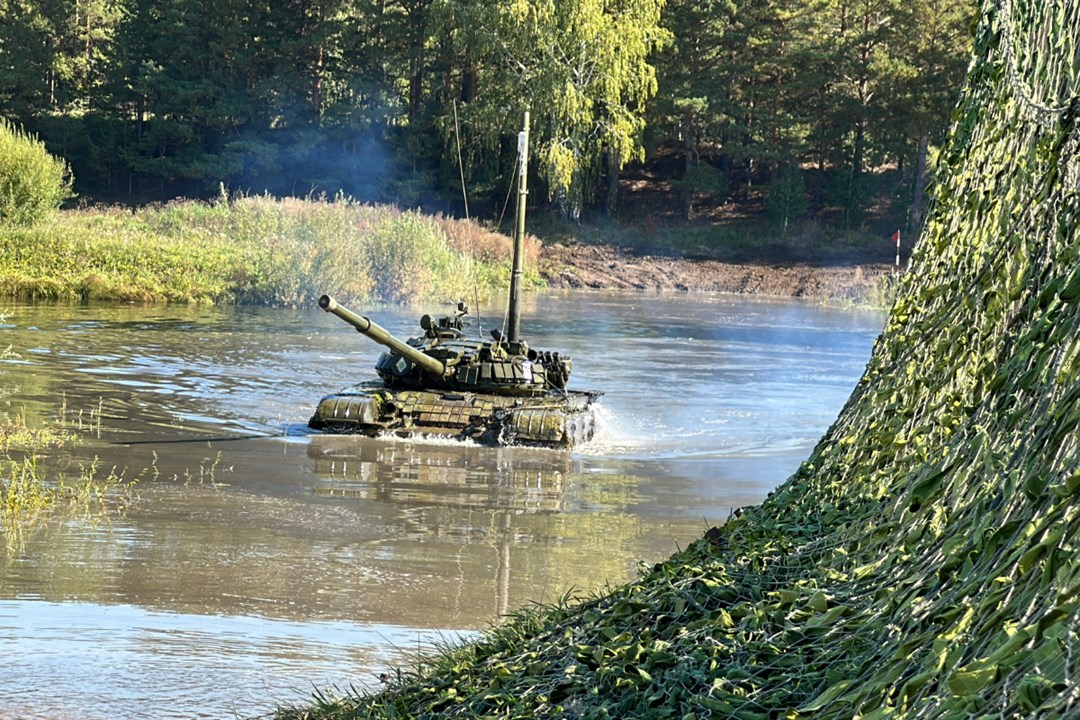
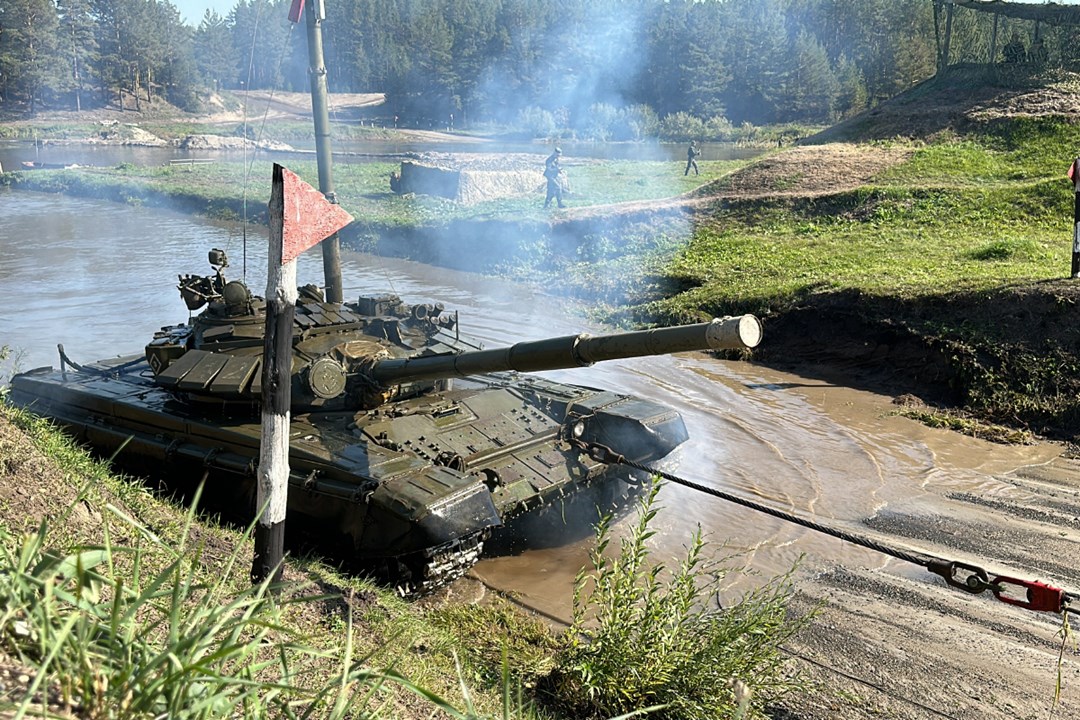
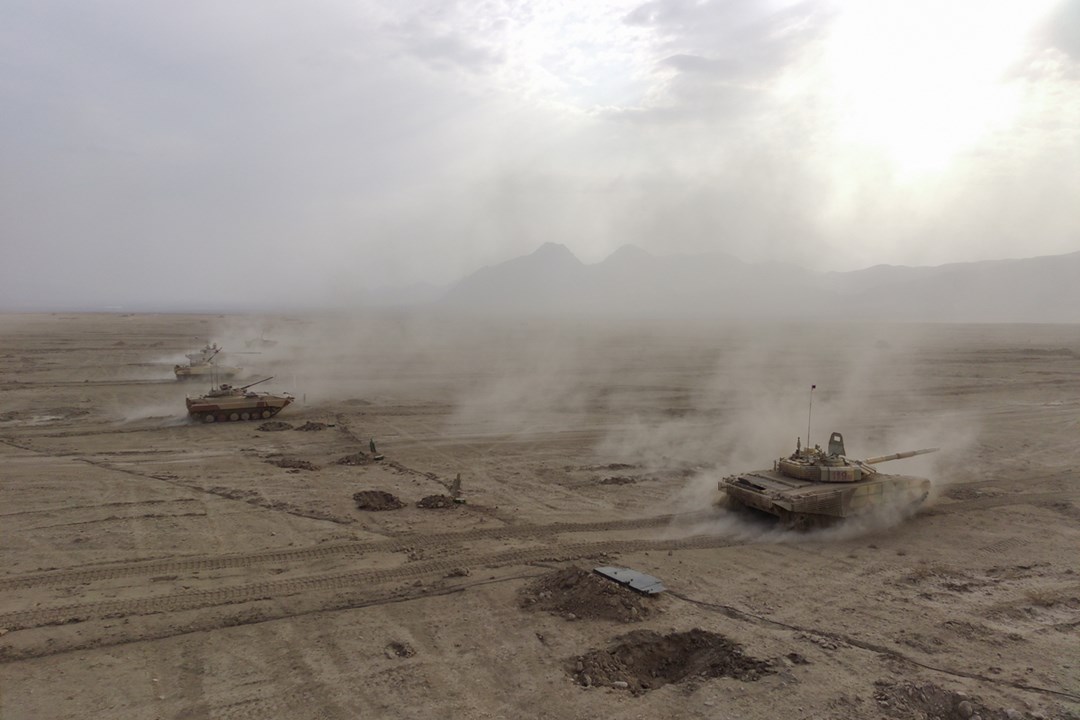
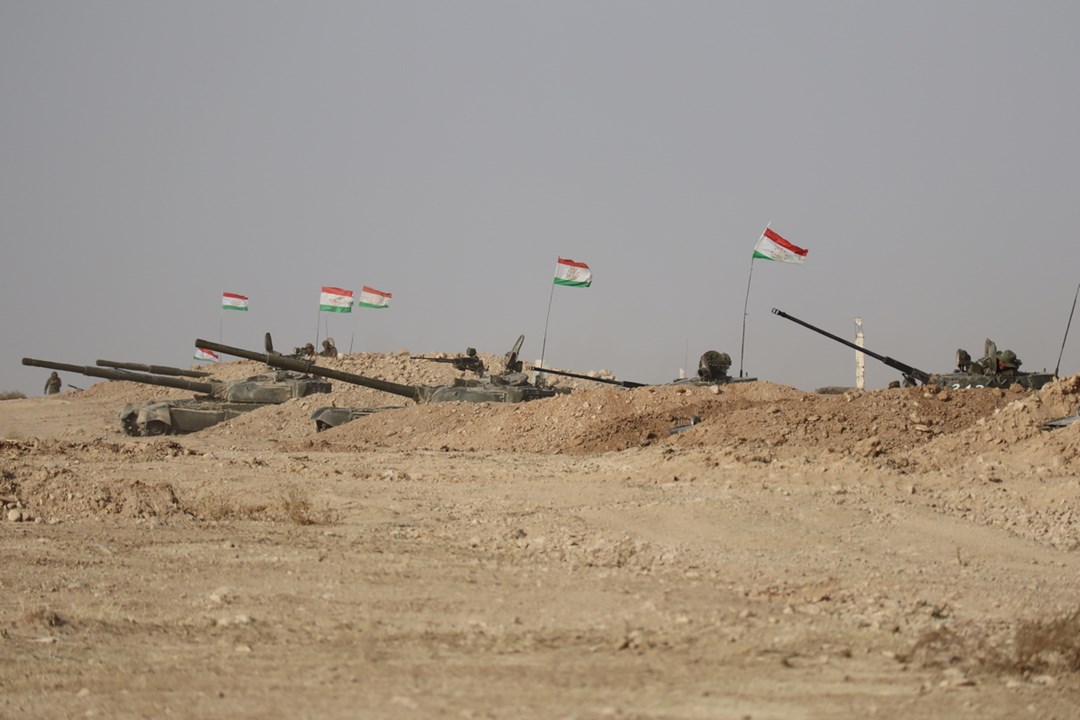
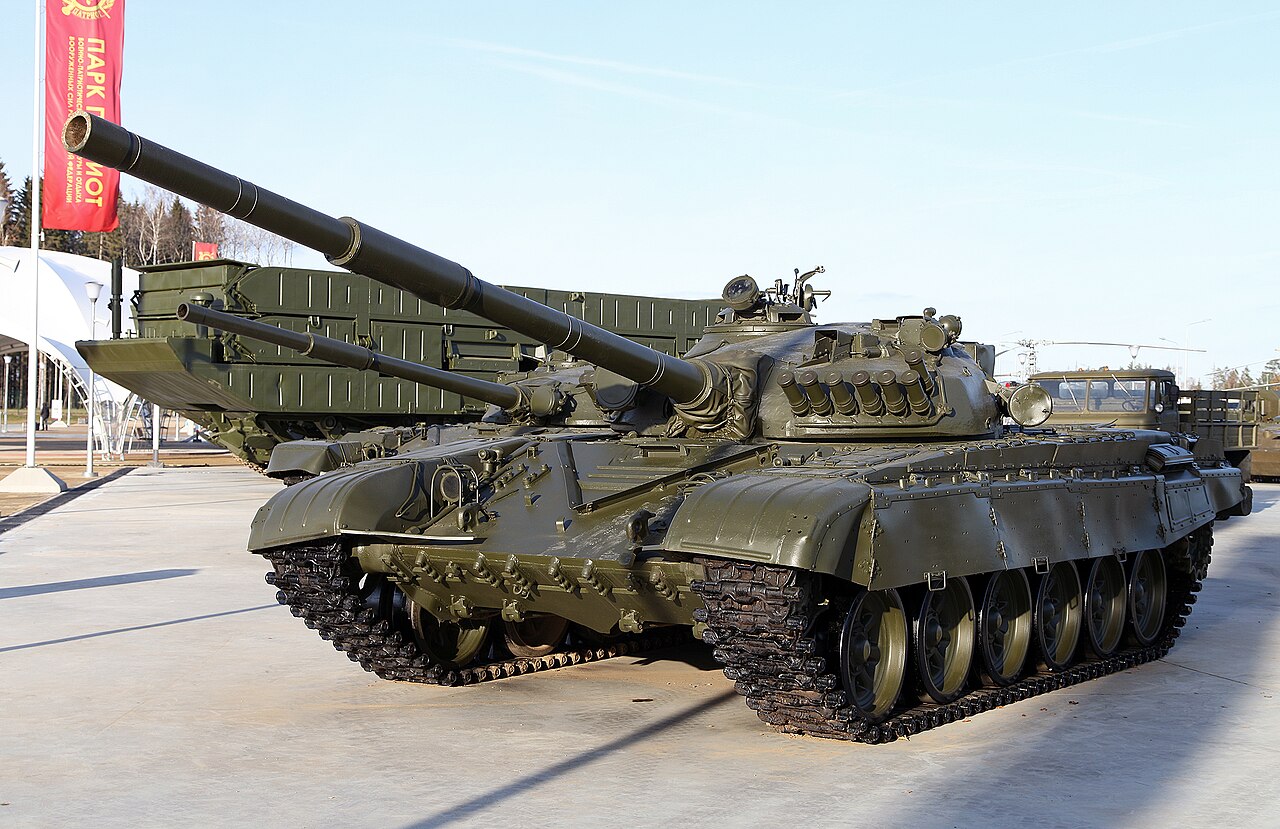
The T-72 Russian Main Battle Tank (MBT) is a landmark in post-Cold War armored vehicle design, developed to meet the Soviet Union's demand for an affordable, easily mass-produced main battle tank. Designed by Leonid Kartsev and Valeri Venediktov, the T-72 began serial production in 1973, primarily at Uralvagonzavod (UVZ) in Nizhny Tagil, with additional manufacturing at the Chelyabinsk Tractor Factory. Intended as a cost-effective alternative to the technologically advanced but expensive T-64 series, the T-72 emphasized simplified manufacturing over cutting-edge innovation. Between 1973 and 1990, Soviet factories produced about 20,267 T-72 tanks, making it the second most-produced tank in history. Despite its age, the T-72 remains a viable main battle tank for: Numerical attrition warfare, where volume compensates for individual platform deficiency; Second-tier combat against insurgent forces and older armor designs; Force modernization in developing nations with constrained defense budgets; Standardization is common across the Warsaw Pact successor states. However, the T-72 has notable limitations: its three-person crew configuration, aging autoloader, cramped interior, and laminated armor that is less effective than advanced Western composite armor. These drawbacks leave the T-72 decisively outclassed by modern NATO main battle tanks in direct combat. Nonetheless, extensive modernization programs have shown that even a 1970s-era tank can achieve credible 21st-century capabilities by integrating modern fire control systems, advanced explosive reactive armor (ERA), and upgraded powerplants. The T-72B3M variant, when well-maintained and supported by combined arms tactics, remains relevant for defensive roles and can act as a force multiplier through sheer numbers. Russia's ongoing reliance on T-72 modernization and production during the Ukrainian conflict highlights both the need to deploy extensive existing inventories and the limited capacity to produce advanced T-90M tanks. The T-72's long production history, widespread use, and upgrade potential ensure that it remains operationally relevant for decades, even though it is technologically outdated compared to modern NATO tanks.
R-168-100U
System
Ammunition (Option 1)
Ammunition (Option 2)
Ammunition (Option 3)
System
Ammunition
System
Ammunition
deagel.com: https://www.deagel.com/x/x/a000770