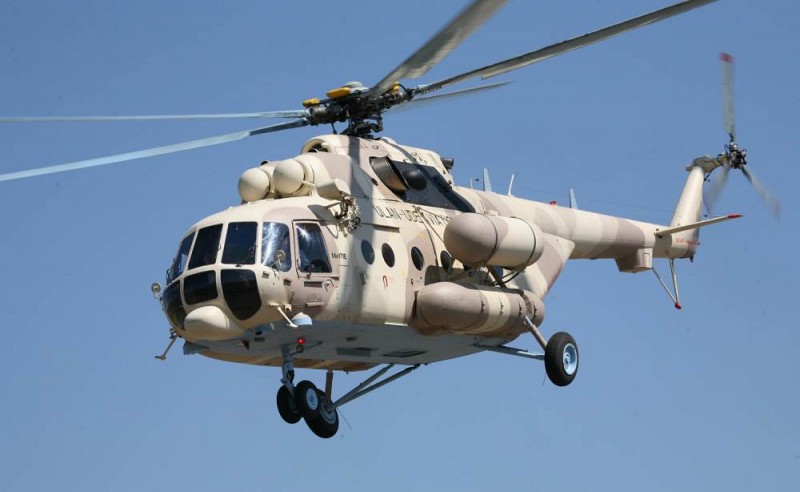
Mi-14 (Haze) Russian Anti-Submarine Warfare (ASW) Helicopter
Mi-14
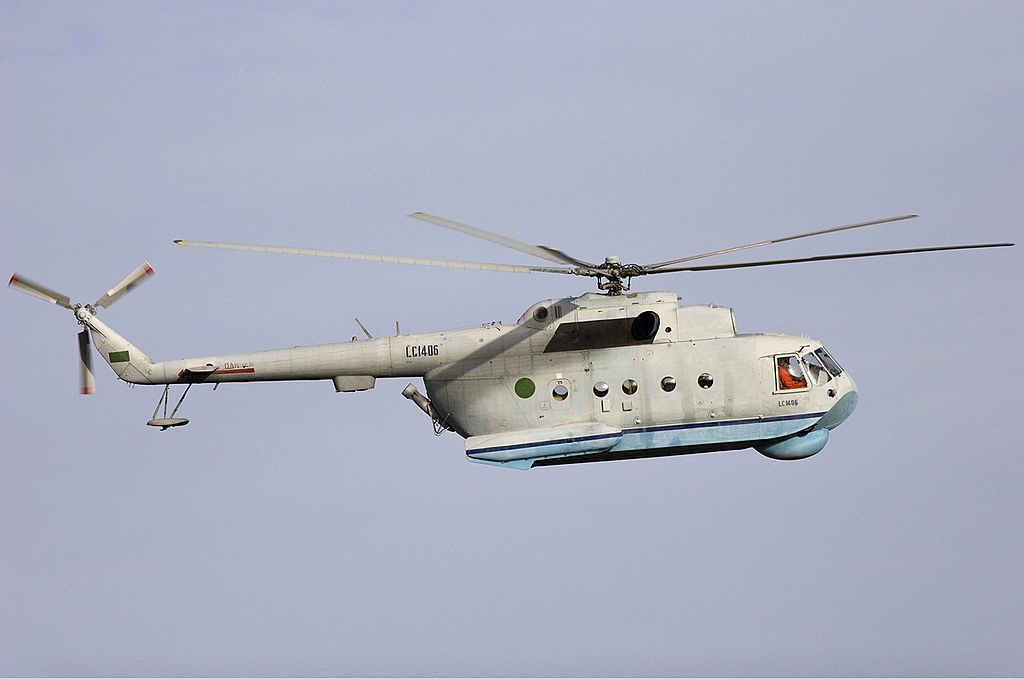
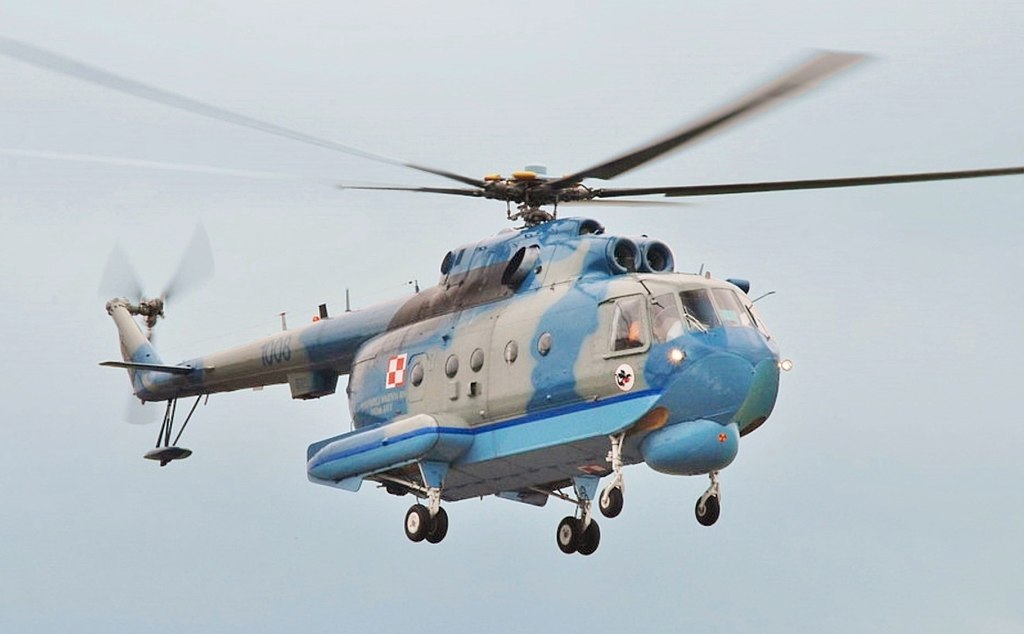
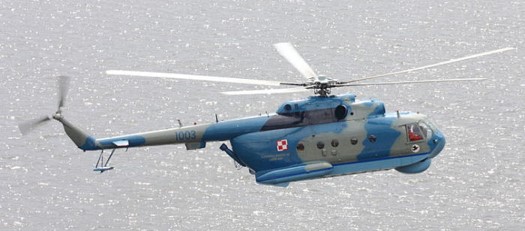
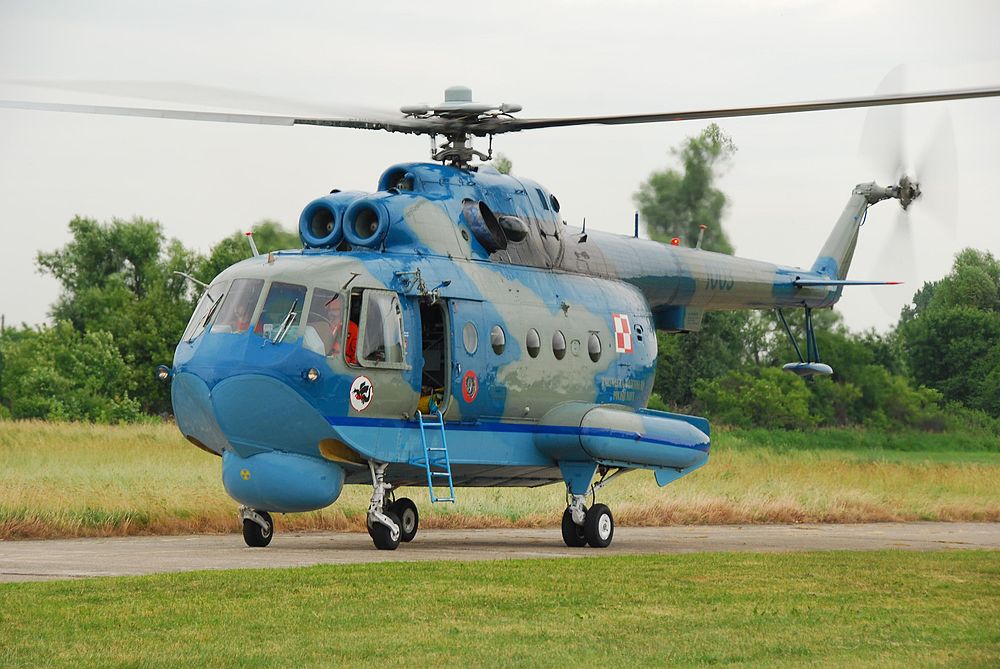
The Mi-14 (Haze) Russian Anti-Submarine Warfare (ASW) Helicopter is a naval land-based helicopter, derived from the Mi-8 Hip, which is configured primarily for anti-submarine warfare (ASW). It also serves in minesweeping and search-and-rescue (SAR) roles. Modifications from the basic Mi-8 configuration include the provision of a hull that has an upturned, scalloped front; a tail boom float; retractable landing gear; port-side anti-torque rotor; and shortened engine nacelles. A large radome holding a search radar is located under the nose and is fully submerged when afloat. The ventral weapons bay is enclosed by two sets of split doors separated by a narrow central keel. Formal development of anti-submarine warfare (ASW) version of the Mil Mi-8 transport helicopter was authorized by the Soviet Communist Party Central Committee and Council of Ministers in April 1965, with the objective of replacing the Mil Mi-4 in the short-range, shore-based anti-submarine role. The new helicopter was required to have an endurance of 2 hours on station at a radius of 222 kilometers (120 nmi; 138 mi) from the base. The new design (with the internal designation V-14) differed from the Mi-8 in having a boat-like hull similar to the Sea King, allowing it to operate off the water, and a retractable four-point undercarriage,[N 1] with the mainwheels retracting into large sponsons on the rear of the fuselage. The helicopter was to be powered by two Klimov TV3-117MT turboshaft engines. A watertight weapons bay is fitted to the centreline of the fuselage allowing internal carriage of a single torpedo or eight depth charges, while a radome housing a search radar is fitted beneath the nose. The first prototype V-14, converted from a Mi-8 and powered by the older and less powerful Klimov TV2-117 engines, flew on 1 August 1967. Development was slowed by problems with the helicopter's avionics and due to reliability problems with the TV3-117 engines, with production at Kazan not starting until 1973, and the helicopter (now designated Mi-14) entering service on 11 May 1976. In January 2016, Russian Helicopters confirmed to Russian News Agency TASS that no final decision to revive production had been taken, but market demand, feasibility studies – including with Moscow's defense ministry – and funding sources were under review. The program remains a “priority” for Russian Helicopters. The company suggested the Mi-14 would appeal to civil operators in Russia's far north and those supplying the oil and gas industry, alongside the nation's armed forces. Out of the almost 300 Mi-14s produced at Kazan Helicopters between 1973 and 1986, it is estimated that just 44 examples remain in active service.
deagel.com: https://www.deagel.com/x/x/a000692