MILAN 2T French Anti-Tank Guided Missile (ATGM)
MILAN
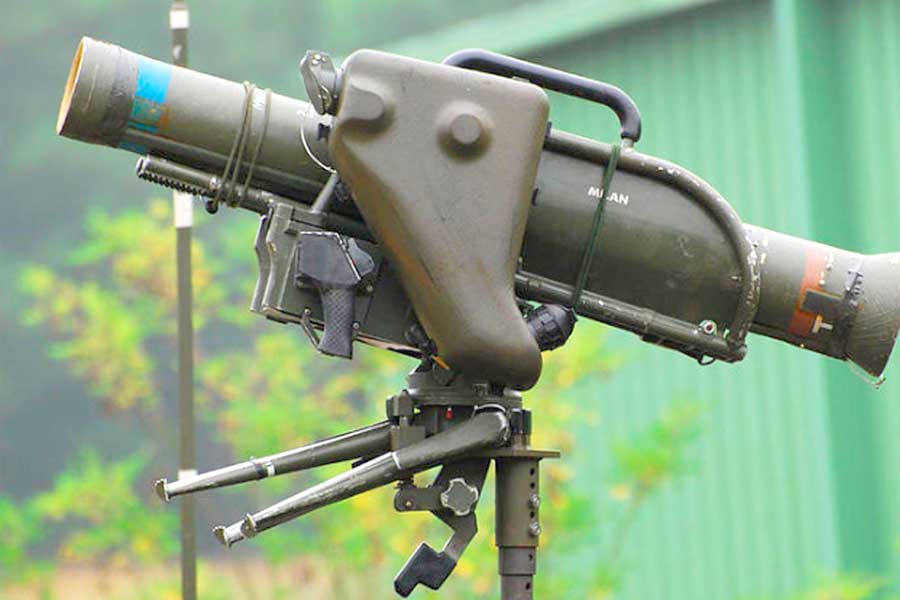
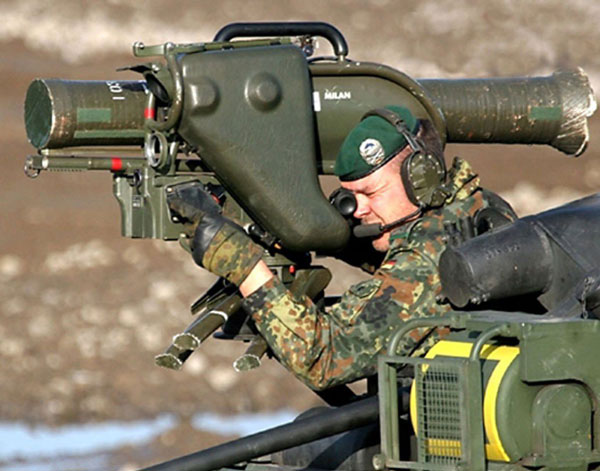
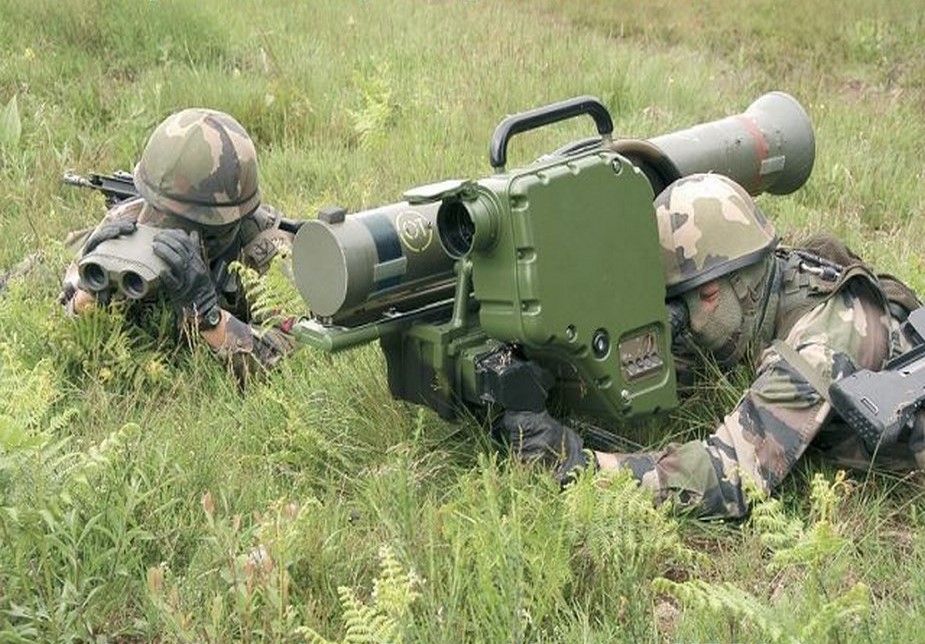
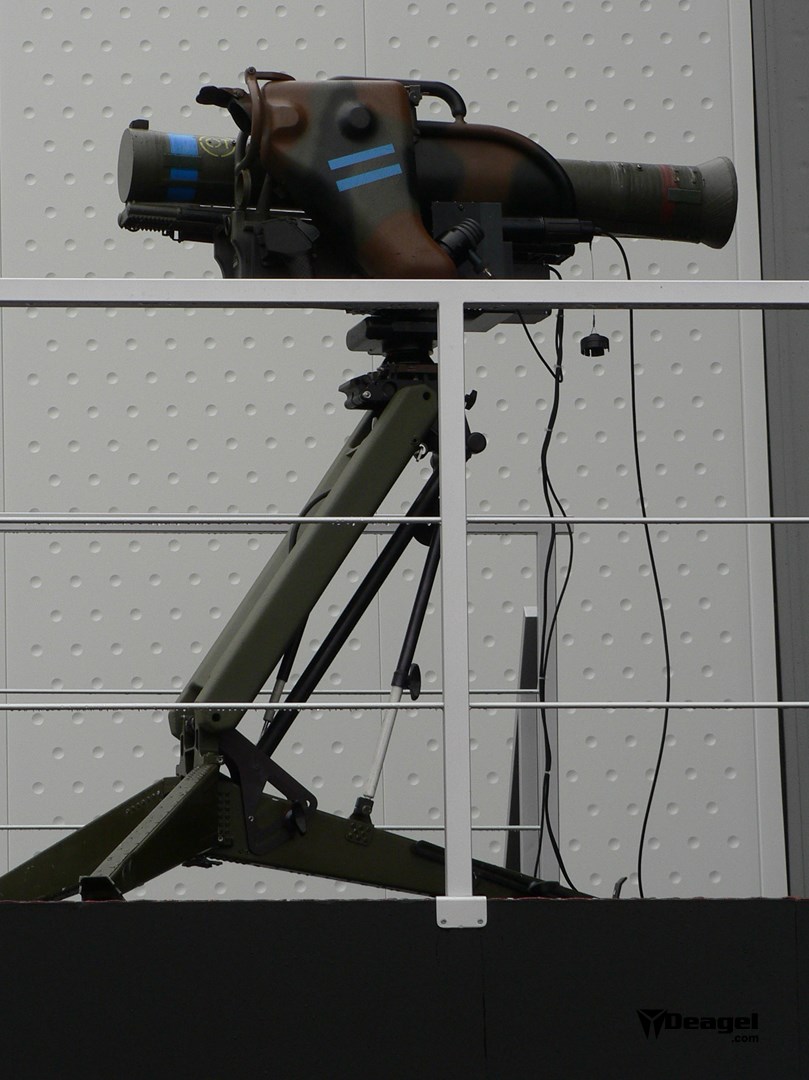
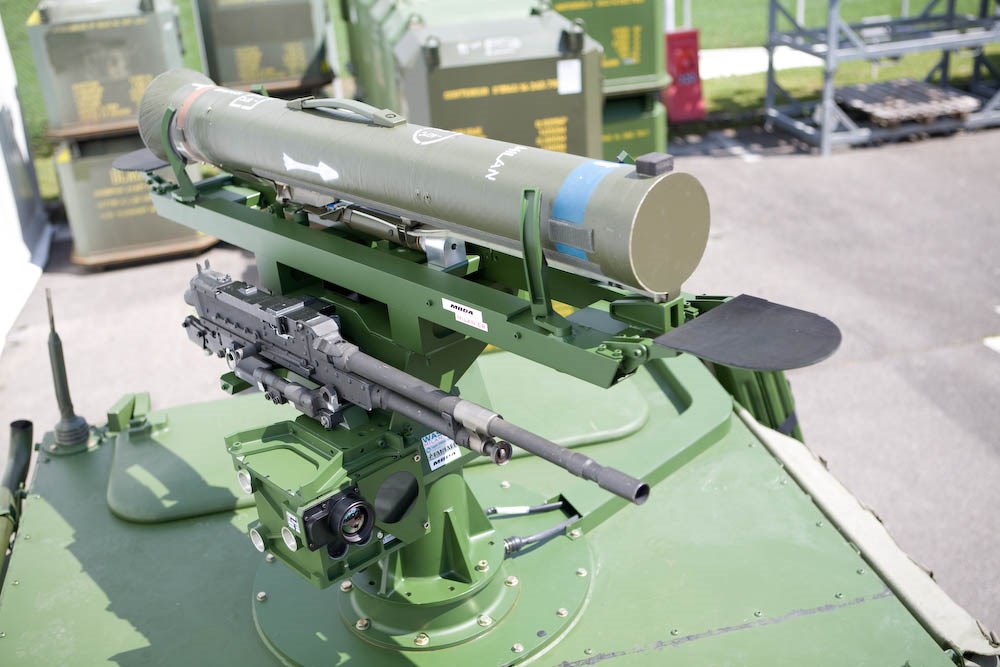
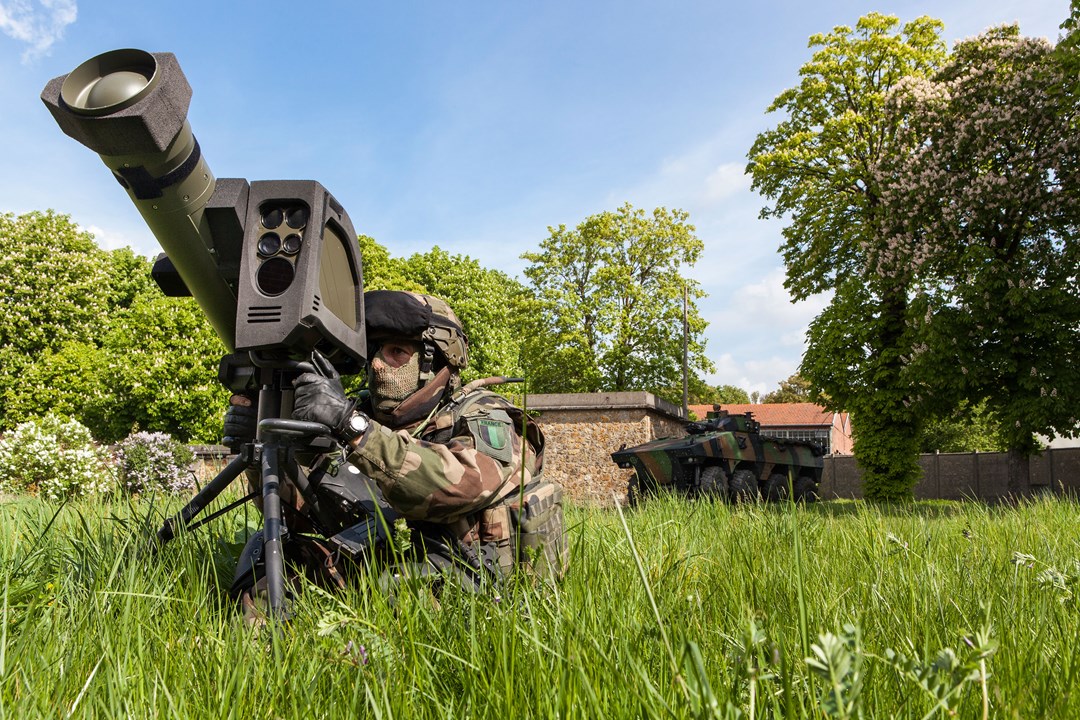
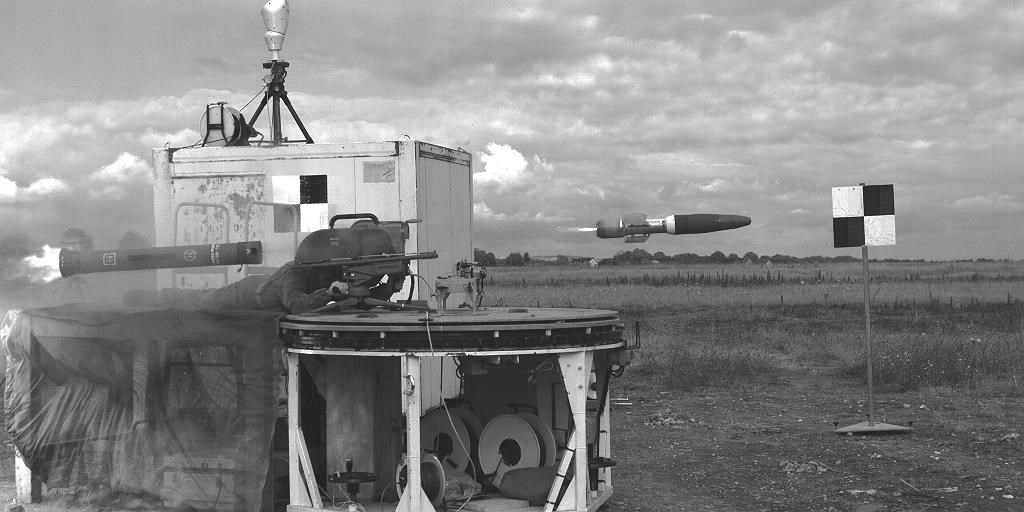
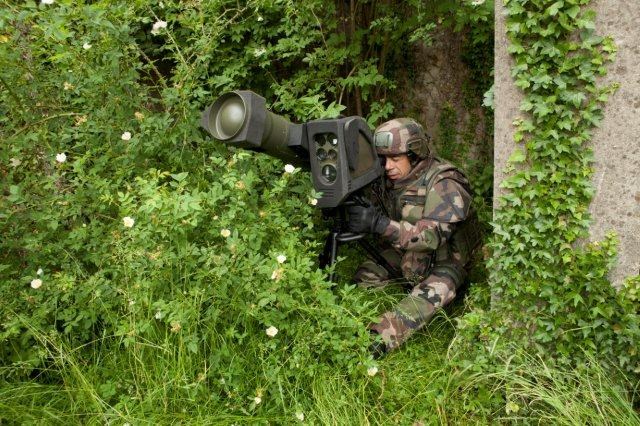
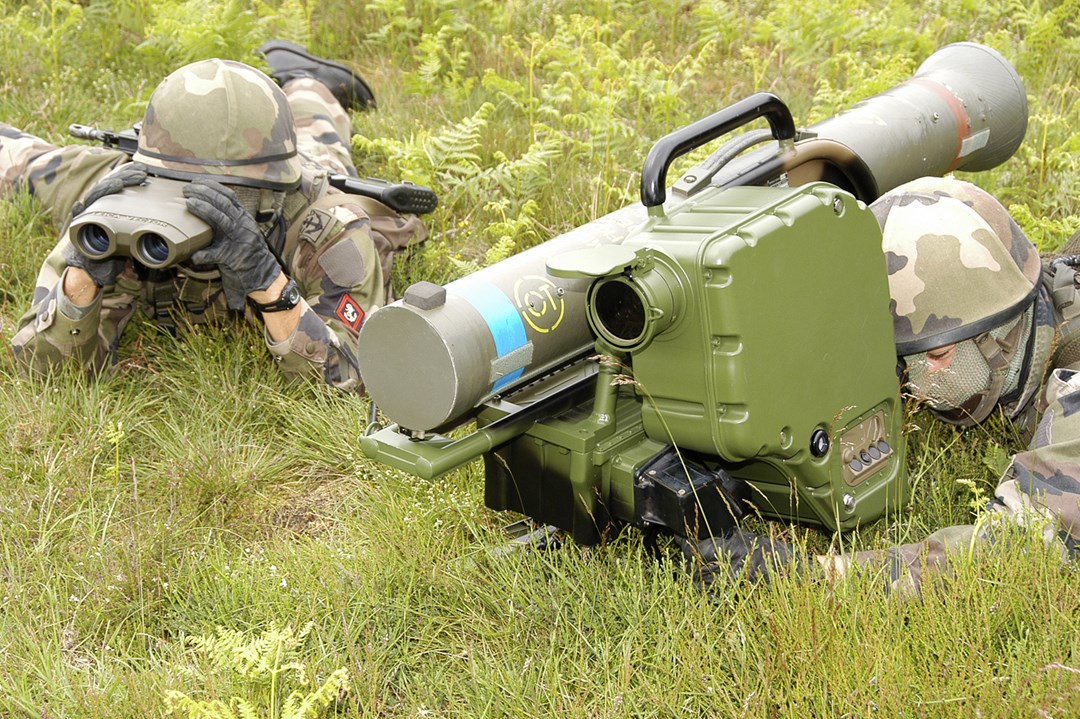
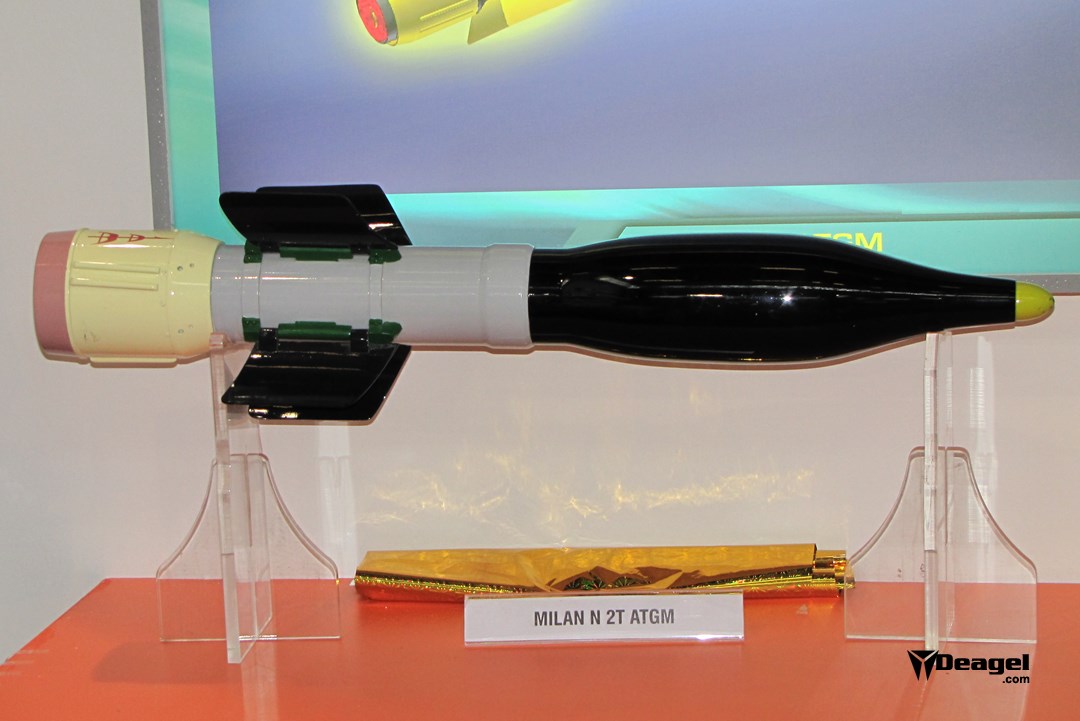
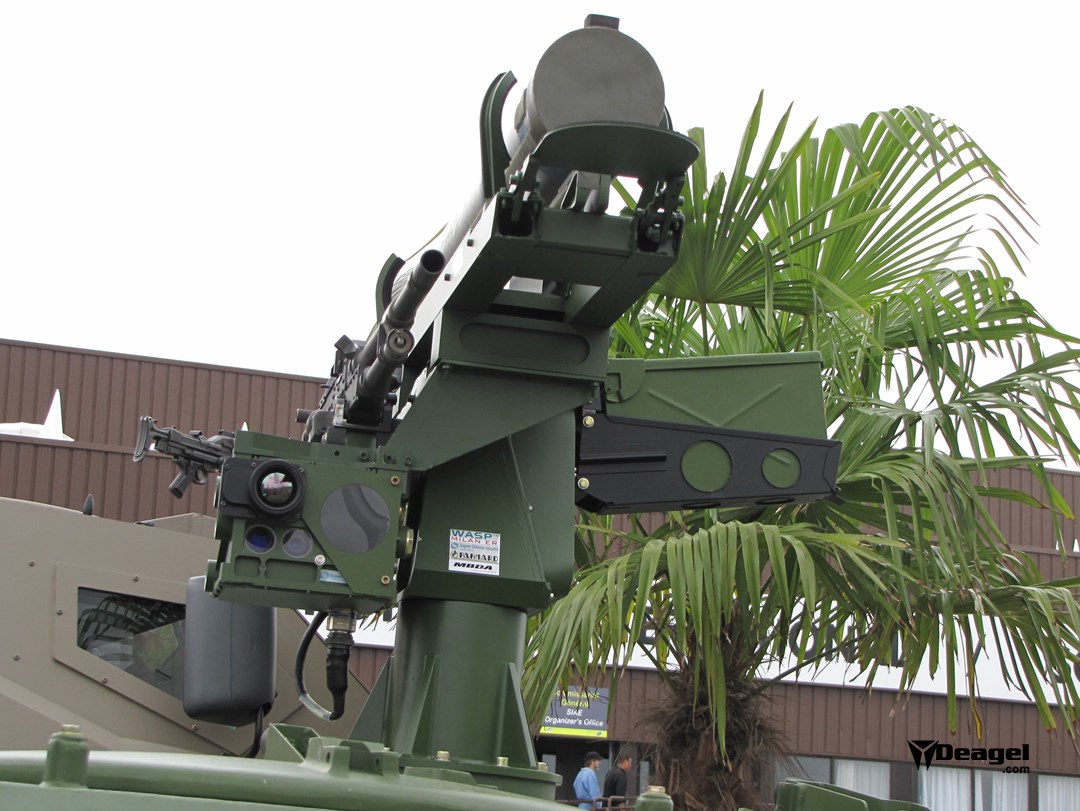
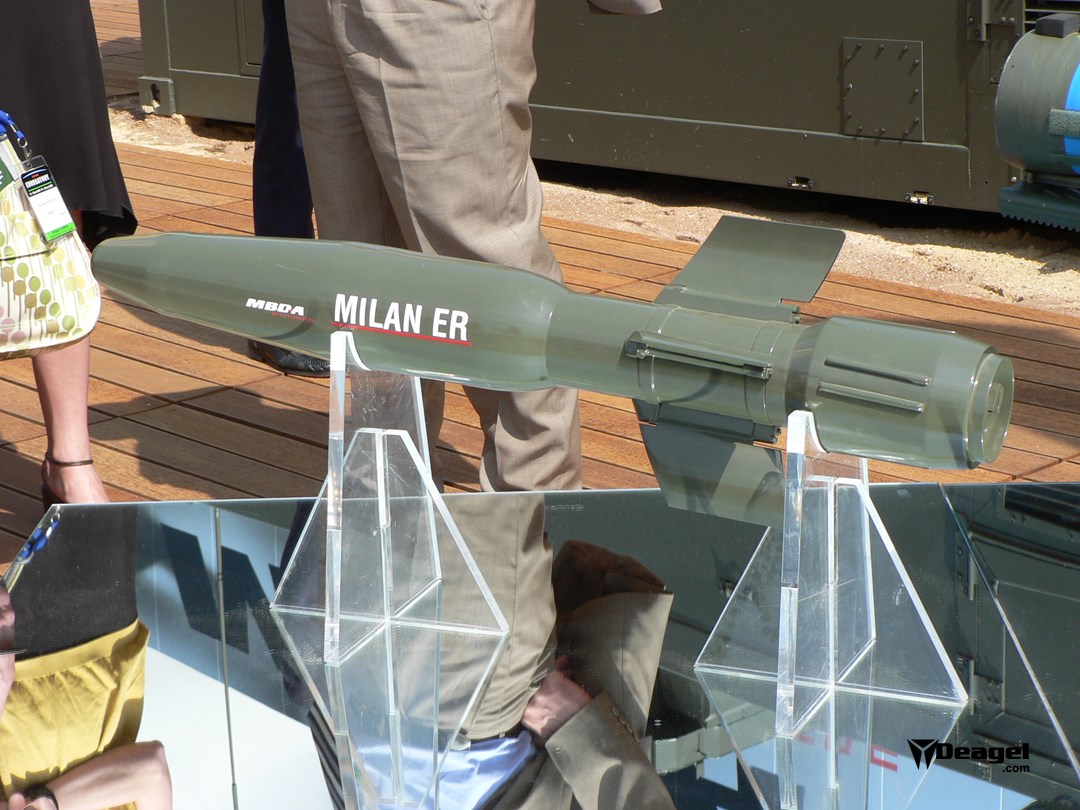
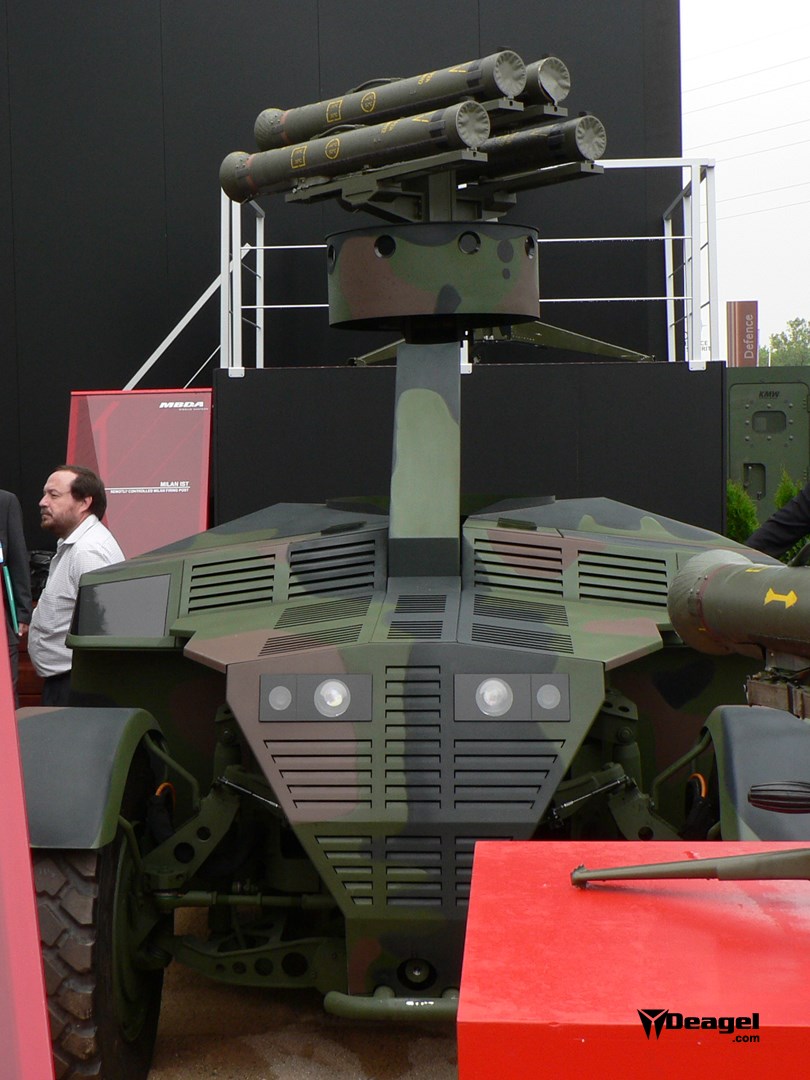
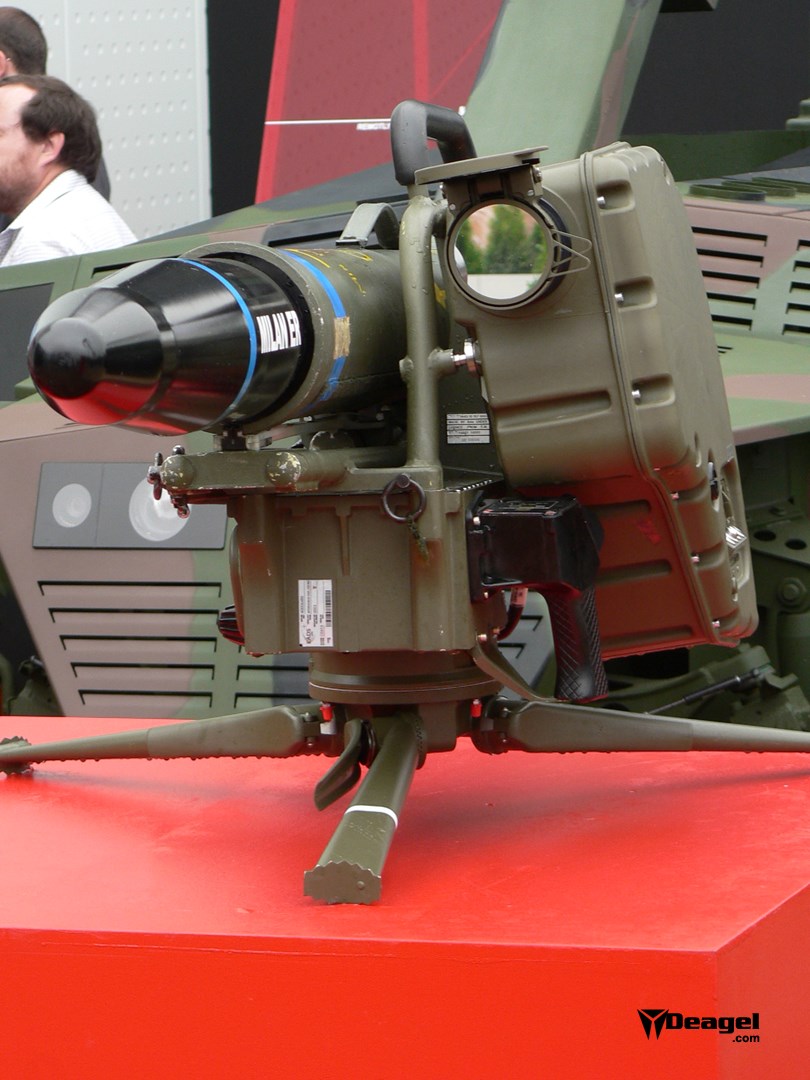
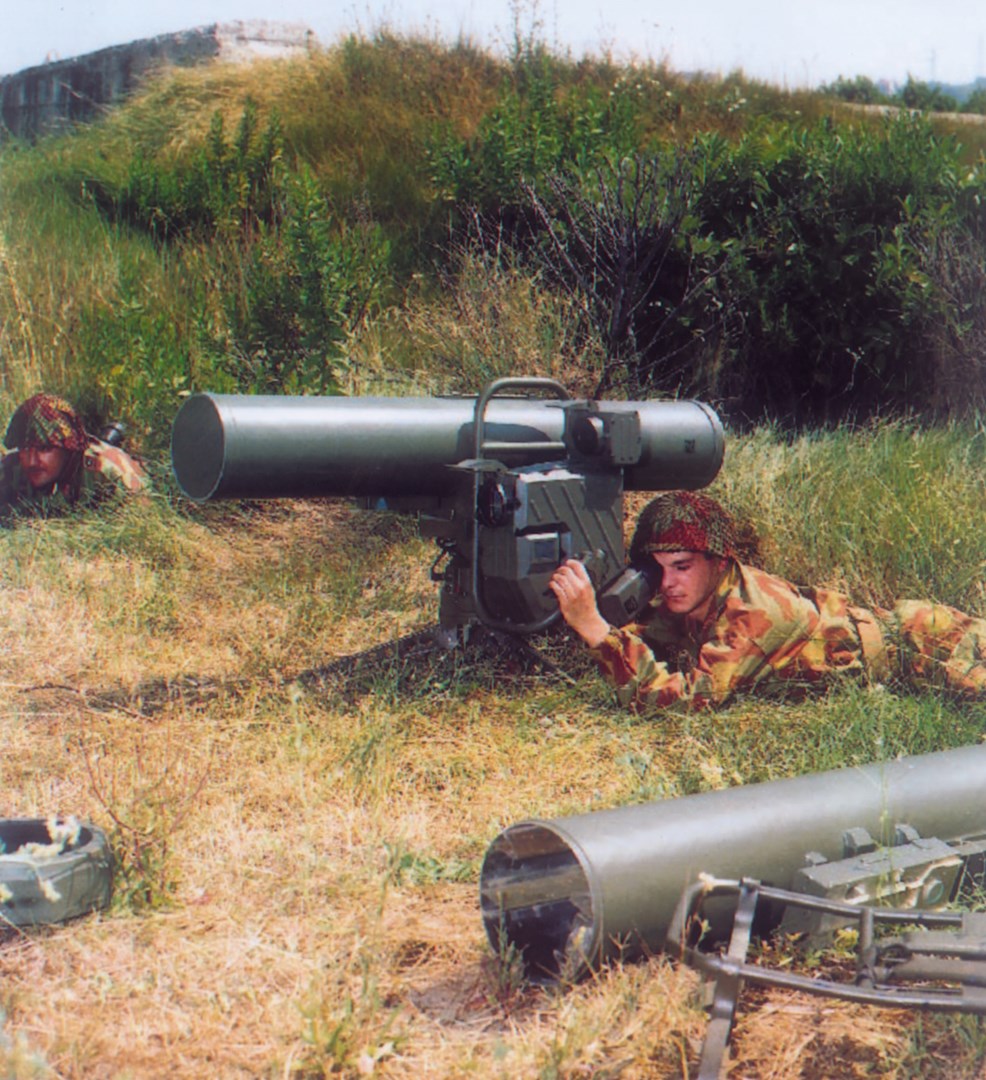
MILAN 2T, The 2T marked the introduction of a tandem HEAT warhead in the MILAN system. This was to counter the widespread use of Explosive Reactive Armor (ERA) among third-generation tanks, which by the late 1980s were impervious to most shoulder-launched anti-tank rockets. This missile penetrates 880 mm of rolled homogeneous armor behind ERA. MILAN (French: Missile d'infanterie léger antichar; English: Light anti-tank infantry missile, Milan is French for kite) is a Western European anti-tank guided missile. The design of the MILAN started in 1962, it was ready for trials in 1971, and was accepted for service in 1972. It is a wire-guided SACLOS (semi-automatic command to line-of-sight) missile, which means the sight of the launch unit has to be aimed at the target to guide the missile. The MILAN can be equipped with a MIRA or MILIS thermal sight to give it night-firing ability. MILAN is a product of Euromissile, a Franco-West German missile development program dating back to the 1960s. The system entered service in 1972 as a second-generation anti-tank weapon and soon became a standard anti-tank weapon throughout NATO, in use by most of the alliance's individual armies. Consisting of two main components, the launcher, and the missile, the MILAN system utilizes a semi-automatic command to line of sight (SACLOS) command guidance system. It tracks the missile either by a tail-mounted infrared lamp or an electronic-flash lamp, depending on the model. Because it is guided by wire by an operator, the missile cannot be affected by radio jamming or flares. However, drawbacks include its short range, the exposure of the operator, problems with overland powerlines, and a vulnerability to infrared jammers such as Shtora that can prevent the automatic tracking of the missile's IR tail light.
MILAN 2T Anti-Tank Guided Missile (ATGM)
deagel.com: https://www.deagel.com/x/x/a000881