Ivan Susanin Class (Project 97P Class) Russian Icebreaker
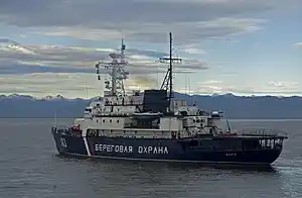
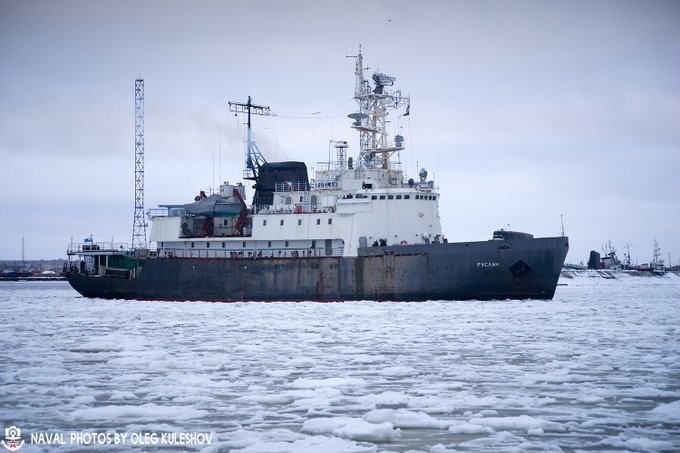
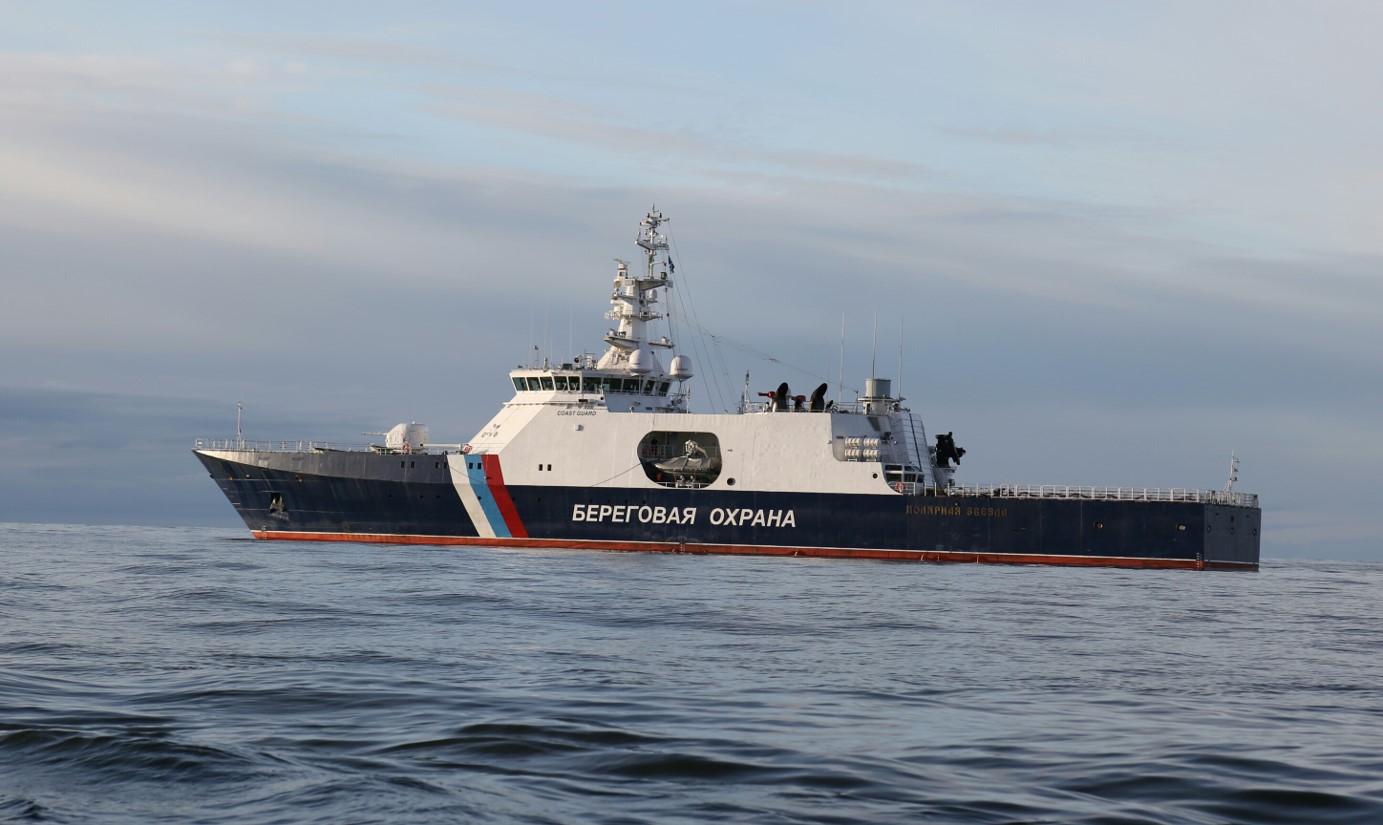
Ivan Susanin Class (Project 97P Class) Russian Icebreaker was developed as a response to the renewed interest of the Soviet Navy and Border Troops on icebreaking patrol vessels after United States Coast Guard and Canadian Coast Guard icebreakers began appearing more frequently near the country's northern maritime borders. New icebreaking patrol vessels were needed because existing Soviet naval vessels could not operate in ice-covered waters and large icebreakers, in addition to being unarmed and operated by civilians, could not be distracted from their primary mission of escorting merchant ships. Project 97 was selected as the design basis following positive operational experience and the difficulties associated with developing a new design. The Project 97P design, developed by Central Design Bureau "Iceberg", was slightly longer than the preceding icebreakers, lacked the damage-prone bow propeller, and featured a bigger deckhouse built of aluminum-magnesium alloy to reduce weight. A helideck capable of receiving a Kamov Ka-25 or Ka-27 helicopter was fitted over the aft deck. The armament consisted of a twin 76 mm AK-726 deck gun and two 30 mm AK-630 close-in weapon systems.