AGM-88 HARM
AGM-88 HARM

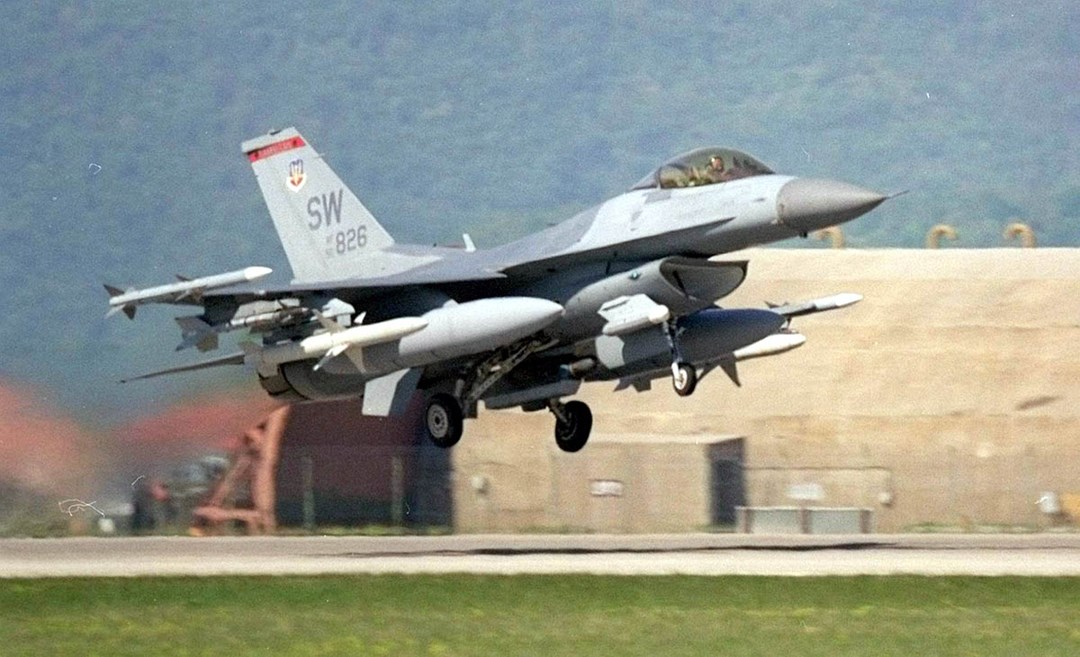

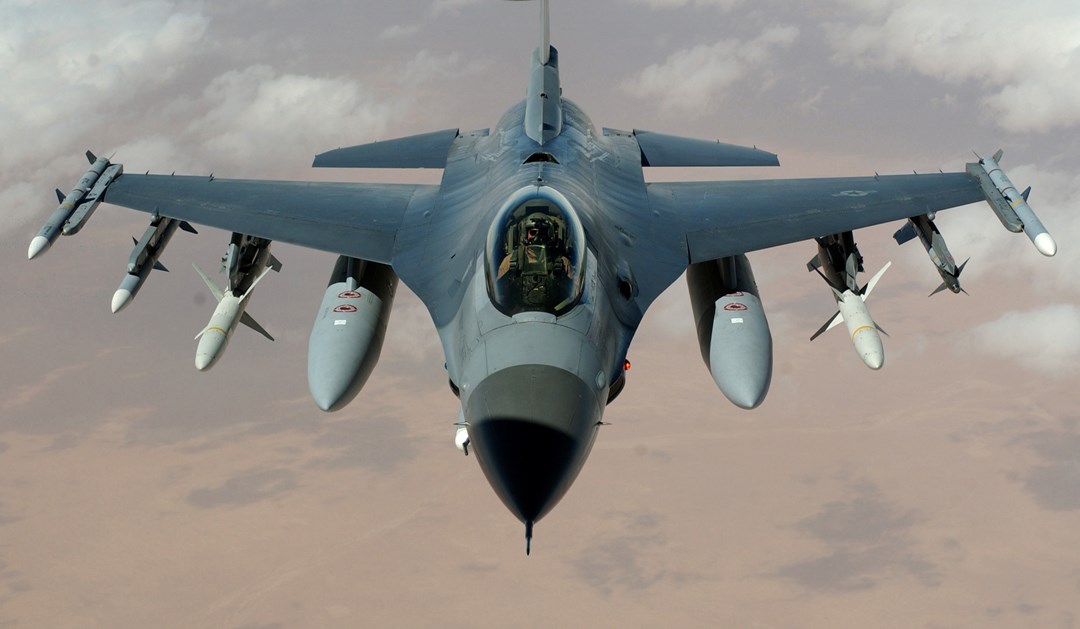


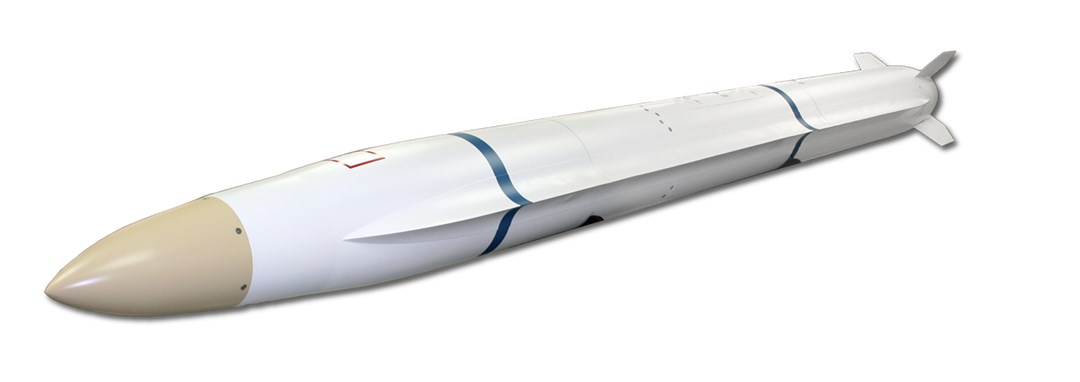


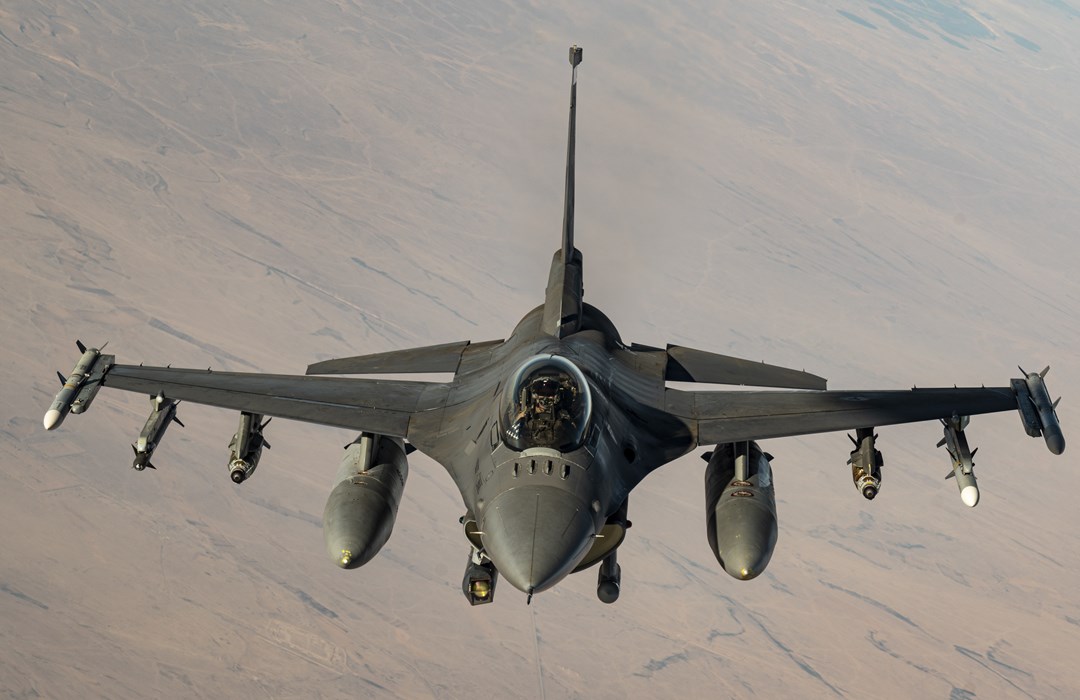


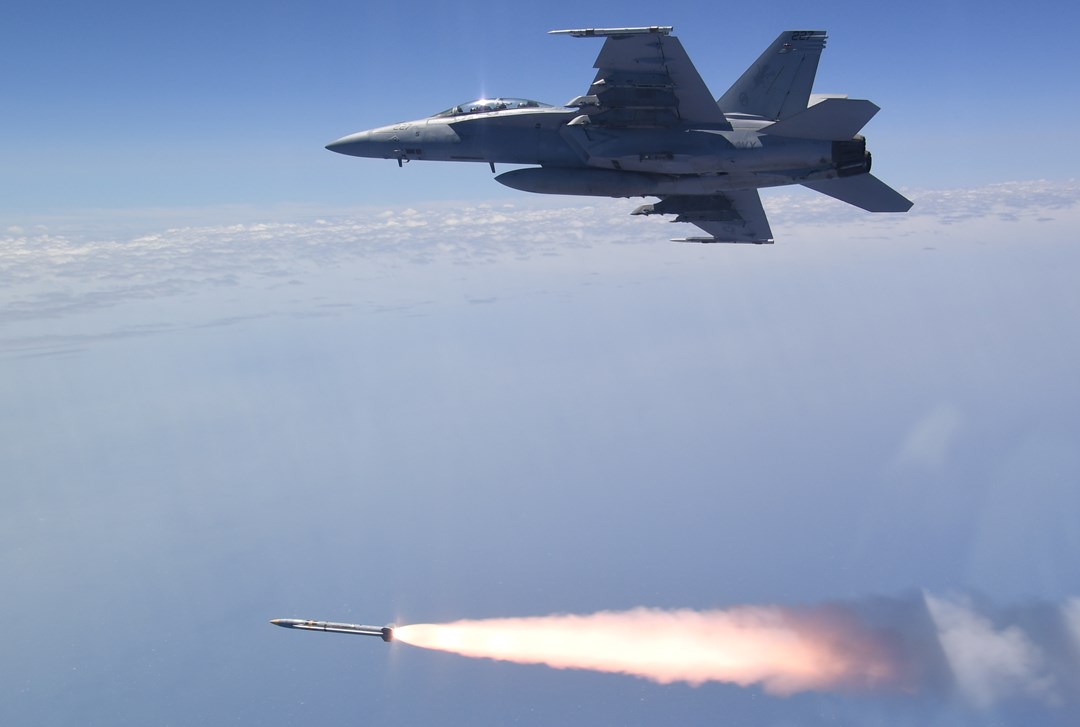

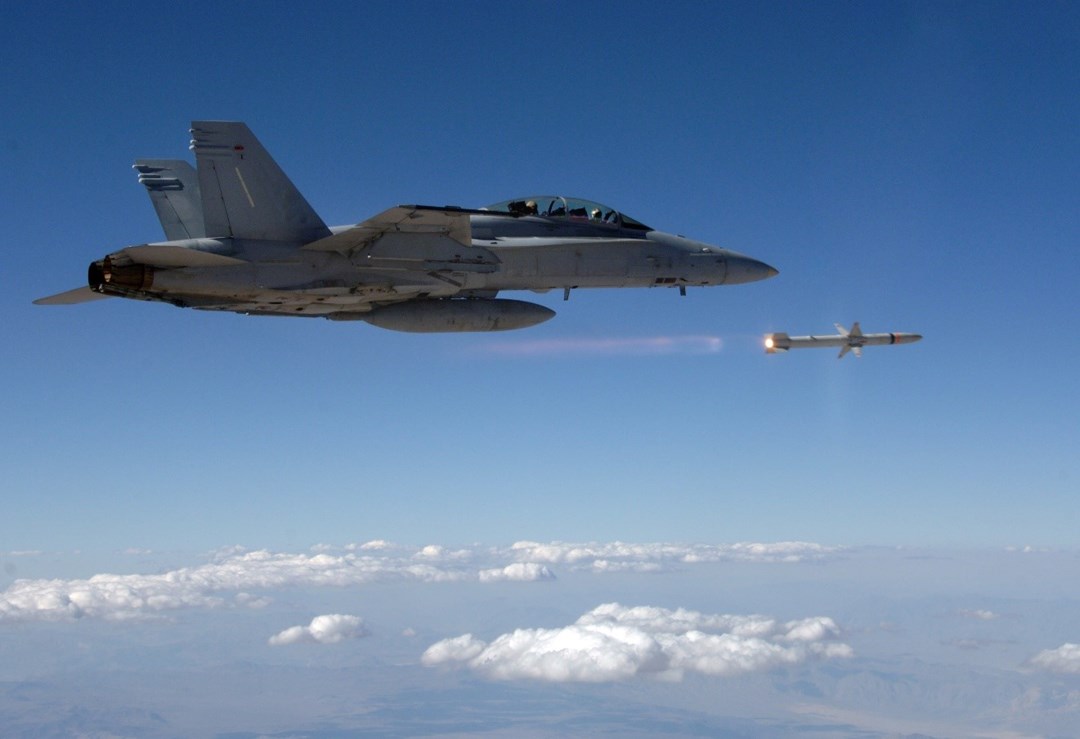
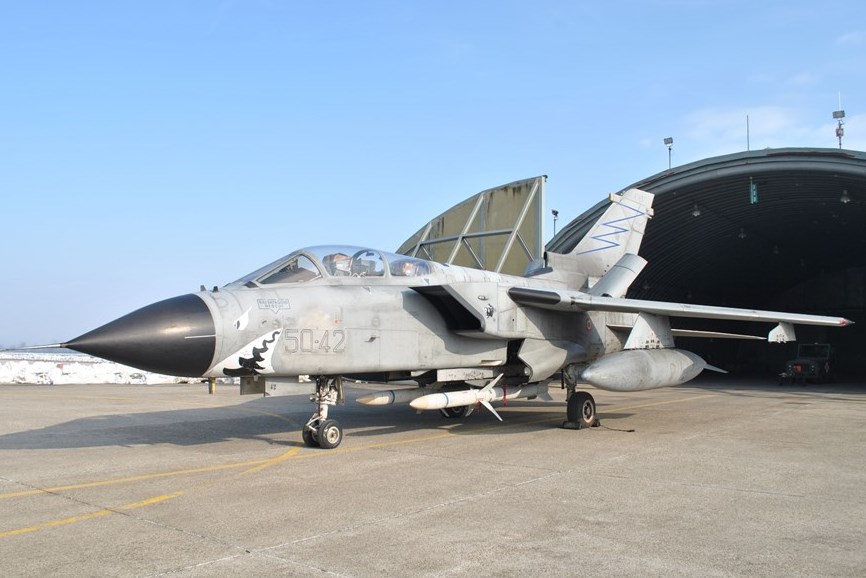
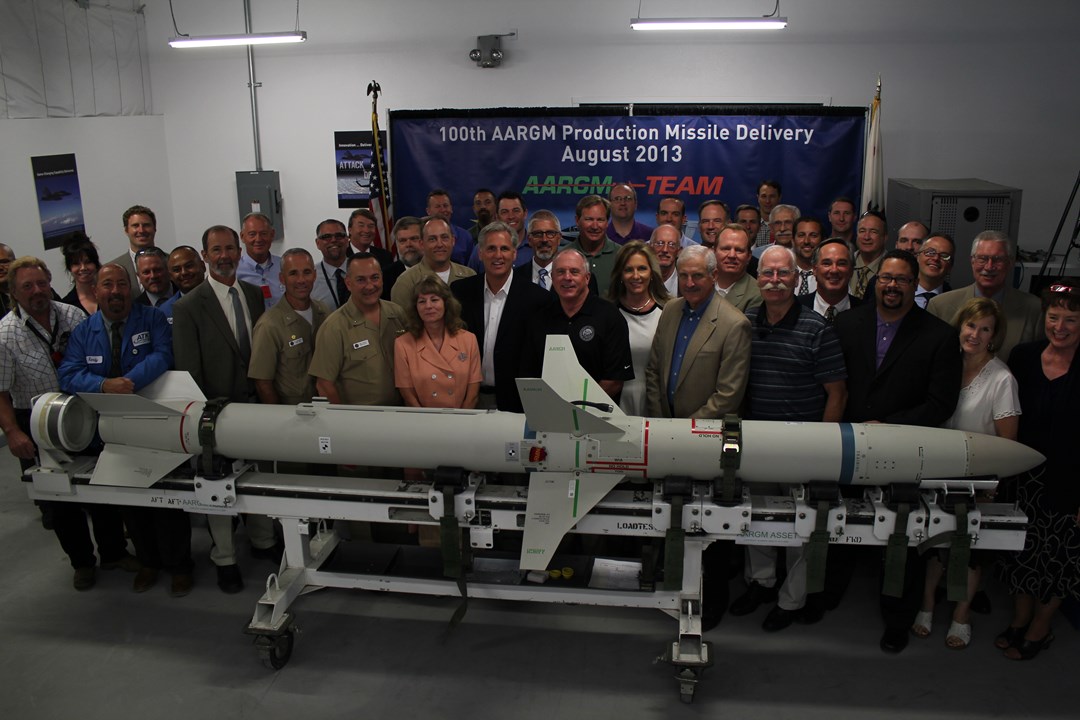
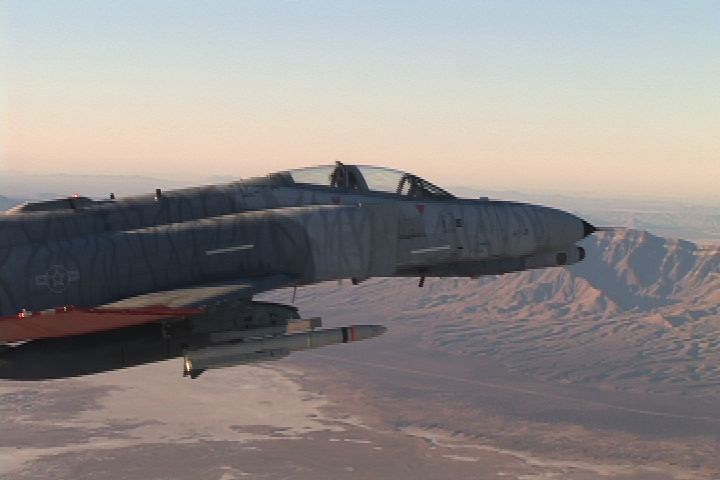
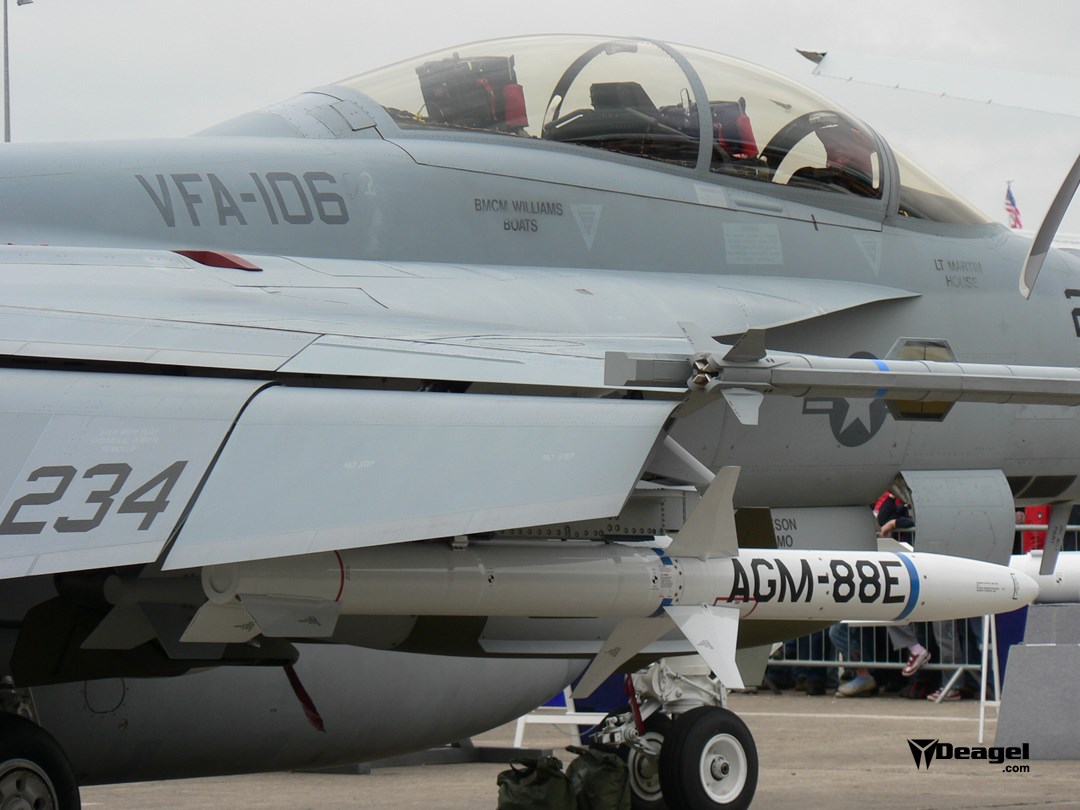
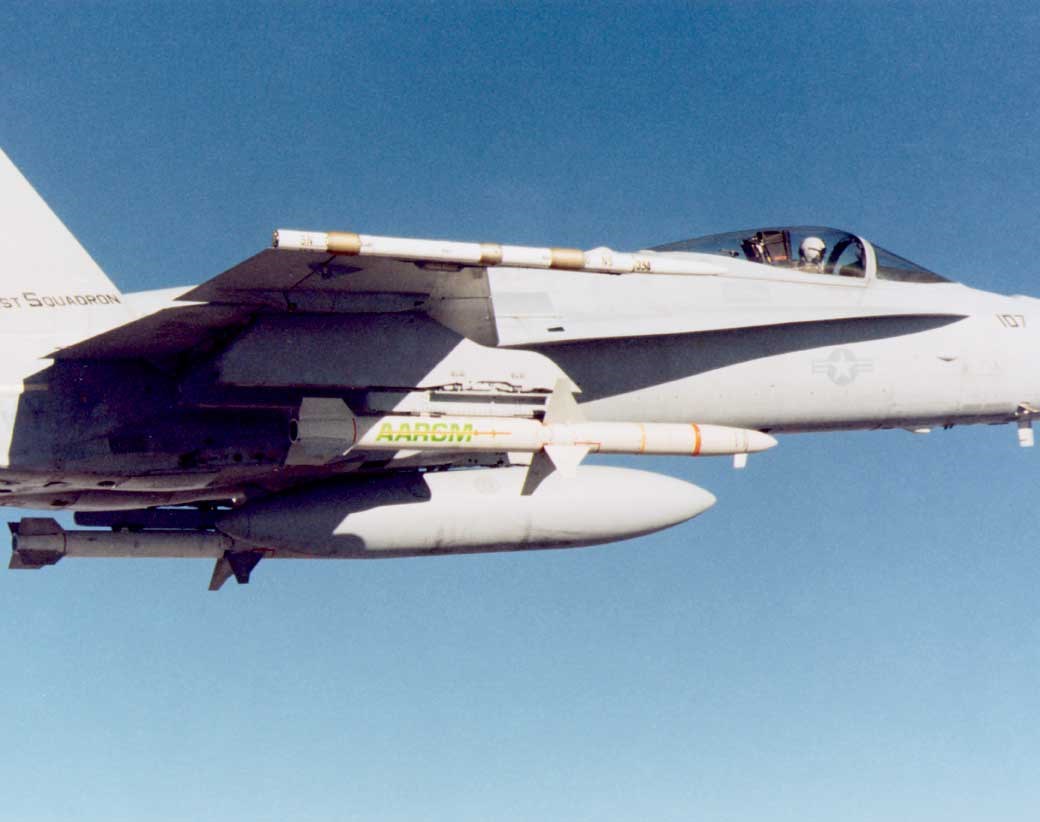
The AGM-88 HARM (High-speed Anti-Radiation Missile) is an air-to-surface supersonic, long range missile designed to seek out and destroy enemy radar systems. It was designed as an advanced follow on to Standard ARM and Shrike anti-radiation missiles. The HARM's guidance package, with full frequency coverage, is locked on enemy's radar systems emissions following them through radar site. Radar systems physical destruction is achieved through a single blast fragmentation warhead. The first combat use of AGM-88 missiles was in Libya in 1986. During the gulf war in 1991, more than 2,000 HARMs were fired against Iraq's radar systems becoming the weapon of choice in the suppression of enemy air defenses (SEAD). The HARM missile can be released from many aircraft. The F-16C is the only HARM-capable aircraft of the US Air Force. The HARM missile can operate in three modes: pre-emptive, missile-as-a-sensor and self-protect. In the pre-emptive mode the missile is fired before locking on the potential threat. Targeting is provided through pre-flight planning or cued via aircraft's sensors. The missile-as-a-sensor mode allows aircraft to use externally attached HARM missiles as a sensor (using its seeker) to locate radar emissions. Self-protect mode means the missile is fired to destroy threatening radar emissions. The scope of capabilities of the HARM missile family expands from the basic AGM-88A introduced in 1982 to the latest AGM-88F planned for 2015-2016. More than 23,000 AGM-88 missiles have been produced or are under contract to date with more than 4,000 employed in combat.
deagel.com: https://www.deagel.com/x/x/a001155