LCS Freedom
LCS Freedom
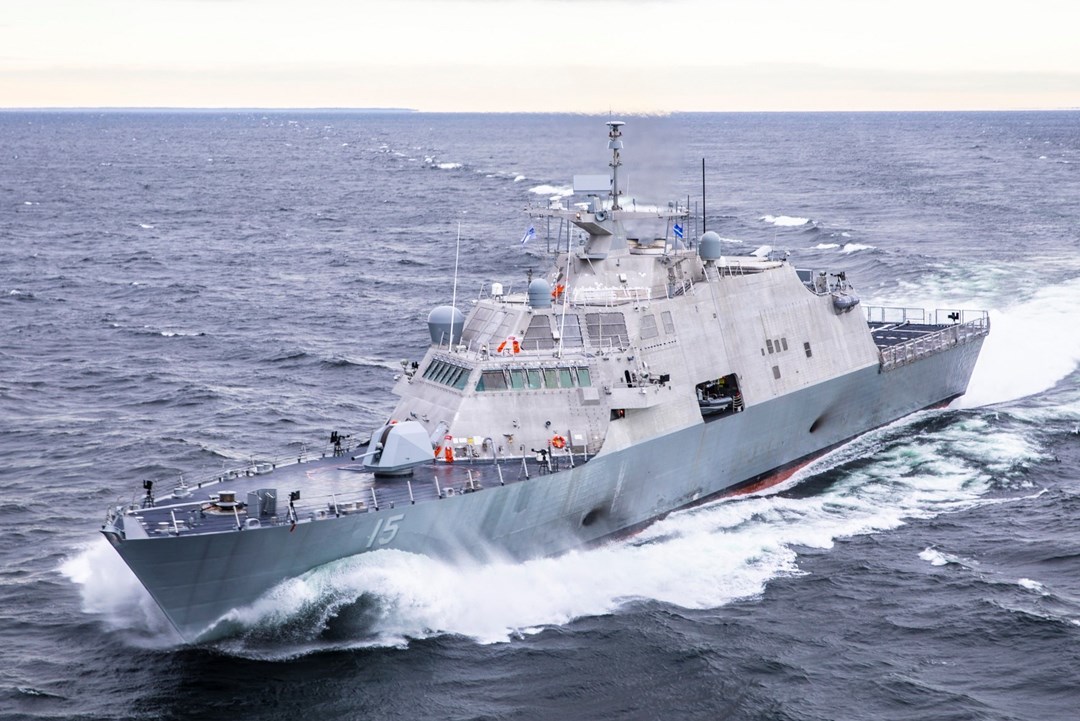

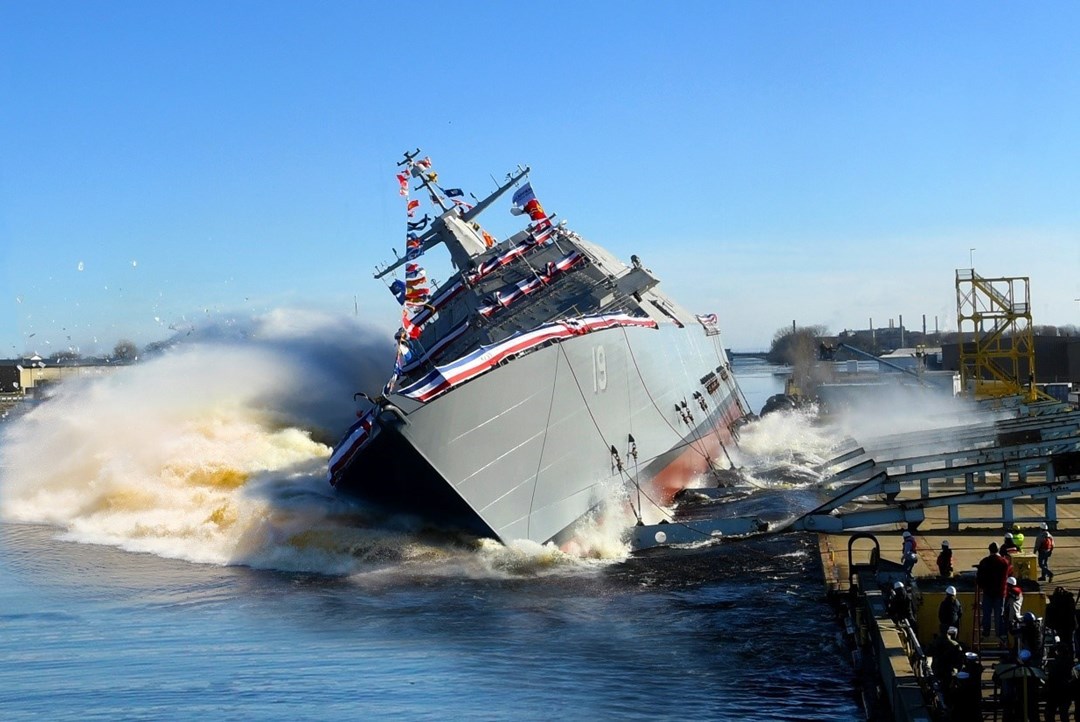

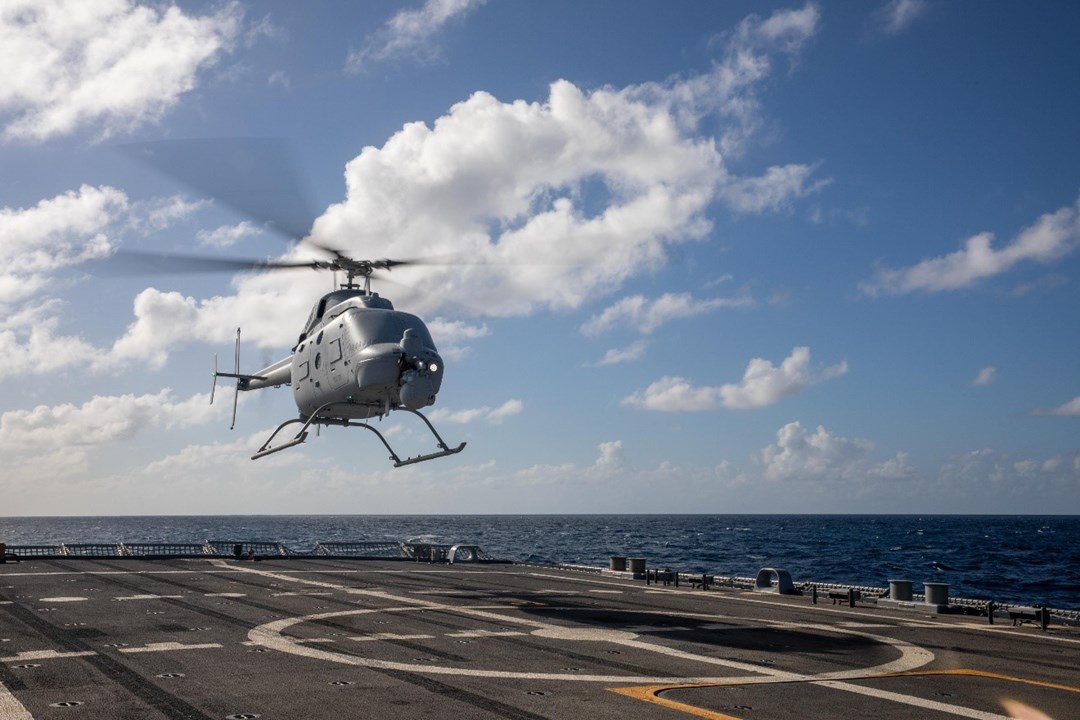


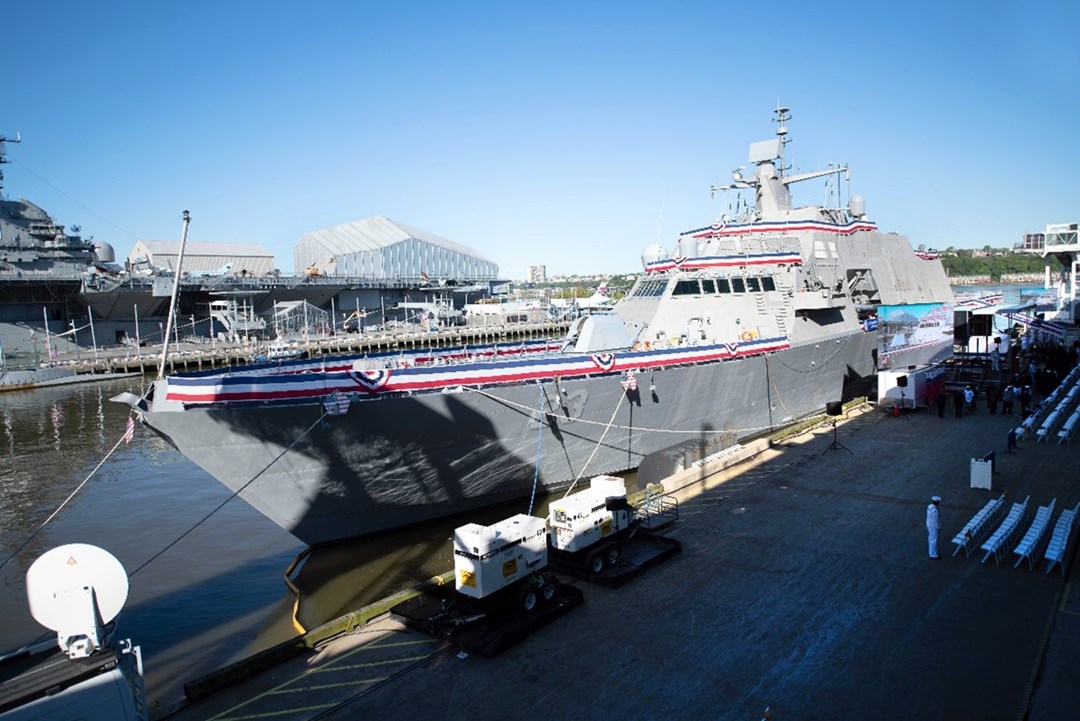

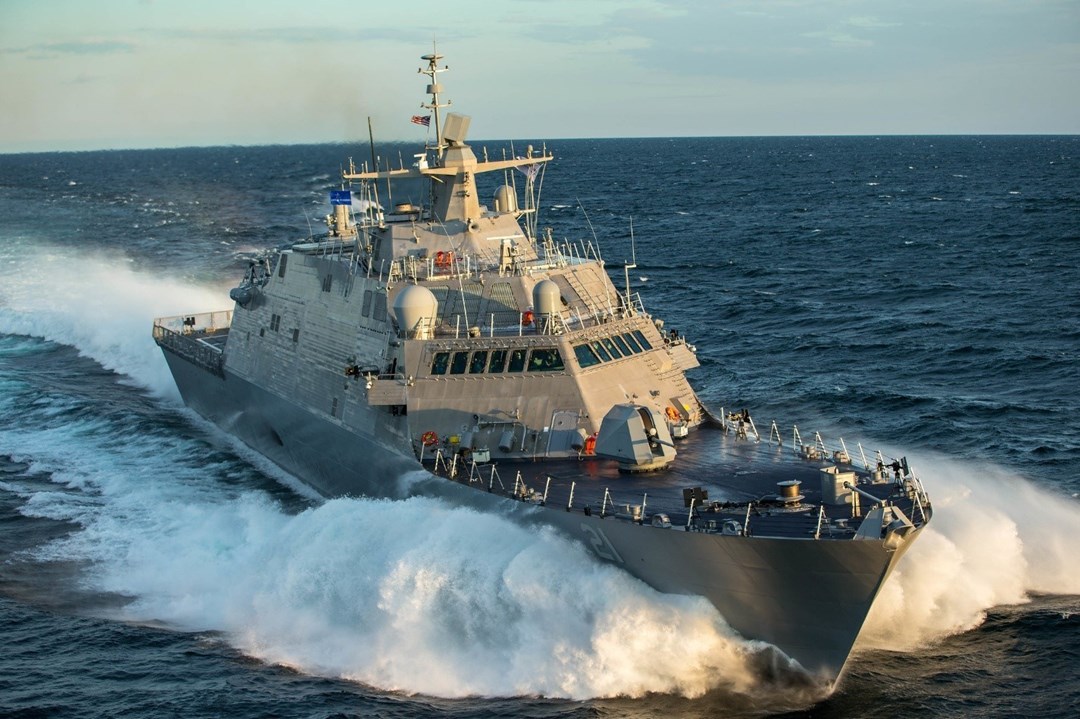

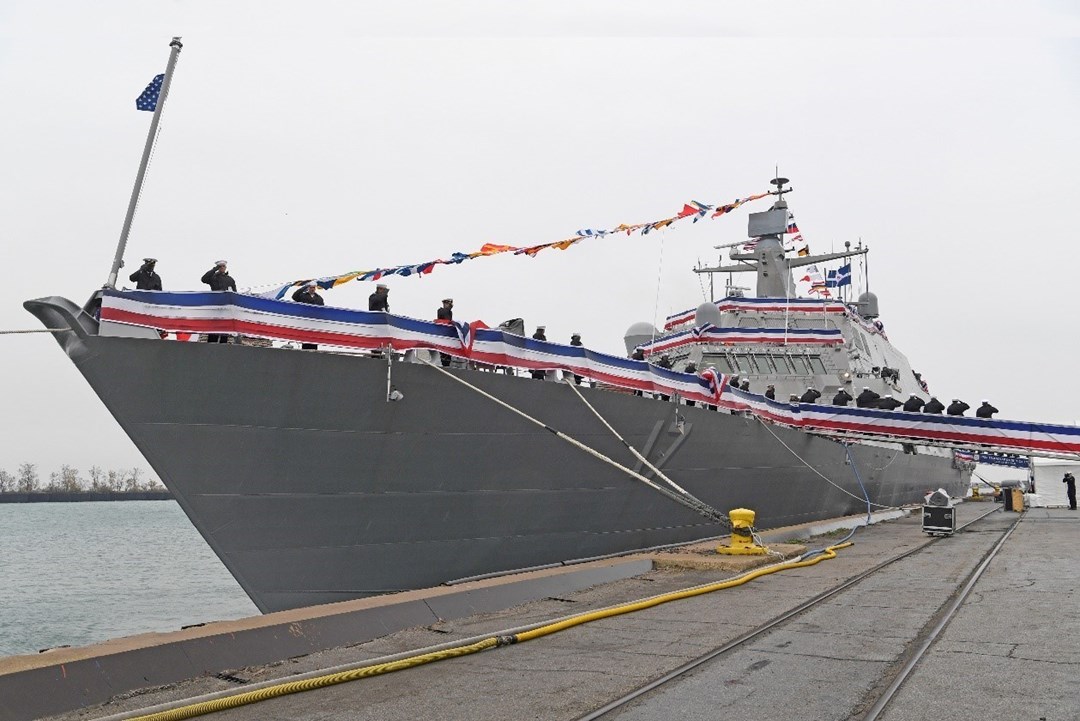
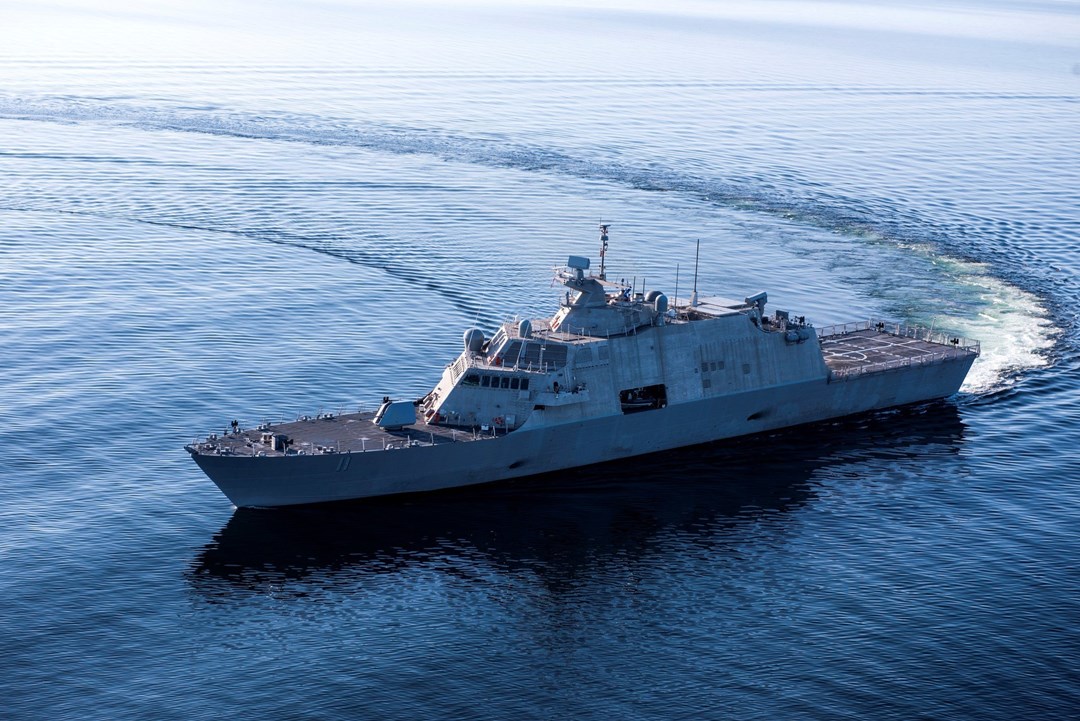
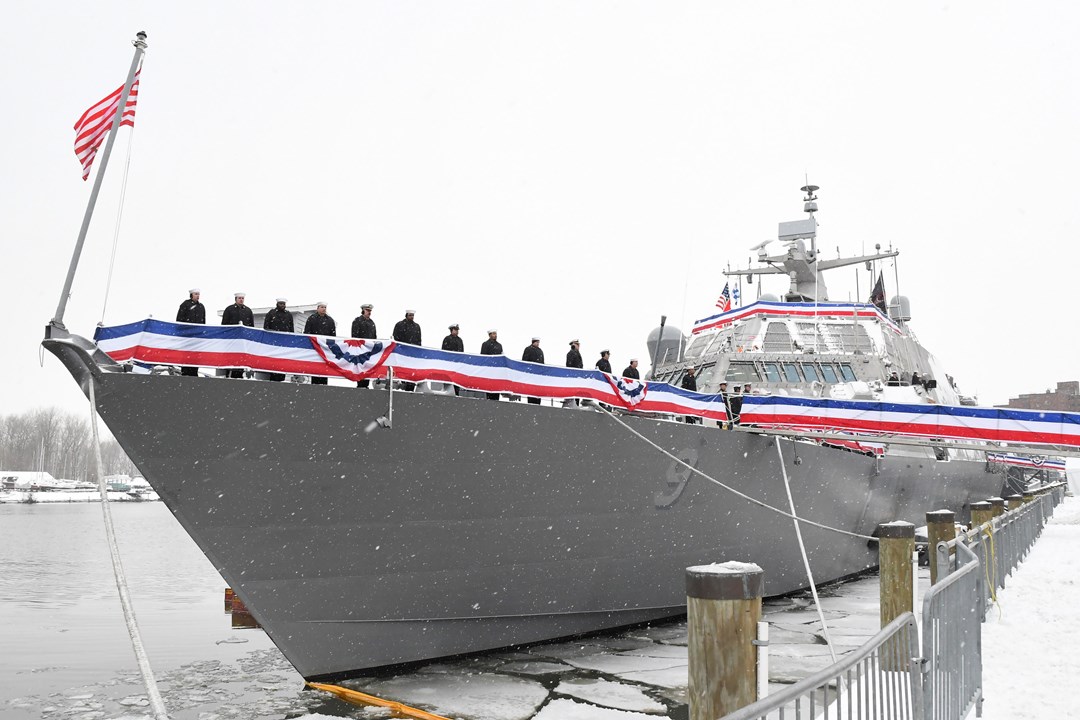

The Littoral Combat Ship (LCS) is a revolutionary US Navy program aimed at developing a multi-purpose, modular surface combatant capable of achieving dominance in the littoral environment. In May 2004, the US Navy selected two separate teams lead by Lockheed Martin and General Dynamics' Bath Iron Works for the construction and demonstration of two Flight 0 LCS ships. It is expected that the US Navy will take a decision on the Flight 1 LCS in the 2007-2008 timeframe. The US Navy plans call for the procurement of 30 to 60 vessels through 2020. The current budgetary information about LCS program calls for the procurement of 55 ships. As of early 2008, the US Navy had allocated $1.93 billion to this project for the construction of two Flight 0 LCS demonstration ships to achieve initial operational capability in 2008. The US Navy will use the final LCS ship to counter asymmetric threats such as quiet coastal diesel submarines, fast patrol boats and crafts, new generation mines and terror attacks like the suffered by destroyer USS Cole in Yemen. Shallow water hull design compatibility is a must for such a mission profiles. Helicopters and Unmanned Air Vehicles (UAV) will be able to operate form ship's aft flight deck. Besides, a variety of manned and unmanned ground vehicles and watercrafts carried inside the cargo deck are meant to execute a wide range of missions. The key characteristics established by the US Navy for the LCS program are: stealth technology for enhanced survivability, shallow draft, more payload per ton than any US Navy warship, huge interior volume, long endurance and global networked communications to cooperate and share information with other sea, land and airborne platforms. Thanks to the mission modules approach, the reconfigurable LCS will be able to perform special operations forces support, high-speed transit, maritime interdiction, Intelligence, Surveillance and Reconnaissance (ISR), and counter-terrorism missions. In addition, LCS will also be a FORCEnet enabler, sharing tactical information with other naval ships, submarines, aircraft, joint units and LCS groups.
deagel.com: https://www.deagel.com/x/x/a000548