ALARM
ALARM

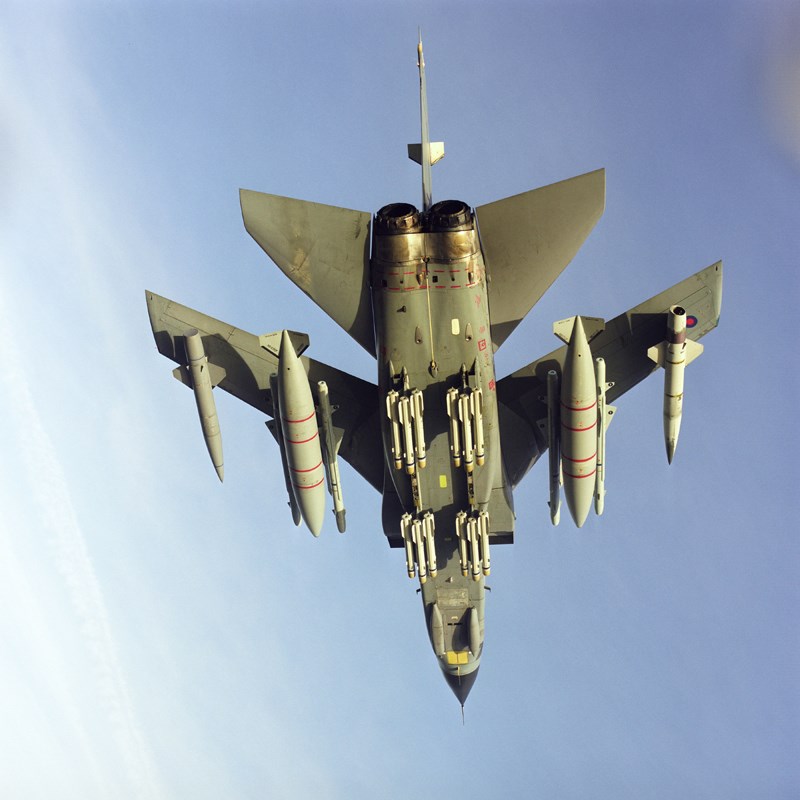
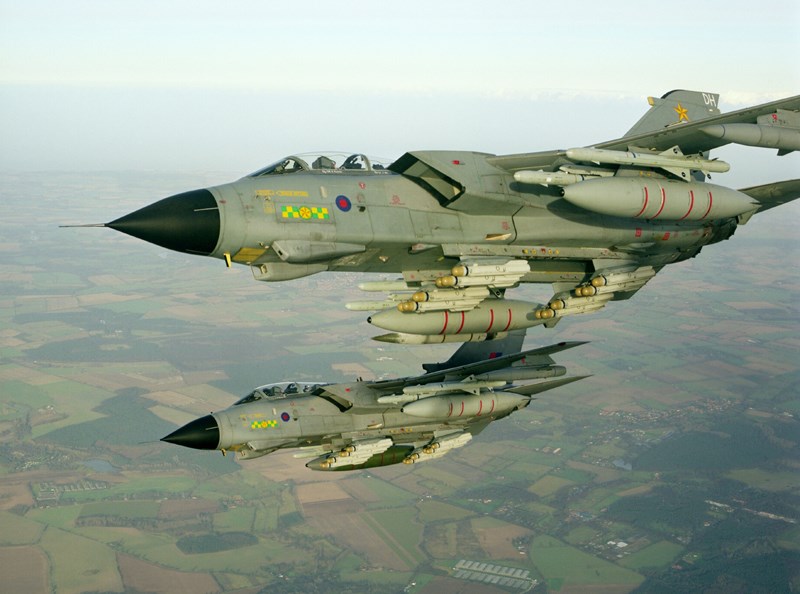
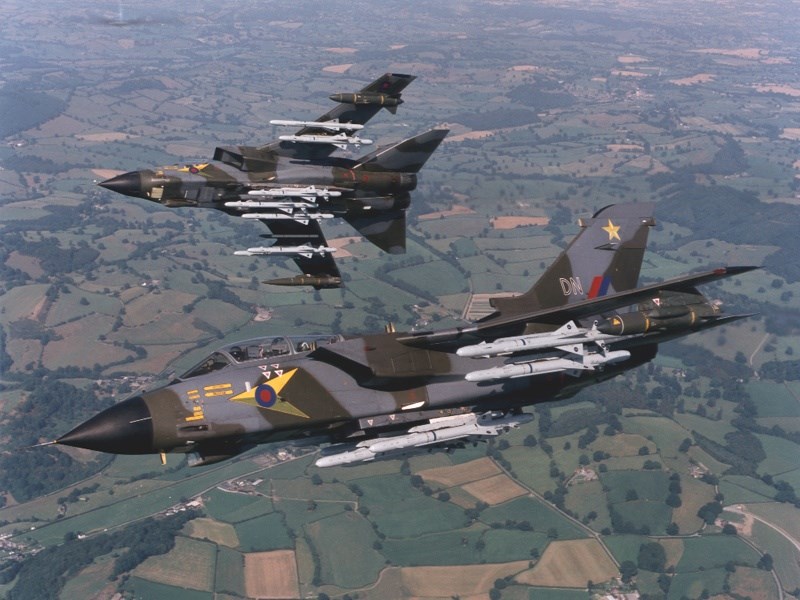
BAE Systems ALARM (Air-Launched Anti-Radiation Missile) is intended to destroy ground-based air surveillance and air defense radars. Its follows radiofrequency/radiation emissions to its source and then detonates its warhead over the radar site. It features several attack modes which increase the odds of hitting the target in many combat scenarios. The aircraft can fire the missile directly when the radar site has been located. Besides, it can be released over the radar area with ALARM autonomously acquiring the target. Once launched, ALARM has some loitering capability using a built-in parachute which allows to descend slowly after the missile climbs to 40,000 feet (12,000 meters) of altitude. This way the missile has the chance of detecting the target if it was turned off by its operator warned of the missile's presence. Once the target has been acquired the missile releases its parachute and falls using gravity. Additionally if the radar was switched off the ALARM remembers the radar site's location which allows to engage the target even with lack of emissions. The Royal Air Force (RAF) uses ALARM on its Tornado strike aircraft fleet. ALARM saw combat for the first time during the Gulf War in 1991. During operation Desert Storm Tornado Gr1 aircraft carried up to seven such missiles in the suppression of enemy air defenses role. RAF integrated ALARM on its Tornado GR1, GR1A and GR4 aircraft.
deagel.com: https://www.deagel.com/x/x/a000884