Robot Wolf Chinese Unmanned Ground Vehicle (UGV)
Robot Wolf
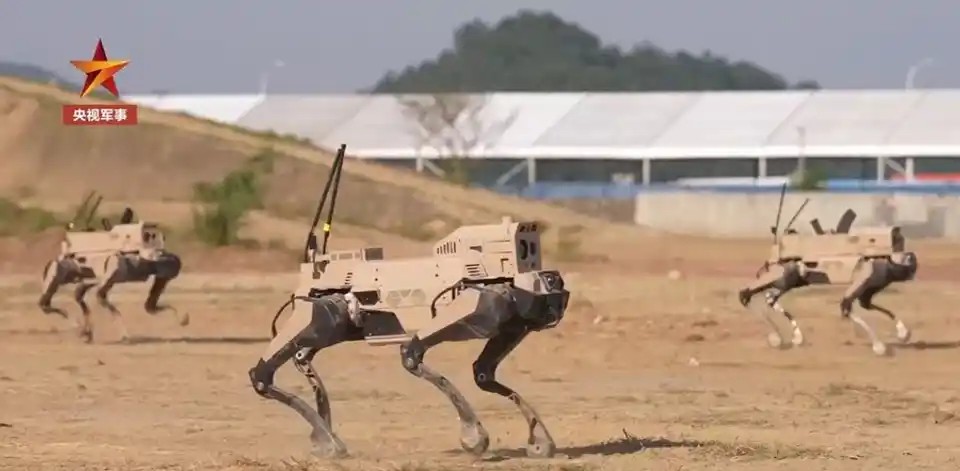
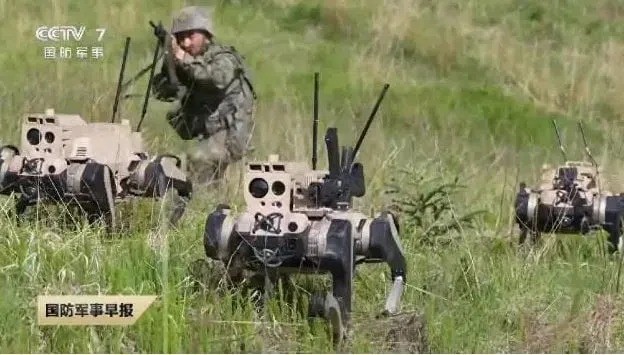
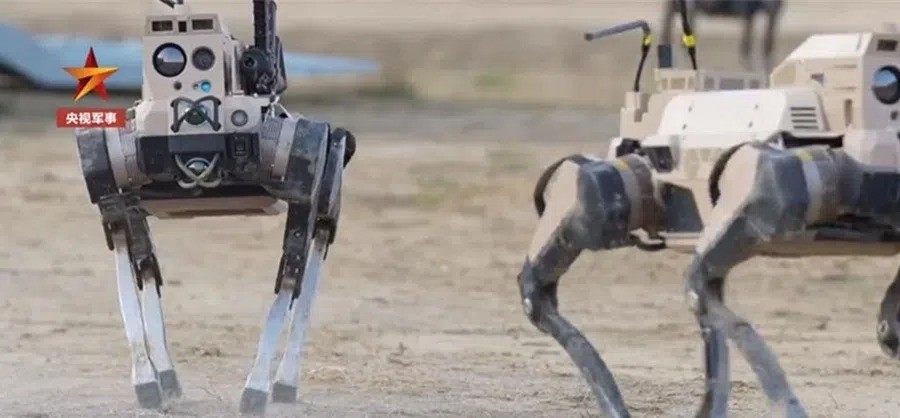
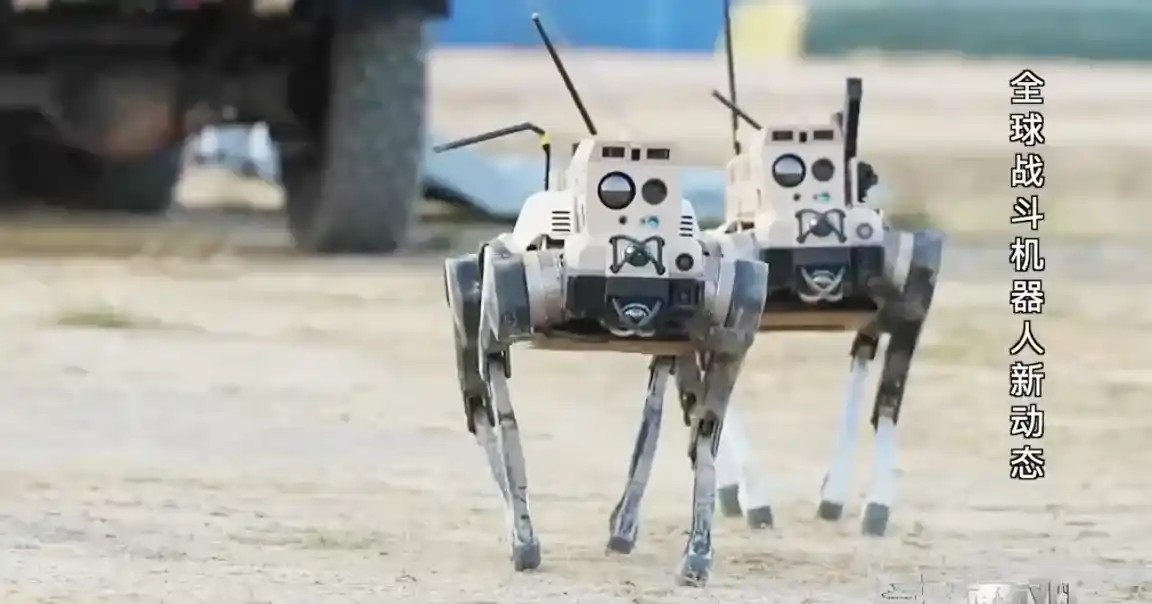
The Robot Wolf Chinese Unmanned Ground Vehicle (UGV) marks a significant advancement in military robotics, signifying the shift from experimental concepts to active deployment within frontline People’s Liberation Army (PLA) units. These platforms, equipped with comprehensive sensor suites and AI-enabled autonomous capabilities, reflect China's commitment to intelligent warfare and human-machine collaboration. Incorporating robot wolves into the PLA's traditional "three-three system" infantry formation, the strategy involves two units advancing in front while one follows behind. This configuration facilitates coordinated movement during leapfrogging maneuvers and assault operations, ensuring organic robotic support at the squad level. Multiple robot wolves can operate as coordinated "packs," each with specific roles: the lead "pack leader" unit conducts reconnaissance and transmits target data; the follow-on "hunter" units provide direct fire support; and the rear "support" units transport ammunition and supplies. Their networked coordination allows for adaptive tactics without needing centralized control. In October 2025, the PLA's 72nd Group Army showcased the first public demonstration of the robot wolf's amphibious capabilities. During the landing sequence, eight camouflaged robot wolves were deployed from Type 726 air-cushion landing craft. Upon reaching shore, the units entered shallow seawater and advanced across the beach, covered by fire from amphibious assault vehicles. They navigated anti-landing obstacles, including barbed wire and dragon's teeth, and engaged simulated defensive positions with a remarkable 92% first-shot accuracy. The amphibious-specific capabilities of the robot wolves include a 30-minute submersion tolerance in seawater without system failure, continued operation after water exposure with minimal maintenance, and a 10 km operational range that is sufficient for advancing from the beach to the beachhead. Additionally, they can breach obstacles rapidly, taking only 3 to 5 minutes for prepared defenses. This capability addresses one of the most perilous phases of amphibious warfare—the initial 200 meters from the water's edge to the first cover, which has historically been characterized by extremely high casualty rates.