Arma 8x8 Turkish Amphibious Armored Personnel Carrier (APC)
Arma 8x8
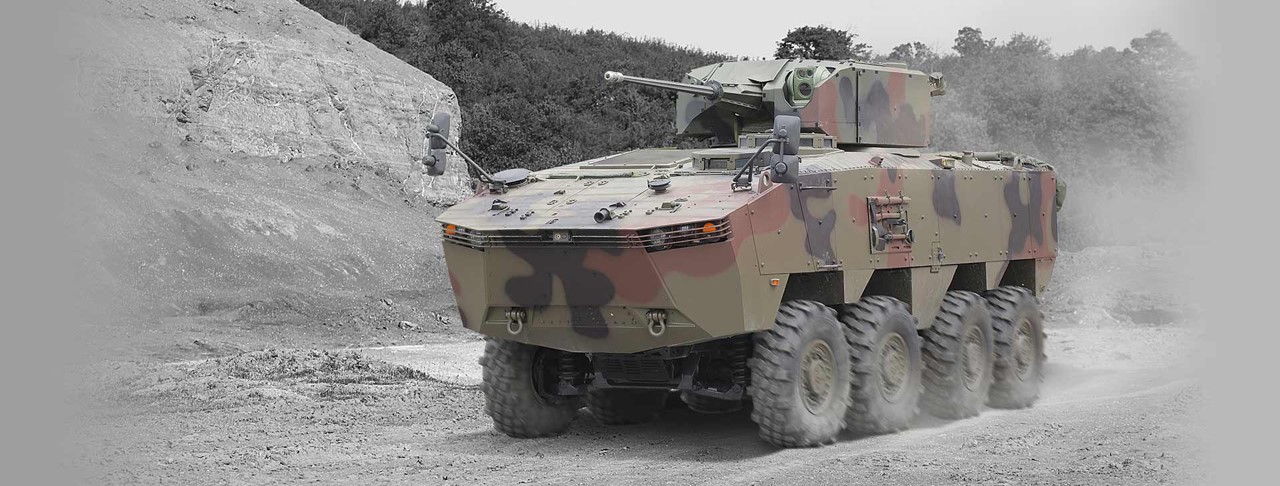
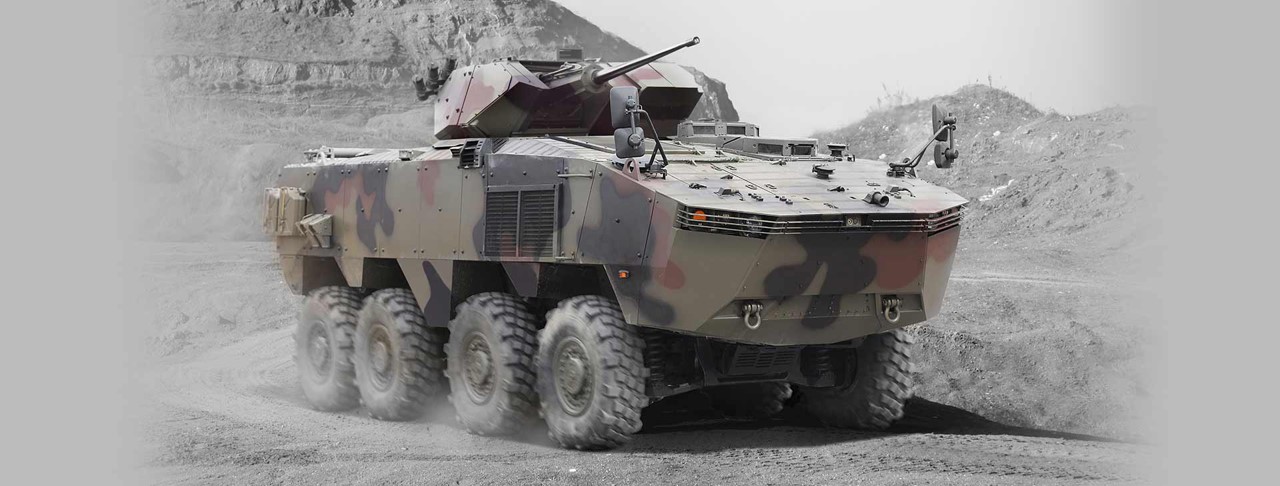


The Arma 8x8 Turkish Amphibious Armored Personnel Carrier (APC) system represents a deliberate strategy by Turkey's defense industry to establish indigenous capabilities across the full spectrum of modern armored vehicles while maintaining competitive relevance against established platforms from Germany, Finland, and the United States. The ARMA 8x8 embodies a modular design philosophy that prioritizes tactical flexibility and logistical efficiency. Developed as a company-funded initiative to address Turkey's Special Purpose Tactical Wheeled Armoured Vehicle (Özel Maksatlı Taktik Tekerlekli Zırhlı Araç, ÖMTTZA) requirements, the platform features a monocoque steel hull with a distinctive V-shaped belly designed to disperse blast effects from mines and improvised explosive devices. The vehicle's internal architecture reflects modern armored personnel carrier doctrine. The engine and power unit are positioned at the right front of the hull, a design choice that maximizes usable interior volume—particularly valuable for a vehicle tasked with transporting up to 14 personnel, including the driver and commander. Personnel seating is ergonomically configured to support face-to-face positioning, enhancing situational awareness within the crew compartment while maintaining protection through specialized anti-injury seats that prevent injury to the head, neck, spinal cord, and pelvis during deceleration events and blast exposure. The modest weight-to-dimension ratio enables strategic mobility via airbridge. The ARMA 8x8 is airportable by C-130 Hercules and larger transport aircraft, expanding deployment flexibility compared to heavier platforms. The Otokar ARMA 8x8 represents a mature design that achieves a balance among mobility, protection, firepower, and strategic mobility in the mid-weight wheeled armored vehicle category. The platform's amphibious capability, modular architecture, and proven operational reliability set it apart in a competitive market dominated by NATO-standard designs. While the ARMA II evolution addresses protection and firepower requirements through increased power and enhanced armor, the baseline variant maintains competitive relevance through economical operation, exceptional terrain negotiation, and comprehensive mission flexibility.