Atlantic
Atlantic

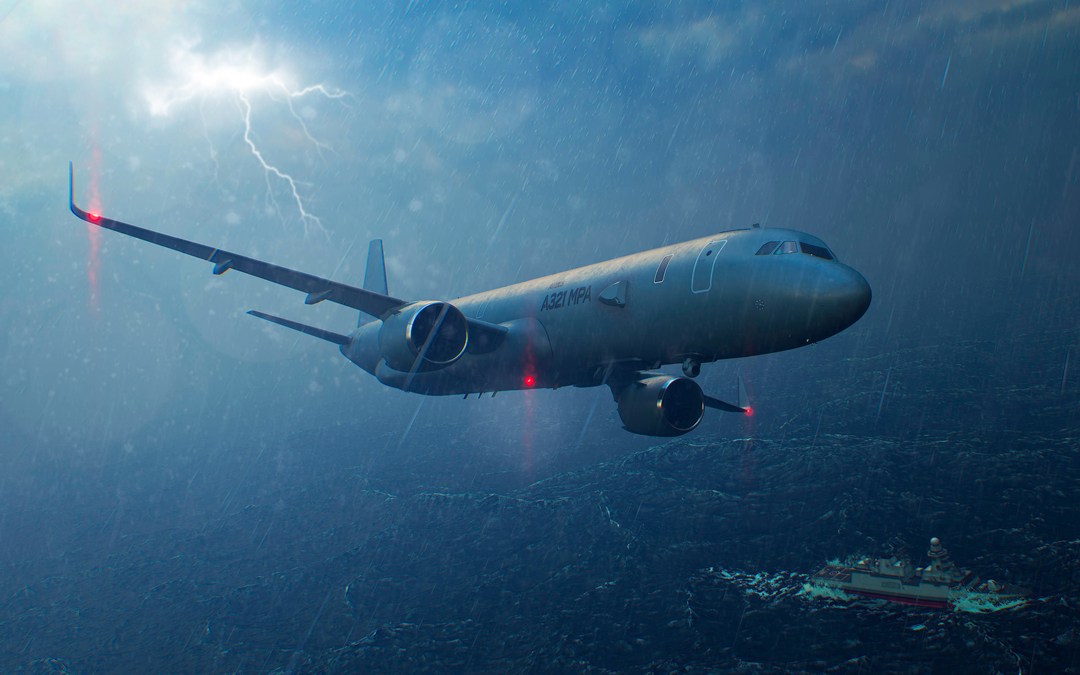
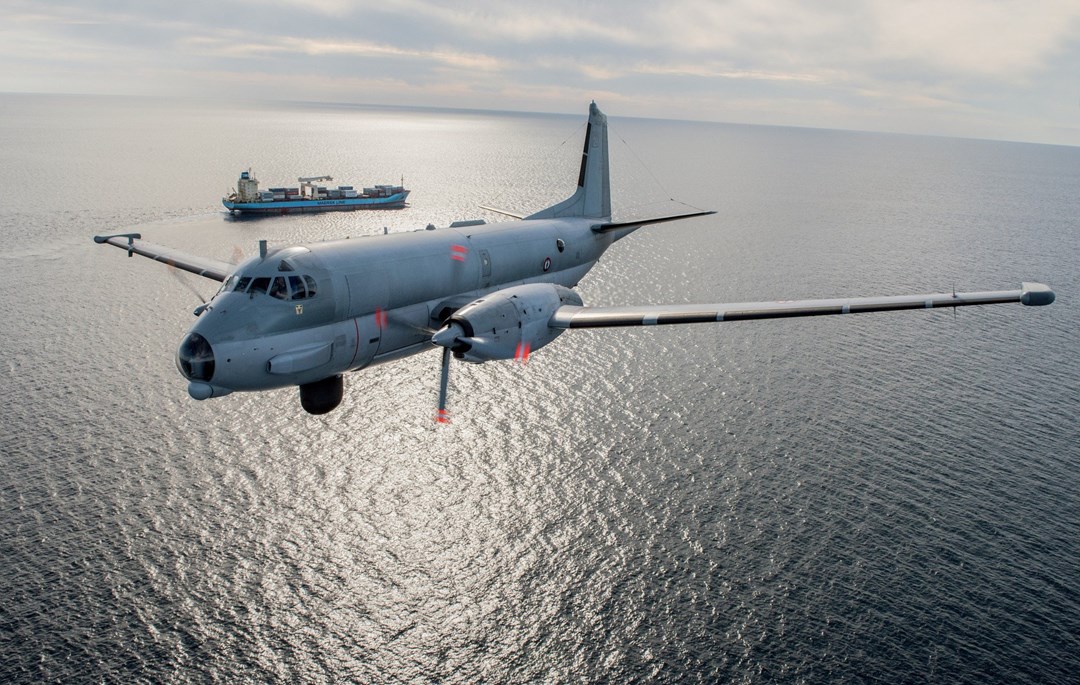
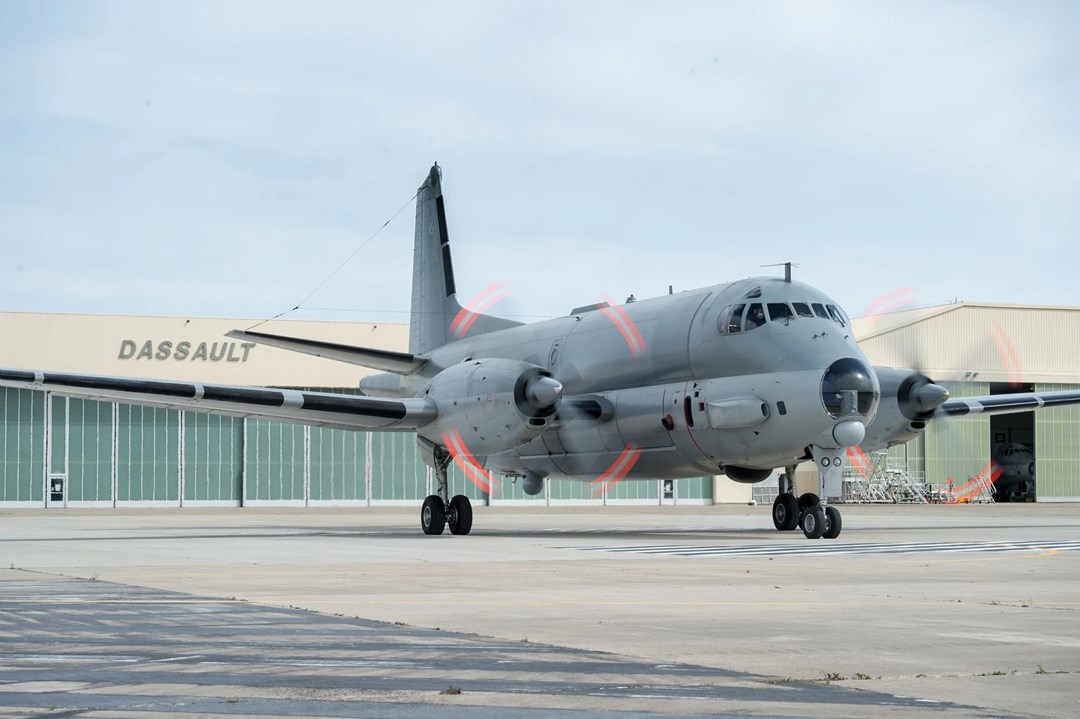
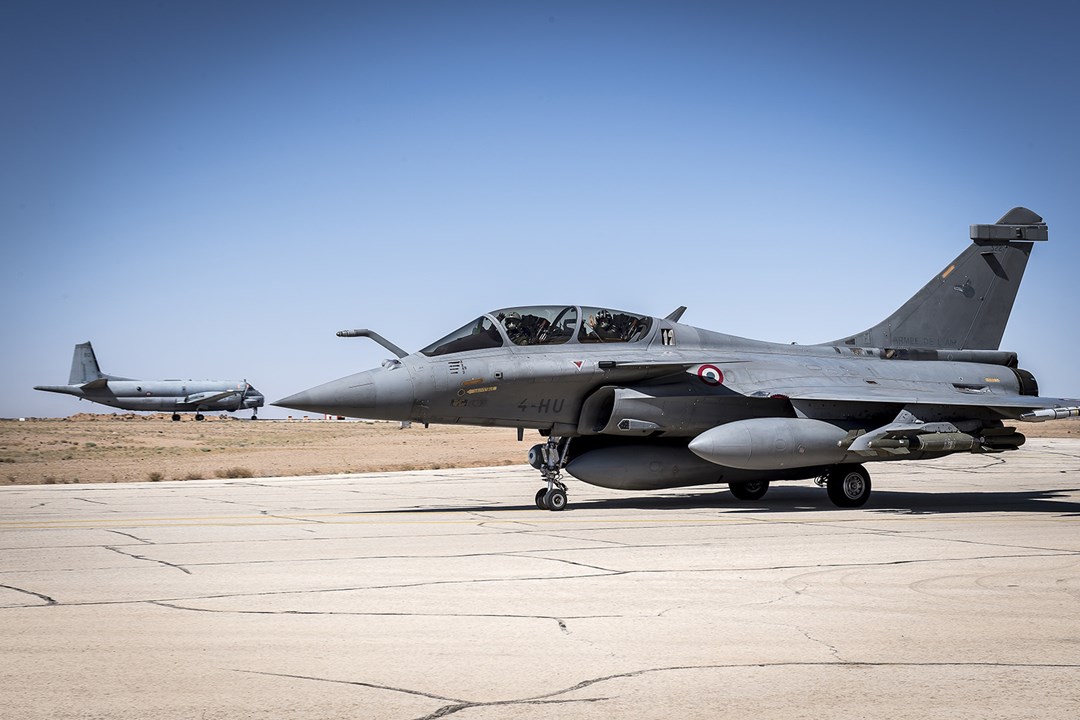
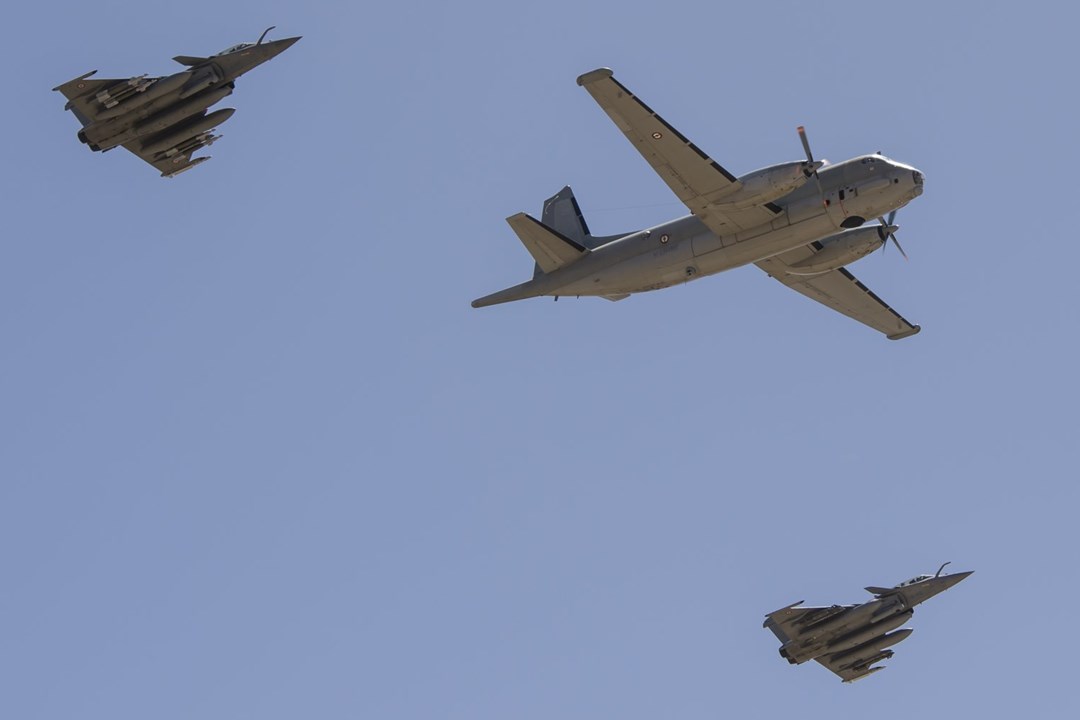
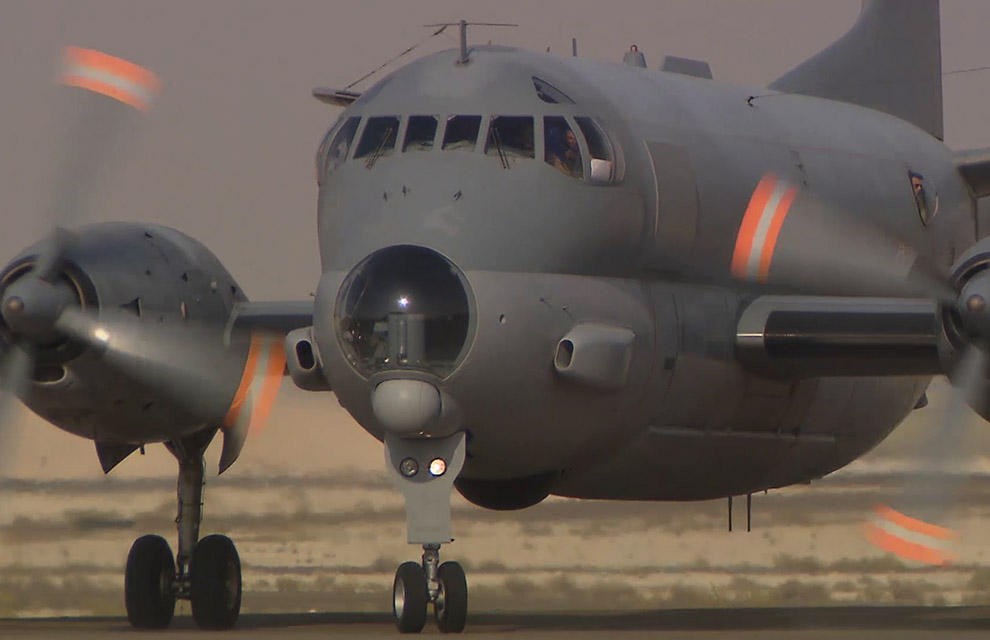
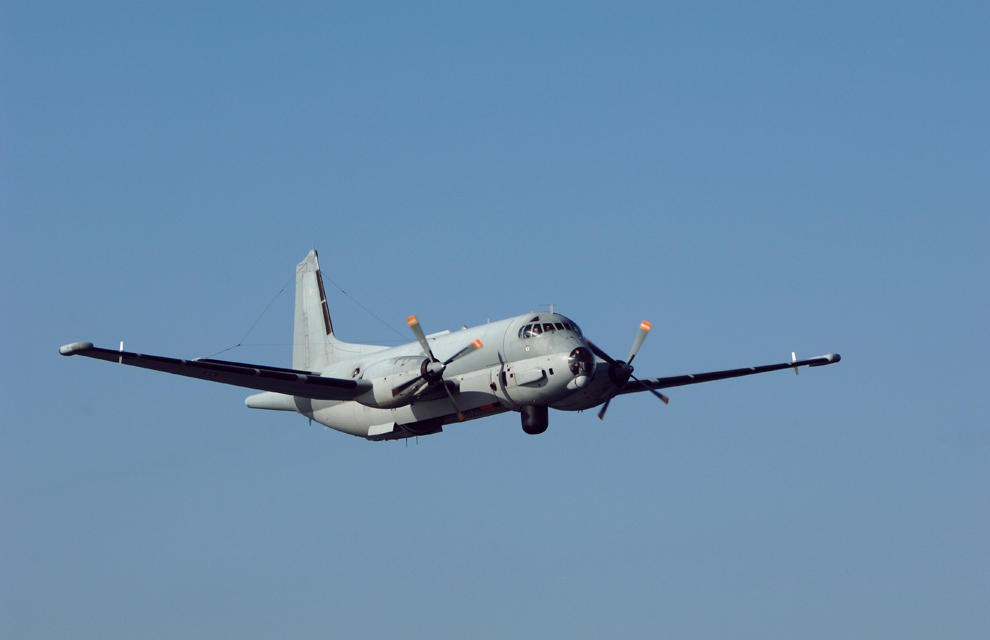


Br 1150 design aircraft was born as a NATO replacement for the Lockheed Martin P-2 Neptune maritime patrol airplane. Ultimately Br 1150 became the Atlantic. Basically, Atlantic is a twin-engine turboprop aircraft. A consortium led by Breguet, now a part of Dassault Aviation, built 87 aircraft through to 1974 for France, Germany, Italy and the Netherlands. Pakistan purchased three ex-French Navy's Atlantics in the 1970s. In the 1980s, the French Navy ordered 28 new built aircraft of an upgraded variant called Atlantique 2. Aircraft deliveries occurred between 1988 through 1997. Atlantic and Atlantique 2, also known as ATL-2 and Atlantic 2, are powered by two Rolls Royce Tyne turboprops each rated at 6,100-shp. A surface search radar is mounted in the aircraft's retractable radome while a weapons bay allows for release of torpedoes (Mark 46), bombs and anti-ship missiles (Exocet). The Anti-Submarine Warfare (ASW) equipment on Atlantic was furnished by the United States. Atlantique 2 retains the basic features from Atlantic1 but adding a FLIR (Forward Looking Infrared), modern avionics, new Electronic Support Measures (ESM) and new navigation equipment. Germany and Italy are expected to start replacement of their Atlantics by 2010 with a new maritime patrol aircraft based on the Airbus A320 airliner. The Netherlands are utilizing the P-3C aircraft in lieu of Atlantic while Pakistan upgraded its aircraft. French Atlantique 2 achieved IOC in 1989. The French Navy dropped plans on a further variant called Atlantic 3. Instead of Atlantic 3 the French Navy is pursuing a modernized ATL-2. DCN introduced its proposal in June 2005 based on the Phoenix system that would convert ATL-2 into an easily upgradeable plug-and-play platform with some network-centric warfare capability and improved interoperability with French and NATO aircraft.
deagel.com: https://www.deagel.com/x/x/a000627