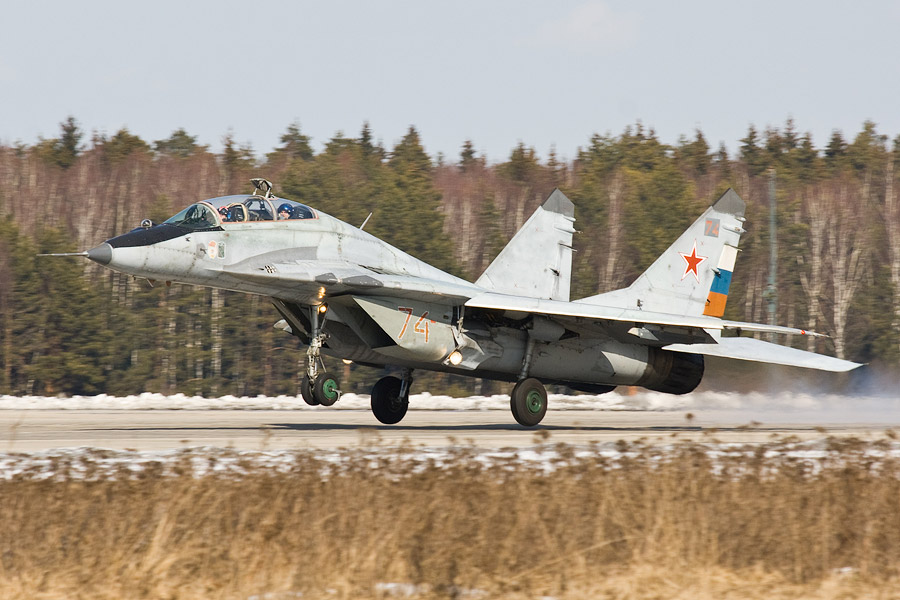
MiG-29K (Fulcrum-D) Russian Multirole Fighter Aircraft
Mig-29K
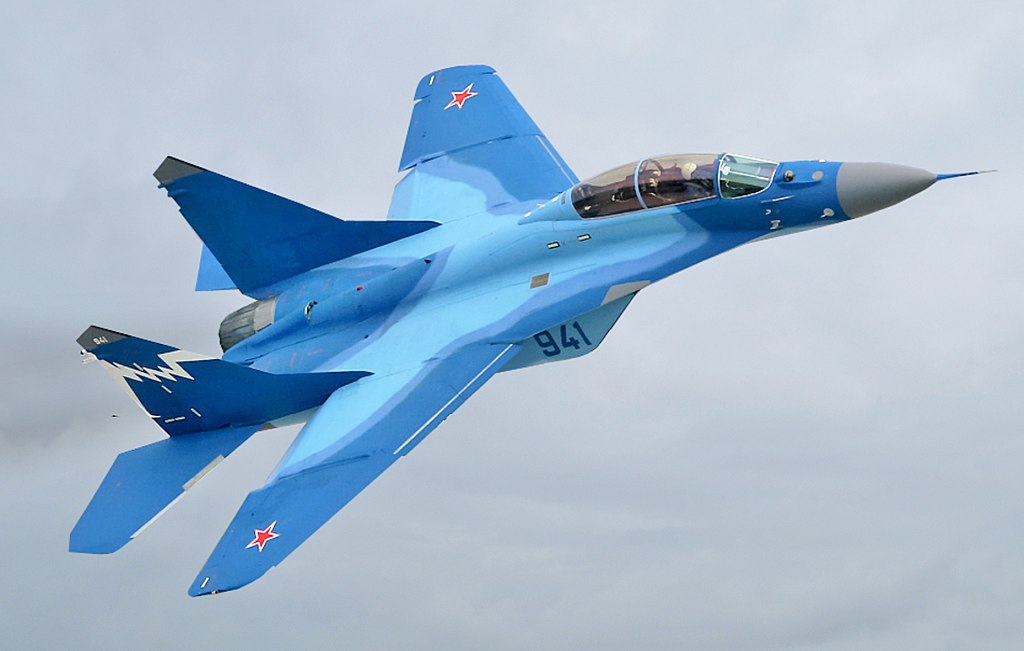
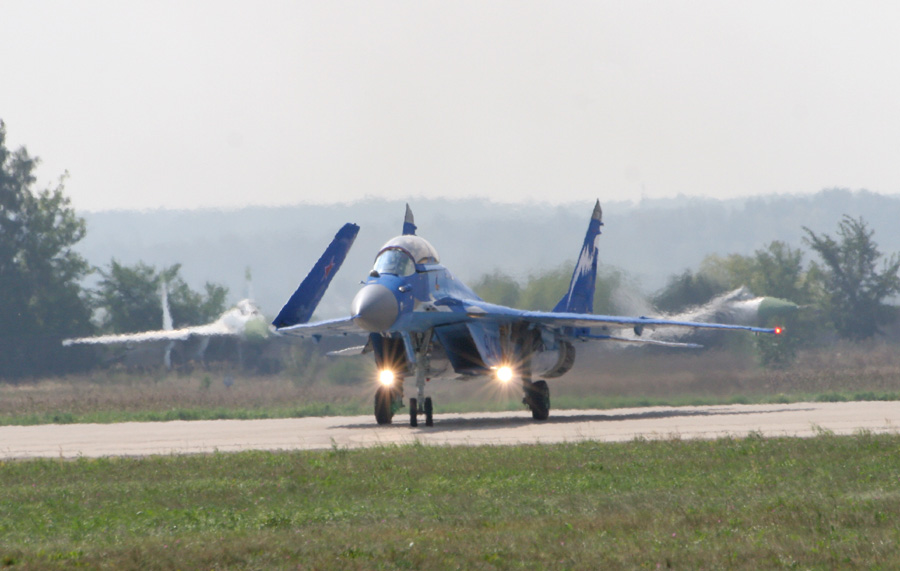
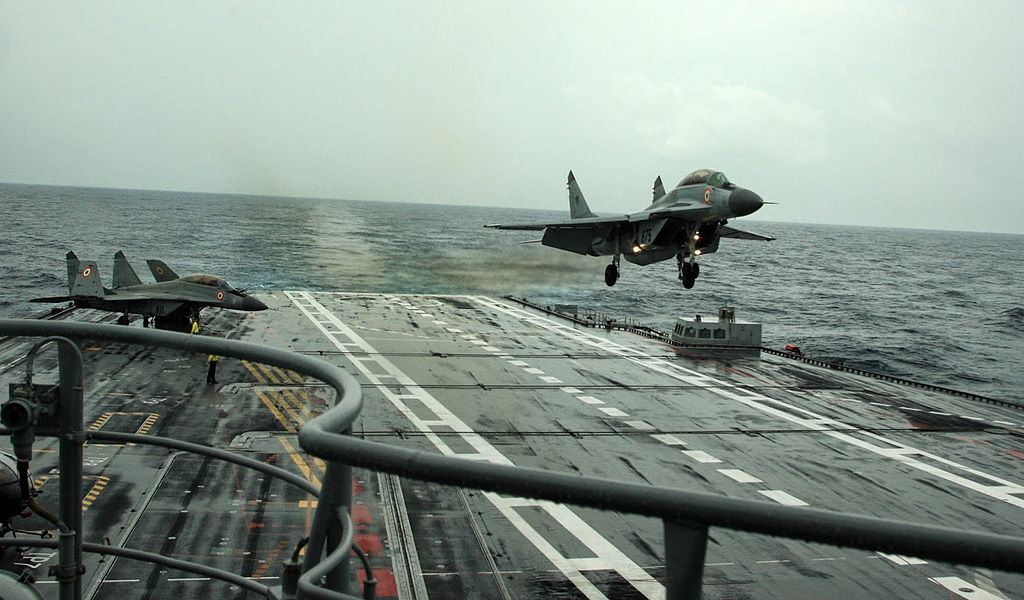
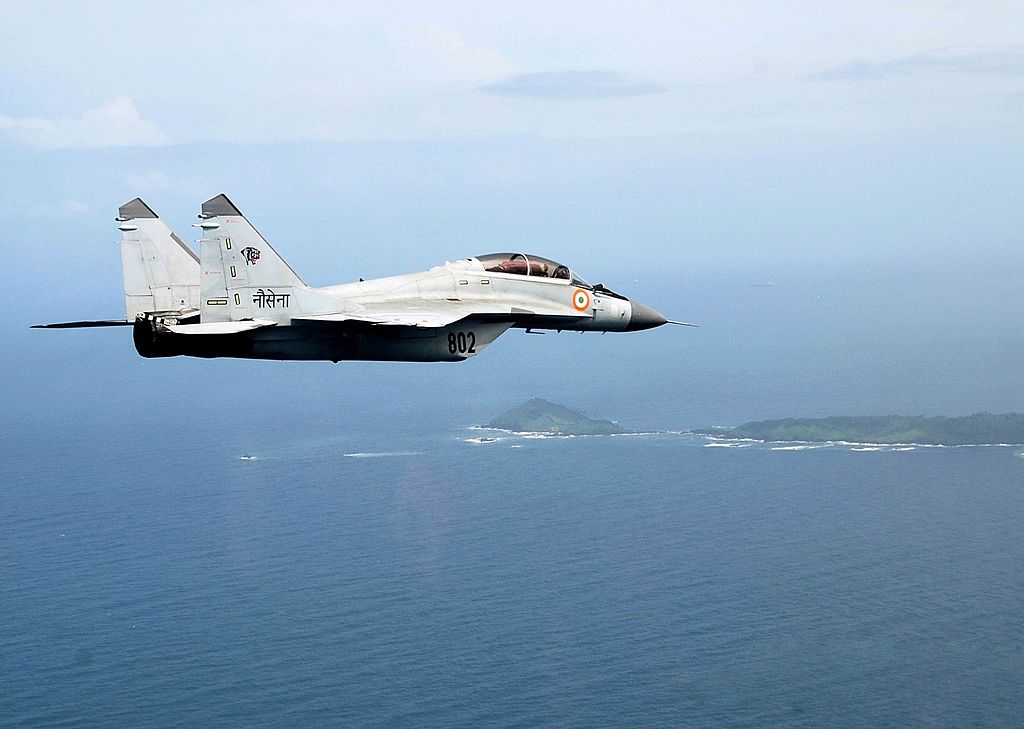
MiG-29K (Fulcrum-D) Russian Multirole Fighter Aircraft is a Russian all-weather carrier-based multirole fighter aircraft developed by the Mikoyan Design Bureau. The MiG-29K was developed in the late 1980s from the MiG-29M. Mikoyan describes it as a 4+ generation aircraft. Production standard MiG-29Ks differ from prototypes in features such as a multi-function radar and several new cockpit displays; the adoption of HOTAS (hands-on-throttle-and-stick) controls; the integration of RVV-AE (also known as R-77) air-to-air missiles, along with missiles for anti-ship and anti-radar operations; and several ground/strike precision-guided weapons. The MiG-29K was not ordered into production and only two prototypes were originally built because the Russian Navy preferred the Su-27K (later re-designated Su-33) in the early 1990s. Mikoyan did not stop its work on the MiG-29K aircraft despite the lack of financing since 1992. The program got a boost in the late 1990s to meet an Indian requirement for a ship-borne fighter following the purchase of a former Soviet aircraft carrier, and the MiG-29K was first received by the Indian Naval Air Arm in 2009. The Russian Navy, with their Su-33s nearing the end of their service lives by 2010, has also ordered the MiG-29K as a replacement. The MiG-29K is drastically modified from the Mikoyan MiG-29M for naval operations. The airframe and undercarriage are reinforced to withstand the stress experienced upon landing. Folding wings, an arrestor hook, and catapult attachments were added for carrier operations; the aircraft's undercarriage track was also widened. The MiG-29K, unlike the early MiG-29, can both conduct aerial refueling and "buddy" refuel other aircraft.
System
Ammunition
deagel.com: https://www.deagel.com/x/x/a000357