B737-500 (Boeing 737-500) American Cargo Transport Aircraft
B737-500
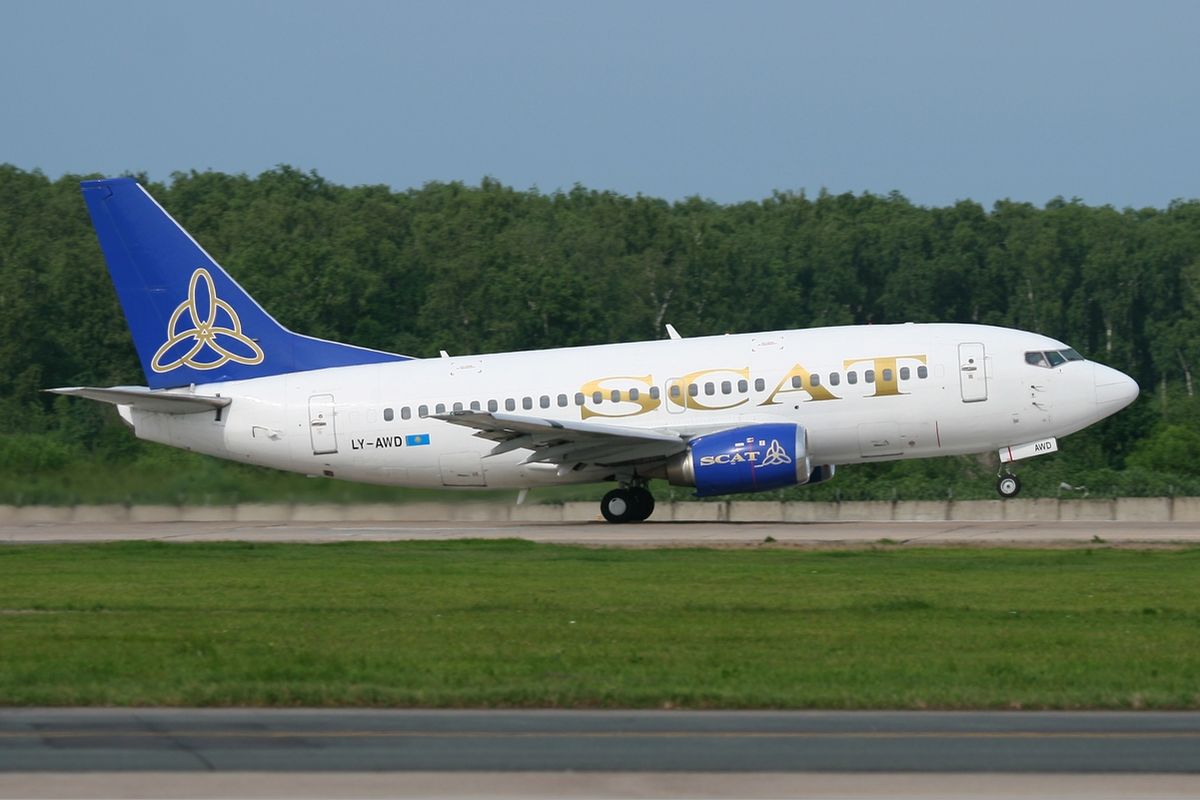
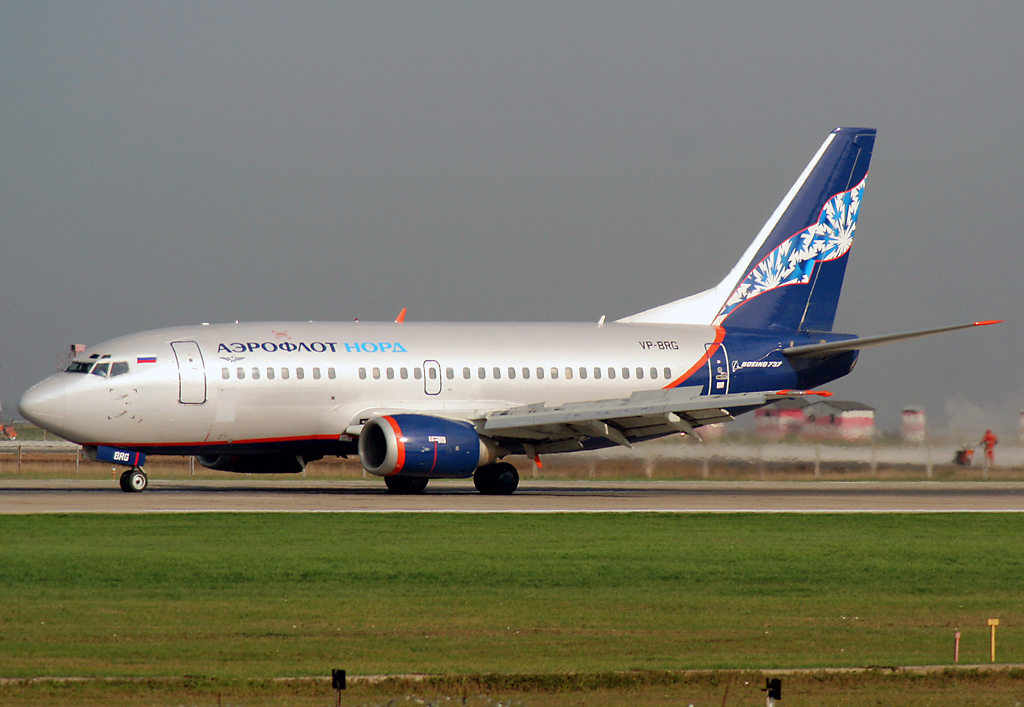
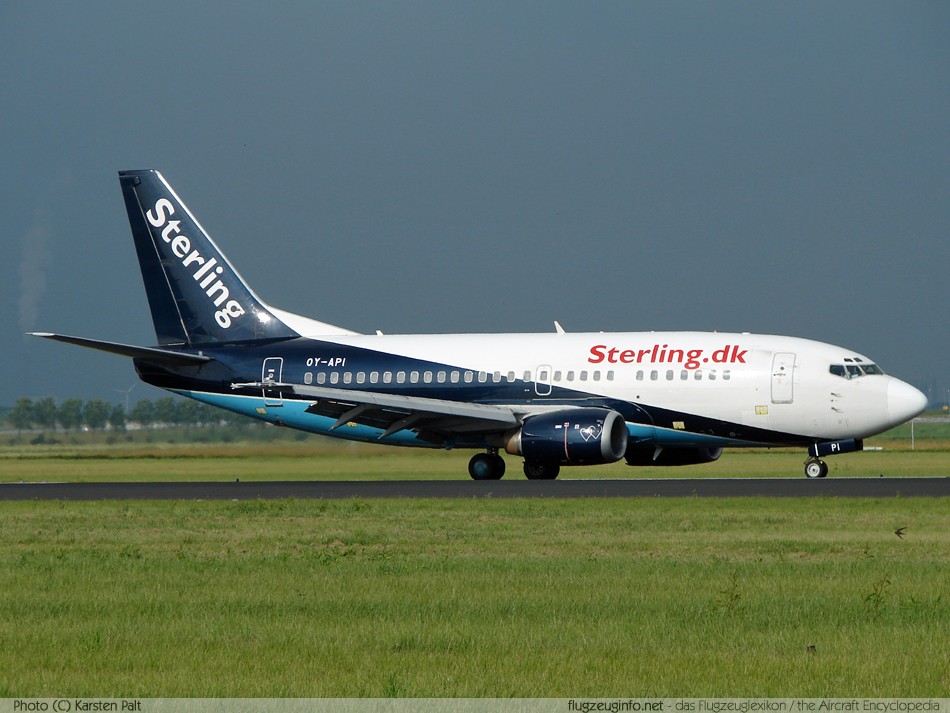
737-500 The -500 series was offered, due to customer demand, as a modern and direct replacement of the 737-200. It incorporated the improvements of the 737 Classic series, allowing longer routes with fewer passengers to be more economical than with the 737-300. The fuselage length of the -500 is 1 ft 7 in (48 cm) longer than the 737-200, accommodating up to 140 passengers. Both glass and older-style mechanical cockpits arrangements were available. Using the CFM56-3 engine also gave a 25% increase in fuel efficiency over the older -200s P&W engines. The 737-500 was launched in 1987 by Southwest Airlines, with an order for 20 aircraft, and flew for the first time on June 30, 1989.[58] A single prototype flew 375 hours for the certification process, and on February 28, 1990, Southwest Airlines received the first delivery. After the introduction of the −600/700/800/900 series, the −300/400/500 series was called the 737 Classic series. The price of jet fuel reached a peak in 2008, when airlines devoted 40% of the retail price of an air ticket to pay for fuel, versus 15% in 2000. Consequently, in that year carriers retired Classic 737 series aircraft to reduce fuel consumption; replacements consisted of more efficient Next Generation 737s or Airbus A320/A319/A318 series aircraft. On June 4, 2008, United Airlines announced it would retire all 94 of its Classic 737 aircraft (64 737-300 and 30 737-500 aircraft), replacing them with Airbus A320 jets taken from its Ted subsidiary, which has been shut down. The Boeing 737 is a narrow-body aircraft produced by Boeing Commercial Airplanes at its Renton Factory in Washington. Developed to supplement the 727 on short and thin routes, the twinjet retains the 707 fuselage cross-section and nose with two underwing turbofans. Envisioned in 1964, the initial 737-100 made its first flight in April 1967 and entered service in February 1968 with Lufthansa. The lengthened 737-200 entered service in April 1968. It evolved through four generations, offering several variants for 85 to 215 passengers. The -100/200 original variants were powered by Pratt & Whitney JT8D low-bypass engines and offered seating for 85 to 130 passengers. Launched in 1980 and introduced in 1984, the 737 Classic -300/400/500 variants were re-engined with CFM56-3 turbofans and offered 110 to 168 seats. Introduced in 1997, the 737 Next Generation (NG) -600/700/800/900 variants have updated CFM56-7s, a larger wing and an upgraded glass cockpit, and seat 108 to 215 passengers. The latest generation, the 737 MAX -7/8/9/10, powered by improved CFM LEAP high bypass turbofans and accommodating 138 to 204 people, entered service in 2017. Boeing Business Jet versions are produced since the 737NG, as well as military models. As of December 2019, 15,156 Boeing 737s have been ordered and 10,571 delivered. Actual backlog stands at 4,398 when including "additional criteria for recognizing contracted backlog with customers beyond the existence of a firm contract". Initially, its main competitor was the McDonnell Douglas DC-9, followed by its MD-80/MD-90 derivatives. It remained the highest-selling commercial jetliner until surpassed in total orders by the Airbus A320 family in October 2019. The current 737 MAX, designed to compete with the A320neo was grounded worldwide in March 2019 following two fatal crashes.