LUNA NG German Unmanned Aerial Vehicle (UAV)
LUNA NG
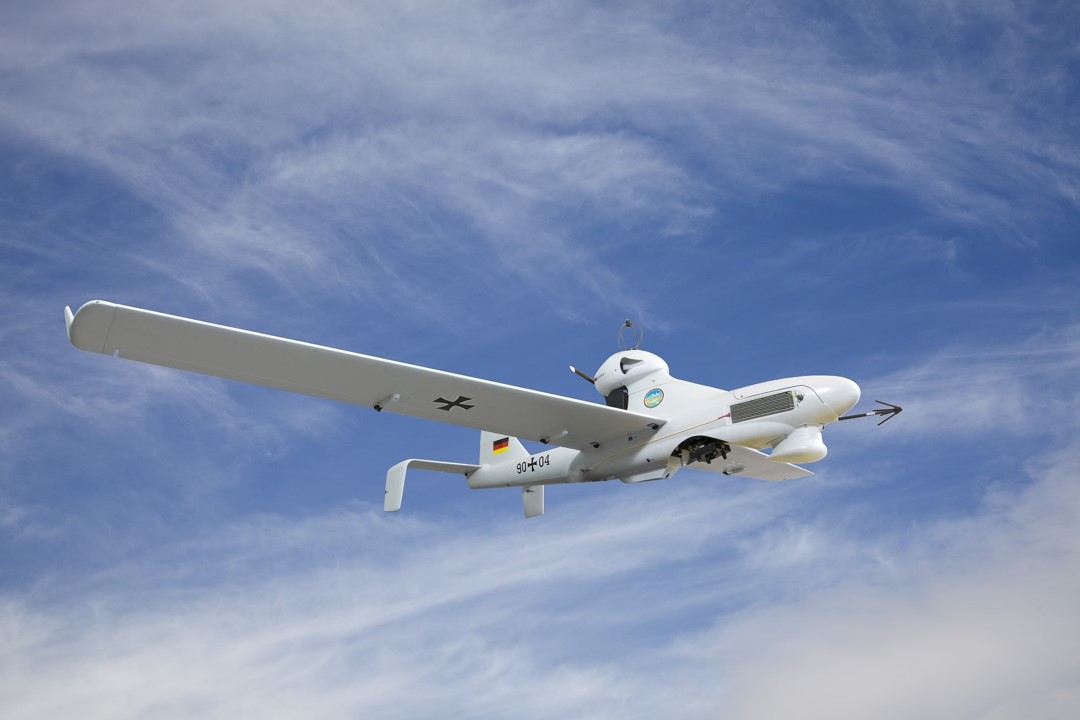
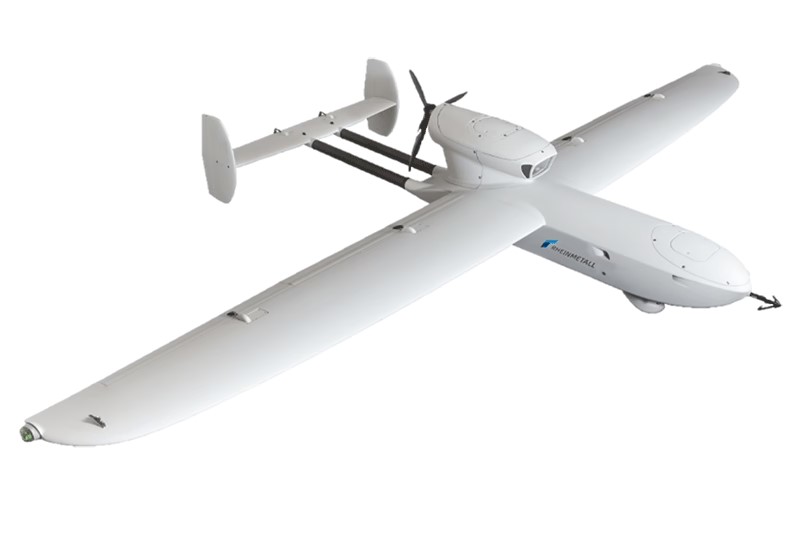
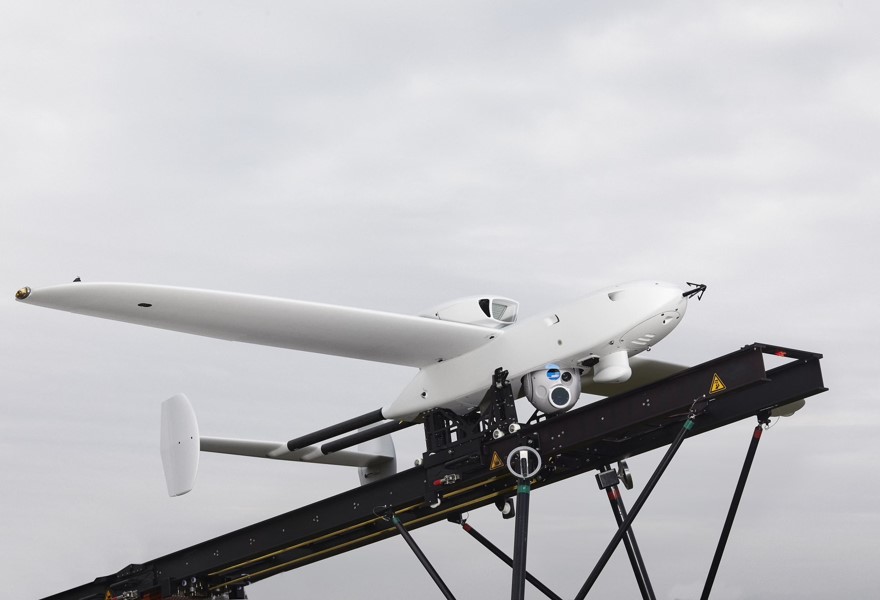
The LUNA NG German Unmanned Aerial Vehicle (UAV) is the latest addition to the LUNA system family, designed for real-time airborne surveillance, detection, and tracking. It features an ultra-light yet highly stable fuselage made of carbon fiber reinforced plastic (CFRP), allowing for a flight time of over 12 hours. With a data link range exceeding 100 kilometers, it can cover a spatial area of more than 30,000 square kilometers. One of the key advantages of the LUNA system is its high level of flexibility during both transportation and operation. The compact ground station can fit into small vehicles or standard cabins, enabling quick transport, even by helicopter. The aircraft is capable of being launched from almost anywhere using a rope hoist catapult, independent of runways, while landing is autonomously managed through differential GPS, either by net or parachute. In flight, the LUNA NG stands out due to its low acoustic, thermal, and radar signatures. The system has undergone extensive testing and can be operated after a short training period, thanks to its high level of automation, which ensures safe and reliable operations. Mission planning and data analysis can be performed using the provided software. Additionally, the LUNA NG features a cost-efficient modular system that allows the aircraft to be equipped with specific payloads, including: - Modular payloads (such as electro-optical, infrared, acoustics, and spectrum analysis) - LTE network, communications relay, and command post connection - Tactical satellite communications for intelligence - IMEI tracker - AI-supported data evaluation - Sensor-to-shooter capabilities and connectivity - Integration of Electronic Support Measures (ESM) This versatility makes the LUNA NG an exceptional tool for a wide range of missions. The LUNA drone system is an advanced solution for uncrewed aerial reconnaissance, designed for real-time surveillance, detection, and tracking. This drone has demonstrated its effectiveness in missions worldwide, boasting a flight time of 6 hours (with an optional extension to 8 hours) and a range exceeding 100 km, which can be further expanded with satellite communication. The LUNA drone can be launched using a catapult in almost any terrain and offers a variety of payload options, making it a cost-effective and reliable choice for both military and civilian applications. Its robust fiberglass composite construction allows it to have a take-off weight of 40 kg, and it can be prepared for launch by just a few personnel. It is silently deployed via a collapsible self-propelled catapult. Thanks to extensive automation, the operation of the LUNA drone is straightforward and requires no prior flying experience. The compact components of the ground station can fit into cabins or small vehicles, enabling rapid relocation when necessary, such as by transport helicopter. Powered by a low-noise two-stroke twin-cylinder fuel-injected engine, the LUNA drone can reach a service ceiling of up to 5,000 meters. It exhibits reliable flight characteristics in all seasons and adverse weather conditions. A notable feature is its ability to glide without engine power, followed by a seamless restart of the engine. The drone can autonomously complete pre-programmed flight paths without ground station signals, or it can be remotely controlled, even through a relay drone in areas with poor radio reception. For landing, the drone uses differential GPS to land autonomously in a net or via parachute. It is equipped with top-of-the-line optics for both pilot and ground viewing, transmitting real-time images and data. Additional payloads can be attached to the standard swiveling payload platform, catering to various needs such as thermal imaging, near-IR zoom cameras, synthetic aperture radar (SAR), electronic warfare (EW) payloads, and other sensor systems. The LUNA system is designed to accommodate the latest advancements in aerial reconnaissance, making it a reliable investment for the future.