ARMSNET
Military Equipment Database
Initializing 0%

Flexrotor American Unmanned Aerial Vehicle (UAV)

Flexrotor
Tactical Unmanned Aerial Vehicle (UAV)
Spotted an error? Sign in to suggest an edit.
Basic Information
Name
Flexrotor American Unmanned Aerial Vehicle (UAV)
Designation
Flexrotor
Alternate Designation
Flexrotor
Equipment Type
Tactical Unmanned Aerial Vehicle (UAV)
Manufacturer
developed by Aerovel Corporation (Bingen, Washington) and now manufactured under Airbus Helicopters following the acquisition finalized in May 2024.
Date of Introduction
2010
Description

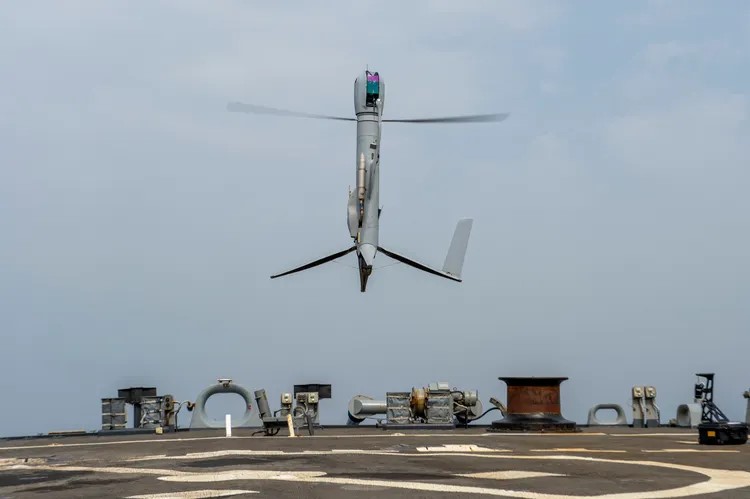
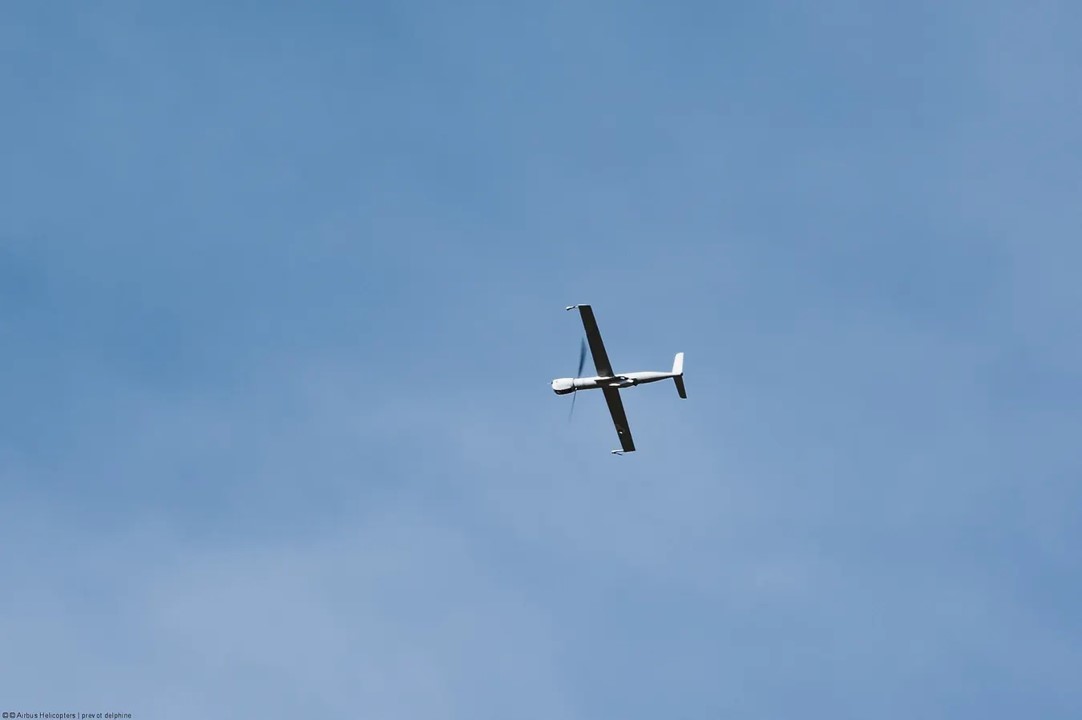
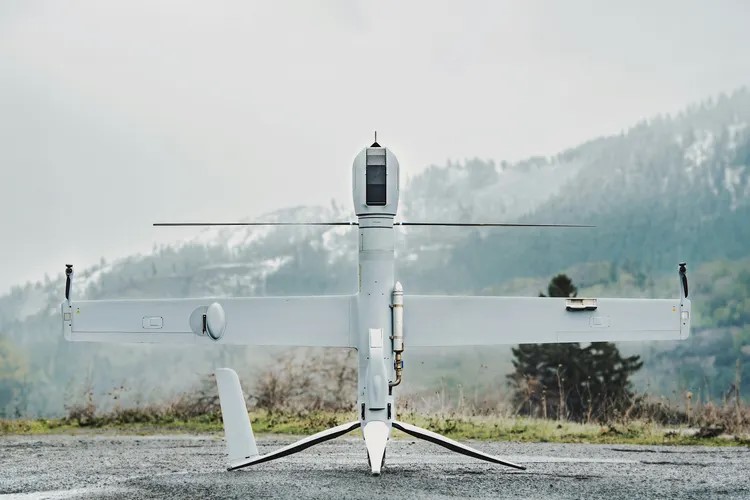
The Flexrotor American Unmanned Aerial Vehicle (UAV) is a Group 2 small tactical vertical take-off and landing (VTOL) unmanned aerial system. The Flexrotor addresses a significant capability gap in expeditionary maritime and land-based intelligence, surveillance, target acquisition, and reconnaissance (ISTAR) operations. Classified as a Group 2 small tactical unmanned aerial system (UAS), it is optimized for deployment in environments with minimal ground infrastructure. The design is based on a tilt-rotor architecture, enabling vertical launch and recovery, followed by transition to wing-borne, extended-range horizontal flight. This configuration combines the vertical launch benefits of a helicopter with the endurance and range of a fixed-wing aircraft. The hybrid approach distinguishes the Flexrotor from both conventional hand-launched small tactical systems and larger rotorcraft platforms, making it a force multiplier in rapid-deployment scenarios. Recent demonstrations have demonstrated seamless integration with NATO battle management systems and effective performance in complex multinational exercises, underscoring its value as a critical enabler of NATO maritime operations. The platform's capacity to deliver extended-duration intelligence, surveillance, and reconnaissance (ISR) from small-deck vessels, coastal patrol craft, and austere locations directly supports NATO's need for distributed autonomous systems that enhance domain awareness without necessitating substantial investments in specialized ship modifications or large-deck platforms.

Air & Air Defense Specifications
Engine The baseline Flexrotor utilizes a 28cc two-stroke piston engine burning standard aviation gasoline, providing efficient fuel consumption for sustained loiter operations. A significant recent development is the integration of a proprietary Heavy Fuel Engine (HFE) variant incorporating advanced fuel mixture control technology. This upgrade addresses critical maritime operational requirements by enabling compatibility with JP-5, F-76, and other heavy fuels standard aboard naval vessels, eliminating the logistics challenge of maintaining specialized gasoline supplies in forward maritime environments.
Max Speed 140.0 km/h
Cruise Speed 80.0 km/h
Range 120.0 km
Endurance 14.00 hrs
Service Ceiling 7 m
Wingspan 3.00 m
Rotor Diameter 2.20 m
Payload Capacity 8 kg
System
Alternate Designation Flexrotor
Type Unmanned Aerial Vehicle (UAV)
Manufacturer developed by Aerovel Corporation (Bingen, Washington) and now manufactured under Airbus Helicopters following the acquisition finalized in May 2024.
Payload Capacity 8.0 kg
Payload Integration and Mission Flexibility A key feature of the Flexrotor architecture is its compatibility with over 100 payload configurations, enabling rapid mission reconfiguration without requiring airframe modifications. This plug-and-play payload integration addresses a wide range of Intelligence, Surveillance, Target Acquisition, and Reconnaissance (ISTAR) requirements, from tactical intelligence collection to precision targeting. The available payload options include: ​ Electro-optical (EO) and infrared (IR) camera systems equipped with electronic pan-tilt-zoom (EPTZ) stabilization; Maritime surveillance radar systems; Synthetic Aperture Radar (SAR) systems for all-weather imaging; Electronic Support Measures (ESM) and Signals Intelligence (SIGINT) systems; Ground and maritime sensor systems for hydrographic and oceanographic data collection; Communications relay packages designed to extend tactical network range; Methane detection systems for environmental monitoring applications; Mobile data distribution node systems. The baseline 8-kilogram payload capacity supports dual-sensor configurations, with recent NATO demonstrations integrating both Overwatch Imaging sensors for area surveillance and nine-inch precision cameras for target identification at ranges exceeding 7 kilometers. This multi-sensor capability enables operators to conduct simultaneous area search and precision identification—a capability previously required multiple aircraft platforms.
Autonomous Flight Control and Operations The Flexrotor operates with fully autonomous flight management following vertical launch authorization, eliminating continuous pilot control requirements during extended transit and loiter phases. The system's autopilot design incorporates advanced control algorithms developed to achieve robust performance in the "translational lift regime" characteristic of VTOL aircraft transitioning from hover to wing-borne flight. This unusual control challenge—where aerodynamic loads and control effectiveness change sensitively with relative wind during the critical transition phase—required original research and unconventional autopilot design to achieve the operational reliability necessary for maritime and adverse-weather operations. ​ The aircraft can operate in degraded electromagnetic environments and GPS-denied conditions, though standard operations utilize GPS-aided inertial navigation for autonomous navigation to pre-programmed waypoints. Communications with the ground control station are maintained over 120-kilometer ranges via standard line-of-sight data links, with real-time video transmission achievable at NTSC/PAL quality standards.
Autonomous Vertical Takeoff and Landing Key dimensional advantages include the ability to execute autonomous vertical takeoff and landing within a 3.7 x 3.7 meter area (12 x 12 feet)—smaller than most small-deck helicopter landing zones—enabling rapid deployment from confined maritime platforms, confined terrain, or austere forward operating locations without requiring specialized launch or recovery equipment.
Dimensions
Length 2.0 m
Height INA
Rotor Diameter 2.2 m
Wingspan 3.0 m
Maximum Takeoff Weight 25 kg
Automotive
Engine Name INA
Engine Type The baseline Flexrotor utilizes a 28cc two-stroke piston engine burning standard aviation gasoline, providing efficient fuel consumption for sustained loiter operations. A significant recent development is the integration of a proprietary Heavy Fuel Engine (HFE) variant incorporating advanced fuel mixture control technology. This upgrade addresses critical maritime operational requirements by enabling compatibility with JP-5, F-76, and other heavy fuels standard aboard naval vessels, eliminating the logistics challenge of maintaining specialized gasoline supplies in forward maritime environments.
Engine Power INA
Maximum Speed 140 km/h
Cruise Speed 80 km/h
Maximum Range 120 km
Service Ceiling 7 km
Hover Ceiling 1,300 m
Endurance 14 hours
Details
Country of Origin United States
Category UAVs
Air > UAVs
Filter Label
F
Classification
Domain
Air & Air Defense
Equipment Status
Active
Dimensions
Length
2 m
Width
3 m
Height
Weight
25 kg
Operators (3)
United States
France
Germany
Something went wrong. Please reload the page. Reload